Home / Products / Kraft Paper Laminated PP Woven Bag / Kraft Paper Composite Paper-Plastic Bag Containing Plastic Particles With Waterproof Inner Film

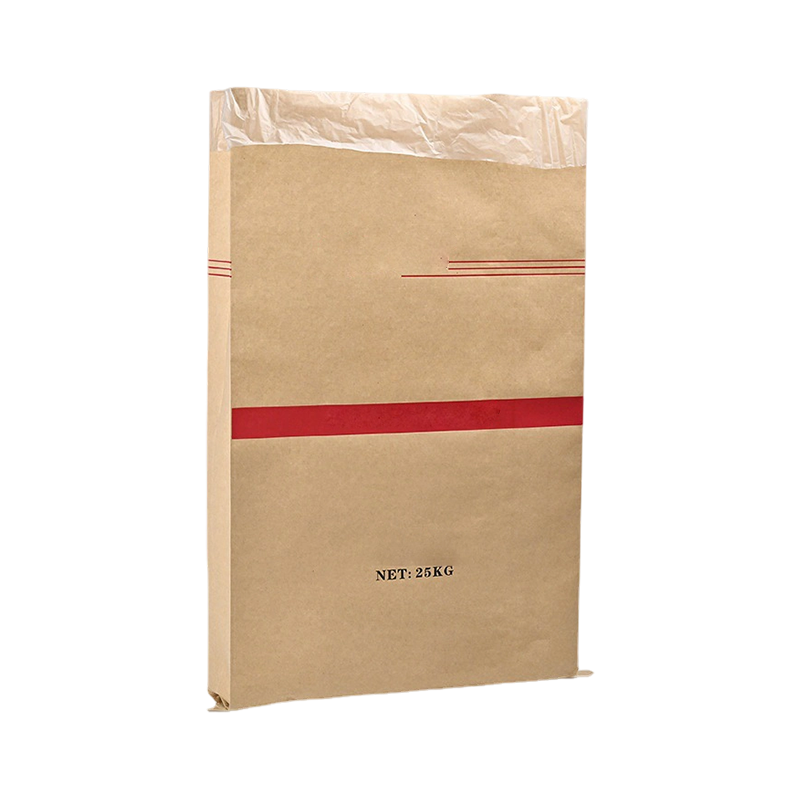
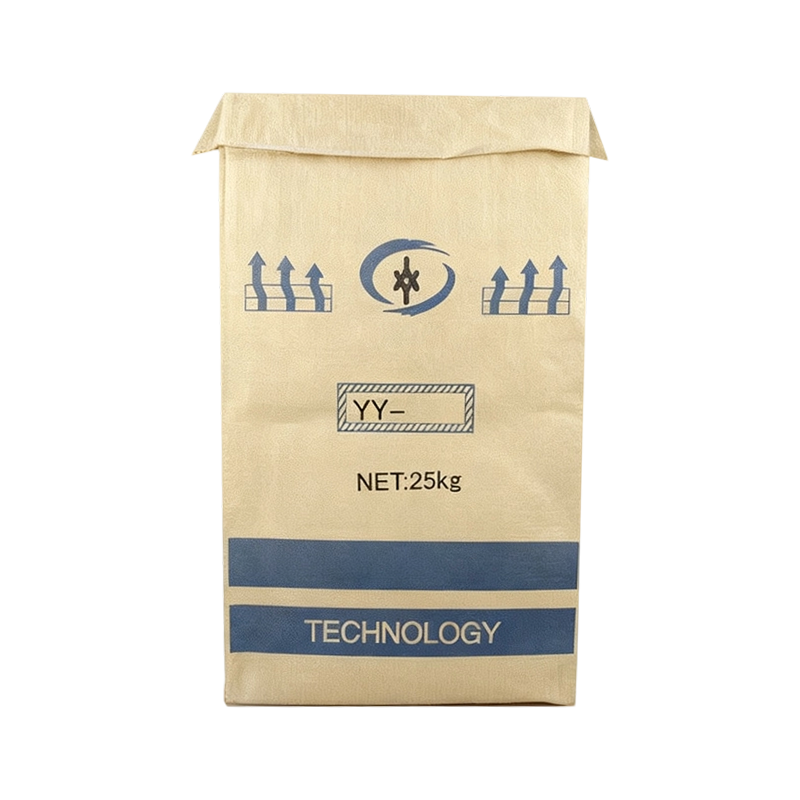
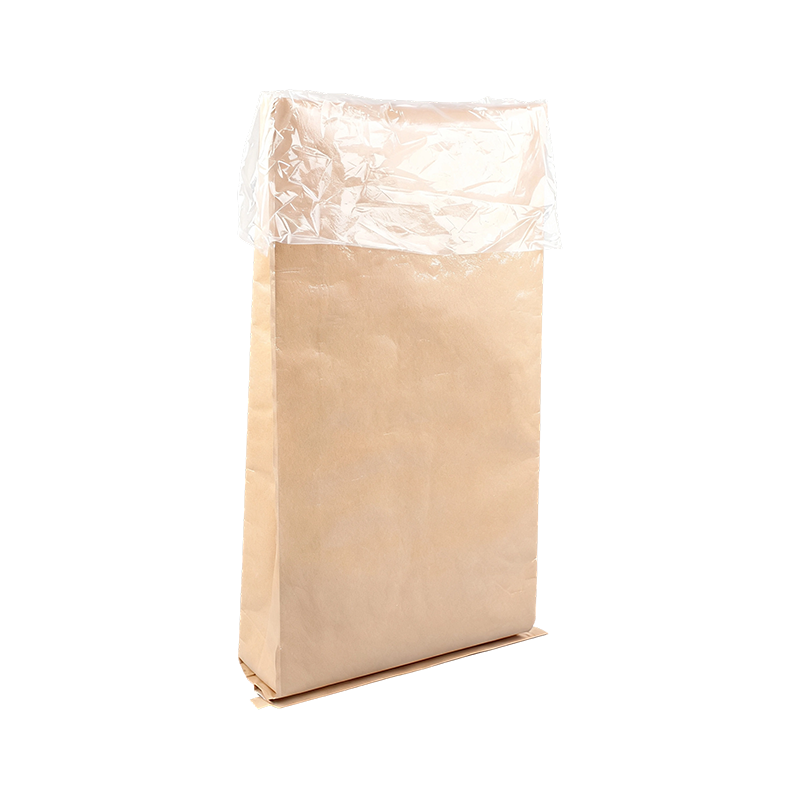
Kraft Paper Composite Paper-Plastic Bag Containing Plastic Particles With Waterproof Inner Film

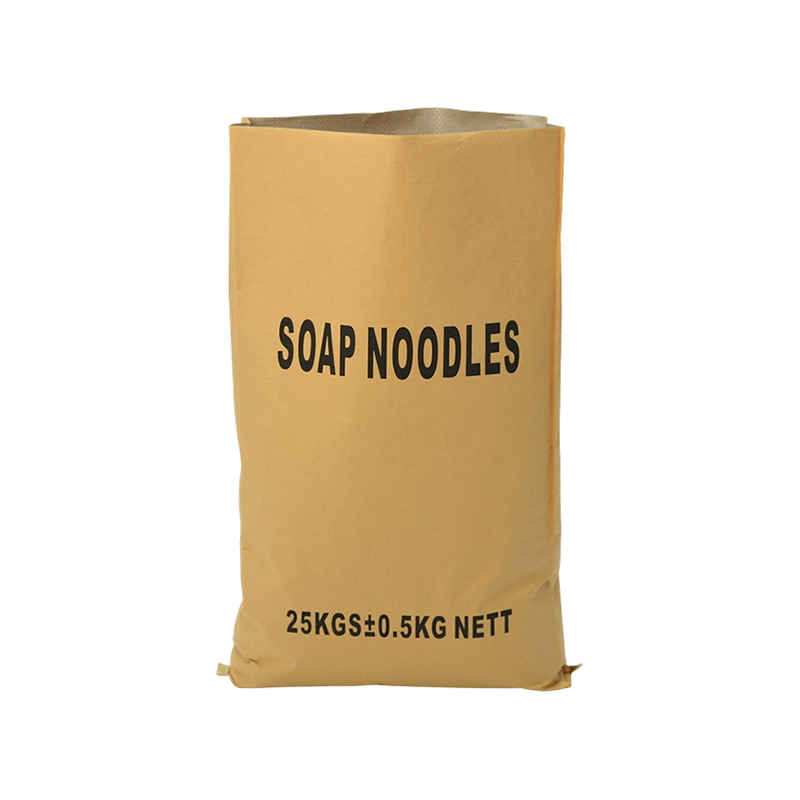
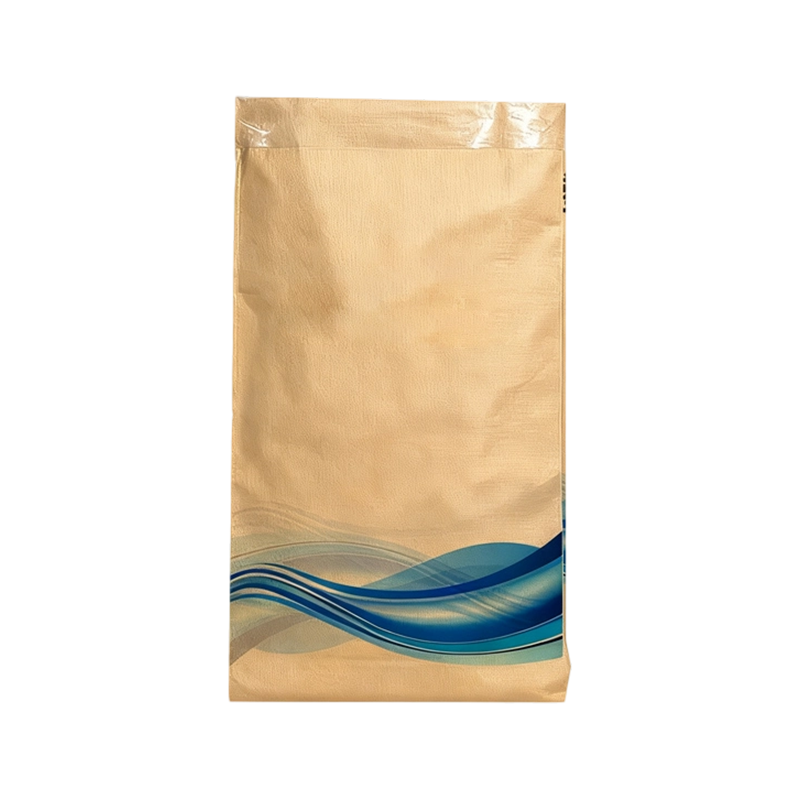
This composite packaging bag uses environmentally friendly kraft paper as the outer material, presenting a natural texture and suitable for factories and traders emphasizing a green brand image. The kraft paper surface can be flexographically printed, resulting in clear patterns and uniform colors, suitable for mass production and export packaging, significantly enhancing product recognition.

The bag's interior features a waterproof PE inner membrane, effectively isolating moisture and keeping plastic particles dry during transportation and storage, preventing clumping or deterioration due to moisture. Combined with a high-strength woven fabric middle layer, the bag possesses excellent load-bearing capacity, tear resistance, and puncture resistance, adapting to the needs of mechanical filling, stacking, and long-distance logistics.

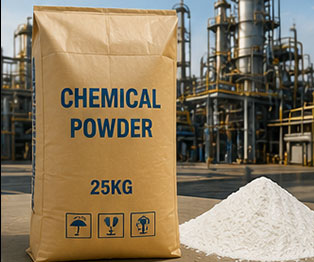
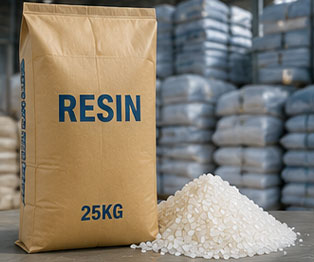
With its stable structure, customizable appearance, and significant environmental attributes, this bag is suitable for packaging plastic particles, chemical powders, resin granules, and other powdery industrial materials. It is an ideal bag type that combines functionality, durability, and green packaging features.
  • Kraft Paper Composite Paper-Plastic Bag Containing Plastic Particles With Waterproof Inner Film
  • Kraft Paper Composite Paper-Plastic Bag Containing Plastic Particles With Waterproof Inner Film
  • Kraft Paper Composite Paper-Plastic Bag Containing Plastic Particles With Waterproof Inner Film
  • Kraft Paper Composite Paper-Plastic Bag Containing Plastic Particles With Waterproof Inner Film

Description

Application

Production Process

Packaging Process

FAQ

Contact Us

Description

Product Type

 Kraft Paper Bag

Paper Color

 Brown

Number of Printing Colors

 Up to 7

Paper Type

 60g-120g/m²

Printing Method

 Flexographic Printing

Features

 Includes waterproof inner membrane

Number of Layers

 1-4 layers (PE layer)

Custom Logo

 Available

Applications

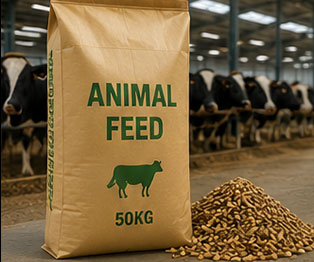
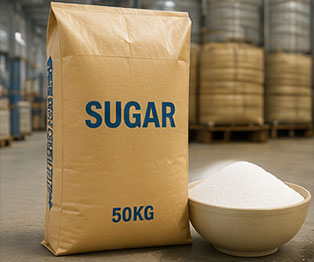
 Used for packaging animal feed. The surface printing is clear, including brand, product number, and net weight information, highlighting professionalism and brand recognition, while facilitating warehousing and logistics management.

MOQ

5000pcs

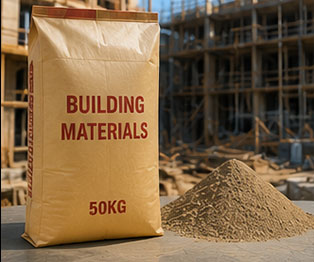
The packaging bags are suitable for the chemical, building materials, and industrial production sectors, providing a high-quality packaging solution that combines safety, durability, and brand display.

Application

  • Application
    AGRICULTURE
  • Application
    CONSTRUCTION
  • Application
    CHEMICAL INDUSTRY
  • Application
    FOOD INDUSTRY
  • Application
    ANIMAL HUSBANDRY
  • Application
    LOGISTICS & TRANSPORTATION
  • Application
    RETAIL & SHOPPING
  • Application
    HOUSEHOLD STORAGE
  • Application
    GARDENING
  • Application
    INDUSTRIAL PACKAGING
  • Application
    GARBAGE & RECYCLING
  • Application
    OUTDOOR APPLICATIONS

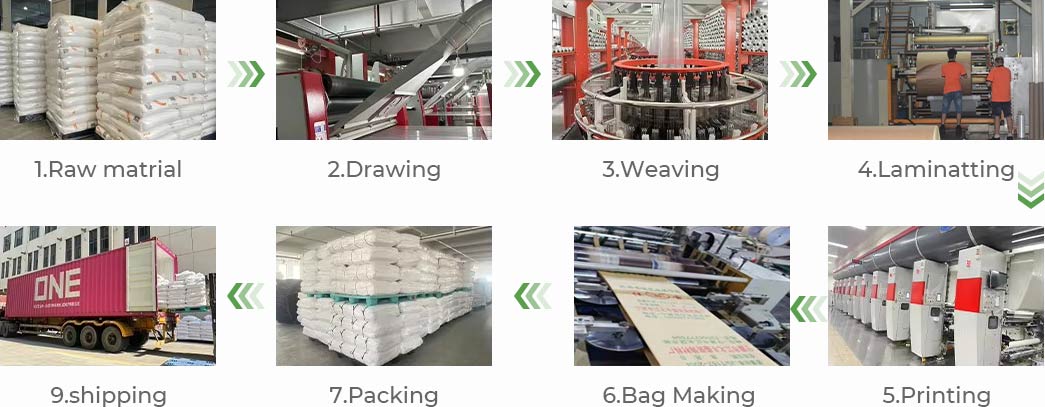
PRODUCTION PROCESS

Packaging process
FAQ

  • What is PP woven fabric?

    PP woven fabric is a high-strength fabric made from polypropylene (PP), a durable thermoplastic polymer. It is widely used in various industries, including packaging, agriculture, and construction, due to its moisture resistance, recyclability, and robust physical properties.

  • What are the benefits of PP woven bags?

    PP woven bags are highly durable, tear-resistant, and moisture-proof. They are perfect for heavy-duty use in industries such as agriculture, construction, and packaging. These bags are also eco-friendly as they can be recycled and reused multiple times.

  • Where are your PP woven bags and fabric manufactured?

    Our PP woven fabric and PP woven bags are manufactured in Wenzhou, Zhejiang, China. With 34 years of experience in the industry, we ensure high-quality production with advanced machinery and a skilled workforce.

  • Can PP woven fabric be customized?

    Yes, we offer customization for PP woven fabric in various colors, thicknesses, sizes, and coatings. Whether you need bags, rolls, or other forms of fabric, we can tailor the product to meet your exact specifications.

  • Are your PP woven bags eco-friendly?

    Yes, our PP woven bags are eco-friendly, as they are made from polypropylene, which is fully recyclable. Additionally, we offer options for biodegradable coatings to make them more environmentally sustainable.

  • What industries use PP woven fabric and bags?

    Our PP woven fabric and bags are used in a wide range of industries, including:


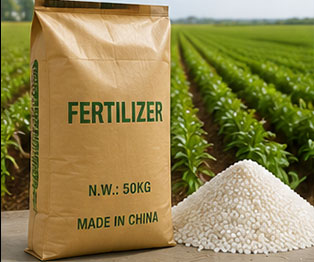
    Agriculture (grain, feed, fertilizer)

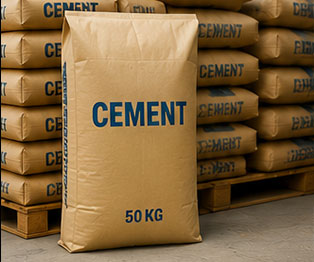
    Construction (sand, cement, building materials)

    Retail (shopping bags, promotional bags)

    Industrial packaging (food, chemicals)

    Food packaging

  • How durable are your PP woven bags?

    Our PP woven bags are designed for high durability. They are resistant to tearing, UV light, and moisture, ensuring long-lasting use even under challenging conditions. They are ideal for heavy-duty applications, ensuring secure and reliable packaging.

  • Can you supply bulk orders of PP woven bags and fabric?

    Yes, we specialize in large-scale orders of PP woven fabric and PP woven bags. With 34 years of experience, we can meet high-volume demands while maintaining consistent quality and efficient delivery.

  • Do you provide samples of your PP woven fabric and bags?

    Yes, we provide samples of our PP woven fabric and PP woven bags for customers to assess quality before placing an order. Contact us to request samples that match your needs.

  • What is the lead time for production?

    Production lead times vary depending on the size and complexity of the order. Generally, it takes 7-14 business days for standard orders. For customized or bulk orders, the lead time may be longer.

  • How can I place an order for PP woven fabric or bags?

    To place an order, simply reach out to us via our contact form or email with your requirements. Our team will provide you with a quote, and we’ll work with you to finalize details such as quantity, customization, and delivery.

  • Do you offer international shipping for PP woven bags and fabric?

    Yes, we offer global shipping for PP woven bags and PP woven fabric. Our experienced logistics team ensures timely and safe delivery to international destinations.

  • What are the payment options available?

    We accept various payment methods, including bank transfer, PayPal, and other secure payment systems. We offer flexible terms for large or customized orders, which can be discussed with our sales team.

  • Why choose your company for PP woven fabric and bags?

    With 34 years of industry experience, we are a trusted and reliable manufacturer of PP woven fabric and PP woven bags. Our long-standing expertise ensures high-quality products, competitive pricing, and excellent customer service. We work closely with equipment manufacturers to optimize fabric structure, ensuring that your automation systems run smoothly and efficiently.

Contact Us

Send
About Us
Zhejiang Hongyang Packaging Co., Ltd.
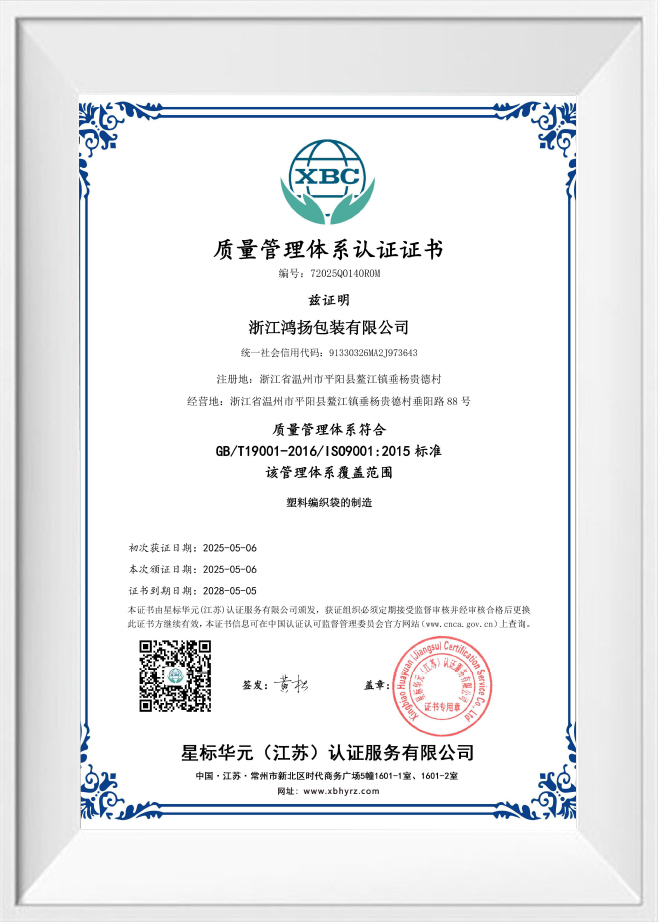
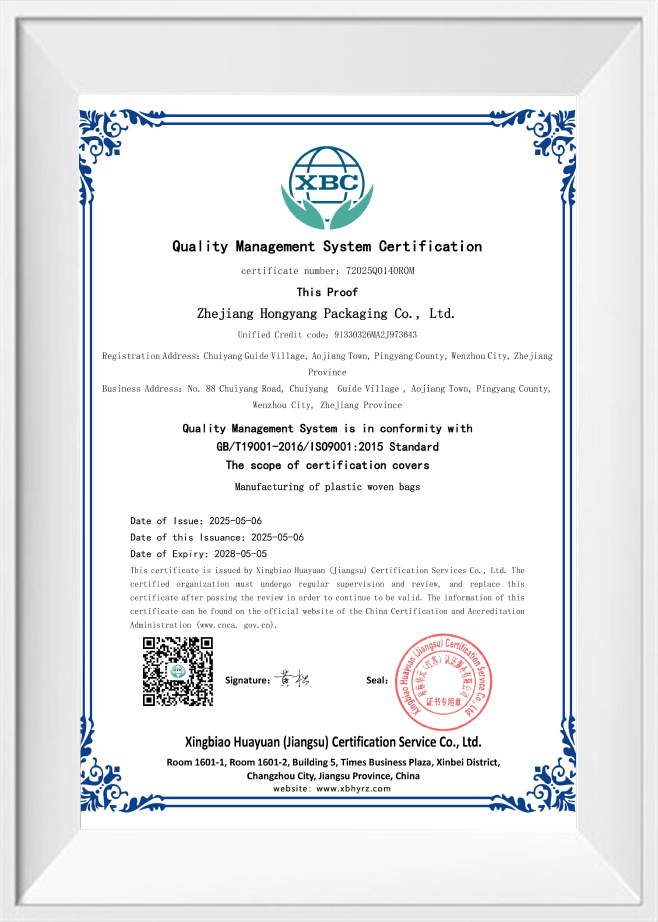
Zhejiang Hongyang Packaging Co., Ltd. was formerly known as Pingyang County Plastic Circular Weaving Packaging Factory. Since 1992, it has been dedicated to the woven bag production industry, boasting 34 years of in-depth industry experience. The company completed its brand upgrade and officially changed its name in 2020. Headquartered in Wenzhou, Zhejiang Province, with a total land area of 14,000 square meters, we are a modern professional packaging enterprise integrating R&D, production, sales and import & export. Our main products cover woven bags, BOPP laminated woven bags, recyclable shopping bags and paper-plastic composite woven bags. We have passed ISO 9001 Quality Management System, GRS Global Recycling Standard and ISO 54001 System certifications, providing solid guarantees for product quality.
Certificate Of Honor
  • SGS certificate
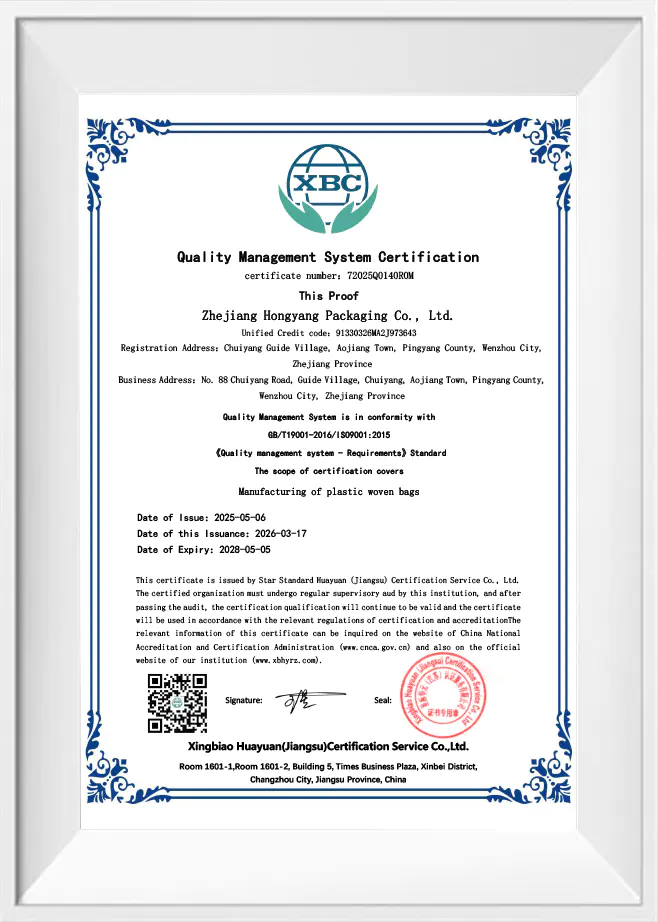
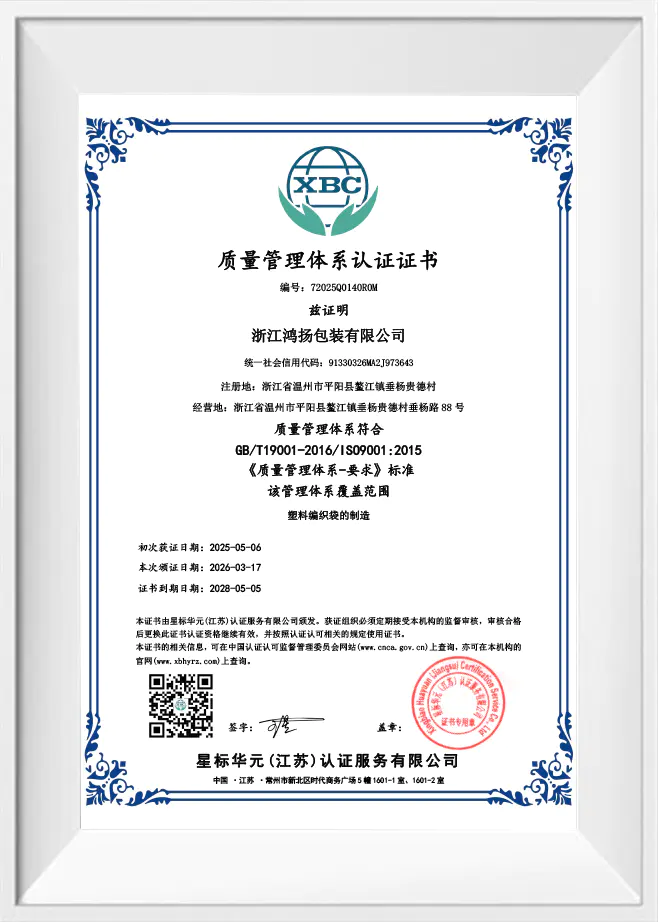
  • Quality Management System Certification
  • Quality Management System Certification
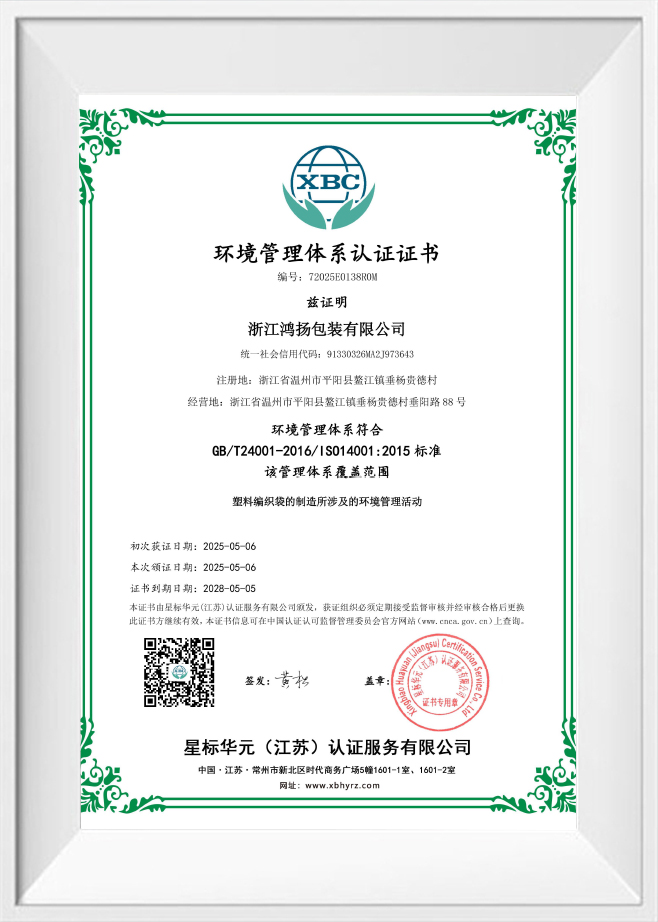
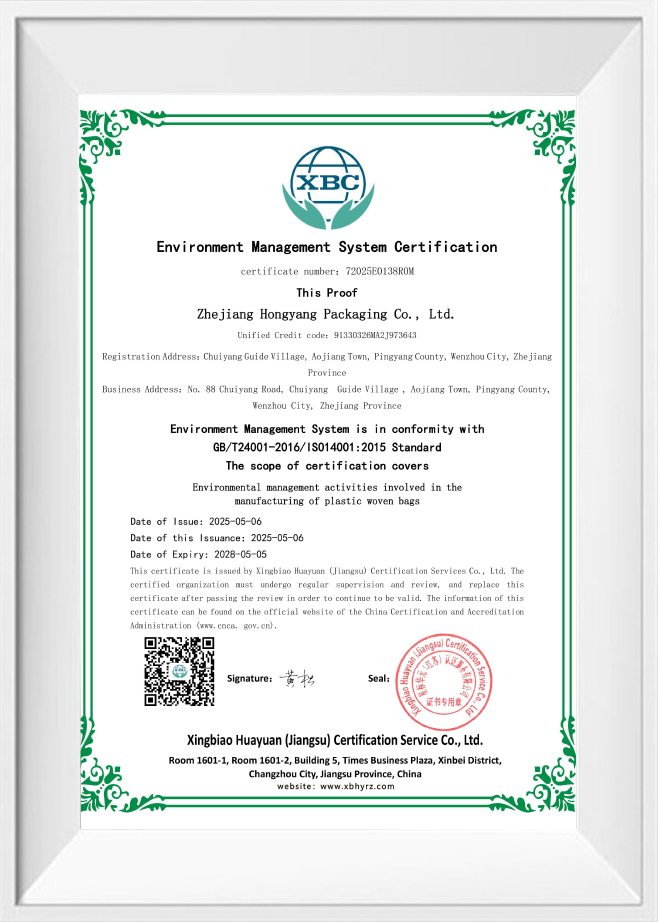
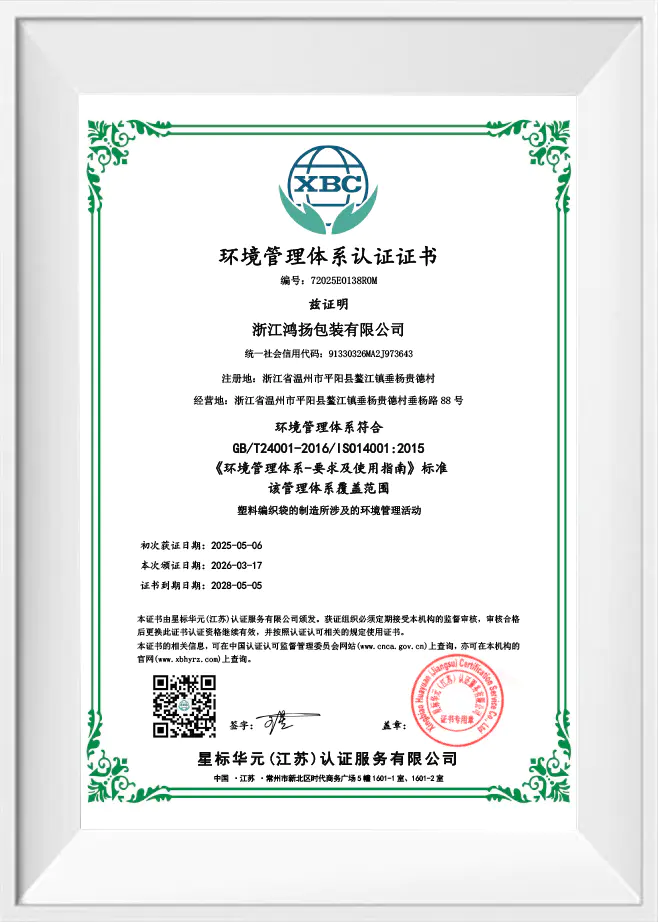
  • Environmental Management System Certification
  • Environmental Management System Certification
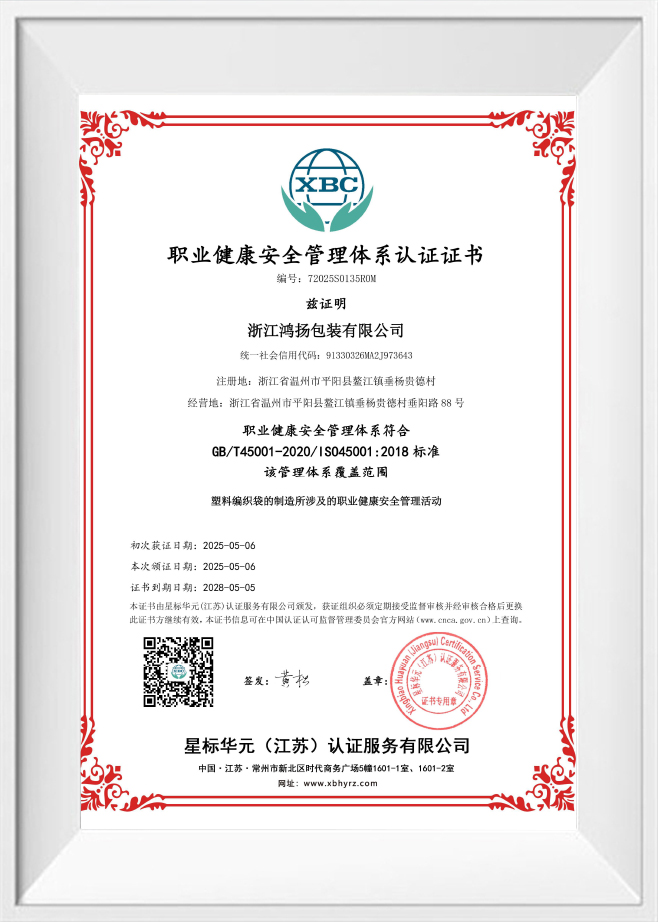
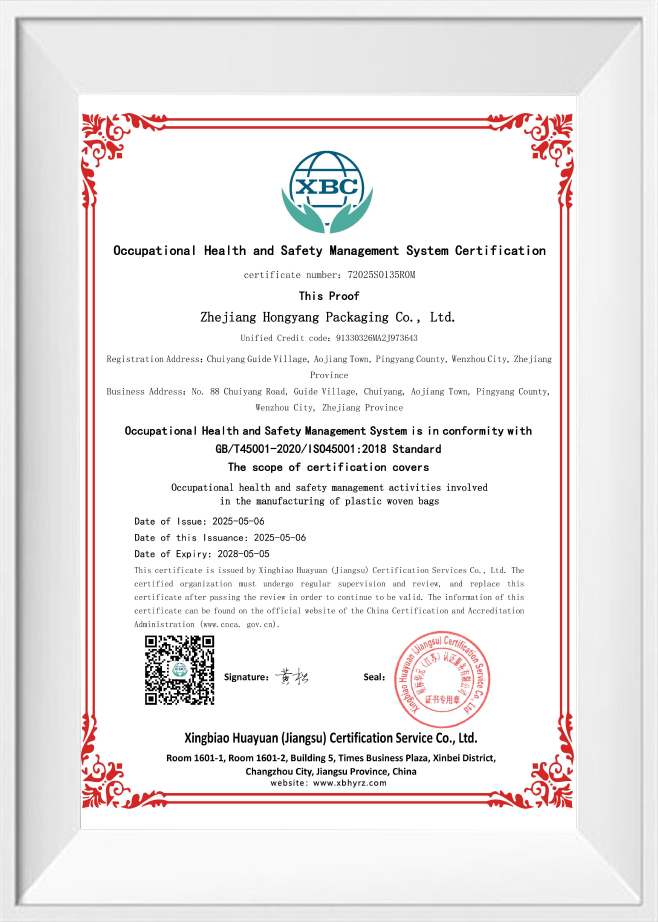
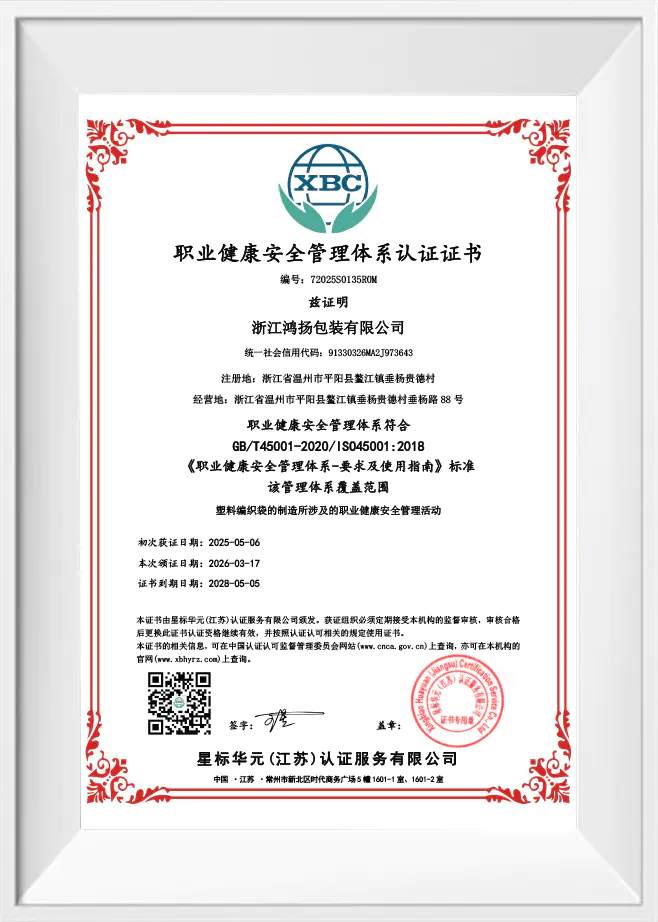
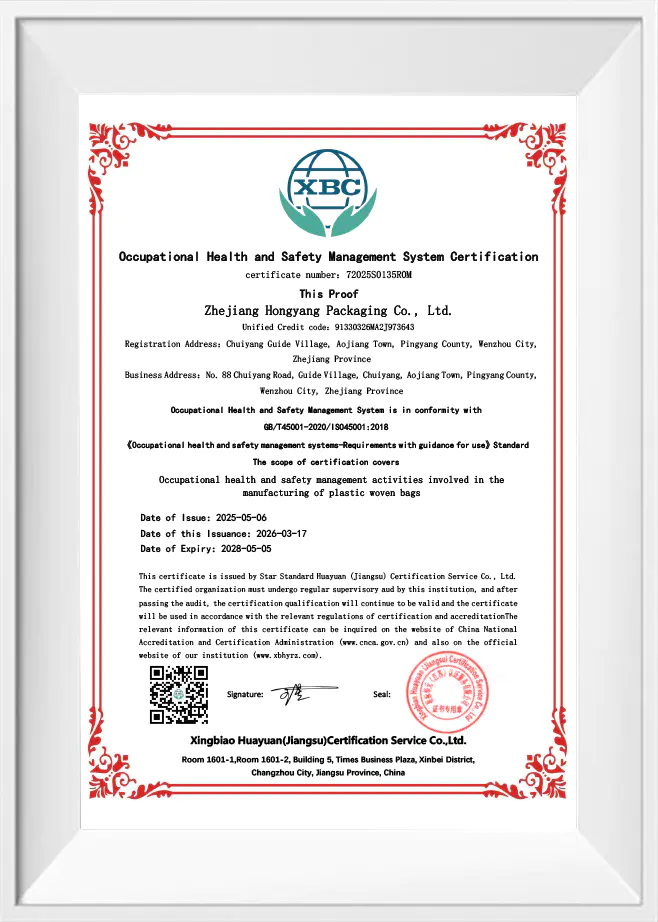
  • OccupationaI HeaIth and Safety Management System Certification
  • OccupationaI HeaIth and Safety Management System Certification
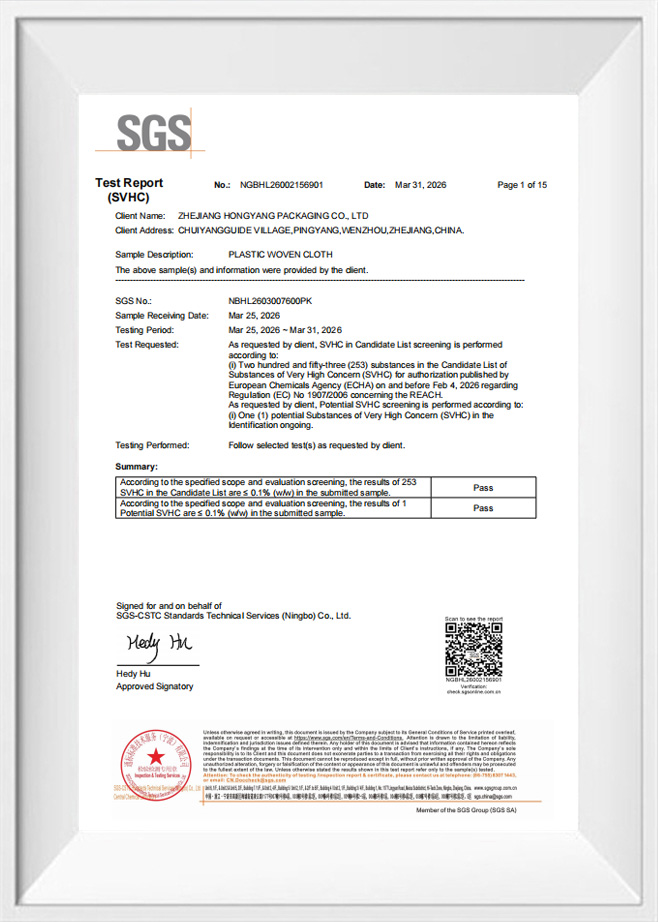
  • REACH SVHC
News

Kraft Paper Bag: Material Structure, Real-World Use, and Packaging Industry Perspective

Kraft paper bags at first look very basic, almost unremarkable. But in real packaging supply chains, they show up in far more places than people usually expect.

Retail shops use them, food packaging uses them, agricultural products rely on them, and even some light industrial shipping applications still choose them. The interesting part is not the design itself, but how the same material ends up being used in so many different ways just by adjusting thickness, layers, or surface treatment.

In practice, kraft paper packaging is less about being a "special material" and more about flexibility. Small changes in structure can turn it from a simple shopping bag into something suitable for bulk goods or export packaging. That adaptability is really what keeps it relevant across different industries.

What a Kraft Paper Bag Actually Is

At a basic level, kraft paper bags are made from kraft paper, which is produced through a pulping process designed to keep the wood fibers longer and less damaged compared to regular paper. That fiber structure is really where its strength comes from in practical use.

But in real production and supply chains, a kraft paper bag is rarely just a simple paper container. It is more like a basic packaging format that gets adapted depending on the end use. In some cases it stays very simple, while in others it becomes a more functional packaging solution used for heavier loads or even brand presentation.

In actual manufacturing, you will usually see it appearing in a few typical forms rather than one fixed type:

  • simple single-layer bags for light retail or takeaway use
  • multi-layer paper sacks for bulk materials or industrial packaging
  • laminated or coated versions when there is a need for moisture protection
  • die-cut or handled styles that are more focused on retail and branding

If you look at common search terms like "kraft paper bag wholesale supplier" or "custom printed kraft paper packaging bags," they are really reflecting these different usage directions instead of describing one standard product.

Why Kraft Paper Became a Widely Used Packaging Option

The reason kraft paper is so widely used is actually quite practical when you look at it from a production and sourcing perspective.

On the manufacturing side, it is a very stable material. It is widely available, easy to source, and can be produced at scale without too many complications. For factories, this means consistent output and relatively controlled cost.

On the user side, it is also easy to work with. It doesn' t require special handling conditions, and it can be adapted into many different packaging formats without major changes in structure.

There is also a perception factor that shouldn' t be ignored. In many Western markets, kraft paper packaging is often linked with natural or eco-friendly positioning. Even when the material is reinforced or coated, the visual impression still tends to support that idea.

Because of this mix of practical usability and market perception, kraft paper continues to hold a stable position in both industrial packaging and consumer packaging applications.

Material Behavior and Structural Reality

Kraft paper gets its strength mainly from long cellulose fibers that remain relatively intact during the pulping process. These fibers naturally interlock during paper formation, which results in a denser and more tear-resistant material compared to standard paper grades.

In real-world use, its performance is fairly easy to understand:

  • it can handle medium to relatively heavy loads depending on thickness
  • it performs reasonably well when stacked or folded during transport
  • it has better tear resistance along the fiber direction
  • it is still lighter than most plastic-based packaging materials

However, there is also a limitation that is well known in the industry. Kraft paper does not perform well in moisture or high humidity conditions. Once it gets wet or exposed for too long, the structure starts to lose strength unless it has been treated or coated in advance.

Because of that, most kraft paper bags used in real applications are not just plain paper anymore. In many cases, they are reinforced or upgraded depending on the actual packaging requirements.

Where Kraft Paper Bags Are Actually Used

In real supply chains, kraft paper bags don' t really sit in just one category. They show up in a lot of different places, and each industry tends to use them in its own way.

In retail, they are probably the most familiar. Coffee shops, bakeries, takeaway brands, small boutiques-these are all typical users. The reason is simple: the material looks clean and neutral, and it still works well for basic branding without much extra effort.

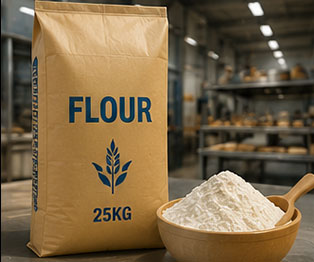
In food-related packaging, kraft paper is often used for dry goods like flour, sugar, coffee, and snacks. In many cases, you' ll see an inner liner added, because plain paper alone is not enough when moisture becomes a concern.

Agricultural use is more about function than appearance. Seeds, animal feed, and bulk materials are usually packed in multi-layer paper bags where the focus is stability and cost control rather than visual presentation.

For industrial use, kraft paper sacks are still common for powders and light bulk materials, but they are usually reinforced depending on how heavy or demanding the application is.

Kraft Paper Bag vs Other Packaging Materials

In real sourcing work, kraft paper is almost never considered alone. Most of the time, buyers will put it next to a few other packaging options and compare them based on the actual product situation.

Plastic bags usually win when it comes to moisture resistance and durability. They just handle rough conditions better. But kraft paper still shows up a lot in retail-related packaging, mainly because the appearance feels more natural and better for branding.

PP woven bags are in a different category altogether. They are clearly stronger and more suitable for heavy-duty use, especially in agriculture, feed, or construction materials. Kraft paper doesn' t really compete there directly-it' s more for lighter loads and situations where presentation also matters.

Non-woven bags are more flexible and often used for shopping or promotional purposes. They are not really designed for serious industrial packaging, more for short-term or light consumer use.

Laminated composite packaging is probably the most protective option, especially for moisture or long-distance shipping. But it also means higher cost and more complicated production, so it' s usually used only when really necessary.

So in actual projects, people don' t really ask "which one is the best." It' s more like: what is the product, how is it going to be used, and what kind of balance between cost and performance makes sense.

How Kraft Paper Bags Are Adapted in Production

In actual manufacturing, kraft paper is rarely used in its most basic form when performance requirements start to increase.

Most factories adjust it based on what the final application needs, rather than treating it as a fixed material.

Common adjustments include things like:

  • adding PE lining when moisture protection is needed
  • laminating the surface to improve strength and printing results
  • using multi-layer construction for heavier loads
  • adding handles or die-cut shapes for retail convenience

These are not really "new innovations" in the strict sense. They are more like practical adjustments made to match different usage conditions.

For example, food packaging usually needs better protection against humidity, while retail packaging tends to focus more on appearance and user experience.

Global Demand and How It' s Changing

Kraft paper packaging has been in steady demand for years, but the reasons behind it are not exactly the same everywhere.

In Europe and North America, it is often tied to branding and sustainability expectations. Even when the structure is reinforced or coated, the kraft paper look still carries a kind of "natural" impression, which works well in retail and consumer-facing products.

In developing markets, the situation is more practical. Buyers tend to care more about price, supply consistency, and whether the packaging can be produced quickly in different specifications. The visual aspect is usually not the main factor.

If you look at search patterns like "custom kraft paper bags wholesale China" or "printed kraft packaging supplier bulk order," you can actually see this split quite clearly. Some requests are branding-driven, while others are purely cost and sourcing driven.

Limitations You See in Real Applications

Kraft paper is widely used, but in real working conditions its limits are also pretty clear.

Moisture is the first thing people usually mention. If the paper hasn' t been coated or treated, even a bit of humidity or direct water exposure can start to affect its strength quite fast.

Another point is load handling. It works fine for medium-weight products, but when it comes to heavy-duty shipping or long-distance transport, woven or plastic-based packaging is still more reliable.

It' s also not really built for repeated use. Most of the time, it' s treated as a one-time or short-term packaging option rather than something meant to be reused many times.

These are not unexpected issues in the industry. In most cases, they are already taken into account at the design stage, depending on what the packaging is actually meant to do.

How Kraft Paper Packaging Is Evolving in Practice

The development of kraft paper packaging is not really about replacing other materials. It is more about gradual adjustment based on different market needs.

At the moment, a few trends are quite noticeable:

  • more recyclable coating systems replacing traditional plastic-based layers
  • stronger multi-layer paper structures for better durability
  • improved printing quality for more stable branding results
  • hybrid structures that combine paper with other materials

At the same time, its use is expanding beyond traditional retail. You now see it more in e-commerce packaging, food delivery, and even some industrial branding applications.

What this really shows is a shift in expectations. Packaging is no longer just about protecting the product. In many cases, it also plays a role in how the brand is presented.

Practical Position in Today' s Packaging Market

Kraft paper bags don' t stand out because of performance, but they remain widely used because they sit in a very practical balance between cost, usability, and appearance.

They are not the strongest option and not the most advanced material, but they fit a very large number of everyday packaging needs across different industries.

From small retail shops to bulk industrial applications, their role is still stable. And as packaging requirements continue to change, kraft paper is more likely to be adjusted than replaced-simply because it is flexible enough to adapt without breaking the overall cost structure.