


 Guidé Village, Chuiyang, Aojiang Town, Pingyang County, Wenzhou City, Zhejiang Province, China

 English
 Español
 عربى
 中文简体

Woven Polypropylene Bags vs. Non-Woven Bags: What Is the Difference
Date:Oct 23, 2026
Reusable bags and industrial packaging show up across agriculture, retail, manufacturing and logistics. Woven polypropylene bags and non-woven bags often start from similar polymer bases yet end up very different because of how the fabric gets made. Woven versions come from flat polypropylene tapes that get interlaced on looms into a stable sheet. Non-woven versions bond fibers together by mechanical, thermal or chemical means without creating that interlaced grid. The differences show up in strength, how long the bag lasts, cost structure, customization routes and the jobs each type handles best. Woven Polypropylene Bags Wholesale options focus on bulk packaging and material transport where the loads run higher.
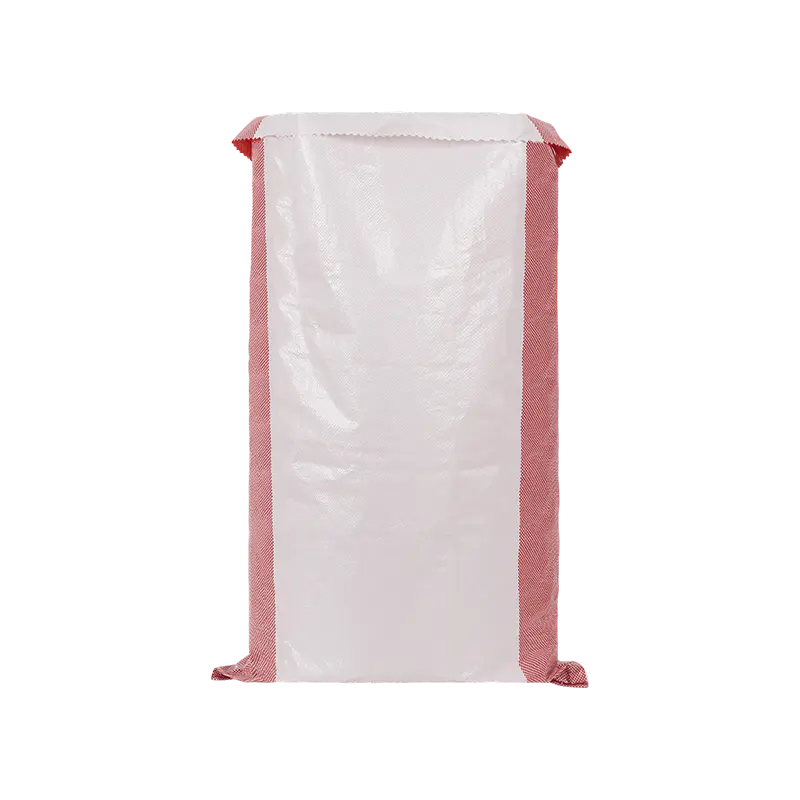
Construction and Characteristics of Woven Polypropylene Bags
Polypropylene resin gets extruded into flat tapes, then woven into fabric that later gets cut and sewn into finished bags. The interlaced structure gives the fabric dimensional stability and resistance to tearing under tension. Available configurations cover different sizes, colors, coatings, liners, closure styles and surface printing according to the required specification. Typical contents include agricultural products, grains, animal feed, fertilizer, sand and selected construction materials. The woven construction supports these bulk loads when the fabric weight, weave density and seam design match the expected fill weight and handling conditions.
Construction and Characteristics of Non-Woven Bags
Fibers get bonded rather than woven, producing a flexible sheet whose strength varies with fiber type, bonding method and fabric weight. The resulting texture tends to feel softer and more pliable than woven fabric. Common forms include shopping bags, promotional totes, reusable carry bags and lightweight packaging. These appear in retail shopping, promotional events, trade shows, light product packaging and everyday carrying tasks. Although many non-woven bags also use polypropylene fibers, the bonded structure behaves differently from the interlaced tape fabric of woven bags.
Core Differences Across Manufacturing, Strength, and Use
| Comparison Factor | Woven Polypropylene Bags | Non-Woven Bags |
|---|---|---|
| Manufacturing Process | Polypropylene tapes are woven into fabric | Fibers are bonded without traditional weaving |
| Fabric Structure | Interlaced woven structure | Bonded fiber structure |
| Strength and Load Capacity | Often suitable for heavier loads when properly designed | Varies by fabric weight, bonding method, and bag construction |
| Durability | Suitable for many demanding packaging applications | Suitable for light to moderate use, depending on specifications |
| Texture | Typically structured and fabric-like | Often softer and more flexible |
| Moisture Resistance | Depends on weaving, coating, lamination, and liners | Depends on fiber type, bonding process, and any surface treatment |
| Printing and Customization | Printing, sizes, colors, and construction can be customized | Printing, shapes, colors, and handle designs can be customized |
| Common Applications | Grain, feed, fertilizer, construction materials, and bulk packaging | Shopping, promotional giveaways, and lightweight retail packaging |
| Purchasing Considerations | Fabric specifications, load requirements, seams, and order volume | Fabric weight, bonding quality, handles, seams, and intended use |
Relative Strength and Durability of the Two Fabric Types
The interlaced tape structure of woven fabric spreads tension across multiple crossing points, which supports many load-bearing packaging tasks. Load capacity is further shaped by bag dimensions, fabric weight, weave pattern, stitching quality and handle design. During filling, stacking, transport and repeated handling, the woven construction tends to resist abrasion and tearing more effectively when properly specified. Service life is influenced by sunlight exposure, moisture, friction, contact with sharp objects and the number of reuse cycles. Matching these factors to the expected duty keeps the bag functional for the intended period.
Cost Considerations Across Production and Use
Raw material volume, fabric weight, production steps and final bag construction all influence unit cost. Larger order volumes can improve production efficiency and lower the per-unit figure under supplier terms. Printing, lamination, liners, special dimensions and packaging requirements add incremental cost. Total cost of use includes durability, product protection, handling efficiency and replacement frequency rather than the unit price alone. Custom Woven Polypropylene Bags configurations allow the specification to be adjusted so that material is not over- or under-engineered for the actual load.
Customization Routes for Branding and Functional Needs
Woven bags can be produced in different dimensions to match packaging requirements. Logos, product information, handling instructions and other details can be printed on the surface. Coatings or liners may be added when moisture or product containment needs extra protection. Non-woven bags offer their own routes for printed graphics, handle styles, gussets and retail-friendly shapes. The woven route tends to emphasize structural options that support heavier contents while still allowing surface branding.
Industries That Commonly Specify Woven Polypropylene Bags
Agriculture uses them for grain, seeds, animal feed and similar materials that require stable bulk packaging. Construction applications include sand, cement and selected building materials when the bag specification matches the fill weight and site conditions. Manufacturing and logistics employ them for industrial raw materials and bulk goods that move through filling, stacking and transport stages. Wholesale distribution benefits from standardized sizes and the ability to place recurring orders that keep packaging supply consistent.
Situations Where Non-Woven Bags Remain Preferable
Lightweight non-woven bags suit retail environments that need reusable shopping carriers. Promotional campaigns and event giveaways often favor the softer texture and easy printing surface. Products that do not impose heavy bulk loads can travel in non-woven constructions without excess material. The appropriate choice always follows intended load, expected reuse frequency, budget and presentation requirements. When the duty shifts toward heavier materials, industrial packaging or repeated bulk transport, the woven construction warrants evaluation against the required specifications.
Evaluating a Wholesale Supplier of Woven Polypropylene Bags
Available dimensions, fabric weight, construction details, stitching methods and optional coatings or liners form the first checklist. Load testing, seam strength evaluation, material consistency and inspection procedures indicate quality control rigor. Printing methods, design support, sampling options and production specifications determine how well customization can be executed. Minimum order quantities and lead times must align with business planning. Consistency of specifications across successive orders supports reliable long-term supply.
Matching Bag Type to Packaging Requirements and Available Supply
Woven polypropylene bags and non-woven bags differ in fabric formation, load capacity, durability under handling, texture and typical application range. Woven constructions often suit bulk packaging and demanding handling when the specification matches the fill weight and environment. Non-woven constructions remain appropriate for shopping, promotional and lightweight retail uses. Product weight, load demands, operating environment, customization needs and order volume all guide the final selection. Zhejiang Hongyang Packaging Co., Ltd. produces woven polypropylene bags for bulk packaging and industrial transport. Review of available fabric specifications, construction options and customization routes against the actual packaging requirements allows selection of bags that support reliable material handling.




-
 +86-17757792457
+86-15868461338 -
 +8617757792457
-
 [email protected]
 -
 Guidé Village, Chuiyang, Aojiang Town, Pingyang County, Wenzhou City, Zhejiang Province, China
Copyright ©Zhejiang Hongyang Packaging Co., Ltd.


