


 Guidé Village, Chuiyang, Aojiang Town, Pingyang County, Wenzhou City, Zhejiang Province, China

 English
 Español
 عربى
 中文简体

From Petroleum-Based Non-Woven Bags to Recyclable PP Woven Shopping Bags
Date:Oct 19, 2026
White sandy beaches, clear blue water and carefree guests—yet plastic waste circles the island. Marine litter washes up regularly and looks completely out of place against the natural scenery. That was the problem a Spanish island hotel chain brought to us.


The hotel wanted bags that reflected its environmental values and helped cut marine litter. Guests needed something reusable for carrying belongings. The bags also had to stand up to repeated use while matching the hotel's green goals.
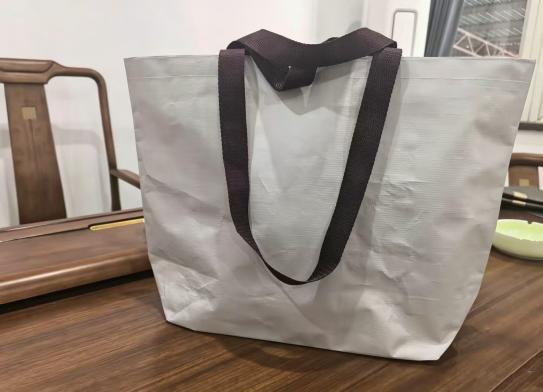
Their initial reference image showed a non-woven bag. As talks went on it became clear they wanted more than a basic giveaway item. What they needed was something durable and recyclable that showed a better balance between people and nature. After looking at different materials and builds, we suggested a PP woven shopping bag made with recycled content to cover both the practical and environmental sides.
Here we go through the full design process for these custom hotel tote bags—how the material was chosen, how the handles were built, and how certification fits into a more sustainable packaging solution.
Choosing the Bag Style
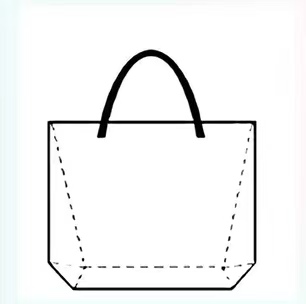
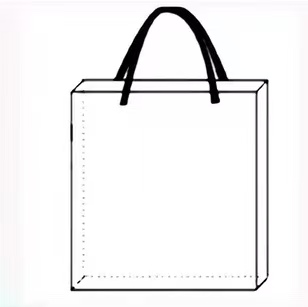

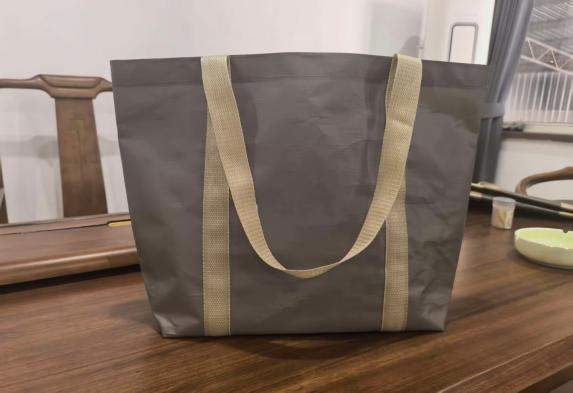
Three basic styles we offered: a bottom-gusset bag without side gussets, a bag with both bottom and side gussets, and a boat-shaped tote. To stay close to the reference image the hotel picked the first one.
This classic hotel bag shape gives plenty of room and a wide opening, so it works well for beach gear, towels, sunscreen and bottled water. The simple structure also leaves a clean area for the hotel logo, turning the bag into something guests can keep using during their stay and after they leave.
Choosing the Material for the Bag Body
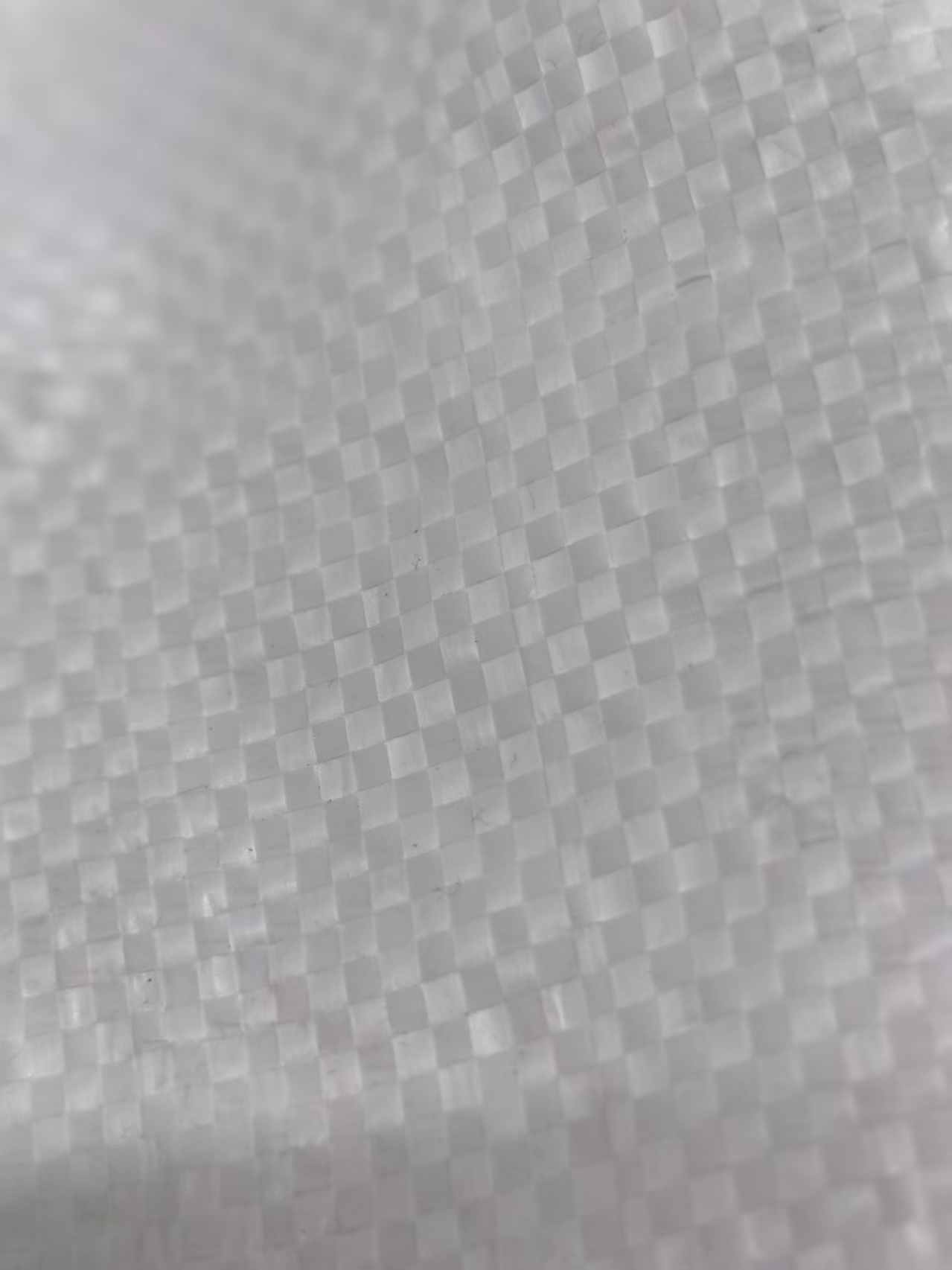
Picking the right material was one of the biggest decisions. Non-woven bags are common for promotions, but woven polypropylene brings different strengths when bags get used over and over, carry heavier loads and need to last longer.

| Comparison | Non-Woven Bag | PP Woven Shopping Bag |
|---|---|---|
| Durability | May stretch and lose shape under prolonged heavy loads. | Resists tearing and stretching; strong and durable. |
| Load Capacity | Suitable for lightweight items. | Suitable for beach essentials, towels and bottled water. |
| Water and Moisture Resistance | Usually water-repellent, but may absorb moisture and soften after prolonged exposure. | Resists moisture and can be wiped dry easily. |
| Environmental Impact and Recycling | Often made from petroleum-based synthetic fibers; recyclability depends on material and construction. | Can incorporate recycled PP and may be recyclable when the material and product design support recycling. |
After looking at the comparison and thinking about the island's humid air and how often the bags would be used, the hotel chose a GRS-certified woven bag made with recycled material. This GRS woven shopping bag gave them the strength they needed while supporting the aim of using traceable recycled content.
They also wanted to know how recycled polypropylene could make the product more sustainable. Recycled PP, or RPP, can be used in woven bags to cut down on virgin plastic. Anyone looking for an RPP woven shopping bag should check the recycled content, the full material mix, the certification and the real recycling options at the end of the bag's life.
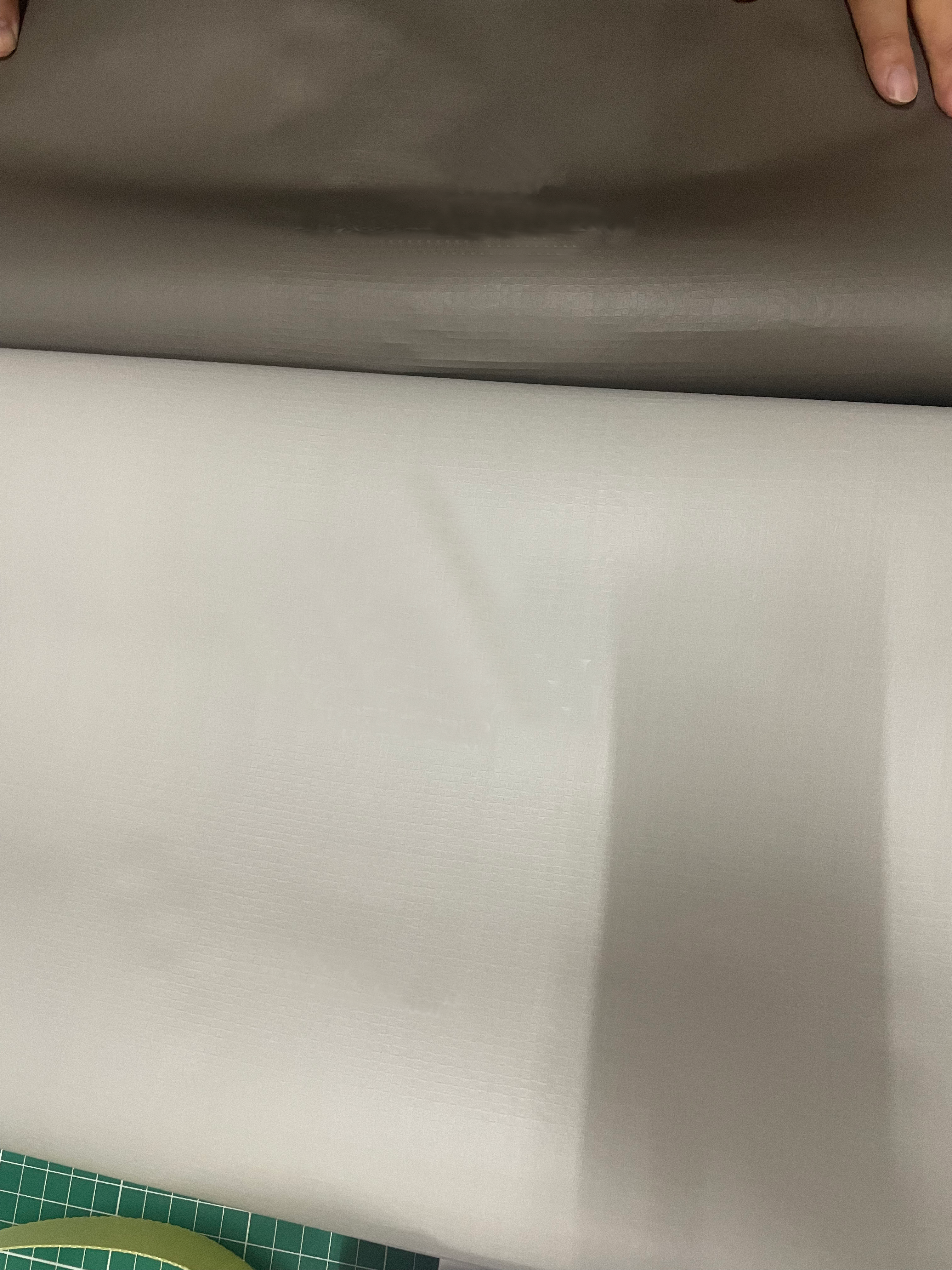
Confirming the Body Color of the GRS Woven Shopping Bag
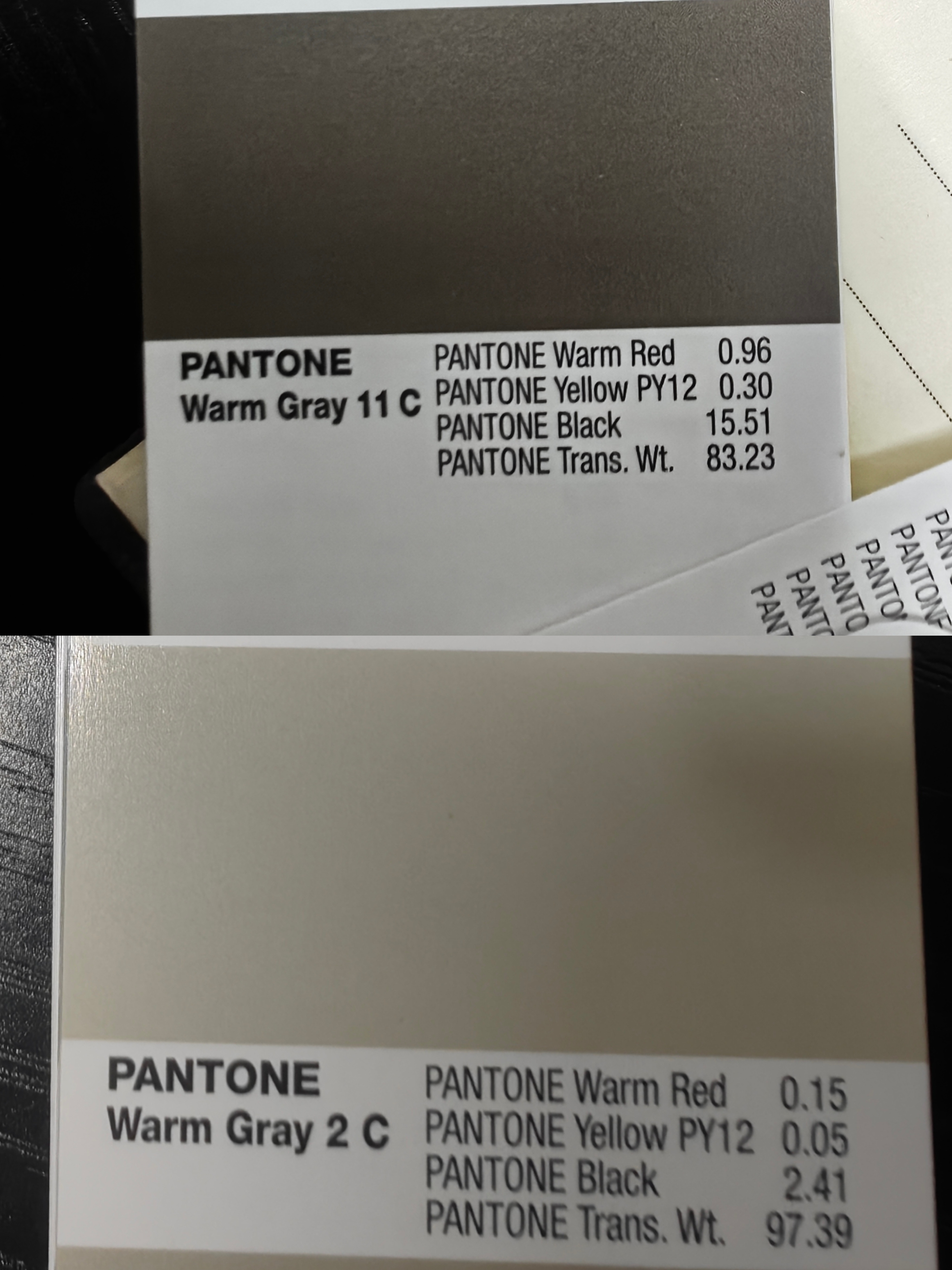
The hotel gave a Pantone color code for the body. A sample was made to match that color, then photographed and filmed in both natural light and indoor light. The pictures and videos were sent over for review until the color was signed off.
Getting the color right matters for hotel chains that want the reusable bags to match their brand. Confirming it before full production let the hotel check how the finished bags would look and lowered the chance of differences between the sample and the bulk order.
Choosing Handle Materials and Construction for GRS Woven Shopping Bags
Handles are one of the details that come up most when making a GRS woven shopping bag. Color gets attention, but the webbing material, the weave, how it feels, how much weight it can take and whether it can be recycled all affect how long the bag lasts and how it looks finished.
These points are usually walked through to help make a clear choice.
| Material | Feel | Load Capacity | Water Resistance | Recyclability | Applications |
|---|---|---|---|---|---|
| PP webbing | Firm and substantial | High | Good | Can support a more consistent PP material composition. | Eco-friendly hotel bags; heavy-duty bags. |
| Nylon webbing | Soft and comfortable | High | Good | Recycling depends on material composition and facilities. | Premium backpacks; specialty bags. |
| Polyester webbing | Soft and smooth | Relatively high | Good | Recycling depends on material composition and facilities. | Gift bags; promotional bags. |
| Cotton webbing | Comfortable and natural | Moderate | Lower than synthetic alternatives in humid conditions. | Natural fiber; biodegradability depends on treatments and conditions. | Light shopping bags; merchandise bags. |
For eco-friendly hotel bags, PP webbing is usually the recommendation. It can be made from recycled material just like the body, which helps keep the whole bag more consistent in composition.
When sourcing a GRS woven shopping bag, pairing compatible recycled PP webbing with recycled PP body fabric can make sorting and recycling simpler. Even so, whether the finished bag can actually be recycled still depends on the full build—printing, stitching and any extra parts.
Nylon and polyester feel soft and hold weight well, but whether they fit a recycling-focused project depends on the exact specs. Cotton feels natural, yet it may not hold up as well for heavy use in the island's humid conditions.
Comparing PP Webbing Weave Patterns
PP webbing also comes in different weave patterns, so appearance, strength and cost can be balanced.
| Weave | Features | Suitable Bags |
|---|---|---|
| Plain weave | Smooth surface; clear logo presentation. | Standard hotel bags; gift bags. |
| Twill weave | Textured construction with good durability. | Heavy-duty bags; bags for heavier items. |
| Herringbone weave | Distinctive texture and a refined appearance. | Mid-range to premium hotel bags. |
Confirming Handle Feel and Recyclability
Feel and recyclability are the last two points to settle.
PP webbing can vary a lot in thickness and stiffness. Thin webbing is softer on the shoulder but may give less support when the bag is heavy. Thicker webbing feels firmer and more solid, which suits beach gear and bottled water.
Different thicknesses are filmed side by side in the workshop so the differences can be seen from a distance before the final design is approved.
Recyclability mattered a lot to this island hotel. Since the body used recycled PP woven material, recycled PP webbing from the same family was the preferred handle choice. That keeps material separation simpler and supports the hotel's recycling aims.
GRS certification and transaction certificates (TCs), when they apply to the materials and the shipment, help document the recycled content and the chain of custody for the custom RPP woven shopping bag parts. The exact scope of the certification and which products it covers should be checked before any environmental claims are made.
Once the feel and material needs were settled, the webbing color cards were photographed and sent so the handles could be matched to the body color.
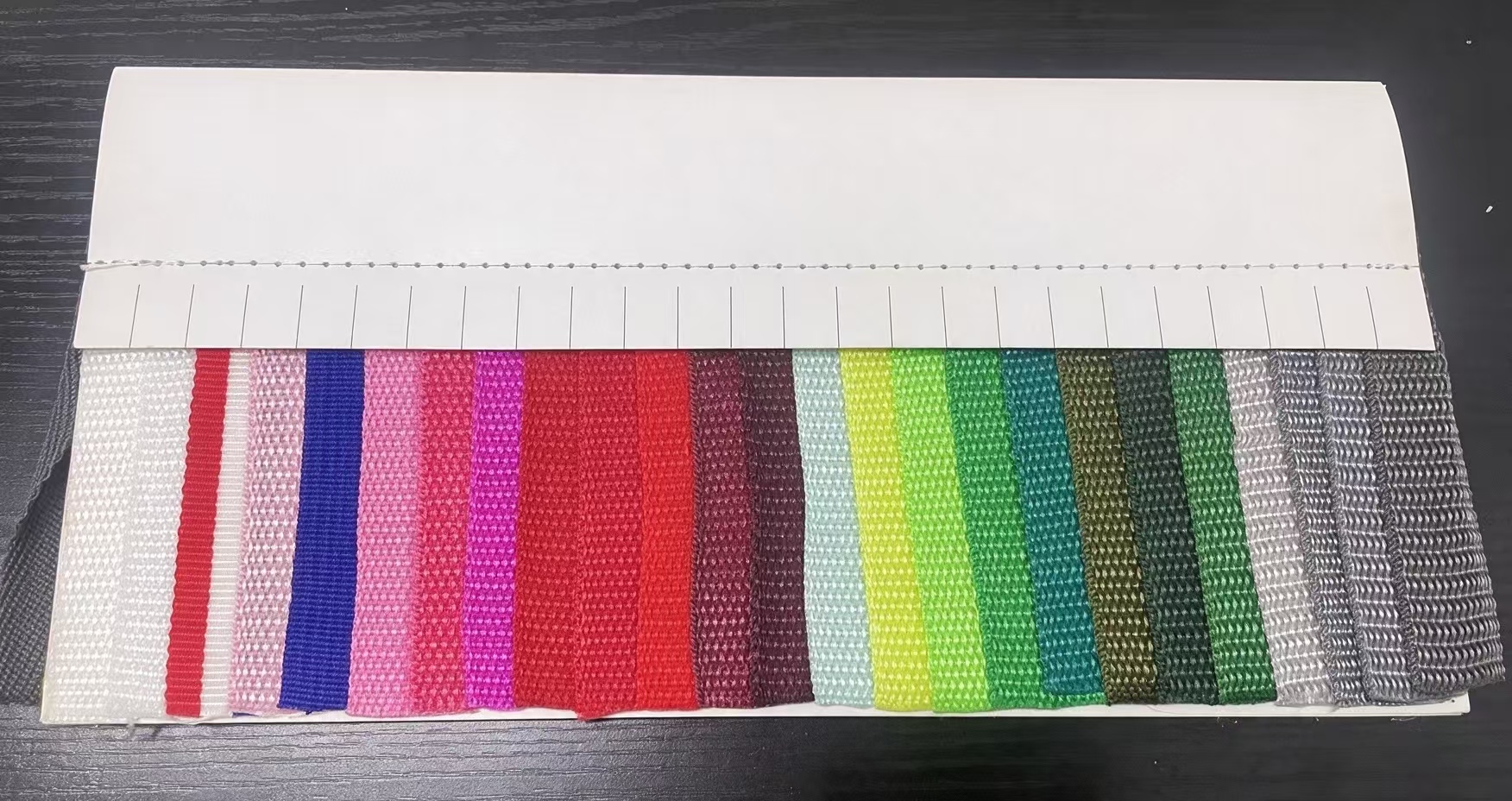
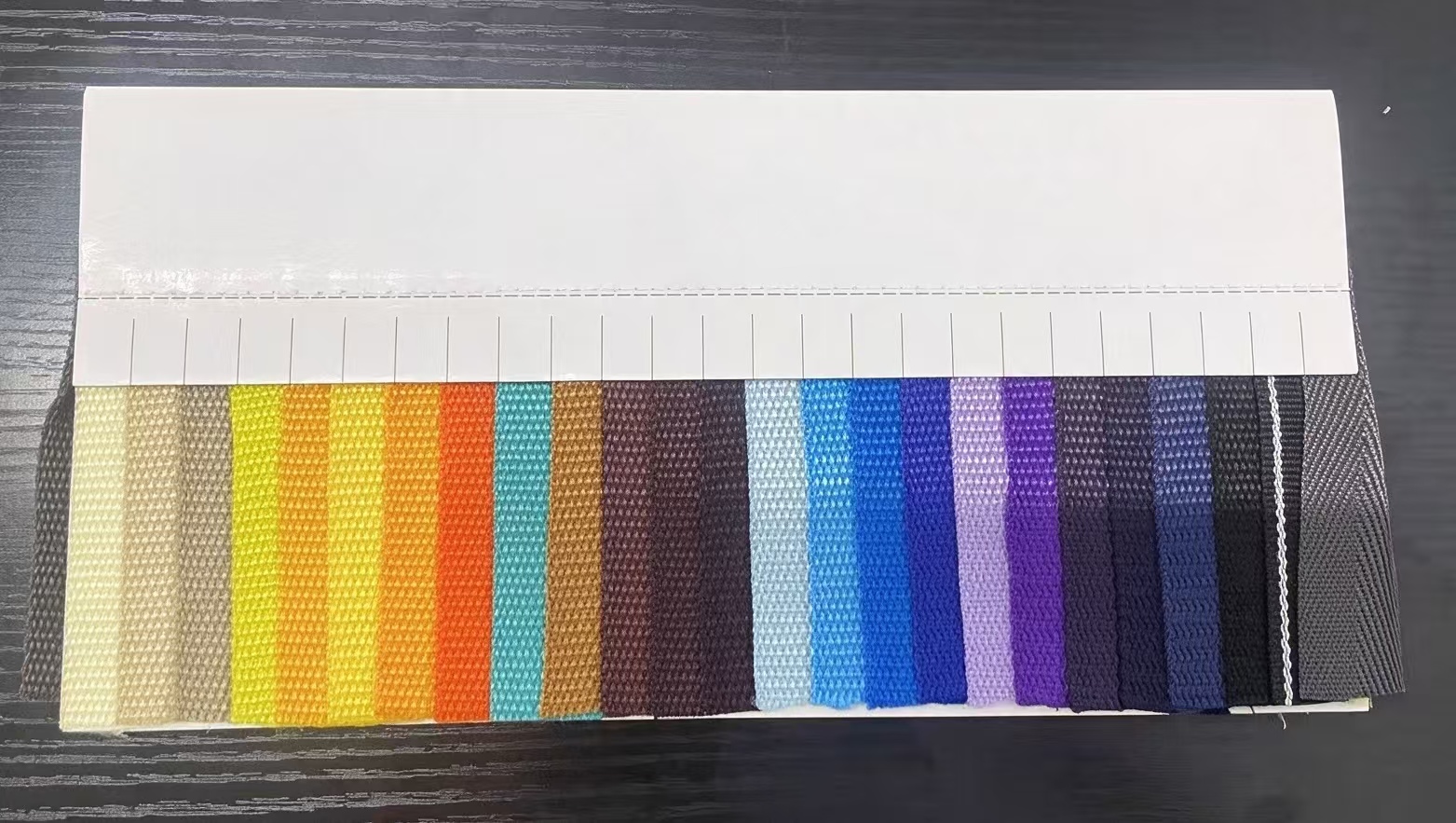
The pictures above show the handle webbing color options given to the hotel for the GRS woven shopping bags.
Handle Webbing Details for Two Custom PP Woven Shopping Bags
Two different hotel bags were needed, each with its own handle setup. Both options were explained first so a clear choice could be made.
Option 1: Two Pairs of Handles in Different Lengths
This version has two pairs of webbing handles—one short and one long—sewn to the same opening. The short ones are for carrying by hand; the long ones go over the shoulder.
Guests moving between the beach and the hotel can switch how they carry the bag without changing it. The mix also gives the hotel a more distinctive look. With the logo printed on the body, the finished bag feels like a proper reusable accessory rather than a plain shopping bag.
This handle layout suits hotel chains that value flexibility in carrying, brand presence and everyday convenience.
Option 2: Wraparound Handles
This version uses wraparound handle webbing. Instead of stopping at the opening, the webbing runs around the outside of the bag and under the base, linking the load points.
When designed properly, wraparound webbing spreads the weight better and takes stress off the individual handle attachment points.
In a normal bag, heavy loads put a lot of strain on the stitching where the handles join, which can loosen over time. Wraparound webbing spreads that load across more of the bag, making it practical for beach gear, bottled water and other heavier items.
For regular use in island hotels this build can give better durability when the webbing, stitching and body are specified correctly. It is worth looking at for anyone needing a solid bag for repeated guest use.
At first the hotel was not sure which to pick. Both options were filmed in the workshop—comparing thickness and feel, and lifting bags filled with heavy items to show how each carried the load.
After watching the videos the design was confirmed.
GRS Certification and Transaction Certificates
Environmental claims need more than words, especially for island hotels that care about certification and traceability.
GRS certification is held and transaction certificates (TCs) can be supplied for qualifying shipments within the relevant scope. The Global Recycled Standard (GRS) is an international standard that covers recycled content, chain of custody and related processing rules.
A transaction certificate gives shipment-specific paperwork for products covered by the system. Anyone sourcing a GRS woven shopping bag should check the certificate details to confirm which materials and products are included.
For this hotel project, recycled PP body fabric and matching recycled PP woven handle webbing were chosen to support the sustainability goals. The right certificates help the hotel back up its recycled-material sourcing and talk about its environmental efforts more clearly.
A certified recycled-content product does not automatically mean every part can be recycled everywhere. Local recycling facilities, the full mix of materials, printing and any extra components should also be considered when looking at end-of-life options.
How to Choose the Right Recycled PP Woven Shopping Bag
When deciding between non-woven bags and woven PP bags for a hotel, the real question is how guests will actually use them.
A standard non-woven bag may be enough for light promotional items. For hotels that need stronger bags for beach gear, frequent handling and repeated use, a PP woven shopping bag can give a better build.
If recycled content and supply-chain paperwork matter, a GRS woven shopping bag offers a route for projects that need certified recycled materials, within the applicable certification scope.
For anyone specifically looking for an RPP woven shopping bag, the key points to check are:
- Recycled material content: Confirm the recycled PP content in the body fabric and handles.
- Durability: Look at the bag size, fabric construction, stitching and expected load.
- Handle design: Choose short and long handles for carrying flexibility or wraparound webbing for better load distribution.
- Color and branding: Confirm Pantone colors, logo printing and sample look before production.
- Certification: Check the GRS certification scope and any applicable transaction certificates.
- Recycling considerations: Review the full material mix and local recycling options.
For this Spanish island hotel chain the final design brought together a practical tote shape, recycled PP woven fabric, coordinated webbing and documented recycled-material sourcing. The result was a custom hotel bag built for repeated use while reflecting the hotel's environmental priorities.
Custom bags are available for hotel chains, retailers and promotional projects. From material choice and color matching to handle construction and certification paperwork, solutions can be developed that fit both the functional needs and the sustainability goals.
Anyone looking for a recyclable, eco-conscious woven bag solution for a hotel or business can get in touch to talk through specifications and customization requirements.




-
 +86-17757792457
+86-15868461338 -
 +8617757792457
-
 [email protected]
 -
 Guidé Village, Chuiyang, Aojiang Town, Pingyang County, Wenzhou City, Zhejiang Province, China
Copyright ©Zhejiang Hongyang Packaging Co., Ltd.


