


 Guidé Village, Chuiyang, Aojiang Town, Pingyang County, Wenzhou City, Zhejiang Province, China

 English
 Español
 عربى
عربى 中文简体
中文简体
What Makes Laminated Woven Bags Suitable for Powders
Date:Oct 09, 2026
Anyone who's ever opened a bag of flour and watched a small cloud drift up into the air knows exactly why powdered products give packaging engineers headaches. A bag might look perfectly simple sitting empty on a shelf, but the moment fine material starts moving through filling, storage, and transport, everything gets more complicated. Small particles work their way around openings, drift toward seams, and settle across inner surfaces in ways a chunkier product never would, and moisture becomes a real concern for anything that needs to stay dry through a long warehouse stay.
This is exactly where laminated woven bags have carved out a real place in bulk packaging. They combine a woven bag structure with an added outer layer, and that extra surface changes how the package handles printing, surface contact, and exposure to whatever environment it sits in.
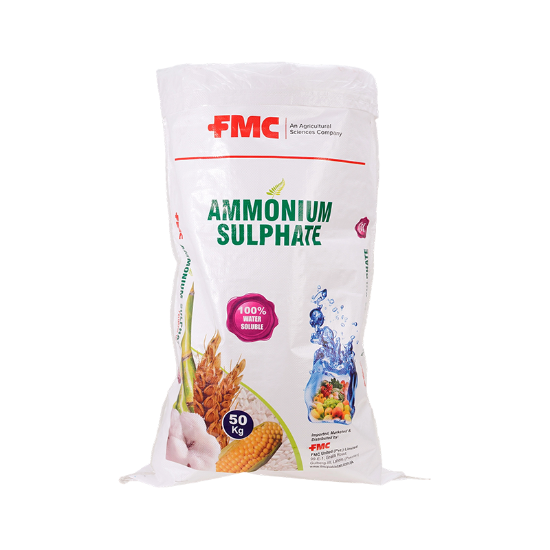
The reason for choosing this packaging type isn't identical across every product. Powdered food ingredients carry different needs than chemical raw materials, agricultural products behave differently again, and granules often call for a different approach than genuinely fine powders.
The real question worth asking isn't whether laminated woven bags suit every single product on the market. It's how their particular construction supports the specific requirements a given product has during filling, handling, storage, and transportation.
Why Are Powdered Products More Difficult to Package?
Powders behave quite differently from many other larger bulk products moving through the same warehouse. Fine particles work their way into small gaps and spread across surfaces during both filling and handling, so a package that performs well for a coarser granular product may need real adjustments once the contents turn finer.
The filling process itself can shape the bag's final form in ways that aren't obvious until it happens. Some powders settle quickly the moment they enter the package, while others stay mobile and shift noticeably whenever the bag gets moved, and that mobility changes how the package actually sits once it's in storage.
Moisture adds another layer of concern to think through. Certain powdered products react badly to humid conditions, forming lumps or becoming genuinely difficult to handle once unwanted moisture gets in, and while packaging can't control every storage condition a warehouse throws at it, the bag's structure still plays a real role in limiting direct exposure at the surface.
Food ingredients offer a familiar example of this in action. Flour, starches, powdered seasonings, and other dry ingredients often need packaging that supports clean handling and clear product identification, while chemical raw materials carry their own separate set of storage and transport requirements entirely.
Agricultural products vary just as widely across the board. Powdered fertilizers and related agricultural materials often sit in warehouses for a while before heading out to their next destination, so their packaging needs to stay practical through that whole stretch of movement.
These differences are exactly why product-specific packaging decisions matter so much in practice.
How Does Lamination Change a Woven Bag?
A laminated woven bag starts from a familiar woven fabric structure and adds another layer directly onto its surface. The result looks and behaves differently from an uncoated woven bag because the outer face now presents a far more continuous, unbroken surface.
This change serves several practical purposes at once rather than just one. The outer layer adds an extra level of surface protection, and it also creates a genuinely suitable surface for printed information, product identification, handling instructions, or graphics whenever a business actually needs those things.
For powdered products specifically, the surface matters a great deal during everyday handling. Fine particles settle onto exposed woven fabric more readily than they do onto a smoother laminated layer, so that added surface changes how the whole package interacts with dust and whatever environment surrounds it.
None of this means lamination alone solves every packaging problem a business runs into. The bag still needs an appropriate body, a suitable closure, well-matched seams, and a filling method that actually fits the product, since the contents inside carry a major influence over the final result regardless of the outer layer.
The construction really needs viewing as one complete package rather than a single feature solving everything on its own. This point matters especially for laminated PP woven bags, where the woven polypropylene structure forms the main body while the laminated surface adds a genuinely separate layer to the finished product.
The design can flex according to the intended application rather than treating every product the same way regardless of what it actually needs.
Can Laminated Woven Bags Help With Powder Containment?
Powder containment sits near the top of the list of practical concerns whenever fine products get packed into bags. Powder moves differently from larger particles in almost every stage, and during filling, some material can turn airborne while during handling, particles work their way toward openings and seams.
The bag's overall construction becomes genuinely important at exactly these moments. The body of the package needs to hold the product securely, the seams need to suit the actual intended use, the opening needs to work smoothly with the filling process, and the closing method needs to produce a properly finished package once everything's done.
A laminated outer surface can support the package by creating a more continuous exterior surface overall. It shouldn't get treated, though, as some kind of substitute for genuinely suitable bag construction or a proper closure method.
This distinction matters because powder leakage rarely traces back to just one single source every time. A poorly matched filling process can create real problems even when the bag material itself is perfectly suitable, an unsuitable closure can affect containment just as much, and product movement during transportation adds yet another layer of challenges on top.
For this reason, buyers looking for powder packaging bags do well to discuss the complete packaging process rather than asking only about the outer material in isolation. The type of powder, the filling method, the handling process, and the storage environment all genuinely belong in the same conversation from the start.
How Does the Bag Shape Change After Filling?
An empty bag only gives half the picture of how it'll actually behave once it's put to real use. Once filled, the product pushes outward against the fabric and creates the actual working shape the package will carry through the rest of its journey.
Powders settle into different patterns depending on their own characteristics and the specific filling process used. Some spread out evenly across the base, while others settle toward the center or lower section of the bag, and either pattern changes how the package stands and how it interacts with neighboring bags nearby.
Bag dimensions therefore need matching to the intended product and storage arrangement from the outset. A shape that performs well for one application won't necessarily produce the same result once a different product goes inside it.
The bottom structure carries real weight in this too. A suitable base helps the filled package sit in a genuinely predictable position, while the upper section and side panels shape how the bag fits against whatever packages sit right beside it.
These details become especially relevant once powdered products get stored in stacked arrangements across a warehouse floor. A bag that changes shape significantly after filling can end up occupying more space than expected, which then influences the position of every bag sitting around it.
This is exactly why packaging development should consider the filled bag directly, rather than judging everything from the empty bag alone. For manufacturers producing custom PP woven bags, the filling process becomes a genuinely important part of the whole design conversation, since the final package needs to reflect how the product will actually get packed and stored in practice.
How Do Laminated Woven Bags Work With Granules and Other Bulk Products?
Laminated woven bags are used for more than fine powders, even though powders are often the application that comes to mind. They work just as well for products with larger particles, including agricultural materials and a wide range of other bulk goods moving through similar supply chains.
Granules tend to move differently from powders during handling and processing. They're often easier to contain during filling, but their weight distribution can still shape the bag noticeably as it settles into its final form.
Agricultural products such as fertilizer and various soil-related materials get packaged in woven structures regularly, precisely because the bags need to handle filling, movement, warehouse storage, and distribution all in one continuous cycle. Chemical raw materials bring their own separate considerations into the picture, since the packaging needs to match the actual nature of the product and the conditions it'll face during storage and transport, not just how it looks sitting on a shelf.
Food ingredients call for their own careful assessment too. A package used for flour or similar dry ingredients needs to suit the product's handling process along with whatever packaging requirements apply to that particular market.
This whole range of applications shows why laminated woven bags are better understood as a packaging format rather than some single-purpose product built for one job alone. The same basic woven structure can support very different bag designs depending on what's actually being packed and how that package needs to move through the supply chain ahead of it.
How Can the Outer Surface Support Product Identification?
Packaging does a lot more than simply hold a product in place during its journey. It also communicates clearly what's actually inside, which matters more than people often realize until they're standing in a crowded warehouse aisle.
For bulk powders and granules specifically, printed information helps warehouse workers identify products quickly during storage and handling. Clear identification also cuts down on confusion whenever several similar-looking packages sit stacked in the same general area.
A laminated surface offers a far more consistent area for printing than raw woven fabric ever could. That consistency proves genuinely useful for product names, handling information, storage instructions, or any other packaging content a business needs to display clearly.
The real value of printed packaging shifts depending on the specific application involved. A chemical raw material often needs clear handling information printed prominently, an agricultural product may need product identification alongside usage information, and a food ingredient may need entirely different information depending on its intended market and applicable packaging rules.
Printing should therefore get considered as a genuine part of the packaging's function, not simply treated as a decorative afterthought. This is exactly why BOPP laminated woven bags show up in applications where printed appearance and practical packaging performance need to work together seamlessly.
The printed outer surface supports product recognition on a busy shelf while the woven structure underneath continues doing the physical work of holding everything together.
How Do Storage and Transportation Affect Powder Packaging?
A bag doesn't stay put in one location after filling wraps up. It typically moves from the packing area to a warehouse, from that warehouse to a loading dock, and then through another stage of distribution entirely before it reaches its final destination.
Each of these movements leaves its mark on the package in some way. During storage, filled bags often get stacked or placed on pallets, and the shape each individual bag holds influences how it makes contact with the bags sitting right around it, particularly if the product inside has settled unevenly.
Transportation introduces its own kind of movement into the mix. Bags shift around during loading, unloading, and general movement between different storage areas, so the packaging needs to accommodate that normal handling process without creating unnecessary difficulties for the people managing it.
Moisture becomes relevant again during both storage and transportation, sometimes more than people expect. The outer laminated layer adds an extra surface sitting between the woven fabric and the surrounding environment, though the actual level of protection it provides still depends heavily on the complete package design and the specific storage conditions involved.
This matters especially for powdered products that genuinely need to stay dry throughout their entire journey. Packaging, in the end, really needs consideration alongside the whole supply chain rather than as a standalone decision made in isolation, since a bag that performs beautifully during filling still has to fit smoothly into the warehouse and transportation process waiting for it next.
What Should Buyers Consider When Choosing Laminated Woven Bags for Powder?
Choosing the right bag for powdered products involves a lot more than simply picking a material name off a supplier's list. The packaging genuinely needs to match both the product itself and the way that package will actually be handled once it leaves the filling line.
Buyers can start working through this with a handful of practical questions before placing any order.
| Packaging Factor | Question to Consider |
|---|---|
| Product type | Is the product a fine powder, granule, or another bulk material? |
| Filling process | How will the product actually enter the bag? |
| Bag shape | What shape will the package take once it's filled? |
| Bottom structure | How will the filled bag sit on the storage surface? |
| Closure | How will the package get closed after filling? |
| Surface | Would an outer laminated layer genuinely suit this application? |
| Printing | Does the package need clear, visible product identification? |
| Storage | Will the bags be stacked, palletized, or stored individually? |
| Transportation | How will the filled bags actually be moved from place to place? |
These same questions can also make communication with a Laminated Woven Bag Manufacturer more productive from the start and throughout the discussion. Instead of requesting a generic woven bag off a catalog, buyers can walk through the specific product and its intended use in real detail.
The manufacturer can then think through the bag structure, surface treatment, printing requirements, closure method, and production process together as one connected decision rather than separate boxes to check. For companies producing bags internally, PP woven fabric can also be purchased in roll form and converted into different packaging formats on their own equipment, giving manufacturers a lot more control over bag production and printed packaging requirements alike.
The finished product still needs proper assessment as one complete bag once conversion wraps up, regardless of how the raw material performed on paper. For powdered products specifically, the relationship connecting the fabric, the outer surface, the filling process, the closure, the bag shape, the storage method, and the transportation route all together determines how genuinely useful the final package turns out to be in daily operations.
A laminated woven bag, in the end, isn't simply a woven bag with an extra surface tacked on for looks. Its real value comes from how that whole structure fits the specific product and the packaging cycle surrounding it, day after day, shipment after shipment.




-
 +86-17757792457
+86-15868461338 -
 +8617757792457
-
 [email protected]
[email protected] -
 Guidé Village, Chuiyang, Aojiang Town, Pingyang County, Wenzhou City, Zhejiang Province, China
Copyright ©Zhejiang Hongyang Packaging Co., Ltd.



