


 English
 Español
 عربى
عربى 中文简体
中文简体
Understanding PP Woven Bags: Materials, Types, Applications, and Industry Insights
PP woven packaging has become one of the most widely used solutions in global packaging markets, especially across agriculture, retail, construction, and industrial logistics.
Its popularity comes from a practical balance between strength, cost efficiency, and production scalability that many other materials simply cannot match.
In real supply chains, PP woven fabric usually serves as the starting point for lots of different products. It gets turned into basic sacks, laminated bags, or nice shopping bags for stores. The same material gets tweaked depending on what people actually need - some versions are built to carry heavy loads all day, while others focus more on looking good, showing off a brand, or making things easy for regular customers.
These different versions are not the same at all. A cement factory needs something totally different from what a supermarket or a pet food company wants. That' s why material engineers and designers have to work together to create the right bag for each specific job instead of trying to make one type fit everything.
When you look at how each kind actually performs in real life - during long transport, sitting in storage, sitting on store shelves, or carrying a brand message - it becomes obvious why PP woven products keep dominating the market even as newer materials keep trying to compete.
What Is PP Woven Fabric?
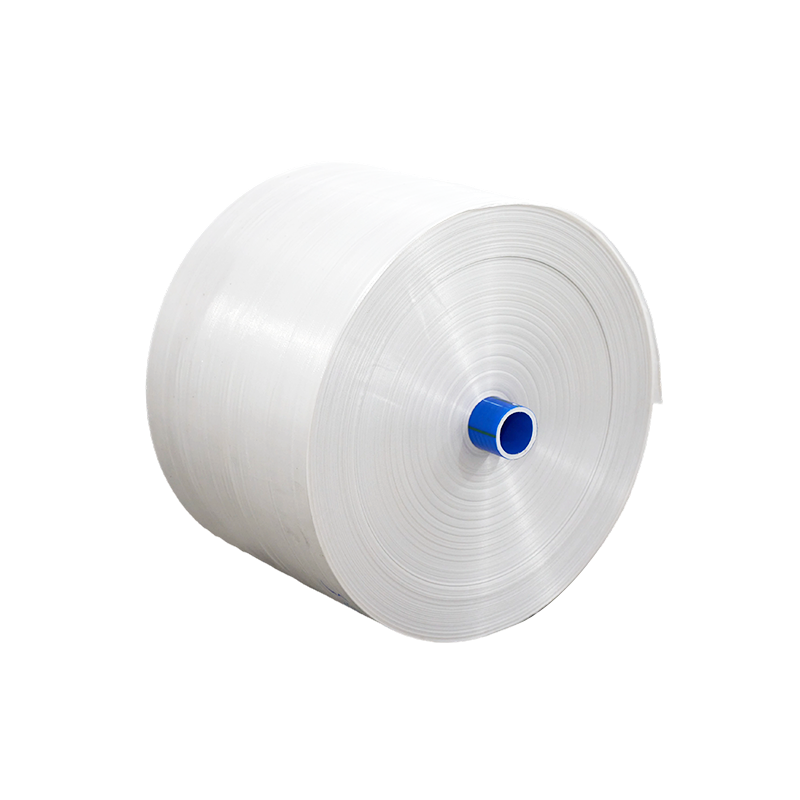
PP woven fabric is basically the main stuff used to make most of those woven bags you see everywhere. They take polypropylene, melt it, squeeze it into thin flat tapes, and weave them together like a crisscross pattern.
That weaving makes the fabric light but crazy strong at the same time. It' s perfect for holding heavy loads or big piles of stuff without breaking.
The good things about it are:
- Really high strength and doesn' t tear easily
- Light weight but still tough
- Handles some moisture okay
- You can reuse it and recycle it
- Super cheap when making tons of them
Unlike normal paper or those thin plastic films, this fabric is made to take a beating over and over. That' s why you see it used so much in places where bags get thrown around in trucks, stacked up high, or shipped long distances. In farming and big industrial stuff, it' s pretty much the foundation for a lot of bulk packaging.
What Is a PP Woven Bag?
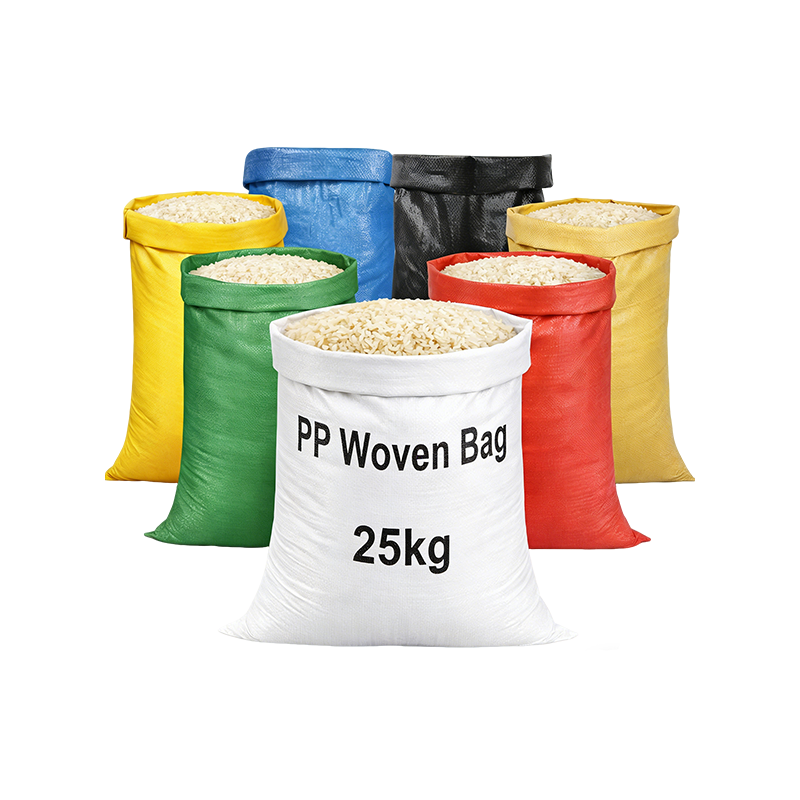
A PP woven bag is just the finished bag made out of that woven fabric. They cut the fabric, sew it up, and shape it into sacks or flatter bags depending on what it' s going to hold.
These are the bags you see packed with rice, flour, animal feed, fertilizer, cement, sand, chemicals - all kinds of bulk stuff.
The main points about them:
- Can carry really heavy loads
- Hard to tear or poke holes in
- Great for tough transport
- Come in all different sizes and thicknesses
- You can print logos or info on them
Because they' re so versatile, they became the standard choice in tons of industries. Most people pick them over paper bags or weak plastic ones since they last longer and you can actually reuse them. In many countries, people also think they' re a better option because you can use the same bag multiple times before throwing it away for recycling.
Laminated Woven Bag: Enhanced Protection for Demanding Use
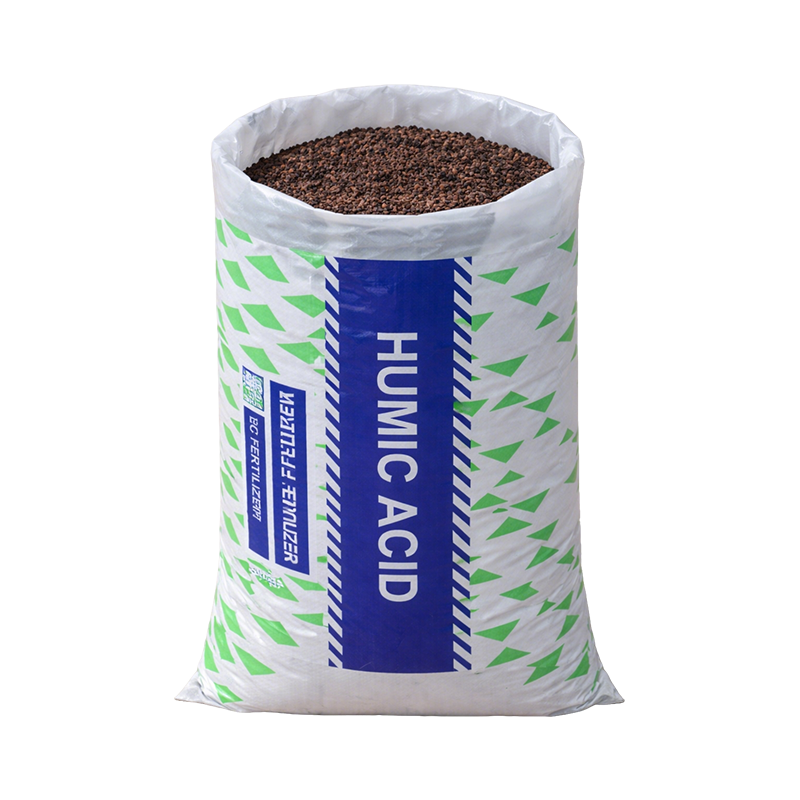
A laminated woven bag is basically an upgraded version of the regular PP woven bag. They add a layer of BOPP film or PE coating on the surface of the woven fabric.
This extra layer makes the bag much better at blocking moisture, oil, and dust. It also lets them print much sharper and nicer looking designs on it.
Main advantages:
- Stronger protection against humidity and outside damage
- High-quality printing for brands
- Looks way better on shelves
- Good for retail packs and export shipments
- Keeps sensitive stuff fresh longer
Because it looks good and actually protects better, laminated woven bags are used a lot for food, pet food, agricultural products, and anything that needs to sit on store shelves. In export markets, a lot of companies prefer this type because it' s tough like industrial bags but looks clean and professional enough for regular customers.
Woven Shopping Bag: From Industrial Use to Retail Market
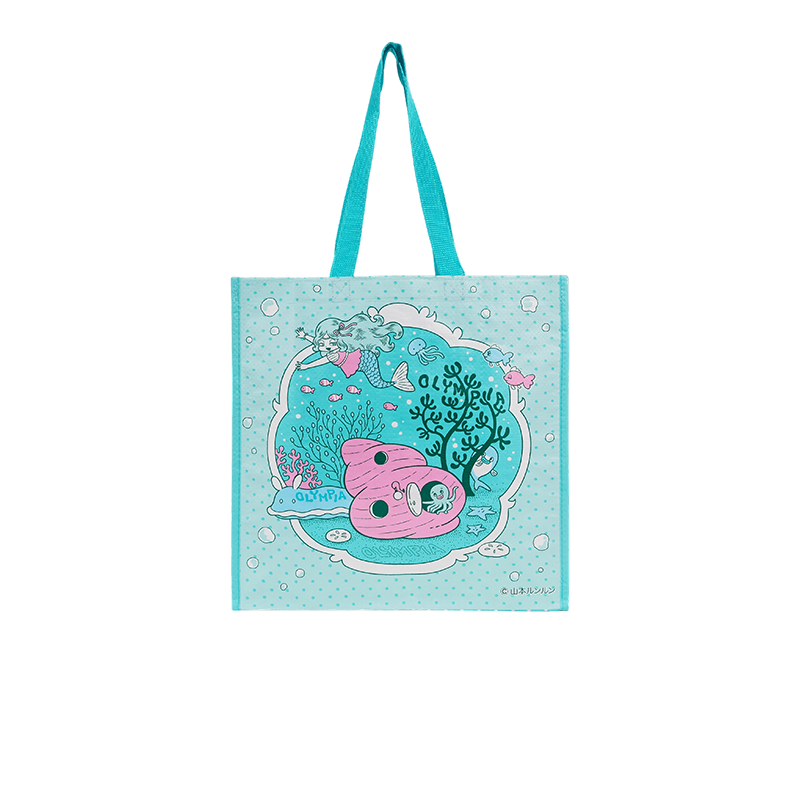
Woven shopping bags are the more customer-friendly version of PP woven fabric. Unlike those heavy industrial sacks, these are made for everyday shopping, branding, and promotions.
Key features:
- Reusable and more eco-friendly feeling
- Light but strong enough for daily use
- Can be printed with custom brand designs
- Easy to fold and carry around
- Perfect for supermarkets, events, and giveaways
In the last ten years, these bags got really popular in Europe and North America because of the bans on single-use plastic bags. Stores now use them as part of their green image and marketing. They' re not just bags - they actually work as walking advertisements for the brand.
Kraft Paper Laminated PP Woven Bag: Hybrid Packaging Solution
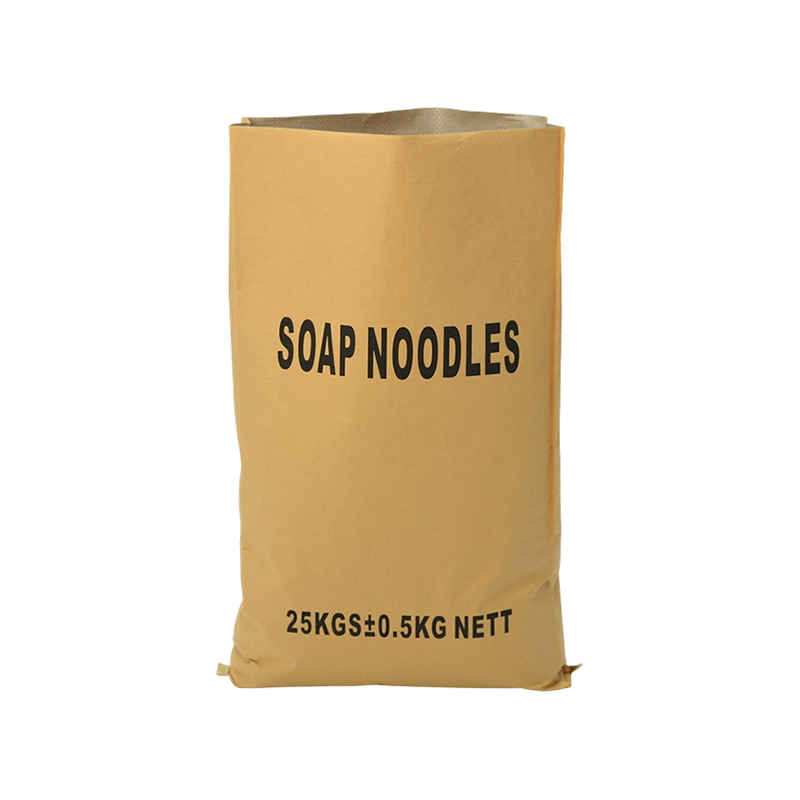
The kraft paper laminated PP woven bag is a hybrid type that mixes the toughness of woven polypropylene with the natural, brown paper look of kraft.
This style is popular for premium products where companies want both real strength and a more natural, eco-friendly appearance.
Main features:
- Outer kraft paper layer for that natural look
- Inner PP woven fabric for strong structure
- Prints really well for branding
- High resistance to tearing and bursting
- Great for high-end packaging
You see this type a lot with pet food, organic products, seeds, fertilizers, and specialty goods. It gives a more expensive and natural feeling while still being tough enough for real use. It' s a good middle ground between heavy industrial bags and nice consumer packaging.
Comparative Analysis of Different Woven Packaging Types
Understanding the differences between all these PP woven products is really important if you want to pick the right one for the job.
Here' s a simple material comparison:
| Product Type | Strength | Appearance | Moisture Protection | Typical Use |
|---|---|---|---|---|
| PP Woven Fabric | High | Basic | Low | Base material |
| PP Woven Bag | High | Standard | Medium | Industrial packaging |
| Laminated Woven Bag | Higher | Premium | High | Export & retail |
| Woven Shopping Bag | Medium | Decorative | Medium | Retail & promotion |
| Kraft Paper Laminated Bag | High | Natural premium | High | Premium consumer goods |
Each type is made for different markets. Picking the right one comes down to how much it costs, what kind of branding you need, and how sensitive the product inside is.
Application Scenarios Across Industries
PP woven packaging gets used in all kinds of industries because it' s flexible and cheap to make.
Agriculture: You see it everywhere packing rice, wheat, corn, seeds, and fertilizer. Strength and decent moisture resistance are the big things that matter here.
Construction: Cement, sand, and gravel usually go into heavy-duty woven bags that can handle rough transport and stacking on sites.
Retail: Woven shopping bags and laminated versions are popular for brand visibility and reusable shopping bags.
Food Industry: Laminated and kraft paper laminated bags are commonly used for pet food, grains, and other dry food products.
Chemical Industry: PP woven bags handle powders, granules, and industrial chemicals that need safe and secure containment.
Why PP Woven Packaging Remains Globally Popular
Even with new packaging materials popping up, PP woven stuff is still the king in most global markets. It just gives the best mix of performance and price.
Main reasons people keep using it:
- Lasts a long time and is very durable
- Much cheaper to produce than most alternatives
- Easy to customize in different ways
- Works well with automatic filling machines
- Available everywhere in global supply chains
For many businesses, switching to something else just doesn' t make financial sense because these bags have already proven they work reliably at scale.
Sustainability and Market Trends
These days everyone is pushing for more recyclable and environmentally friendly packaging. PP woven materials are slowly catching up to these demands.
Recycling systems for polypropylene are getting better, and lots of factories are now making more reusable shopping bags and lighter designs. At the same time, laminated and hybrid bags are being improved to offer good performance while looking more eco-friendly for branding.
The Role of PP Woven Packaging in Modern Industry
From basic PP woven fabric all the way to fancy laminated and hybrid bags, this whole category keeps changing to match what the market needs. Whether it' s for moving heavy industrial goods, building brand image in retail, or packaging consumer products, woven packaging is still one of the most flexible options out there.
Its combination of real strength, flexibility, and low cost means PP woven packaging will keep playing a major role in global logistics and retail supply chains for a long time.