


 Guidé Village, Chuiyang, Aojiang Town, Pingyang County, Wenzhou City, Zhejiang Province, China

 English
 Español
 عربى
 中文简体

Can Woven Polypropylene Bags Be Used for Food Packaging
Date:Oct 30, 2026
Picking packaging for grains and other agricultural products needs careful attention to material compatibility, bag construction, cleanliness and moisture control. Woven polypropylene bags show up often for dry bulk materials, including grains, when the specifications match the intended use. Common applications cover rice, wheat, corn and other cereal grains. Material suitability, fabric strength, seam integrity and storage practices all influence how well the bags perform during filling, handling and warehouse storage. Woven Polypropylene Bags Wholesale configurations support bulk grain packaging when the design lines up with the product and the handling conditions.
Practical Reasons Woven Polypropylene Fabric Works for Grain Bags
The fabric stays light enough for easy handling yet strong enough to support filling, lifting, stacking and transport when the weave and stitching are right. The interlaced structure spreads tension and helps the bag hold its shape under ordinary loads. Ordinary woven fabric lets air pass through the openings between tapes, which can matter for dry grains stored under controlled conditions. Different bag dimensions and fabric specifications fit varying grain quantities and packaging equipment. The combination of low weight and structural stability makes the fabric practical for repeated handling cycles without adding unnecessary bulk to each load.
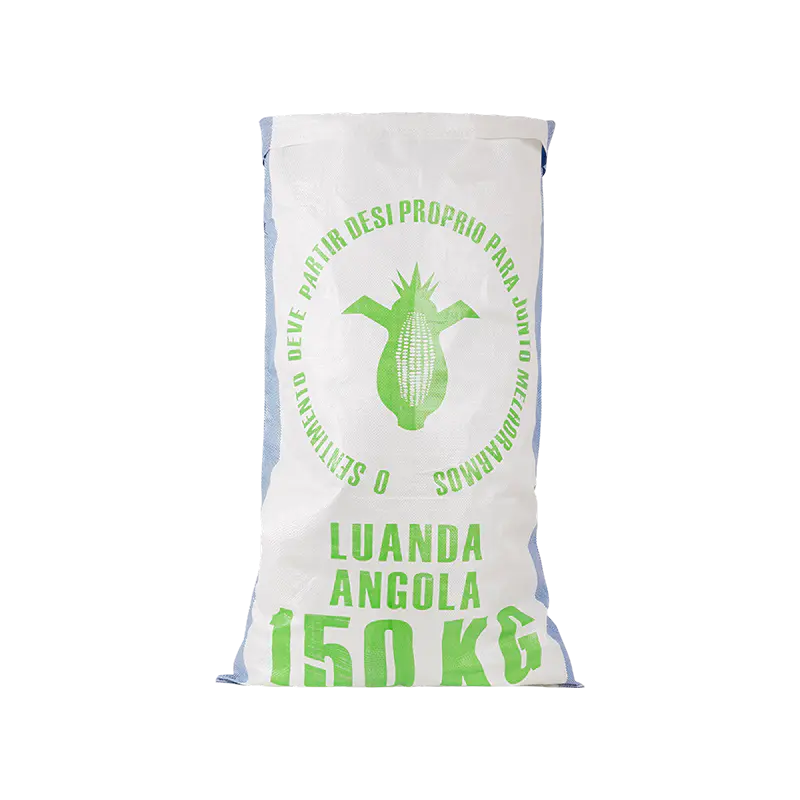
Grain Types Commonly Packaged in These Bags
Dry rice travels in woven bags from processing points to distribution points. Wheat moves through collection stages, storage periods and bulk transport in similar constructions. Dry corn kernels find containment for storage and onward movement. Barley, sorghum and other dry cereal grains can also use the bags when the fabric weight, dimensions and seam design match the fill weight and handling method. Each grain type still needs attention to moisture content before packing and to the storage environment afterward. The same basic bag structure adapts across these commodities because the dry nature of the contents reduces the need for specialized barrier layers in many ordinary storage settings.
Protection Provided During Storage and Movement
Appropriate fabric strength and stitching cut the chance of tears during loading, unloading and transport. The woven construction contains dry grains under ordinary handling. Moisture management stays critical: dry grains need dry packing and storage conditions, and ordinary woven fabric should not be treated as a waterproof barrier. Consistent fill levels, suitable bag dimensions and stable stacking practices support efficient warehouse operations and reduce the risk of bag deformation. Proper filling avoids over-stressing seams while under-filling can lead to shifting loads that abrade the fabric during movement.
Selection Factors for Food-Related Grain Packaging
Material suitability must be confirmed for any food-contact application, including coatings, inks or other components where requirements apply. Fabric weight, weaving consistency and overall construction quality affect performance. Bag size and load capacity are matched to grain type, fill weight and handling method. Cleanliness during manufacture, storage and handling keeps contamination risks low. Some applications need an inner liner, a laminated surface or another barrier layer depending on moisture sensitivity and storage duration. Checking these elements together prevents mismatches between the bag and the actual duty cycle.
Role of Inner Liners and Surface Treatments
Unlined woven fabric is often used for suitable dry grain packaging, yet the openings between tapes let air and moisture vapor pass. A liner can add a barrier against moisture or contamination when the liner material and sealing method are right. Lamination cuts moisture movement through the fabric surface, though seams and closures still influence overall protection. The final construction is matched to grain moisture levels, expected storage time, transport conditions and packaging requirements. Choosing between unlined, lined or laminated versions depends on how long the grain will sit in storage and how much humidity the surrounding environment carries.
Storage Practices That Support Bag Performance
Grains are brought to an appropriate moisture level before packing. Filled bags stay in clean, dry warehouses and are kept clear of rain, leaks and damp floors. Stacking stays stable, with space left for inspection and handling. Regular checks look for tears, damaged seams, moisture exposure and signs of contamination. Storage temperature, humidity and ventilation are adjusted according to the grain type and the planned storage period. Good warehouse practices extend the useful life of both the grain and the bags that hold it.
Customization Options for Grain Packaging Needs
Bag length and width can be selected according to packaging weight and filling equipment. Fabric weight, construction and stitching are chosen to match different grain quantities. Printing can include grain type, net weight, handling instructions and business identification when requirements allow. Optional liners or coatings are considered when extra moisture protection is needed. Samples, specifications, quality requirements and delivery schedules are confirmed before wholesale quantities are ordered. Custom Woven Polypropylene Bags configurations allow these adjustments to line up with specific grain packaging demands. The ability to adjust dimensions and construction details helps keep packaging consistent across successive production runs.
Overview of Grain Packaging Considerations
| Grain Type | Typical Packaging Focus | Key Bag Considerations |
|---|---|---|
| Rice | Dry distribution and storage | Fabric strength, cleanliness, consistent fill |
| Wheat | Collection, storage, bulk transport | Load capacity, seam integrity, stacking stability |
| Corn | Kernel storage and movement | Moisture control, abrasion resistance |
| Other cereals | Dry bulk handling | Dimension match, fabric weight, handling method |
| General dry grains | Warehouse and transport efficiency | Dry conditions, regular inspection, stable stacks |
Matching Bag Construction to Grain Packaging Requirements and Available Supply
Woven polypropylene bags can serve dry grain packaging when the construction, materials and intended use are appropriate. Material suitability, fabric strength, bag dimensions, moisture protection, cleanliness and storage conditions form the main selection points. The correct design depends on grain type, packaging weight, transport method and storage environment. Zhejiang Hongyang Packaging Co., Ltd. produces woven polypropylene bags for agricultural and bulk packaging applications. Review of available fabric specifications, construction options and customization routes against the actual grain packaging requirements allows selection of bags that support reliable filling, storage and transport.




-
 +86-17757792457
+86-15868461338 -
 +8617757792457
-
 [email protected]
 -
 Guidé Village, Chuiyang, Aojiang Town, Pingyang County, Wenzhou City, Zhejiang Province, China
Copyright ©Zhejiang Hongyang Packaging Co., Ltd.


