Kraft Paper Bag: Material Structure, Real-World Use, and Packaging Industry Perspective
Kraft paper bags at first look very basic, almost unremarkable. But in real packaging supply chains, they show up in far more places than people usually expect.
Retail shops use them, food packaging uses them, agricultural products rely on them, and even some light industrial shipping applications still choose them. The interesting part is not the design itself, but how the same material ends up being used in so many different ways just by adjusting thickness, layers, or surface treatment.
In practice, kraft paper packaging is less about being a "special material" and more about flexibility. Small changes in structure can turn it from a simple shopping bag into something suitable for bulk goods or export packaging. That adaptability is really what keeps it relevant across different industries.
What a Kraft Paper Bag Actually Is
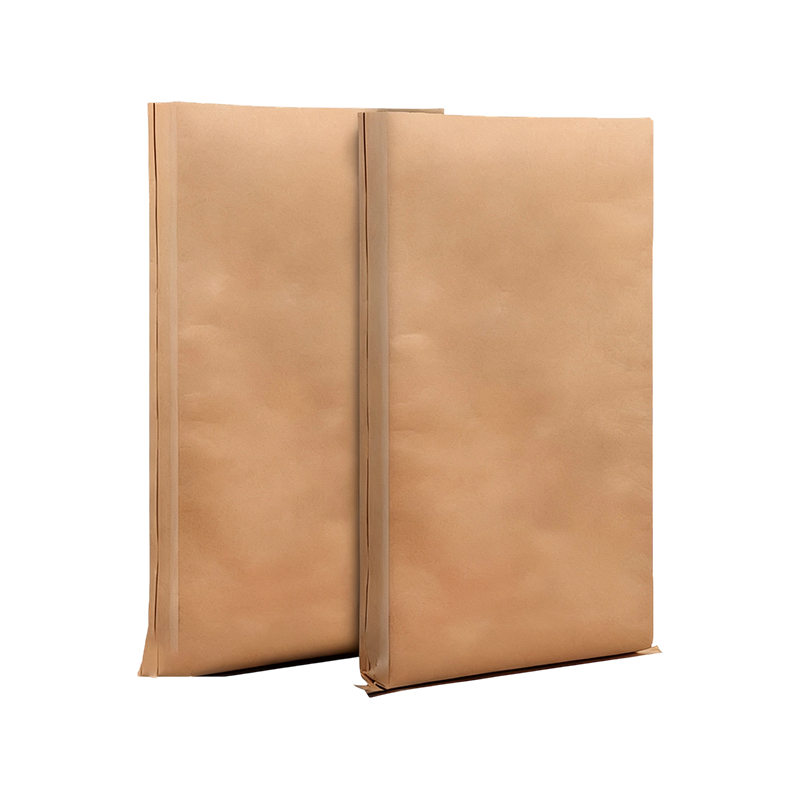
At a basic level, kraft paper bags are made from kraft paper, which is produced through a pulping process designed to keep the wood fibers longer and less damaged compared to regular paper. That fiber structure is really where its strength comes from in practical use.
But in real production and supply chains, a kraft paper bag is rarely just a simple paper container. It is more like a basic packaging format that gets adapted depending on the end use. In some cases it stays very simple, while in others it becomes a more functional packaging solution used for heavier loads or even brand presentation.
In actual manufacturing, you will usually see it appearing in a few typical forms rather than one fixed type:
- simple single-layer bags for light retail or takeaway use
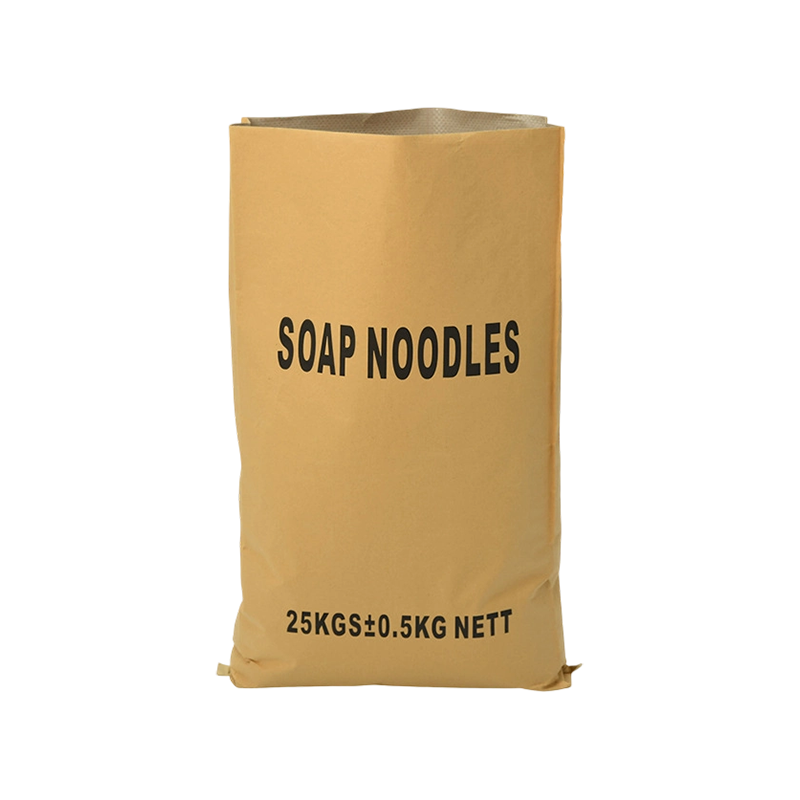
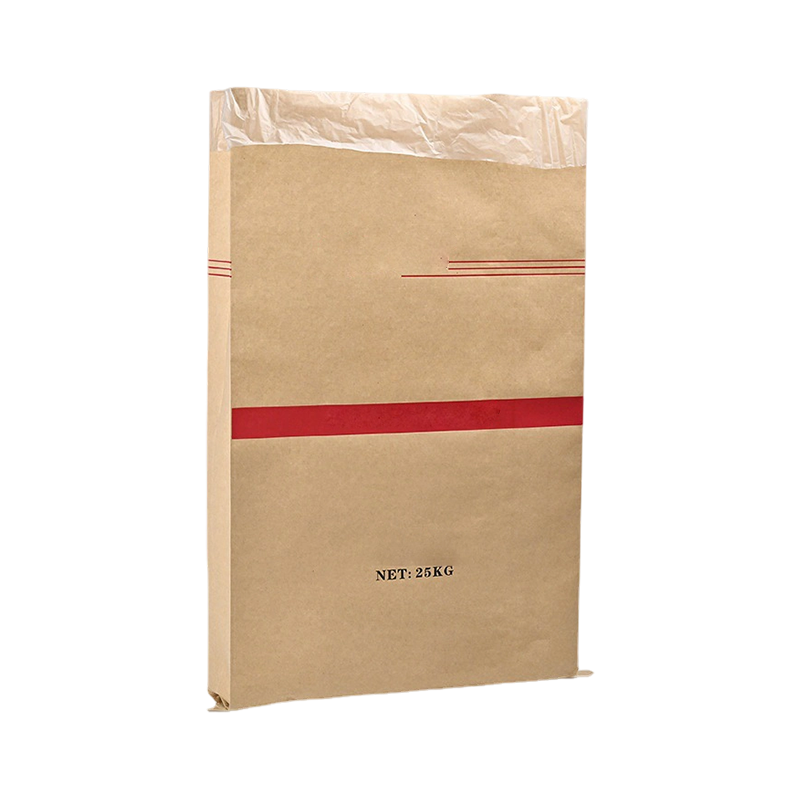
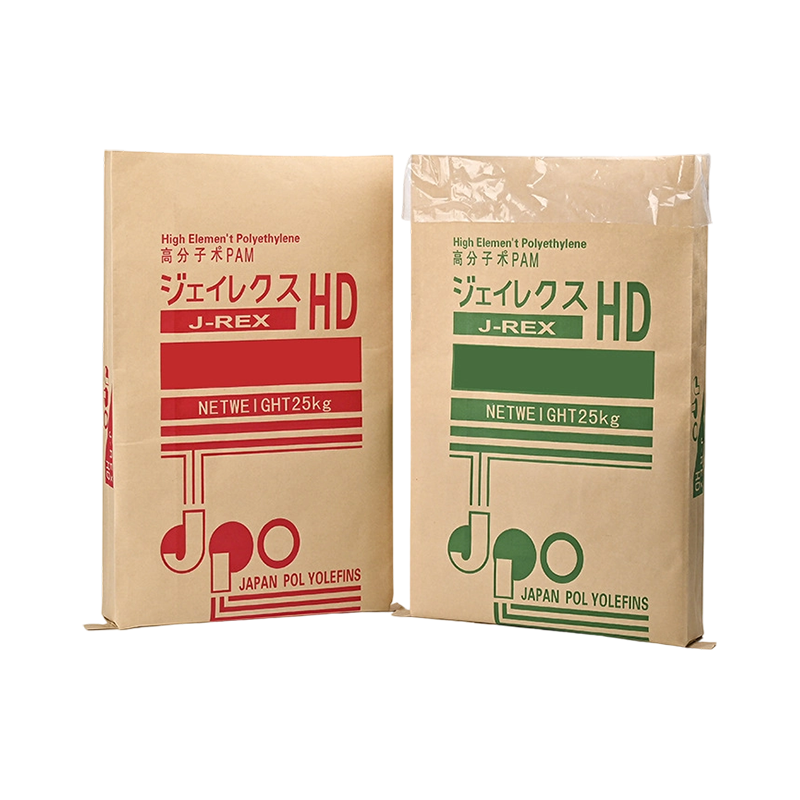
- multi-layer paper sacks for bulk materials or industrial packaging
- laminated or coated versions when there is a need for moisture protection
- die-cut or handled styles that are more focused on retail and branding
If you look at common search terms like "kraft paper bag wholesale supplier" or "custom printed kraft paper packaging bags," they are really reflecting these different usage directions instead of describing one standard product.
Why Kraft Paper Became a Widely Used Packaging Option
The reason kraft paper is so widely used is actually quite practical when you look at it from a production and sourcing perspective.
On the manufacturing side, it is a very stable material. It is widely available, easy to source, and can be produced at scale without too many complications. For factories, this means consistent output and relatively controlled cost.
On the user side, it is also easy to work with. It doesn' t require special handling conditions, and it can be adapted into many different packaging formats without major changes in structure.
There is also a perception factor that shouldn' t be ignored. In many Western markets, kraft paper packaging is often linked with natural or eco-friendly positioning. Even when the material is reinforced or coated, the visual impression still tends to support that idea.
Because of this mix of practical usability and market perception, kraft paper continues to hold a stable position in both industrial packaging and consumer packaging applications.
Material Behavior and Structural Reality
Kraft paper gets its strength mainly from long cellulose fibers that remain relatively intact during the pulping process. These fibers naturally interlock during paper formation, which results in a denser and more tear-resistant material compared to standard paper grades.
In real-world use, its performance is fairly easy to understand:
- it can handle medium to relatively heavy loads depending on thickness
- it performs reasonably well when stacked or folded during transport
- it has better tear resistance along the fiber direction
- it is still lighter than most plastic-based packaging materials
However, there is also a limitation that is well known in the industry. Kraft paper does not perform well in moisture or high humidity conditions. Once it gets wet or exposed for too long, the structure starts to lose strength unless it has been treated or coated in advance.
Because of that, most kraft paper bags used in real applications are not just plain paper anymore. In many cases, they are reinforced or upgraded depending on the actual packaging requirements.
Where Kraft Paper Bags Are Actually Used
In real supply chains, kraft paper bags don' t really sit in just one category. They show up in a lot of different places, and each industry tends to use them in its own way.
Retail: In retail, they are probably the most familiar. Coffee shops, bakeries, takeaway brands, small boutiques-these are all typical users. The reason is simple: the material looks clean and neutral, and it still works well for basic branding without much extra effort.
Food-Related Packaging: In food-related packaging, kraft paper is often used for dry goods like flour, sugar, coffee, and snacks. In many cases, you' ll see an inner liner added, because plain paper alone is not enough when moisture becomes a concern.
Agricultural Use: Agricultural use is more about function than appearance. Seeds, animal feed, and bulk materials are usually packed in multi-layer paper bags where the focus is stability and cost control rather than visual presentation.
Industrial Use: For industrial use, kraft paper sacks are still common for powders and light bulk materials, but they are usually reinforced depending on how heavy or demanding the application is.
Kraft Paper Bag vs Other Packaging Materials
In real sourcing work, kraft paper is almost never considered alone. Most of the time, buyers will put it next to a few other packaging options and compare them based on the actual product situation.
| Packaging Material |
Main Characteristics |
Typical Consideration |
| Kraft Paper |
Natural appearance, practical balance between cost, usability, and appearance |
Suitable for lighter loads and applications where presentation matters |
| Plastic Bags |
Good moisture resistance and durability |
Better suited to rough conditions |
| PP Woven Bags |
High strength and heavy-duty performance |
Suitable for agriculture, feed, or construction materials |
| Non-Woven Bags |
Flexible and lightweight |
More suitable for shopping or promotional purposes |
| Laminated Composite Packaging |
High protection against moisture and long-distance transport conditions |
Higher cost and more complicated production |
Plastic bags usually win when it comes to moisture resistance and durability. They just handle rough conditions better. But kraft paper still shows up a lot in retail-related packaging, mainly because the appearance feels more natural and better for branding.
PP woven bags are in a different category altogether. They are clearly stronger and more suitable for heavy-duty use, especially in agriculture, feed, or construction materials. Kraft paper doesn' t really compete there directly-it' s more for lighter loads and situations where presentation also matters.
Non-woven bags are more flexible and often used for shopping or promotional purposes. They are not really designed for serious industrial packaging, more for short-term or light consumer use.
Laminated composite packaging is probably the most protective option, especially for moisture or long-distance shipping. But it also means higher cost and more complicated production, so it' s usually used only when really necessary.
So in actual projects, people don' t really ask "which one is the best." It' s more like: what is the product, how is it going to be used, and what kind of balance between cost and performance makes sense.
How Kraft Paper Bags Are Adapted in Production
In actual manufacturing, kraft paper is rarely used in its most basic form when performance requirements start to increase.
Most factories adjust it based on what the final application needs, rather than treating it as a fixed material.
Common adjustments include things like:
- adding PE lining when moisture protection is needed
- laminating the surface to improve strength and printing results
- using multi-layer construction for heavier loads
- adding handles or die-cut shapes for retail convenience
These are not really "new innovations" in the strict sense. They are more like practical adjustments made to match different usage conditions.
For example, food packaging usually needs better protection against humidity, while retail packaging tends to focus more on appearance and user experience.
Limitations You See in Real Applications
Kraft paper is widely used, but in real working conditions its limits are also pretty clear.
Moisture is the first thing people usually mention. If the paper hasn' t been coated or treated, even a bit of humidity or direct water exposure can start to affect its strength quite fast.
Another point is load handling. It works fine for medium-weight products, but when it comes to heavy-duty shipping or long-distance transport, woven or plastic-based packaging is still more reliable.
It' s also not really built for repeated use. Most of the time, it' s treated as a one-time or short-term packaging option rather than something meant to be reused many times.
These are not unexpected issues in the industry. In most cases, they are already taken into account at the design stage, depending on what the packaging is actually meant to do.
How Kraft Paper Packaging Is Evolving in Practice
The development of kraft paper packaging is not really about replacing other materials. It is more about gradual adjustment based on different market needs.
At the moment, a few trends are quite noticeable:
- more recyclable coating systems replacing traditional plastic-based layers
- stronger multi-layer paper structures for better durability
- improved printing quality for more stable branding results
- hybrid structures that combine paper with other materials
At the same time, its use is expanding beyond traditional retail. You now see it more in e-commerce packaging, food delivery, and even some industrial branding applications.
What this really shows is a shift in expectations. Packaging is no longer just about protecting the product. In many cases, it also plays a role in how the brand is presented.
Practical Position in Today' s Packaging Market
Kraft paper bags don' t stand out because of performance, but they remain widely used because they sit in a very practical balance between cost, usability, and appearance.
They are not the strongest option and not the most advanced material, but they fit a very large number of everyday packaging needs across different industries.
From small retail shops to bulk industrial applications, their role is still stable. And as packaging requirements continue to change, kraft paper is more likely to be adjusted than replaced-simply because it is flexible enough to adapt without breaking the overall cost structure.



 English
 Español
 عربى
عربى 中文简体
中文简体