Laminated Woven Packaging in Modern Supply Chains: Structure, Applications, and Practical Selection Logic
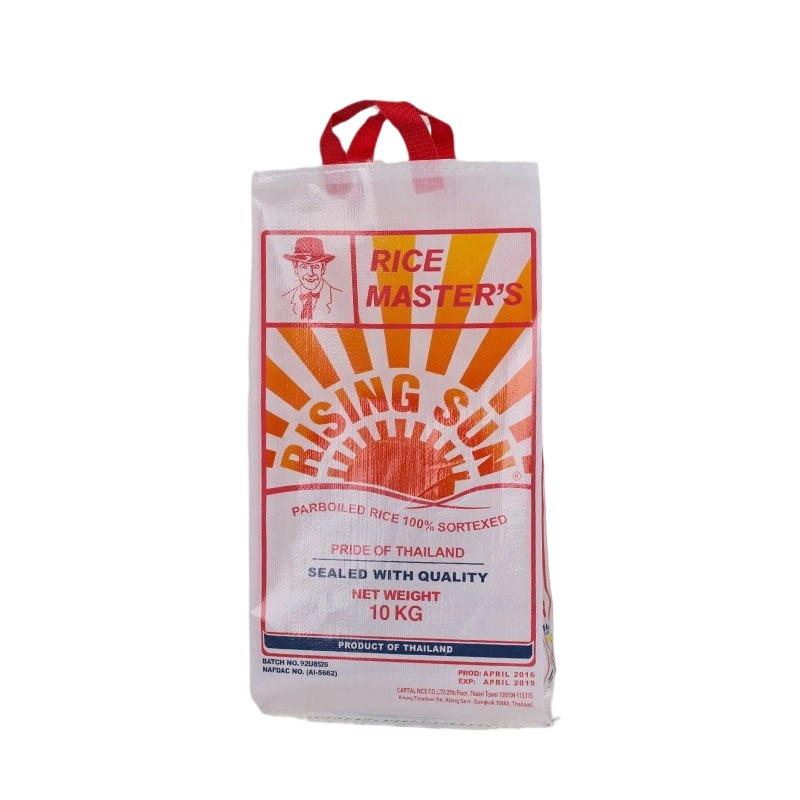
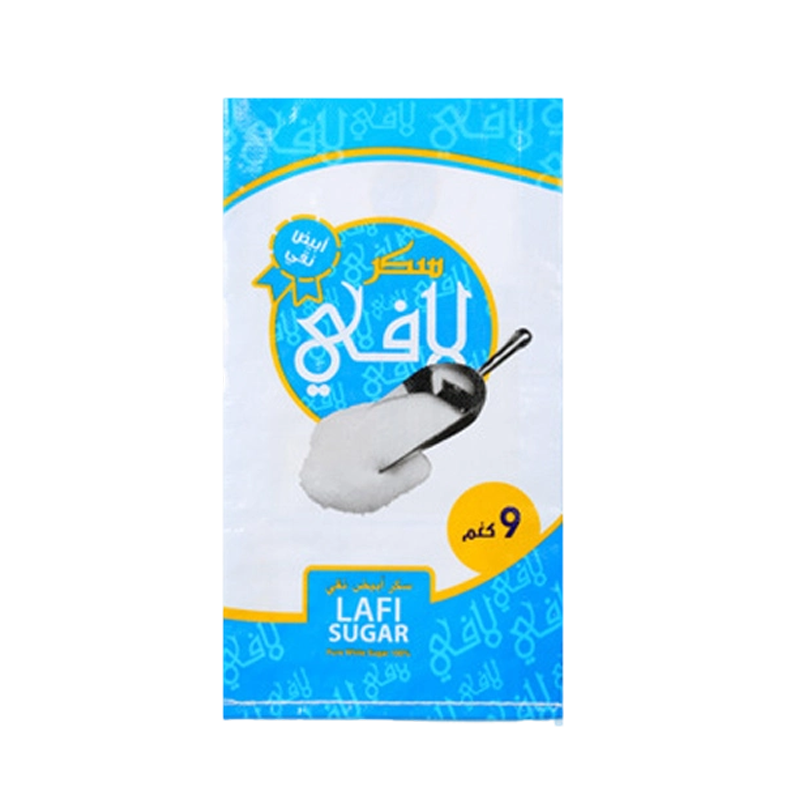
In real packaging sourcing, this type of Laminated Woven Bag doesn' t usually get introduced as a "special category." It appears more like a practical answer to a set of very common problems—load stability, moisture exposure, and basic branding requirements in bulk logistics.
What makes it widely used is not novelty, but the fact that it fits into existing production and transport systems without requiring major changes. That alone keeps it relevant across multiple industries.
How this packaging structure actually works in practice
At the core, the material starts with polypropylene woven fabric. This base layer is already known for its mechanical strength and resistance to tearing, which makes it suitable for heavy or stacked goods.
On its own, however, woven fabric is not always enough. The surface is relatively rough, printing is inconsistent, and it does not handle environmental exposure very well in longer supply chains.
Once a lamination layer is applied, the behavior of the material changes in a noticeable way. The surface becomes smoother, printing becomes more stable, and the packaging gains better resistance against external moisture and dust.
From a functional point of view, this is less about "upgrade" in a marketing sense and more about adapting a base material to real logistics conditions.
Why lamination is added in real manufacturing
In most production cases, lamination is not treated as decoration.
Some industries need better moisture control because products are stored or transported in humid environments. Others need clearer printing because the packaging carries brand or product information that must remain visible throughout distribution.
There are also cases where the requirement is simply handling durability. Bags are stacked, dropped, and transported repeatedly, so surface reinforcement becomes necessary.
Depending on the application, lamination can be more visual-focused or more function-focused. The difference is usually decided before production starts, based on end-use expectations rather than material preference alone.
Where this type of packaging is actually used
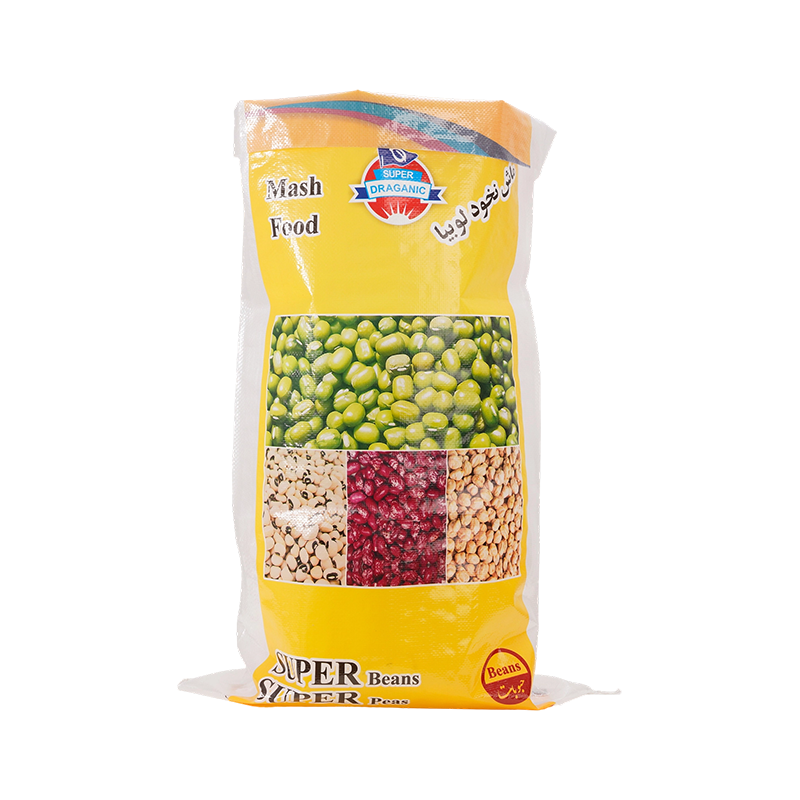
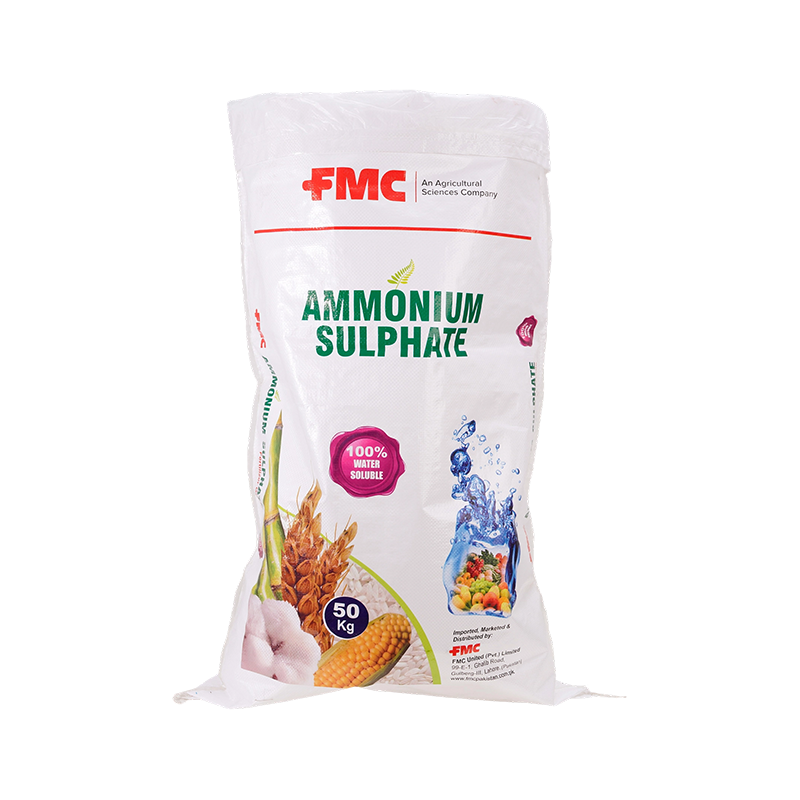
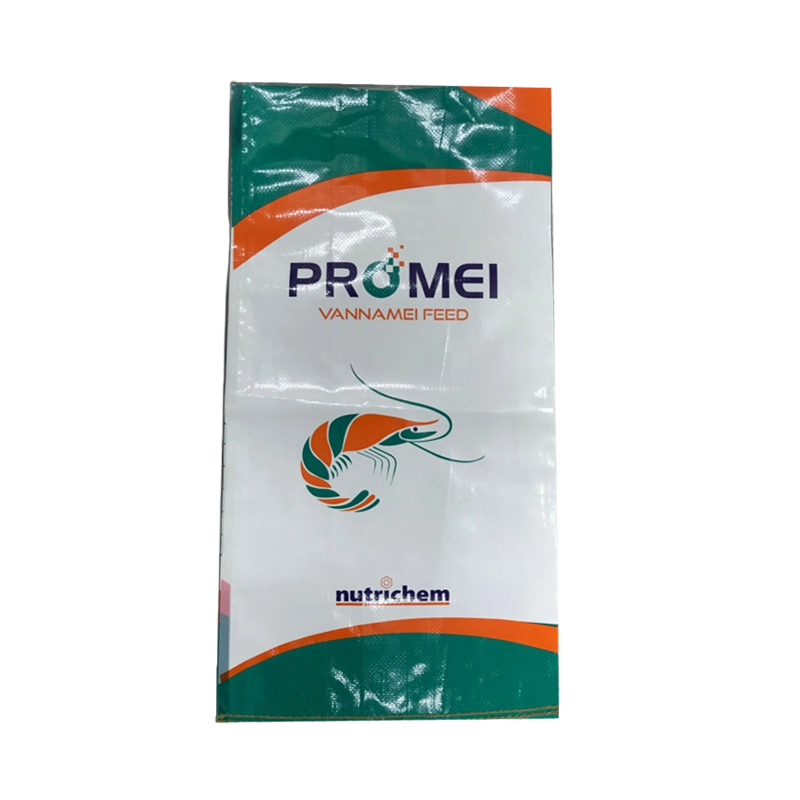
In agriculture, it' s used a lot. Fertilizer, seeds, grain, feed—these kinds of products usually need something that can carry weight and survive stacking and transport without falling apart.
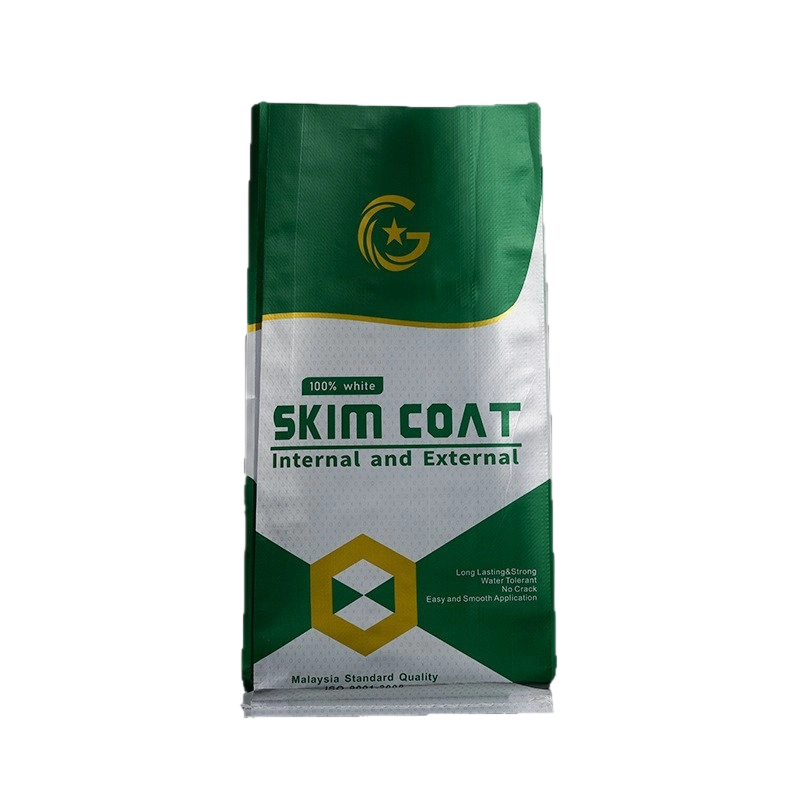
In construction materials, it shows up quite often too. Cement additives, powders, dry mixes, things like that. The environment there is not very gentle on packaging, so strength matters more than appearance most of the time.
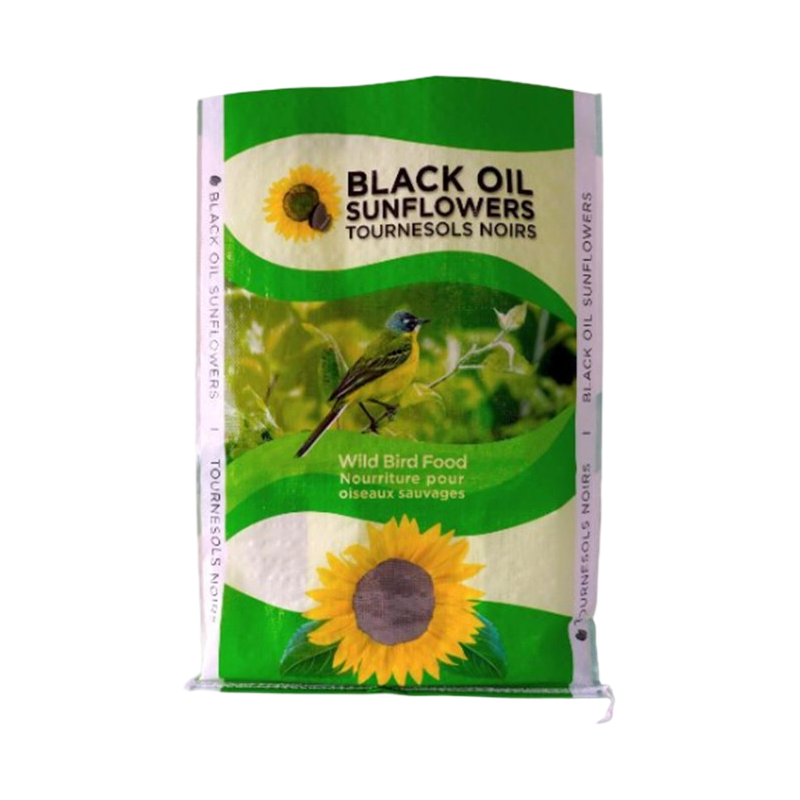
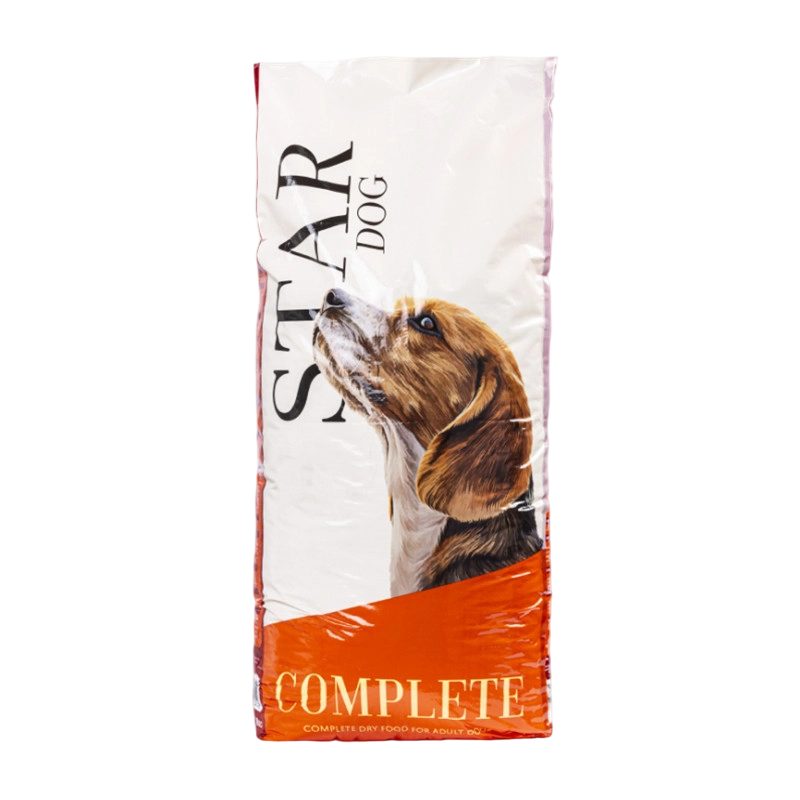
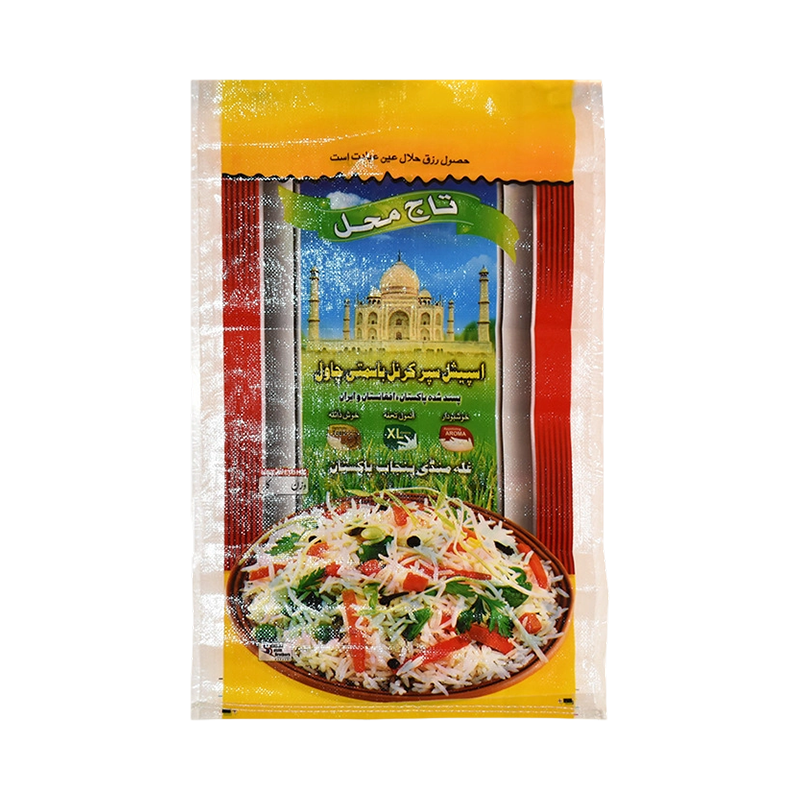
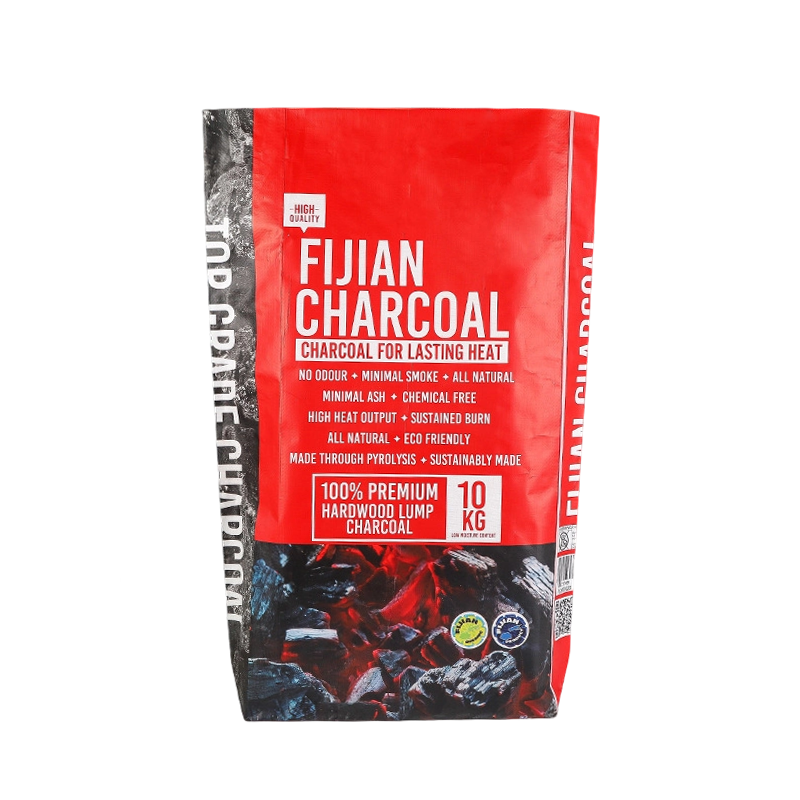
For retail-related supply chains, the thinking changes a bit. Since the bag can be seen by end customers, people start paying more attention to printing and overall look, not just structure.
Export use is another big one. Once products are shipped across different countries and climates, humidity and handling conditions become less predictable. In that situation, the laminated surface helps keep things more stable during transport.
Comparison with other packaging materials in real use
Compared with standard woven bags, the laminated type usually feels more finished. The surface is smoother, printing comes out clearer, and it handles moisture better. But at the same time, it does add extra cost, and the production process becomes a bit more involved.
| Packaging Material |
Strength / Structure |
Moisture Protection |
Typical Consideration |
| Standard Woven Bags |
Strong structural performance |
Lower |
Lower cost and simpler production |
| Laminated Woven Bags |
Strong and suitable for stacking or heavier goods |
Better |
Balances strength, protection, surface presentation, and cost |
| Plastic Film Packaging |
Lower structural support |
High |
More reliable for full sealing of fine powders or liquids |
| Paper-Based Packaging |
Moderate |
Lower |
Can struggle with pressure, humidity, or long-distance handling |
| Multi-Layer Composite Packaging |
High |
High |
Higher barrier performance but more expensive and less flexible in production |
Against plastic film packaging, it sits in a different position. It is stronger in terms of structure and works better for stacking or heavier goods. But when you need full sealing for fine powders or liquids, plastic film systems still do that job more reliably.
Paper-based packaging is another reference point. In real logistics, paper tends to struggle when there is pressure, humidity, or long-distance handling. The laminated woven option holds up better in those conditions, so it' s often chosen when transport is less predictable.
If you compare it with multi-layer composite packaging, the difference is mostly about complexity and cost. Composite materials can give higher barrier performance, but they are also more expensive and less flexible in production. This is why laminated woven solutions are still used widely in bulk packaging.
Because of these differences, it doesn' t really compete at one extreme. It usually ends up somewhere in the middle—good enough strength, acceptable protection, and controlled cost.
Common misunderstandings in real procurement
One thing that happens quite often in sourcing is that buyers treat all Laminated Woven Bag as if it performs the same. In reality, small changes in fabric density or coating method can lead to noticeable differences in strength and durability.
A lighter version used for retail-style packaging won' t behave like a heavy industrial sack used for cement or fertilizer. They look similar on the surface, but they are built for very different conditions.
Another issue is over-focusing on appearance. A clean print or smooth surface can look good, but in logistics-heavy use, what matters more is how the bag holds up when stacked, moved, or stored for a long time.
On the other hand, some people focus only on strength and forget about environmental exposure. That' s where problems like moisture absorption or surface damage can show up during storage or shipping.
Most of these issues are not really material defects. They usually come from mismatched expectations—what was ordered versus what the actual working condition requires.
How this packaging category is evolving
The development of this type of packaging is not about replacing it with something completely new. It' s more about small adjustments based on how the market is changing.
Printing quality has been improving quite a bit. Even for industrial packaging, brands now expect more consistent logos and clearer surface presentation, so production standards are slowly going up.
- At the same time, there is a trend toward using lighter materials. The idea is to reduce raw material usage and shipping cost without losing too much strength.
- Recyclable or less plastic-heavy coating options are also being explored more, especially in regions where packaging regulations are getting stricter.
- And beyond traditional bulk packaging, usage is slowly expanding into areas like e-commerce and branded consumer products. It' s not a sudden shift, more like the material is being adapted into slightly different roles over time.
Printing quality has been improving quite a bit. Even for industrial packaging, brands now expect more consistent logos and clearer surface presentation, so production standards are slowly going up.
At the same time, there is a trend toward using lighter materials. The idea is to reduce raw material usage and shipping cost without losing too much strength.
Recyclable or less plastic-heavy coating options are also being explored more, especially in regions where packaging regulations are getting stricter.
And beyond traditional bulk packaging, usage is slowly expanding into areas like e-commerce and branded consumer products. It' s not a sudden shift, more like the material is being adapted into slightly different roles over time.
Position in today' s packaging landscape
This type of packaging is not positioned as a high-end innovation material, nor is it considered a low-cost temporary solution. Its role is more practical than conceptual.
It exists because it solves a specific combination of requirements: strength, moderate protection, and acceptable surface presentation at a controlled cost.
That balance is the main reason it continues to be used across agriculture, construction, export logistics, and increasingly retail-related applications.
In real supply chain decisions, it is not chosen for being the best in one category, but for performing reliably across several at the same time.



 English
 Español
 عربى
عربى 中文简体
中文简体