HONGYANG

Solution

Home / Case

Solution

Packaging Solutions

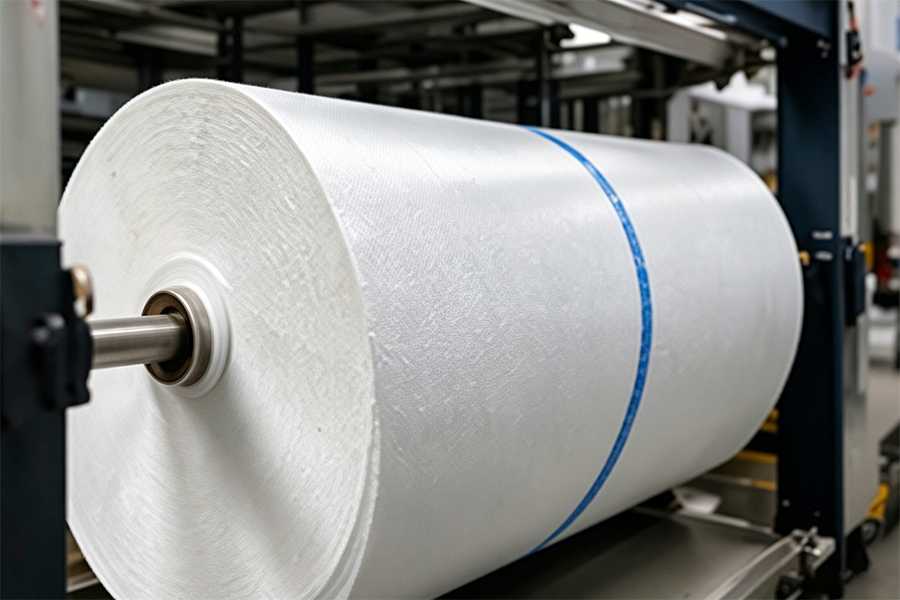
Our woven roll material has evolved step by step alongside our customers' automated equipment. Every generation of improvement has been aimed at adapting to the production line, reducing issues, and increasing efficiency.
The core value we provide for customers' automation is this: we don't just sell woven roll material—we work in close coordination with equipment manufacturers to continuously optimize the material's structure, raw material formulation, stiffness and firmness, flatness, and durability. The ultimate goal is to ensure that our customers' automated production lines run smoothly, stably, and efficiently—reducing downtime, minimizing manual intervention, and increasing overall output.

Zhejiang Hongyang Packaging Co., Ltd.
  • Zhejiang Hongyang Packaging Co., Ltd.
  • Zhejiang Hongyang Packaging Co., Ltd.
  • Zhejiang Hongyang Packaging Co., Ltd.
First Generation Fully Manual Bag Making
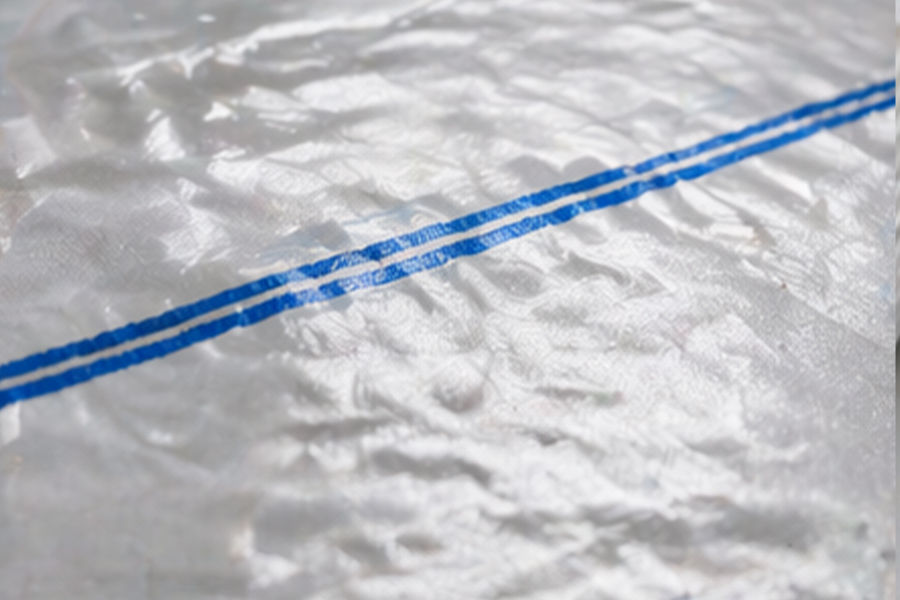
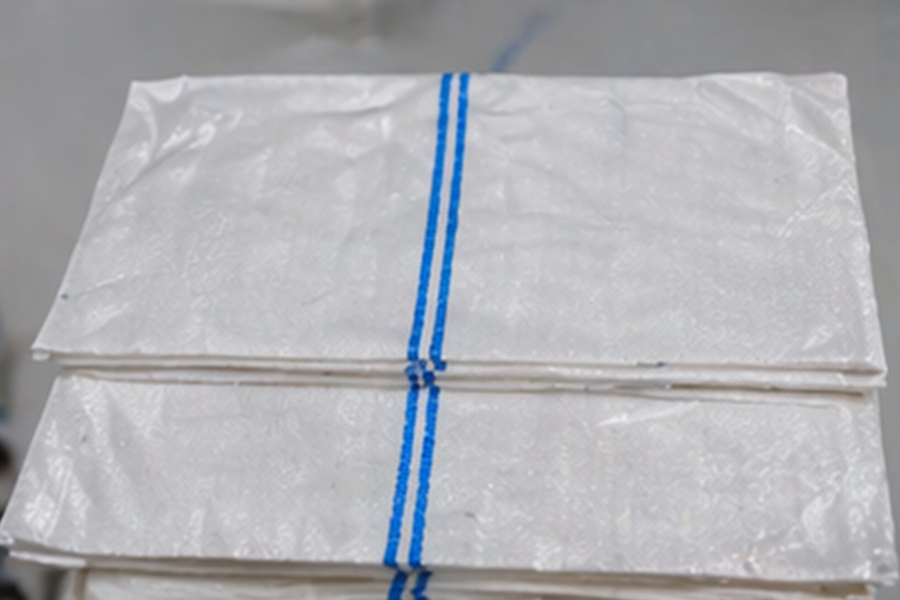
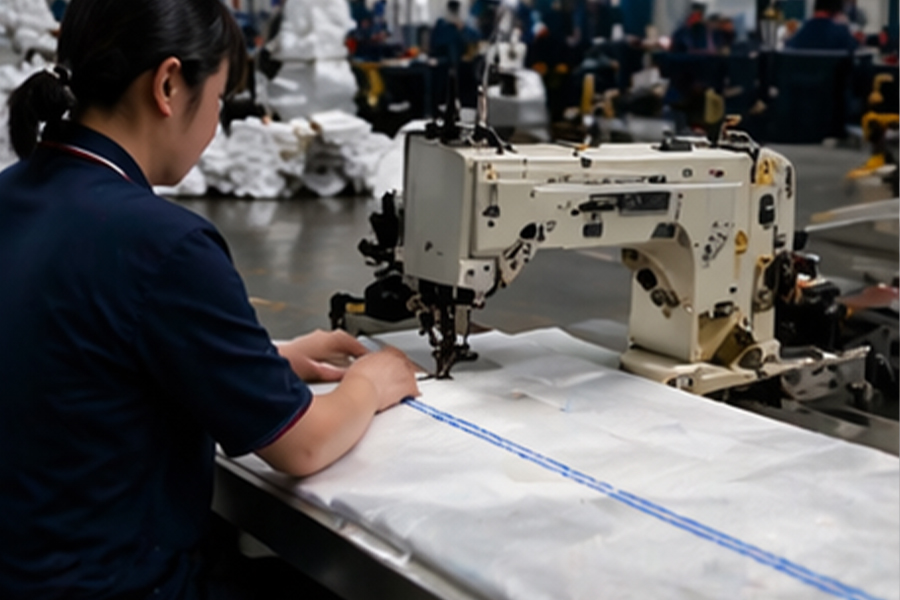
Completely operated by hand, with very low efficiency—at most 200 bags cut and sewn per hour. During this period, the woven roll material was often uneven, prone to wrinkling and damage, resulting in a high defect rate.
  • Zhejiang Hongyang Packaging Co., Ltd.
  • Zhejiang Hongyang Packaging Co., Ltd.
  • Zhejiang Hongyang Packaging Co., Ltd.
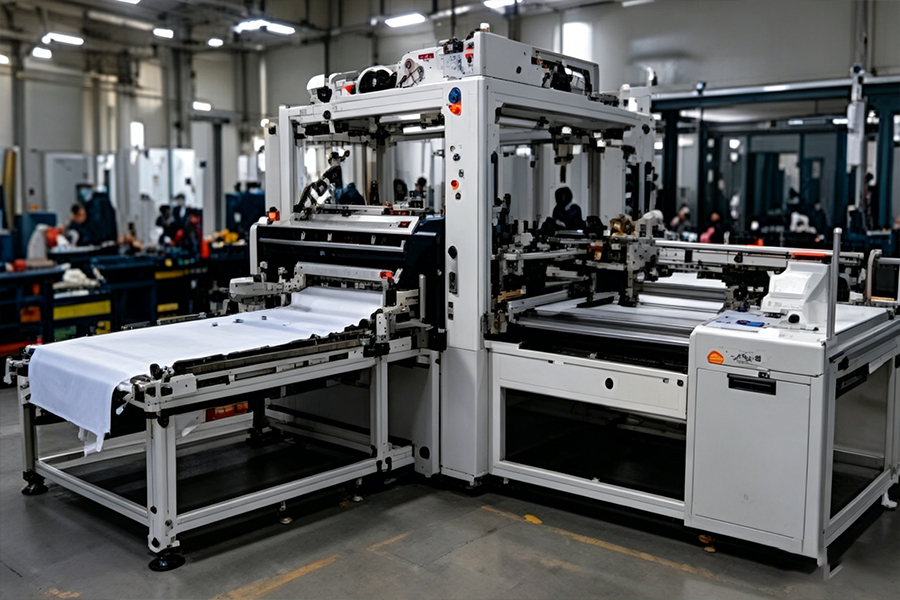
Second Generation Semi-Automatic – Manual Feeding of Pre-Cut Tube Fabric
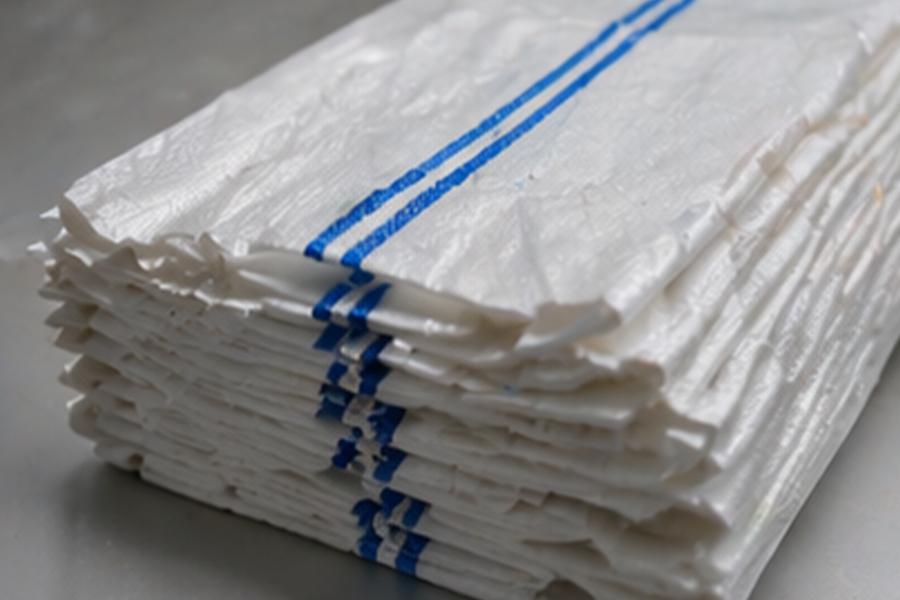
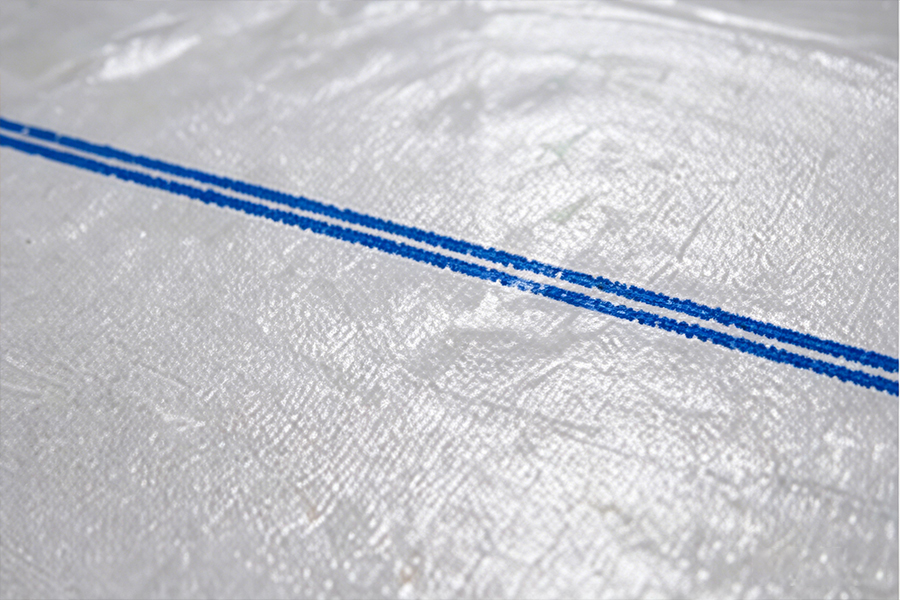
Workers manually place pre-cut tube fabric onto the machine for sewing. Although faster than fully manual operations, this method demands significantly higher quality from the woven roll material — it must be extremely flat. If wrinkles are present, workers must spend considerable time straightening the fabric, severely slowing down the process and often leading to crooked seams.
  • Zhejiang Hongyang Packaging Co., Ltd.
  • Zhejiang Hongyang Packaging Co., Ltd.
  • Zhejiang Hongyang Packaging Co., Ltd.
  • Zhejiang Hongyang Packaging Co., Ltd.
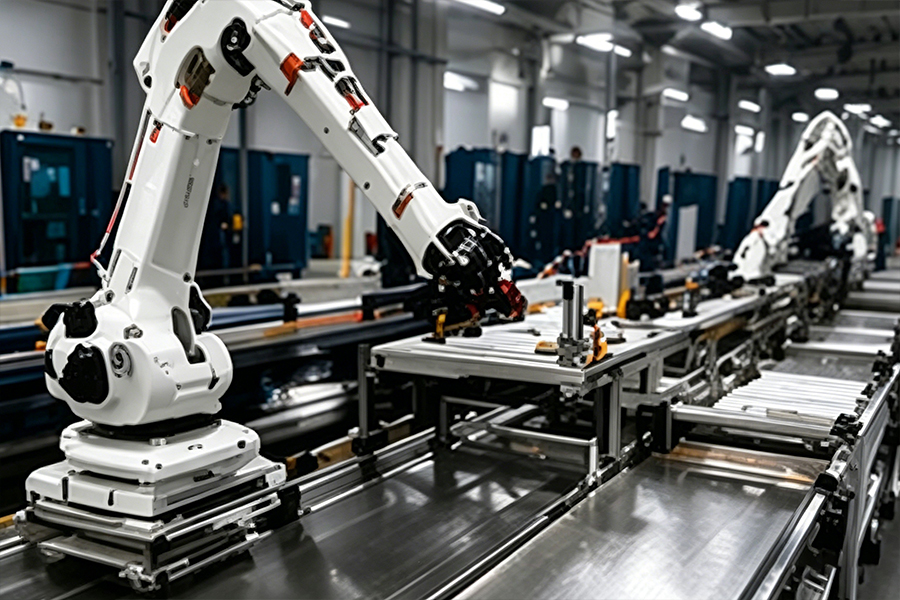
Third Generation Automatic Feeding of Pre-Cut Tube Fabric via Robotic Suction Cups
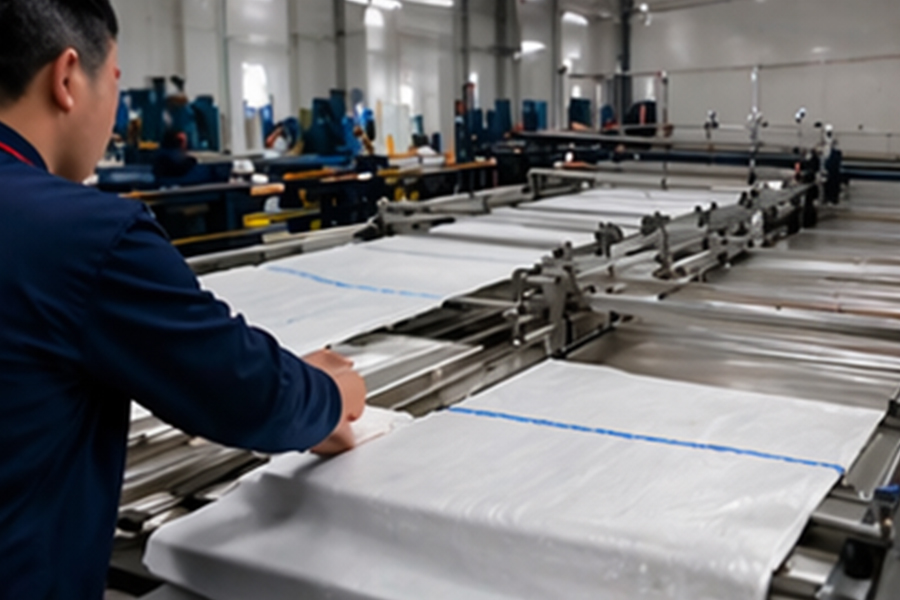
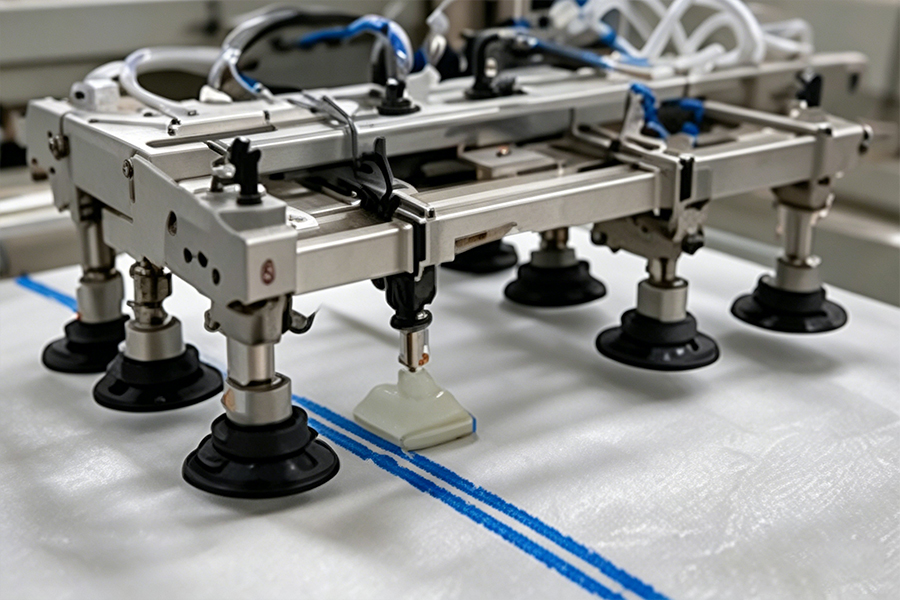
This generation uses suction cup robots to automatically pick and feed pre-cut tube fabric. It imposes even higher requirements on the quality of the roll material: the surface must be flat and wrinkle-free, the fabric must have good density, adequate stiffness and firmness, and the lamination and structure must be solid. Otherwise, the suction cups cannot pick up or hold the material steadily—any feeding failure will trigger an equipment alarm and shutdown.
  • Zhejiang Hongyang Packaging Co., Ltd.
  • Zhejiang Hongyang Packaging Co., Ltd.
  • Zhejiang Hongyang Packaging Co., Ltd.
  • Zhejiang Hongyang Packaging Co., Ltd.
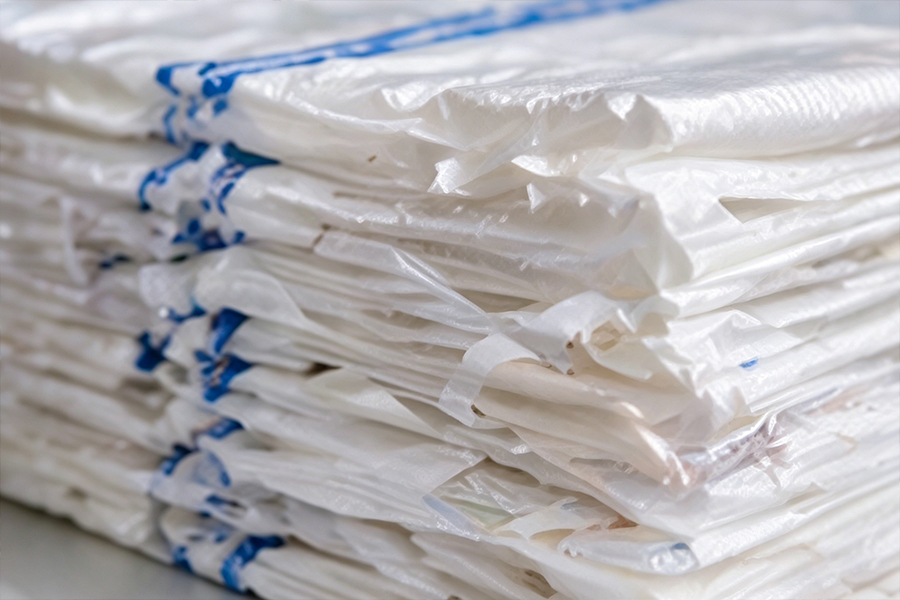
Fourth Generation Fully Automatic – Direct Feeding of Roll Material / Unmanned Workshop
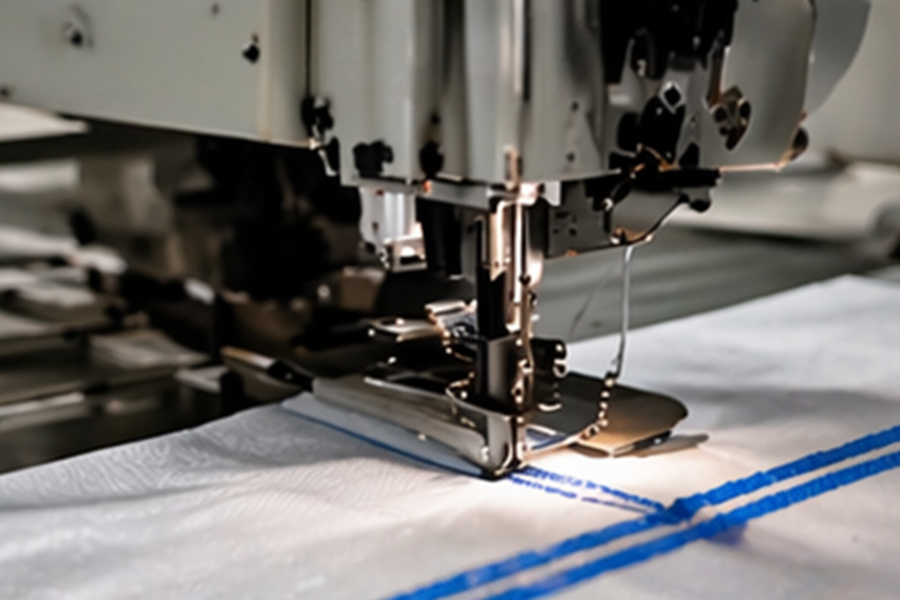
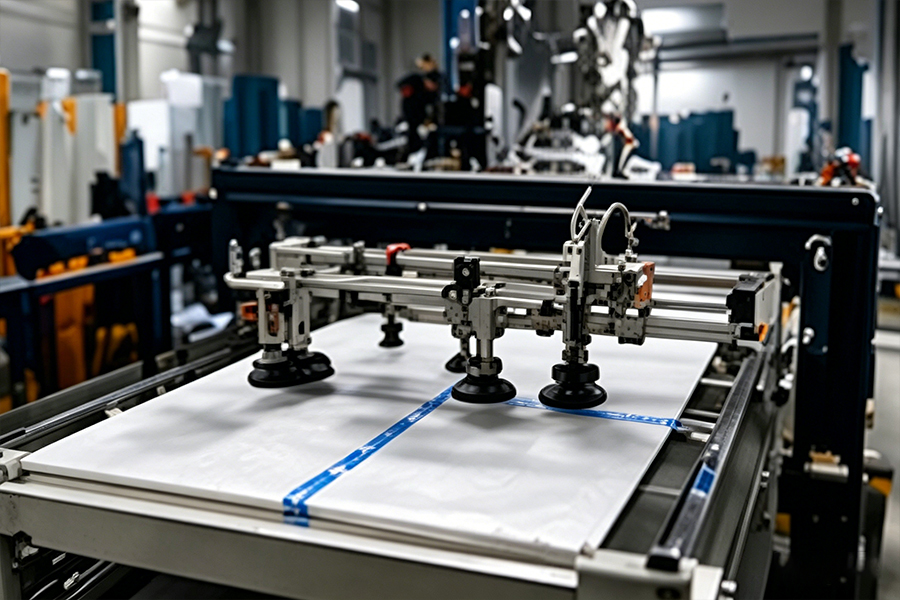
Customers pursuing an unmanned workshop demand fully automated operation. At this stage, the requirements for the woven roll material are the most stringent: defect rates must be extremely low, dimensional accuracy high, and there must be no holes, no damage, no wrinkles, and no crooked seams. If even a single defective bag appears, the machine's detection system will identify it and trigger a complete line shutdown, requiring manual intervention — directly causing a significant drop in efficiency and production line congestion.