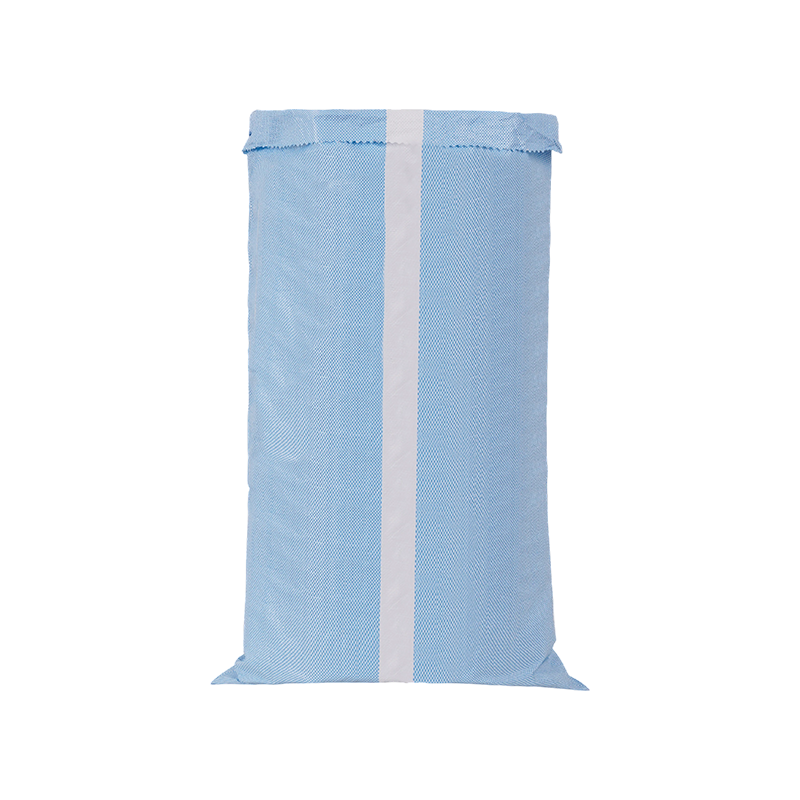
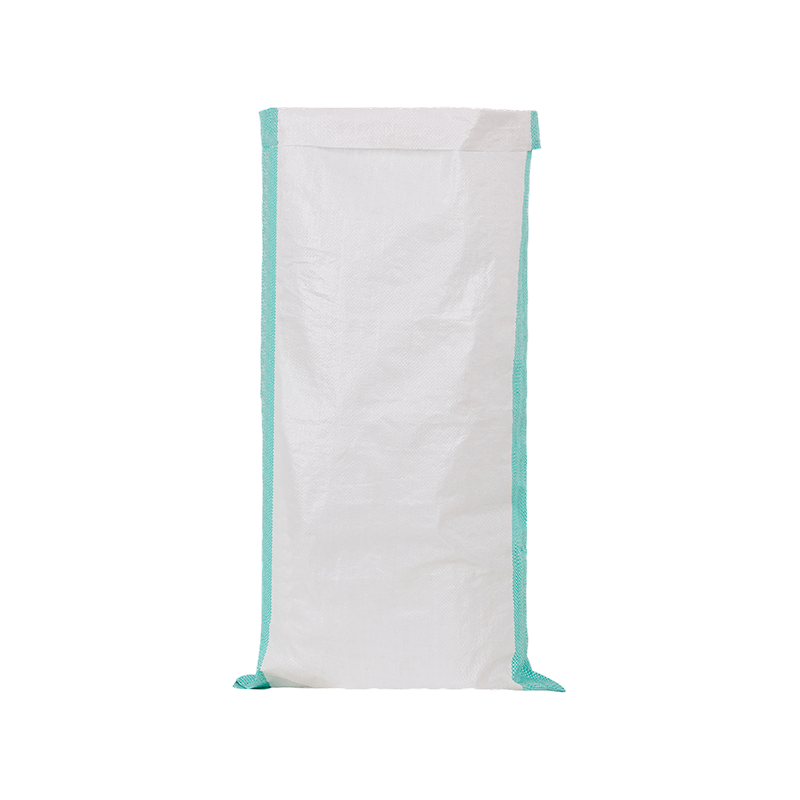
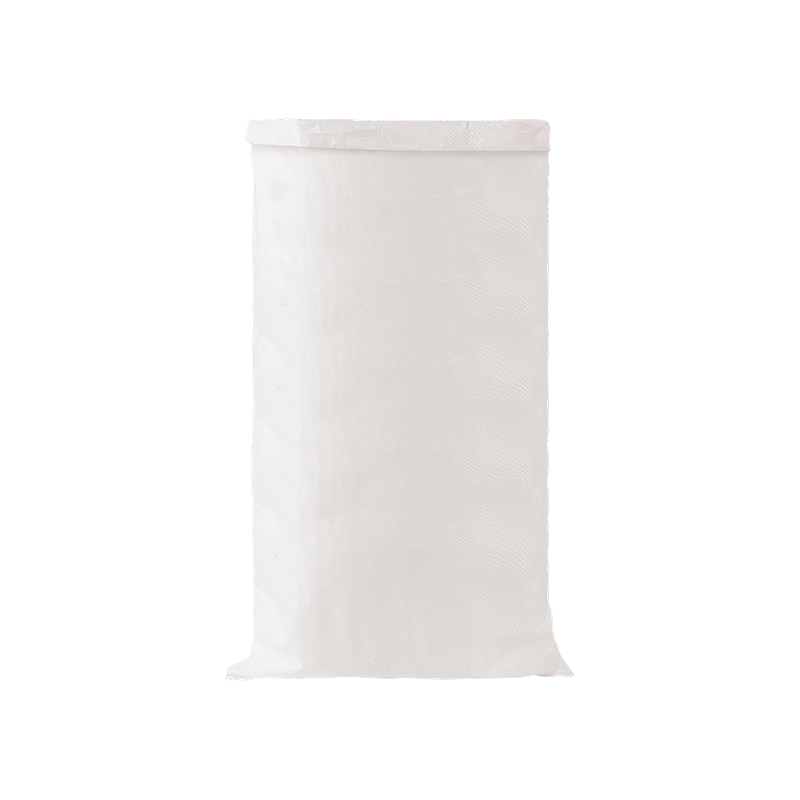
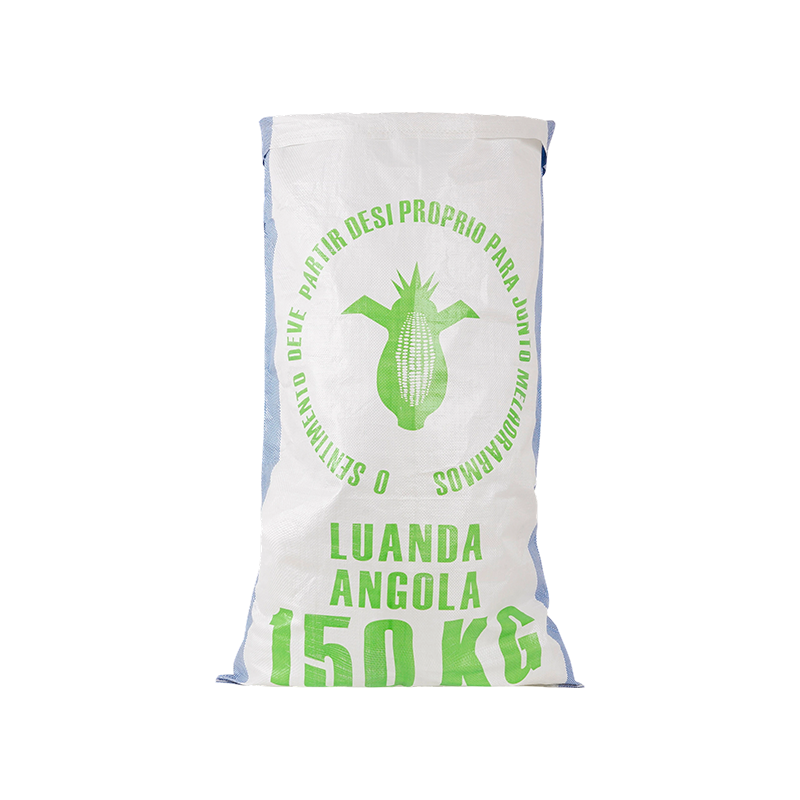
PP Woven Bag in Real Packaging Use: Structure, Applications, and Practical Buying Logic
In global packaging supply chains, woven polypropylene bags are one of those materials that rarely get attention on the surface, but are used constantly behind the scenes. They show up in agriculture, construction, retail distribution, and export logistics in very different forms depending on how they are built.
What makes this category interesting is not complexity in design, but flexibility in usage. The same base material can be adjusted into multiple product types just by changing thickness, coating, or stitching details.
Basic structure and how a PP woven bag is actually made
At the material level, this kind of packaging starts from polypropylene strips. These strips are stretched and woven together, forming a crisscross fabric structure. That weaving pattern is really what gives the material its strength, while still keeping it light enough to handle in production and transport.
In real supply chains, you don' t really see the raw fabric being used directly. It usually goes through a few extra steps first. Cutting, sealing, stitching, and sometimes lamination are added depending on what the bag will be used for.
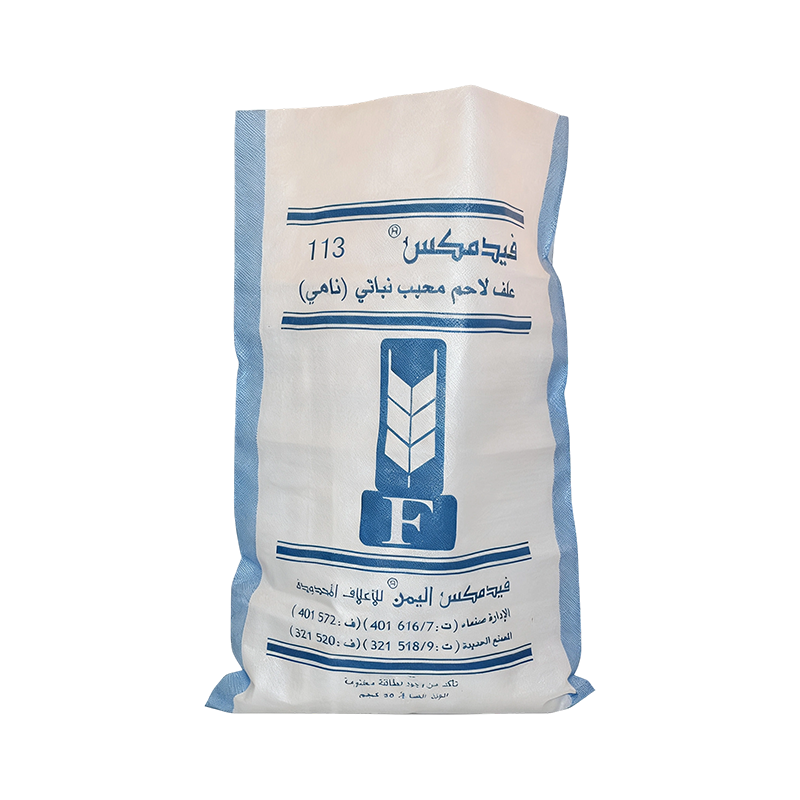
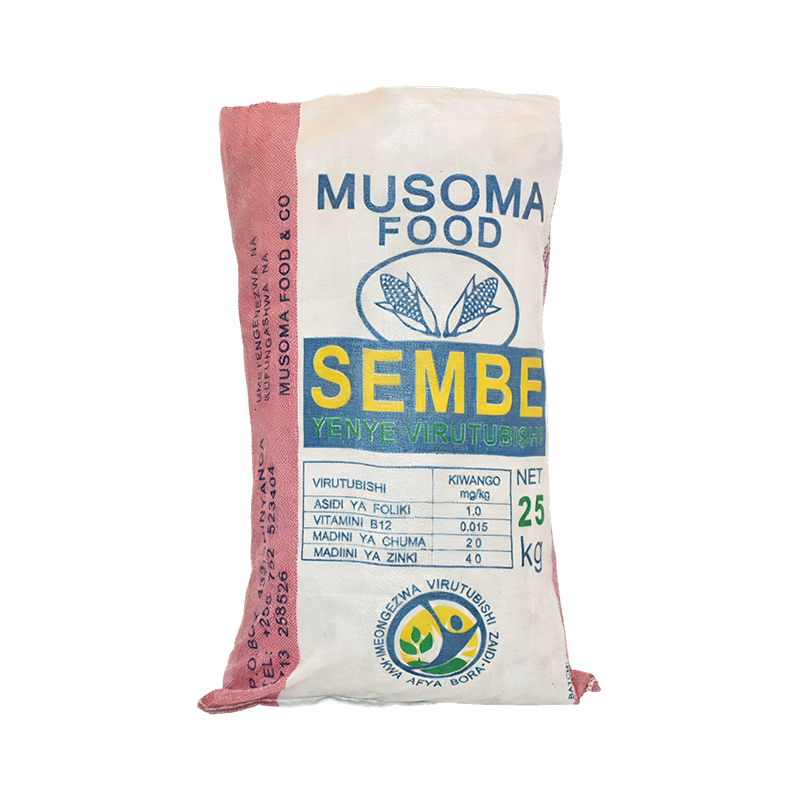
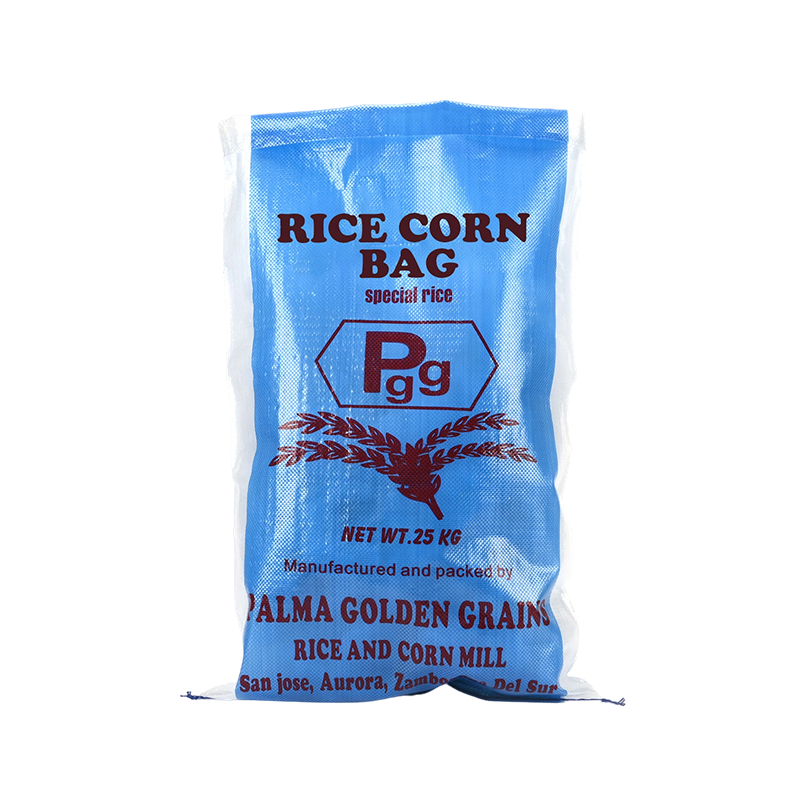
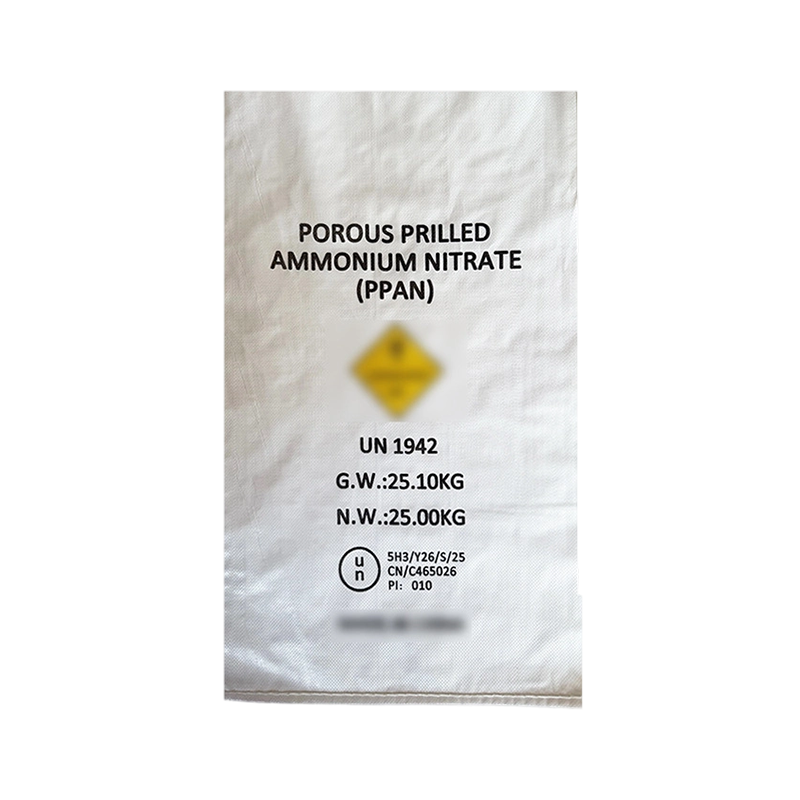
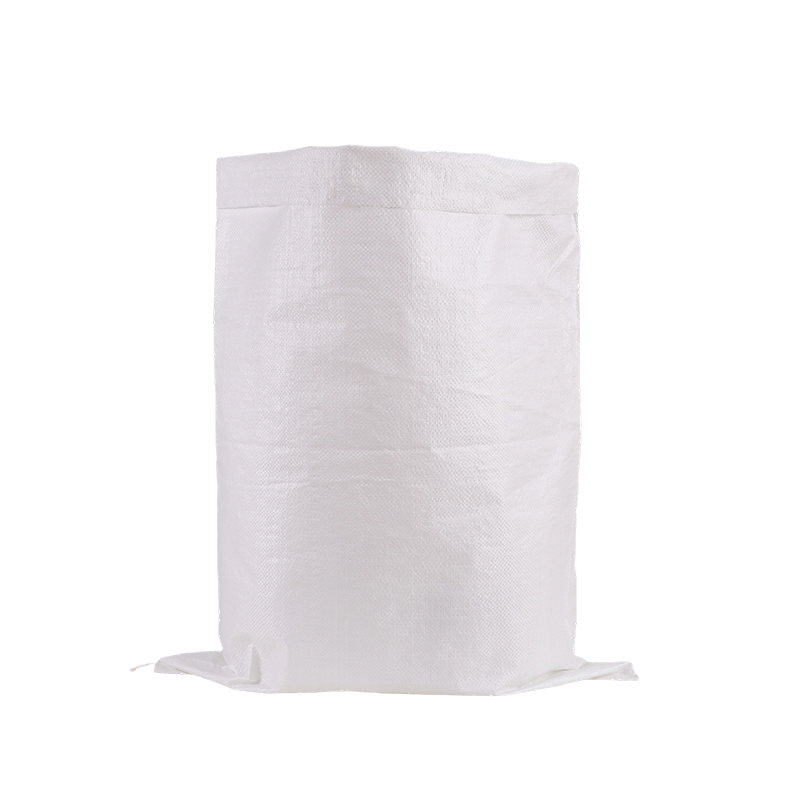
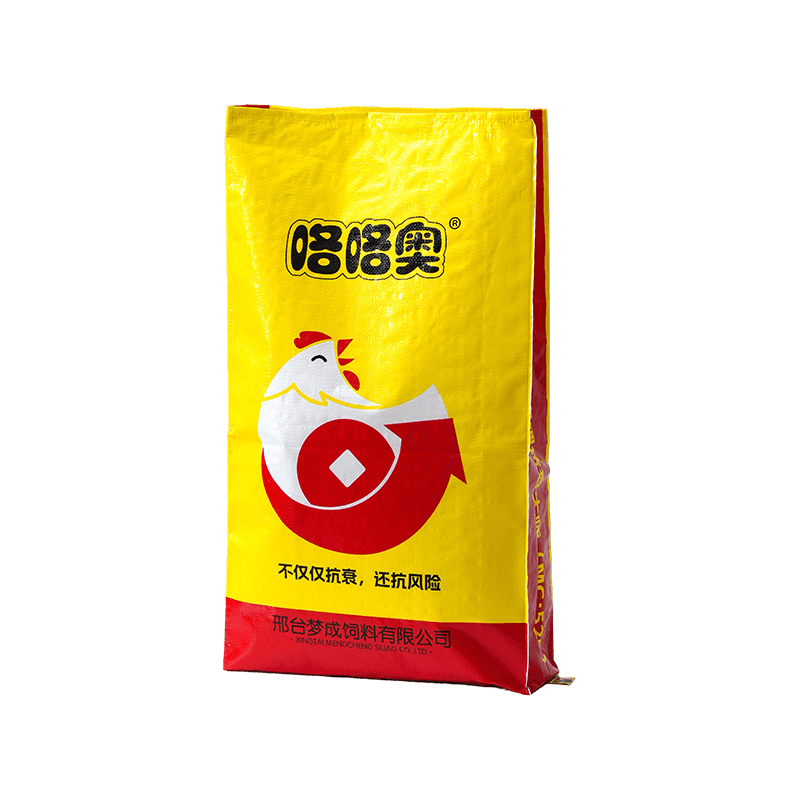
A basic version is just woven fabric shaped into a simple sack. Once you move into more practical applications, things start to change a bit. Some bags include inner liners, some have coated surfaces, and others are printed for identification or branding.
On production lines, you' ll usually notice a few common formats:
- bulk sacks for general goods
- laminated versions when moisture is a concern
- valve-style bags used for powder filling
- heavier-duty versions designed for rough handling or stacking
These differences aren' t just visual variations. They directly affect how the bag behaves when it is stored, moved, or stacked for a long time.
Why this material became widely used across industries
The spread of this packaging type is mostly driven by practical needs rather than design development.
From the manufacturing side, polypropylene is easy to source and process. Once production is set up, factories can keep output relatively stable, which is important for large-volume industries.
From the usage side, it performs in a very straightforward way. It can carry weight, it doesn' t collapse easily under stacking, and it holds up during transport without requiring too much special handling.
There is also something simple but important here-consistency. In logistics, people tend to prefer packaging that behaves the same way every time. This material fits that expectation fairly well, which is why it keeps showing up in bulk supply chains.
Where PP woven bag is actually used in real supply chains
Agriculture: In agriculture, it' s probably one of the most common packaging formats. Fertilizer, feed, grain, and seeds are usually packed this way because the material can handle weight and rough movement during loading and transport.
Construction-Related Materials: In construction-related materials, it shows up in products like cement additives, dry mixes, and powder-based building materials. These environments are not gentle on packaging, so strength becomes more important than appearance.
Industrial Applications: Industrial applications are another major area. Chemicals, minerals, and powdered goods often rely on this structure, sometimes with inner liners added depending on storage requirements.
Export Shipping: In export shipping, the packaging has to deal with changing humidity and handling conditions across regions. That' s where coated or laminated versions are more commonly chosen, especially when goods travel longer distances.
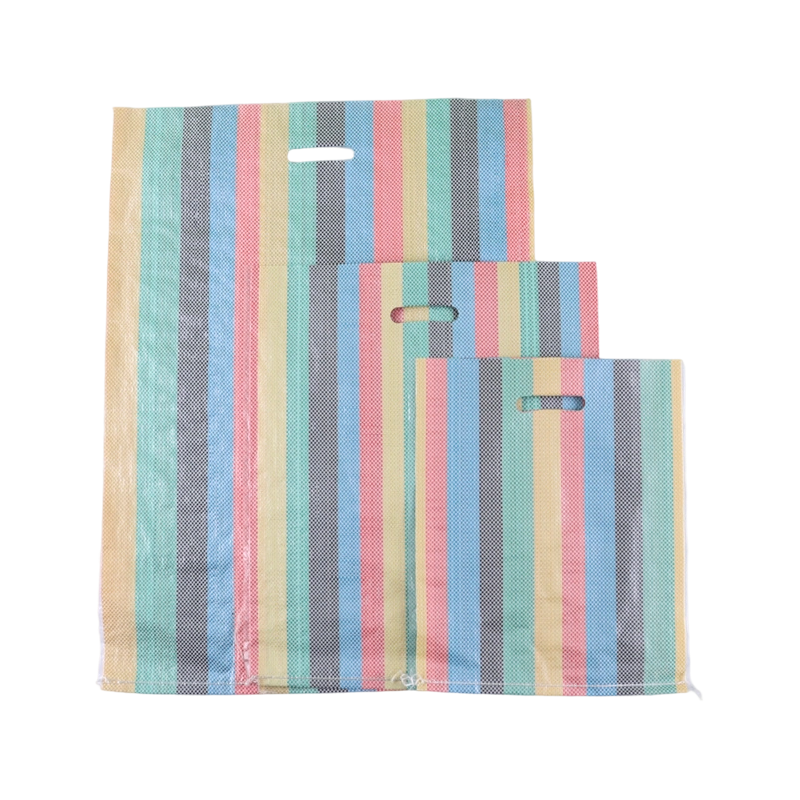
Distribution or Repackaging: Even though it' s not designed for retail use, lighter versions sometimes appear in distribution or repackaging flows where goods are handled in smaller batches before reaching end users.
Comparison with other packaging materials in real use
| Packaging Material |
Main Difference |
Typical Strength |
Typical Consideration |
| Paper Packaging |
Suitable for retail or branding-focused situations |
Moderate |
Can lose strength faster when humidity or pressure increases |
| Plastic Film Packaging |
Better sealing performance |
Lower structural support |
Works better for liquids or very fine materials |
| Non-Woven Materials |
Lighter and more flexible |
Moderate |
Less suitable for heavier loads or rough handling |
| Multi-Layer Composite Packaging |
Higher overall protection |
High |
Higher production cost and more complex structure |
| Woven Polypropylene |
Balanced structural performance |
High |
Reliable for many everyday industrial situations |
If you look at paper packaging, the main difference shows up when there is moisture or heavier loading involved. Paper can still work well in retail or branding-focused situations, but in real storage or transport conditions, it tends to lose strength faster when humidity or pressure increases.
Plastic film packaging is a different case. It works better when sealing is important, especially for liquids or very fine materials. But in terms of stacking or structural support, it' s not as strong as woven structures, so it behaves differently in logistics.
Non-woven materials are usually lighter and more flexible. They are fine for simple or promotional use, but when the load becomes heavier or handling gets rough, they don' t hold shape as well as woven fabric does.
Multi-layer composite packaging sits on another level. It offers stronger protection overall, especially for sensitive materials, but the production cost is higher and the structure is more complex. It' s usually used only when higher barrier performance is really needed.
Because of these differences, woven polypropylene ends up in a kind of middle position. It doesn' t try to replace everything else, but it works well in a lot of everyday industrial situations where you just need something reliable, not overly specialized.
Why different versions exist in production
In real manufacturing, this type of packaging doesn' t stay in a single fixed format. It changes quite a lot depending on what it is actually going to carry and how it will be used later.
For example, when the load is heavier, factories usually increase the fabric density or use thicker yarn. On the other hand, if the main goal is to control cost for large volume orders, a lighter structure is often enough and becomes more common.
Surface treatment is another area where you see differences. Some versions are left in a more basic state without coating, while others get laminated or coated when there is a need for better moisture protection or clearer printing on the surface.
Even the way the bag is closed is not always the same. Some are simply stitched at the top, while others use heat sealing, and in powder-related industries you will also see valve-style designs that match filling equipment.
All of these variations come from practical handling requirements in different industries. It' s less about design choices and more about matching real working conditions.
Practical limitations seen in real applications
Even though this material is widely used, it is not suitable for every scenario.
One limitation is moisture sensitivity in untreated versions. Extended exposure to humidity can affect strength and stability.
Another limitation is appearance. Compared with retail-oriented packaging, woven polypropylene has a more industrial look, which may not fit branding-heavy applications.
It is also not ideal for very fine or sensitive materials unless additional inner protection is used.
Finally, it is not designed for consumer reuse cycles in the way shopping bags or fabric totes are. Its main role is functional rather than lifestyle-oriented.
How the material is evolving in modern supply chains
Development in this category is gradual rather than disruptive.
One direction is improved coating technology, especially in applications where moisture resistance and print quality both matter.
- Another direction is material optimization, where lighter fabric structures are being used to reduce cost and raw material consumption without sacrificing too much strength.
- There is also growing attention to recyclability and environmental impact, especially in regions where packaging regulations are becoming stricter.
- At the same time, usage is expanding beyond traditional bulk transport into adjacent fields such as e-commerce logistics and branded industrial packaging.
One direction is improved coating technology, especially in applications where moisture resistance and print quality both matter.
Another direction is material optimization, where lighter fabric structures are being used to reduce cost and raw material consumption without sacrificing too much strength.
There is also growing attention to recyclability and environmental impact, especially in regions where packaging regulations are becoming stricter.
At the same time, usage is expanding beyond traditional bulk transport into adjacent fields such as e-commerce logistics and branded industrial packaging.
Position of PP woven packaging in global logistics systems
In practical terms, woven polypropylene packaging is not positioned as a premium or specialized material. It exists because it solves a very basic requirement in global logistics: moving bulk goods safely and economically.
Its role is functional rather than decorative. It is used because it performs reliably under real transport and storage conditions without adding unnecessary cost or complexity.
In many industries, that balance is more important than innovation, which explains why this packaging format continues to be widely used across global supply chains.



 English
 Español
 عربى
عربى 中文简体
中文简体