


 Guidé Village, Chuiyang, Aojiang Town, Pingyang County, Wenzhou City, Zhejiang Province, China

 English
 Español
 عربى
عربى 中文简体
中文简体
How BOPP Laminated Woven Bags Change Printed Packaging
Date:Sep 04, 2026
A bag of fertilizer sitting on a store shelf next to three competing brands has only a few seconds to catch a buyer's eye before that person moves on to the next product. Printed packaging carries that weight now, well beyond simply telling someone what's inside the bag. It shapes how a product gets recognized, handled, stacked in a warehouse, and eventually noticed by the person actually buying it.
Woven polypropylene bags are being pulled directly into that shift as packaging buyers look for materials that handle both practical duty and visual presentation at once. Among these options, BOPP Laminated Woven Bags have picked up real attention because they combine a woven polypropylene structure with an outer surface built specifically for printed graphics.
That combination changes what the bag is actually doing for the business using it. Rather than treating printing as an afterthought slapped on late in production, packaging manufacturers now get to treat the printed surface as part of the overall packaging design from the very start.
This shift shows up clearly in agricultural products, animal feed, fertilizer, food ingredients, and industrial materials, the whole range of goods that traditionally get packed into woven bags. The packaging still has to survive filling, stacking, transport, and storage exactly like before. It just also needs to communicate product information clearly enough that it stands out on a crowded shelf or in a busy warehouse aisle.
So what exactly is shifting in printed product packaging, and where do these laminated bags actually fit into that bigger picture?
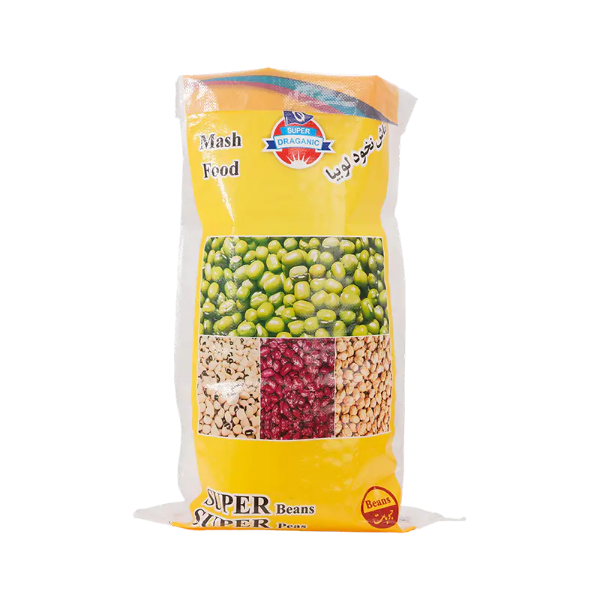
What Makes BOPP Laminated Woven Bags Different?
A conventional PP Fabric Bag starts from woven polypropylene fabric, and that woven structure gives it a practical foundation suited to products needing something flexible yet sturdy on the outside. It holds its shape reasonably well while still bending and folding the way a flexible bag needs to during handling.
A BOPP Laminated Woven bag builds on that same base by adding a BOPP film layer across the surface. That extra layer creates a noticeably smoother outer surface, one that's genuinely suited to carrying printed graphics rather than fighting against the woven texture underneath it.
The practical difference becomes clearer once you think through how a package actually gets used day to day. A plain woven polypropylene surface is mainly designed for practical use, holding the product, handling routine movement, and coping with the usual bumps during distribution without placing much emphasis on visual appeal.
Once that laminated layer enters the picture, the outer surface starts pulling double duty as a genuine visual communication tool. This creates two distinct roles working together inside one product:
| Packaging element | Role in the finished bag |
|---|---|
| Woven polypropylene fabric | Provides the structural backbone that keeps the bag intact through handling |
| Laminated outer surface | Creates a smoother area for printed information and graphics |
That pairing is a big reason Laminated Woven Bags are getting serious consideration for packaging jobs where appearance and practical durability both genuinely matter. The goal isn't just making a woven bag look different for its own sake. It's about putting the available surface to better, more deliberate use than a plain woven fabric ever really allowed.
Why Is Printed Packaging Becoming More Important?
Packaging usually gets only a brief window to communicate with whoever's handling it at any given moment. A product might pass through a warehouse, a distribution center, the back of a delivery truck, a retail shelf, and a storage room, all before anyone actually opens the package to check what's inside.
Printed information does real work during that whole journey, helping identify the product quickly and setting one package apart from a dozen similar-looking ones sitting nearby. For businesses selling products that closely resemble their competitors, packaging often needs to display product names, usage instructions, handling warnings, illustrations, or brand graphics clearly enough to matter at a glance.
A plain, unprinted surface simply can't offer that same visual flexibility. This is precisely where Printed Woven Bags earn their place in the conversation.
The packaging itself effectively becomes part of the product's presentation rather than sitting off to the side of it. Instead of relying on a small separate label stuck onto a plain bag, manufacturers can use a much larger portion of the bag's surface for meaningful visual communication.
For agricultural packaging specifically, this matters when several similar products need quick, unmistakable identification on a busy loading dock. A fertilizer bag, for instance, might need to show clear product details while still holding up fine through ordinary storage and transport handling.
The same basic principle carries over into animal feed, seed packaging, flour, and plenty of other bagged materials moving through similar supply chains. Packaging, as a result, is settling into a more integrated role across the industry, where structure, protection, information, and appearance all get planned together rather than treated as four separate, disconnected concerns.
How Does BOPP Lamination Change the Printing Surface?
The printing surface itself has a direct, visible influence on how packaging graphics actually turn out once printed. Woven fabric carries a naturally textured surface because it's formed from interwoven polypropylene tapes, and that texture is simply part of the material's character.
That same texture, though, can complicate how graphics render across the bag's surface. Fine details or gradients can look slightly broken up when printed directly onto woven fabric, since the underlying weave interrupts the flatness a printer really needs.
BOPP lamination introduces a genuinely different outer layer that solves much of this. The smoother finish gives printers a far more controlled area to work with, letting images, product names, patterns, and other visual elements sit across the bag with a lot more design freedom than raw woven fabric ever allowed.
This distinction matters a great deal for businesses wanting packaging that carries more information without the whole design turning cluttered or hard to read. It also shifts how packaging designers approach the artwork itself from the earliest planning stages.
Rather than treating the woven texture as an unavoidable visual backdrop they have to work around, designers can plan directly against a smoother, more uniform printed surface. That shift is exactly what makes BOPP Laminated Woven packaging genuinely relevant for products where the look of the package plays a real part in someone's purchasing decision.
The printed surface never actually replaces the woven structure sitting underneath it. Instead, the two materials work together, each covering a job the other simply isn't built for.
That distinction matters because the bag still has to perform its basic packaging duties reliably. The printed surface should support that core function rather than becoming the only thing anyone thought about during development.
Can Printed Woven Bags Also Support Product Protection?
Printing only covers half of the packaging conversation at best. A package might look genuinely sharp on the shelf and still run into real trouble during handling if the underlying material isn't actually suited to the job it's being asked to do.
Bags get moved by hand, dropped onto pallets, stacked several high in storage, and dragged across all kinds of surfaces during transport. This is exactly why Woven Polypropylene PP Bags stay relevant even as packaging leans harder into visual presentation than it used to.
The woven polypropylene structure gives the bag its actual functional backbone, while the laminated outer layer adds one more protective surface sitting between the printed design and whatever rough environment surrounds it. For plenty of applications, that extra layer helps the printed area hold up better under repeated handling than a plain printed fabric surface ever could on its own.
Real-world performance still comes down to the complete bag construction and exactly how the package gets used once it leaves the factory. A bag built for agricultural products can face very different demands than one meant for retail shelves or heavier industrial materials.
That's also exactly why packaging decisions shouldn't ever get based on printing alone. The product going inside, the filling process, storage conditions, handling habits, closure style, and the transportation environment all shape whether a particular woven bag format genuinely makes sense for that specific job.
Why Are Brands Looking at Custom PP Woven Bags?
As packaging keeps drawing closer to product presentation overall, standard off-the-shelf formats don't always fit every product coming down the line. A Custom PP Woven Bag hands manufacturers much more control over both the appearance and the functional layout of the finished package.
The bag itself can be built around the actual product rather than forcing that product to squeeze into whatever generic format happens to be available. Customization might touch the printed artwork, the bag's overall structure, how it opens and closes, added carrying features, or the general finished look.
For a product moving through several different sales channels, packaging often needs to communicate in more than one way at once. A bulk package sitting in a warehouse plays a different communication role than a package placed directly onto a retail shelf where a customer picks it up and reads it firsthand.
BOPP laminated construction offers another practical way to bring both of these needs together in one product. A business gets to rely on the woven polypropylene base for the physical packaging job it's always done well, while using the outer laminated surface to actually carry the product's graphics and branding.
This is a big reason a Laminated PP Woven Bag Manufacturer often gets pulled into the conversation earlier than a standard supplier would be. The discussion stops being limited to material selection alone and starts covering artwork, bag construction, production methods, and how the finished package will actually be handled downstream.
The end result is a much closer working relationship between packaging design and the manufacturing process behind it.
How Are Woven Bag Manufacturers Responding to This Shift?
This changing role for printed packaging is reshaping how manufacturers approach woven bag production from the ground up. A Woven Bag Factory today isn't just churning out plain containers for whatever product happens to need packing.
The manufacturing process now often has to account for fabric production, bag construction, lamination, printing, cutting, stitching, and finishing, all coordinated in the same facility rather than handled by scattered subcontractors. For businesses purchasing packaging, that shift makes choosing the right supplier considerably more important than it used to be.
A manufacturer capable of handling several stages of production under one roof makes it much easier to coordinate the relationship between the woven fabric base and the printed outer layer sitting on top of it. It also simplifies communication noticeably whenever artwork changes or packaging requirements shift partway through a production run.
This matters especially for businesses that need Customized PP Woven Fabric or packaging genuinely built around one particular application rather than pulled from a generic catalog. Some buyers, meanwhile, prefer purchasing woven material in roll form to run their own downstream production in-house.
In that case, terms like PP Woven Roll Manufacturer, PP Woven Bag Roll Manufacturer, and Woven Fabric Roll become genuinely relevant parts of that supply chain conversation. The choice between buying finished bags outright and buying woven rolls for further processing really comes down to how a company's own packaging operation is set up internally.
A manufacturer already producing bags in-house tends to prefer working with woven material in roll form. A business looking purely for finished packaging usually works more directly with a dedicated woven bag producer instead.
The underlying shift stays consistent across both approaches. Woven polypropylene packaging keeps becoming more adaptable to a wider range of product presentation needs than it was designed for originally.
Where Do BOPP Laminated Woven Bags Fit in the Packaging Market?
The application range is fairly broad, largely because woven polypropylene packaging already fits products that require flexible bulk packaging. Agricultural products stand out as one of the clearest examples of this.
PP Woven Fertilizer Bags can combine genuinely functional packaging with printed product information sitting right on the surface. Fertilizer packaging often needs to identify the product clearly, communicate usage instructions, and still hold up through ordinary storage and transport handling without tearing or fading.
Urea packaging tends to follow a similar logic in practice. Urea Woven Bags can rely on woven polypropylene construction while adding a printed laminated surface wherever product presentation genuinely matters to the buyer or distributor handling it.
Other applications spread across animal feed, seeds, flour, grains, minerals, chemicals, building materials, and a range of industrial products moving through similar supply chains. Whether a BOPP laminated bag actually suits a given job depends heavily on the product itself and the handling environment it's headed into.
There's no single packaging format that fits every application equally well. For products where printed information plays a central role in identification, the laminated surface offers genuinely useful design flexibility that plain fabric simply can't match.
For applications where appearance plays a smaller part in the whole equation, a standard PP Woven Bag often remains the more practical, sensible choice. This distinction matters for buyers because lamination should always connect back to a real packaging requirement, not get added simply because it's available.
What Should Packaging Buyers Consider Before Choosing BOPP Woven Bags?
The decision genuinely starts with the product itself rather than the bag sitting on a supplier's sample table. Buyers benefit from working through several practical areas before getting into construction details with a supplier.
Product characteristics should come before other considerations. Consider whether the contents are powdery, granular, dry, or sensitive to humidity and temperature, since the packaging needs to actually match how that product behaves during filling and long-term storage.
Printing needs come next. Think through how much information the package genuinely needs to display, since a simple product name calls for a very different design approach than packaging carrying detailed graphics and several visual elements at once.
Handling conditions deserve real attention too. A package passing through several handling stages on its way to a customer may need sturdier construction than one that stays put in a controlled storage environment the whole time.
Storage environment plays its own role in the decision. Humidity, dust exposure, direct sunlight, stacking height, and repeated movement can all shape what the packaging actually needs to survive.
Bag format matters just as much as the material itself. The opening method, closure style, carrying features, and overall construction all need to fit smoothly into the existing filling and handling process already in place.
Production method varies by buyer. Some need finished bags delivered ready to fill, while others look for PP Woven Fabric China suppliers or a PP Fabric Manufacturer that provides raw woven material for further processing in-house.
Customization rounds out the list. When packaging appearance is closely tied to product recognition on a shelf, buyers benefit from discussing printed artwork and bag construction together as one connected conversation, rather than treating them as two separate purchasing decisions made weeks apart.
Working through these areas can make supplier conversations more focused and productive from the beginning. Instead of simply asking for a generic type of bag, buyers can describe exactly how the package will be used and what the printed surface genuinely needs to accomplish for their business.
The manufacturer can then recommend a construction that actually fits those requirements, rather than pushing whatever happens to sit in stock already.
How Are BOPP Laminated Woven Bags Shaping Printed Packaging?
The growing interest in BOPP Laminated Woven Bags reflects a broader change taking hold across packaging design generally. Woven bags aren't viewed purely as functional containers anymore, sitting quietly in the background of a product's journey to the customer. Their surfaces now carry product identity, information, graphics, and visual details that matter to buyers, while the woven polypropylene structure underneath continues to handle everyday packaging demands as intended.




-
 +86-17757792457
+86-15868461338 -
 +8613957706306
-
 [email protected]
[email protected] -
 Guidé Village, Chuiyang, Aojiang Town, Pingyang County, Wenzhou City, Zhejiang Province, China
Copyright ©Zhejiang Hongyang Packaging Co., Ltd.



