PP Woven Fabric: A Practical Look at One of the Most Used Industrial Packaging Materials
PP woven fabric is not a "trend material" in the packaging world. It has been around for decades, quietly doing the heavy lifting in agriculture, construction, logistics, and bulk trade. Most people don' t notice it at first, but once you start looking at how goods move globally, you realize how often this material appears in the background. It is simple in structure, but extremely practical in real use.
What Woven Polypropylene Fabric Actually Is
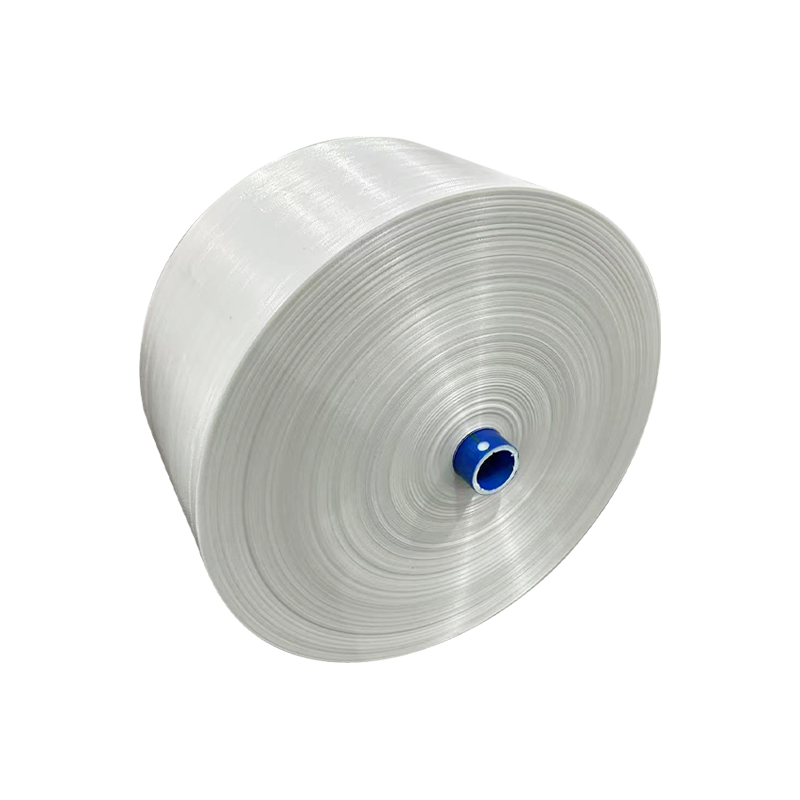
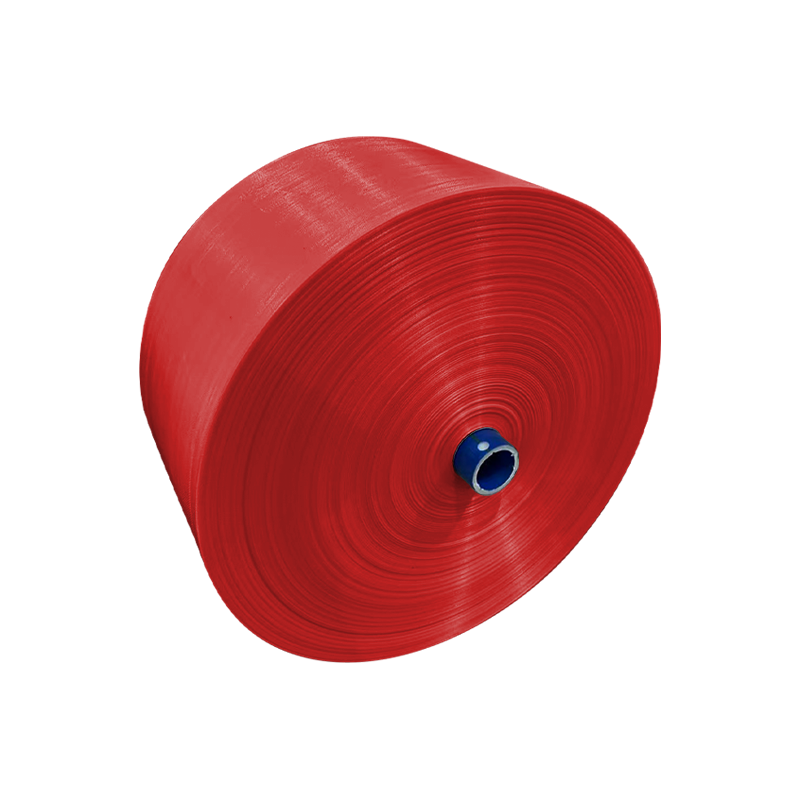
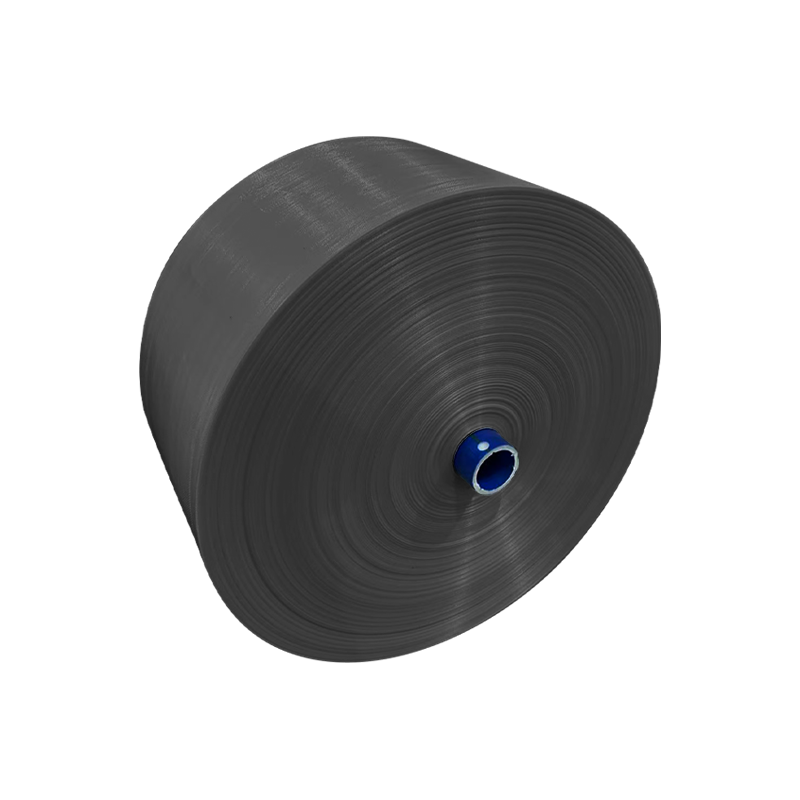
PP woven cloth is made from polypropylene, a thermoplastic material that is melted, stretched into flat strips, and then woven together into a sheet-like structure.
At first glance, it doesn' t look very special. It' s not soft like textile fabric, and it' s not smooth like plastic film. But that woven structure is exactly what gives it strength.
Instead of relying on thickness, it relies on interlaced tension. When force is applied, the stress spreads across the weave instead of tearing a single point.
That' s why it behaves differently from normal plastic sheets.
Why This Material Became So Widely Used
In real-world logistics, packaging doesn' t need to be perfect — it needs to survive.
That' s where PP woven fabric fits in.
It' s widely used because it solves a very practical combination of problems:
- It holds heavy loads without breaking easily
- It stays relatively low in cost even for large volumes
- It works well in mass production environments
- It can be reused more than once in many cases
For industries that move rice, flour, fertilizer, cement, or animal feed, these points matter more than appearance or branding.
How the Structure Affects Performance
The performance of PP woven fabric depends on how tightly it is woven and how much material is used per square meter.
In simple terms:
- A tighter weave = stronger bag
- Higher GSM = better load capacity
- Extra coating = better protection
Without any coating, the material is still strong, but it does not block moisture very well. That' s why it is often upgraded depending on the final application.
It' s not a one-size-fits-all material. Manufacturers adjust it depending on what the end user actually needs.
Where It Is Actually Used
Woven polypropylene fabric rarely appears in its raw form in the market. It is usually converted into finished packaging products first.
Agriculture: In agriculture, it is used for grain, rice, and fertilizer bags. The focus here is simple: strength and cost efficiency.
Construction: In construction, it becomes cement or sand bags, where durability under pressure is more important than appearance.
Logistics and Export Packaging: In logistics and export packaging, it often gets upgraded with coating or lamination so it can survive humidity and long-distance transport.
Retail: In retail environments, it can even turn into reusable shopping bags when designed for consumer use.
So the same base material ends up serving very different industries.
Polypropylene Woven Fabric Compared to Other Materials
In actual packaging sourcing, PP woven cloth usually gets evaluated alongside a few common alternatives. Each material has its own niche, and the choice often depends less on "which is better" and more on what the product needs to survive during transport.
| Material |
Main Characteristics |
Typical Consideration |
| Paper-Based Packaging |
Clean and natural appearance |
Less suitable for moisture or heavy stacking |
| Non-Woven Fabric |
Light and flexible |
More suitable for promotional or lightweight applications |
| PE Film |
Good water resistance |
Limited structural support on its own |
| Natural Fiber Bags |
Natural and eco-friendly image |
Pricing and quality consistency can fluctuate |
| PP Woven Fabric |
Stable, strong, and cost-efficient |
Suitable for large-scale bulk packaging |
Paper-based packaging, for example, is often preferred in markets that care about sustainability or branding. It looks clean and natural, but in real logistics use, it doesn' t hold up well when moisture or heavy stacking comes into play.
Non-woven fabric is another common option. It feels light and flexible, and it works well for promotional or lightweight applications. But once the load becomes serious, especially in bulk goods, its limitations show quite quickly.
PE film performs well when it comes to water resistance. It can protect contents from humidity better than most materials here, but it doesn' t really provide structural support on its own, so it usually needs to be combined with something else.
Natural fiber bags, like jute or similar materials, are often chosen for their "eco-friendly image." In practice though, pricing and quality consistency can fluctuate depending on sourcing and seasonality, which makes them less predictable for large-scale industrial use.
PP woven fabric ends up sitting in the middle of all these options. It doesn' t try to compete on appearance or sustainability messaging. Instead, it focuses on being stable, strong, and cost-efficient at scale. That practical balance is really what keeps it widely used across bulk packaging industries.
Why PP Woven Cloth Gets Modified So Often
In real production environments, very few customers actually use plain PP woven fabric directly without any adjustment. It usually goes through some kind of upgrade depending on how and where it will be used.
The base material itself is already strong enough for many applications, but once you start dealing with humidity, long-distance shipping, or branding requirements, its limitations become more obvious. That' s where most modifications come in.
One common approach is lamination. This is mainly used when the packaging needs better resistance against moisture, but also when printing quality matters — especially for export-oriented products or branded packaging.
Coating is another frequent adjustment. It' s not always about appearance; in many cases it' s simply to improve barrier performance and make the material more stable in harsher storage conditions.
Then there' s paper layering, which is often used when companies want a more natural or retail-friendly look. It changes the visual perception quite a bit, even though the inner structure is still based on woven polypropylene.
These upgrades aren' t really separate "new materials" in practice. They' re more like different responses to different market expectations.
In export packaging, for instance, protection usually comes first because products may sit in containers for weeks. In retail or consumer-facing packaging, however, appearance and branding often become just as important as strength.
So the variations you see are less about innovation for its own sake, and more about adapting one base material to very different working environments.
Market Demand and Why It Stays Stable
Even with a lot of new packaging materials entering the market in recent years, Polypropylene woven fabric is still very much in use. In fact, in most bulk packaging categories, it hasn' t really been displaced.
The main reason is pretty straightforward. Global trade still relies heavily on physical goods moving in large volumes, and those goods need packaging that can handle weight, stacking pressure, and long transit times without pushing costs too high.
That' s why industries like agriculture exports, construction supply chains, and general industrial materials continue to rely on it. When buyers search for things like "PP woven fabric manufacturer China" or "bulk woven polypropylene bags supplier," it usually reflects ongoing, repeat sourcing needs rather than one-off purchases.
It' s less about trends in packaging and more about how supply chains actually work in practice.
Real-World Limitations
Of course, PP woven fabric isn' t perfect, and most people working with it already know that from daily use rather than theory.
The most obvious issue is moisture resistance. In its basic form, the fabric doesn' t really block humidity or water exposure. If products are stored in damp environments or exposed during transport, additional protection is usually required.
Another limitation is appearance. Without any surface treatment, it looks very industrial. It doesn' t naturally fit into premium branding or retail presentation unless it goes through lamination or some kind of surface upgrade.
That said, in most heavy-duty applications, these drawbacks are usually expected rather than problematic. They' re more like known conditions that manufacturers design around, not deal-breaking flaws.
Where the Material Is Heading
Looking at current industry trends, Polypropylene woven fabric isn' t really moving toward replacement. It' s more accurate to say it' s slowly being adjusted to fit different expectations.
On the production side, a lot of manufacturers are focusing on reducing material usage while keeping strength stable. Lightweight versions are becoming more common, especially where shipping cost matters.
Recyclability is also getting more attention, especially from international buyers who need to meet stricter environmental requirements in their local markets.
At the same time, printing and branding capabilities are improving quite a bit compared to earlier years. This is especially important for companies that want packaging to do more than just carry products.
We' re also seeing more hybrid structures — for example, combinations of paper layers with woven fabric — mainly for brands that want a more natural visual identity without giving up strength.
What' s interesting is that demand is no longer purely industrial. A portion of usage is slowly moving toward retail-oriented packaging and consumer-facing products, which wasn' t as common before.
Why PP Woven Fabric Continues to Play a Key Role in Global Packaging
Woven polypropylene fabric is not the kind of material that gets attention on its own. It doesn' t position itself as innovative or premium, and it doesn' t really need to.
Its role is much more practical. It quietly supports a large part of global logistics where performance, cost control, and reliability matter more than appearance.
That' s also why it has stayed relevant for so long. As long as bulk goods still need to move across countries and supply chains, there will be a place for materials that simply work without adding unnecessary complexity.



 English
 Español
 عربى
عربى 中文简体
中文简体