


 Guidé Village, Chuiyang, Aojiang Town, Pingyang County, Wenzhou City, Zhejiang Province, China

 English
 Español
 عربى
عربى 中文简体
中文简体
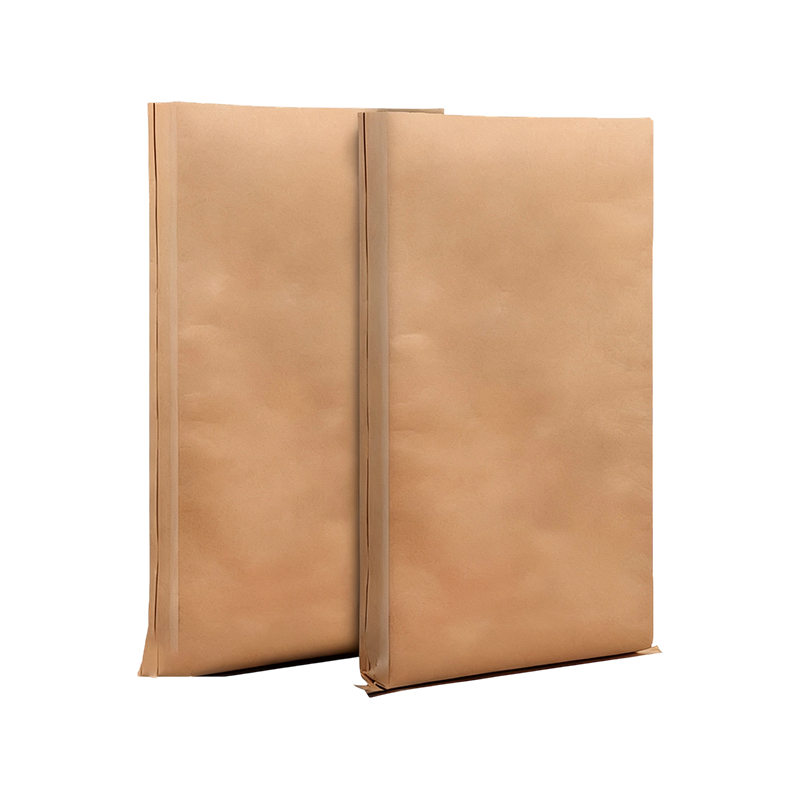
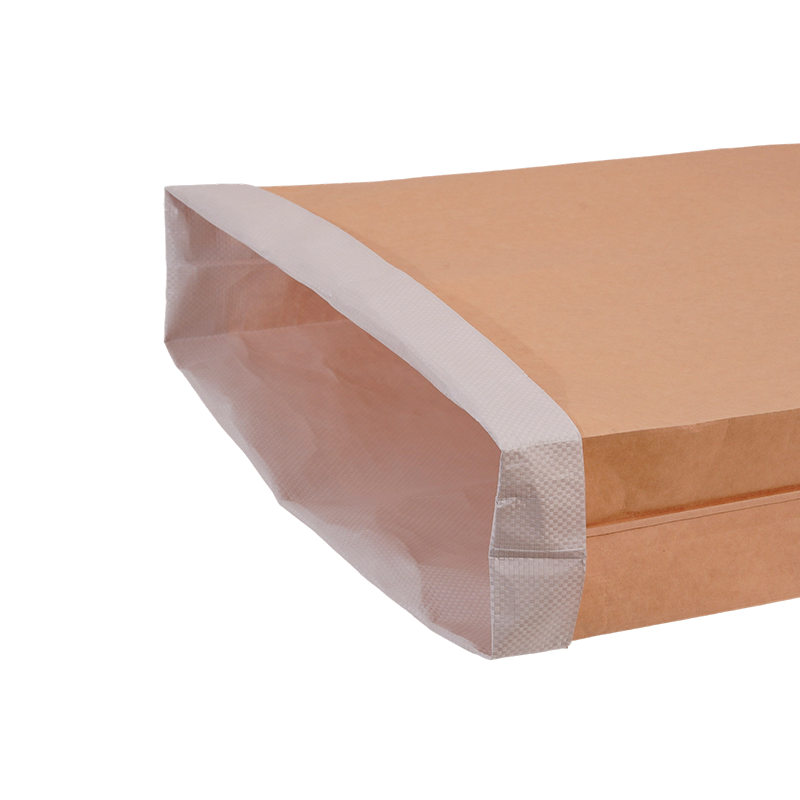
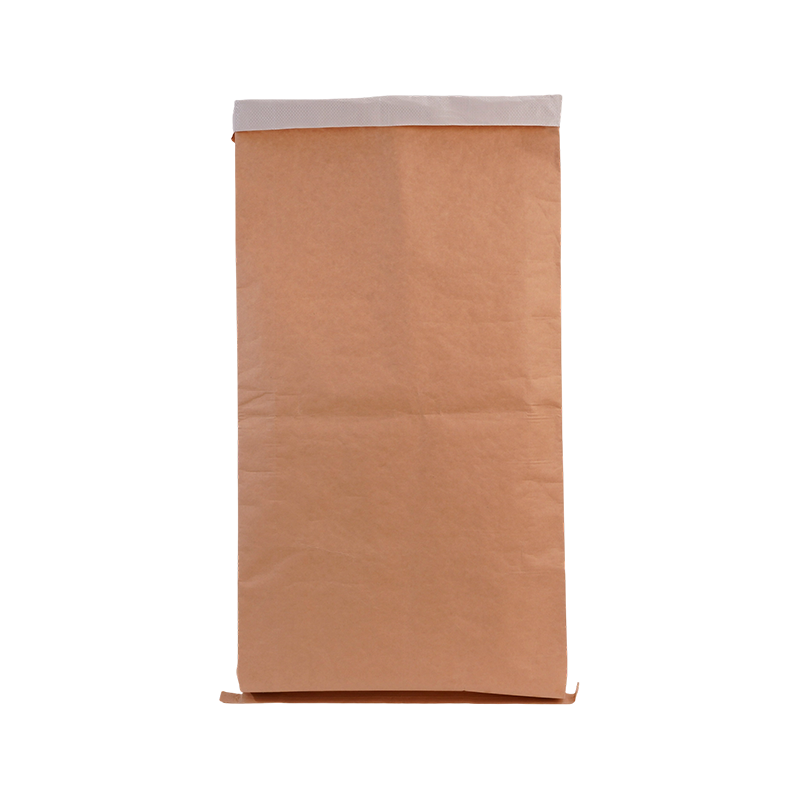
25kg Kraft Paper-Plastic Composite Chemical Plastic Granule Packaging Bag
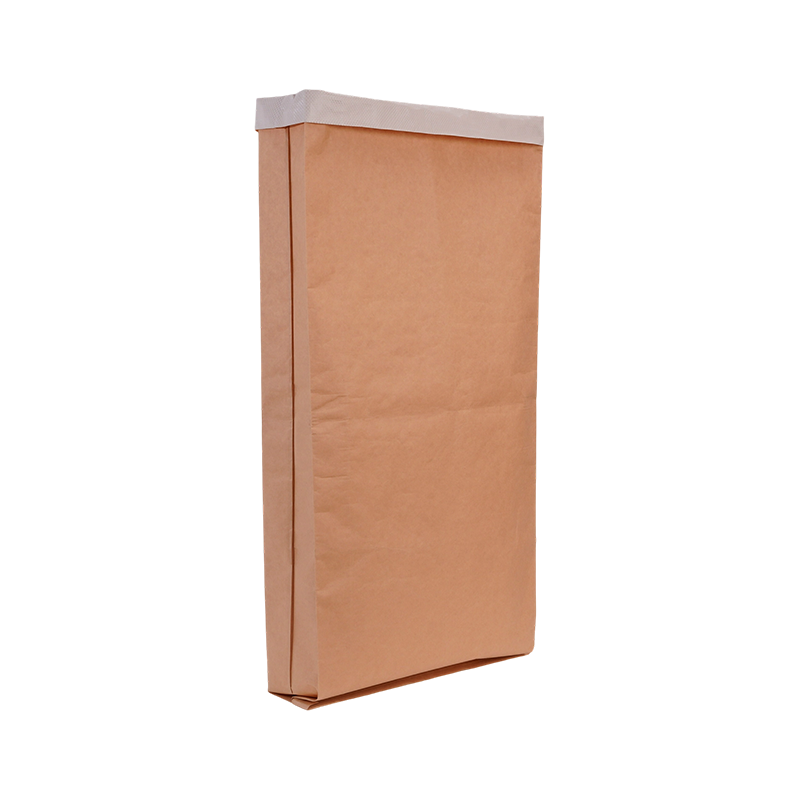
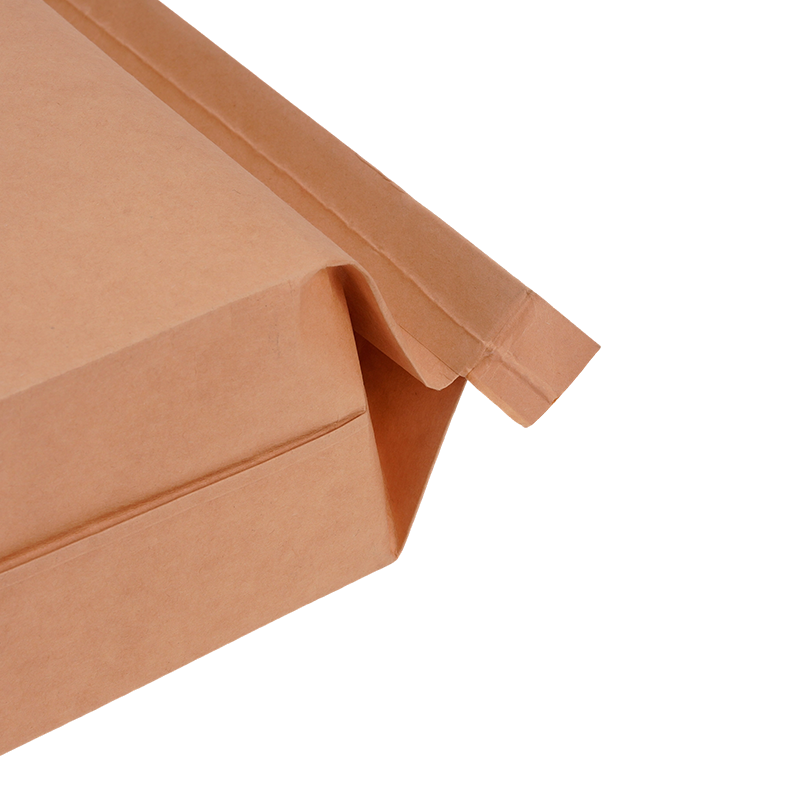
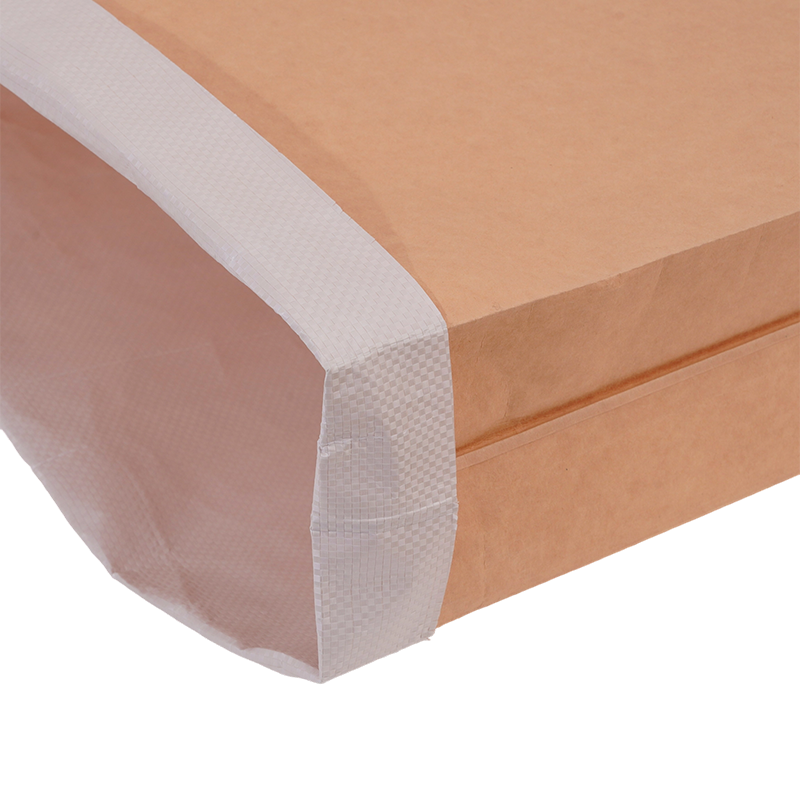
This 25kg paper-plastic composite bag features a three-layer reinforced structure: kraft paper, strong PP woven fabric, and a PE inner film. It combines the sturdy appearance of paper bags with the high load-bearing capacity of woven plastic bags, making it a commonly used high-performance packaging bag in industries such as chemical raw materials, plastic granules, resin powders, and additives. The outer kraft paper layer features clear printing and can be professionally customized with logos, patterns, and product information to meet specific company needs, enhancing brand recognition during transportation and warehousing.
The bag body is reinforced, offering advantages such as puncture resistance, tear resistance, moisture resistance, and abrasion resistance. The inner PE film effectively prevents moisture and dust leakage, ensuring the stability of materials during transportation, stacking, and long-term storage. Suitable for automatic filling equipment, the seal is smooth and secure, preventing bag breakage.
The paper-plastic composite bag is a reliable industrial packaging solution that integrates high load-bearing capacity, excellent moisture resistance, and strong printability.
Description
Application
Production Process
Packaging Process
Description
|
Product Type |
Kraft Paper Bag |
|
Color |
Brown |
|
Capacity |
25kg or customizable |
|
Use |
Packaging bag for chemical plastic granules |
|
Features |
Kraft paper woven bag (three-layer composite) |
|
Customizable |
logo, text, pattern |
|
Closure Type |
Open End |
|
MOQ |
5000pcs |
|
100 bags per pack |
|
|
5 Packs per case (500 total bags) |
|
Application
-
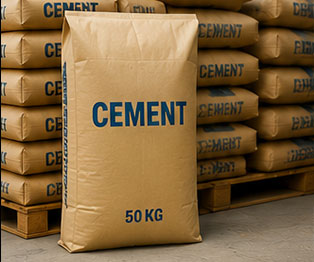 Chemical
 -
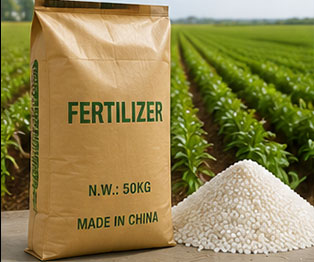 Fertilizer
 -
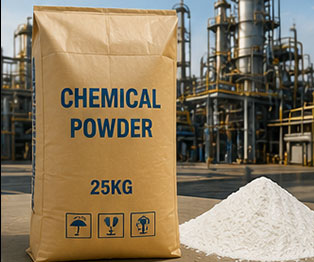 CHEMICAL POWDER
 -
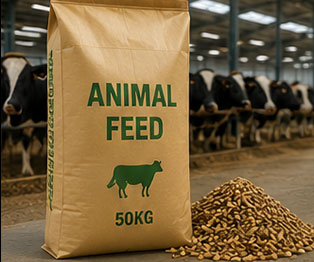 ANIMAL FEED
 -
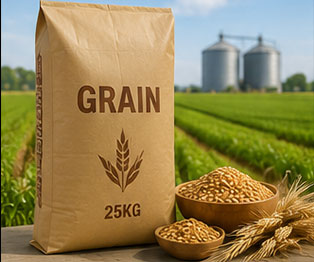 GRAIN
GRAIN -
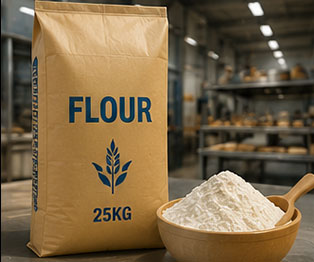 FLOUR
FLOUR -
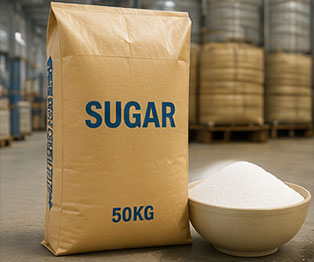 SUGAR
SUGAR -
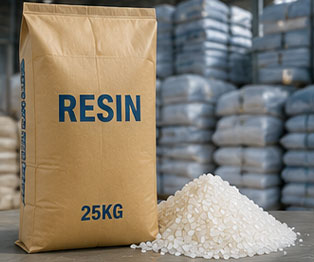 PLASTIC RESIN
 -
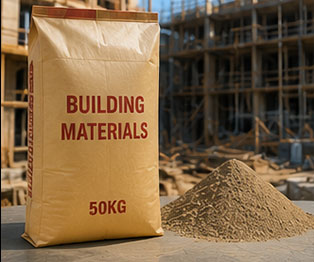 BUILDING MATERIALS
PRODUCTION PROCESS
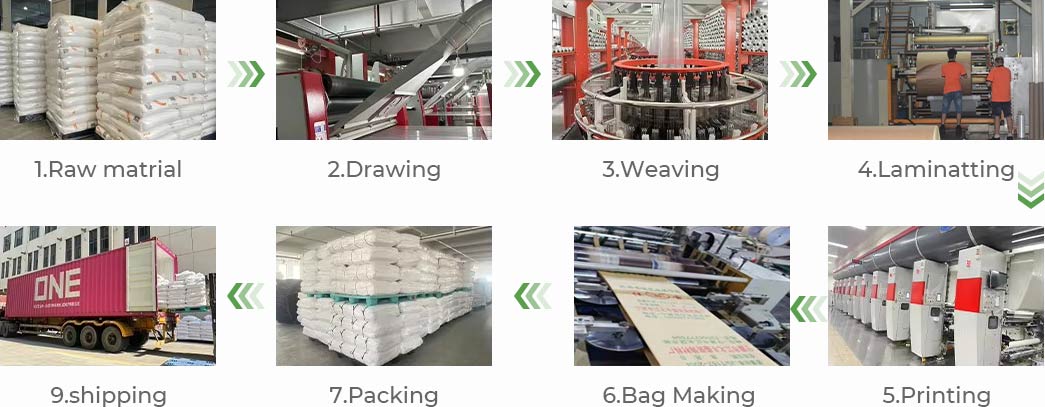
Packaging process
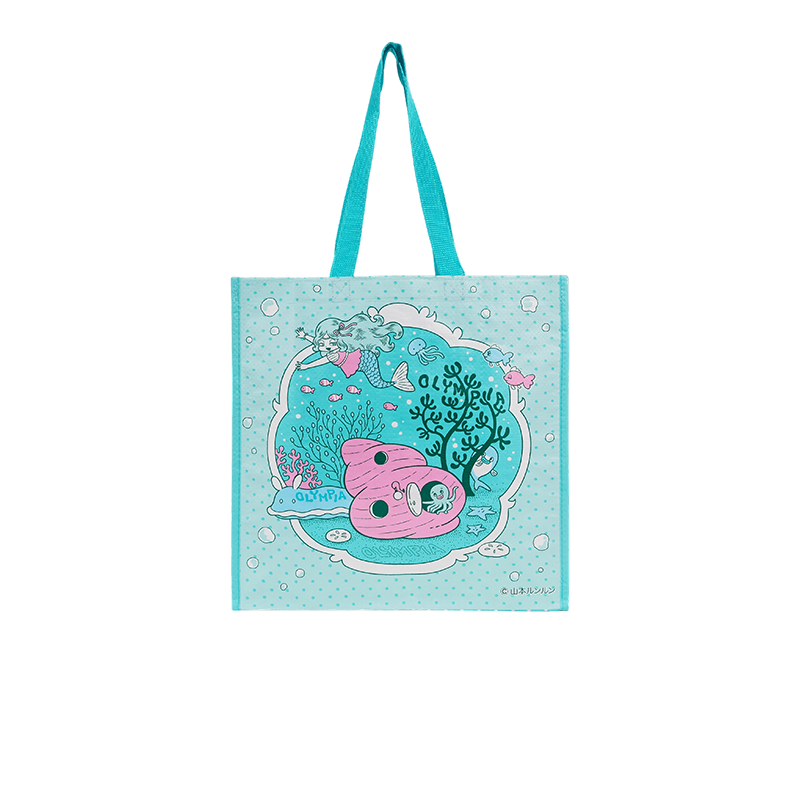
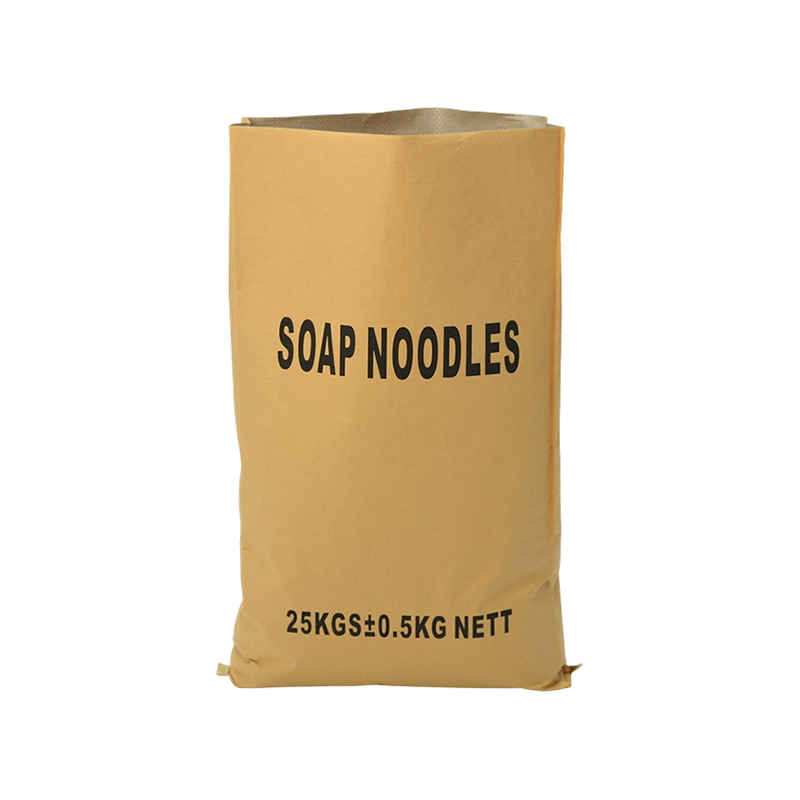
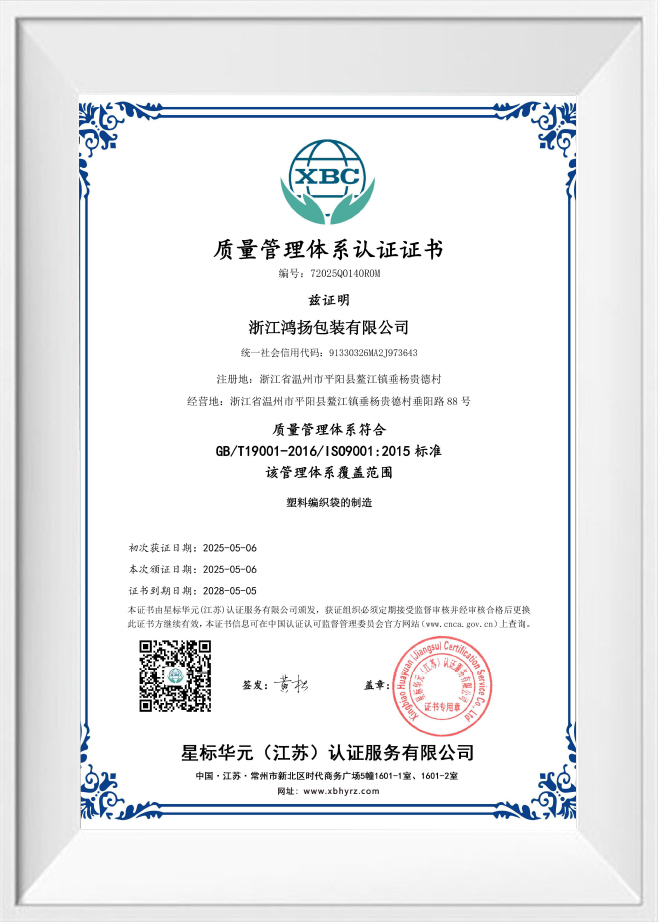
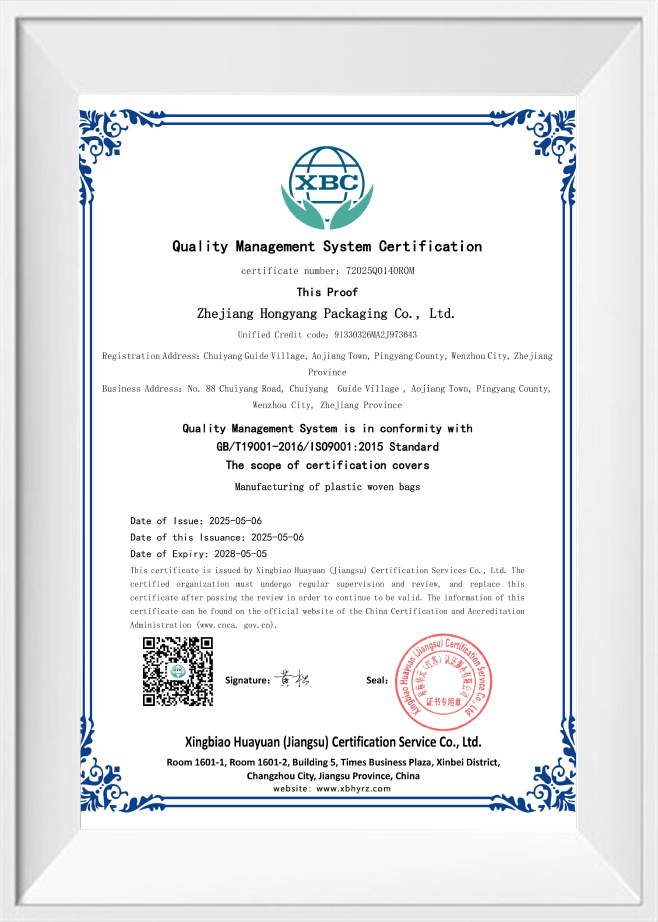
-
Anyone who's watched a delivery truck pull away from a warehouse loading dock, leaving behind a stack of empty transport bags destined for another shipment next week, has seen a small piece of a muc...
View MoreView More -
Walk into a bag conversion plant and you won't find pallets of finished packaging sitting around waiting for a buyer. What you'll find instead are rolls of woven fabric stacked near the printing lin...
View MoreView More -
Anyone who has dealt with export cartons knows the woven bag is doing more work than it gets credit for. It takes the abrasion from container floors, the friction from stacking, and the abuse of for...
View MoreView More -
A bag of fertilizer sitting on a store shelf next to three competing brands has only a few seconds to catch a buyer's eye before that person moves on to the next product. Printed packaging carries t...
View MoreView More -
A customer walking out of a farmers market with a sturdy woven bag slung over their shoulder treats it differently than someone tossing a flimsy plastic bag straight into the trash before they've ev...
View MoreView More -
Polypropylene molecular structure. He thinks about whether the bag will tear when he drops it from the tailgate. That gap between the material science and the loading dock reality is exactly why PP wo...
View MoreView More -
Sourcing the wrong PP material for woven bag production creates problems that do not always surface immediately. A fabric that processes well in initial runs may show inconsistent tensile performance ...
View MoreView More -
A rice farmer loading fifty-kilogram sacks onto a truck bed cares about different things than a retailer stacking bulk pet food bags on a store shelf, and both care about different things than a const...
View MoreView More -
An exporter loading a container knows the real test of packaging doesn't happen in the warehouse — it happens somewhere in the middle of a weeks-long sea voyage, in a truck bed bouncing over a poorly ...
View MoreView More -
A buyer staring at three nearly identical quotes for Woven Polypropylene PP Bags usually asks the same quiet question: why does one supplier promise so much more carrying power than another when the f...
View MoreView More -
An order comes in for a batch of packaging, and suddenly you're staring at two very different options that both claim to solve the same problem. Woven Polypropylene PP Bags on one side, reusable shopp...
View MoreView More -
Industrial packaging budgets absorb pressure from every direction — rising freight costs, tighter margins on bulk commodities, and the recurring expense of damaged goods that should have arrived intac...
View MoreView More
Contact Us




-
 +86-17757792457
+86-15868461338 -
 +8617757792457
-
 [email protected]
[email protected] -
 Guidé Village, Chuiyang, Aojiang Town, Pingyang County, Wenzhou City, Zhejiang Province, China



