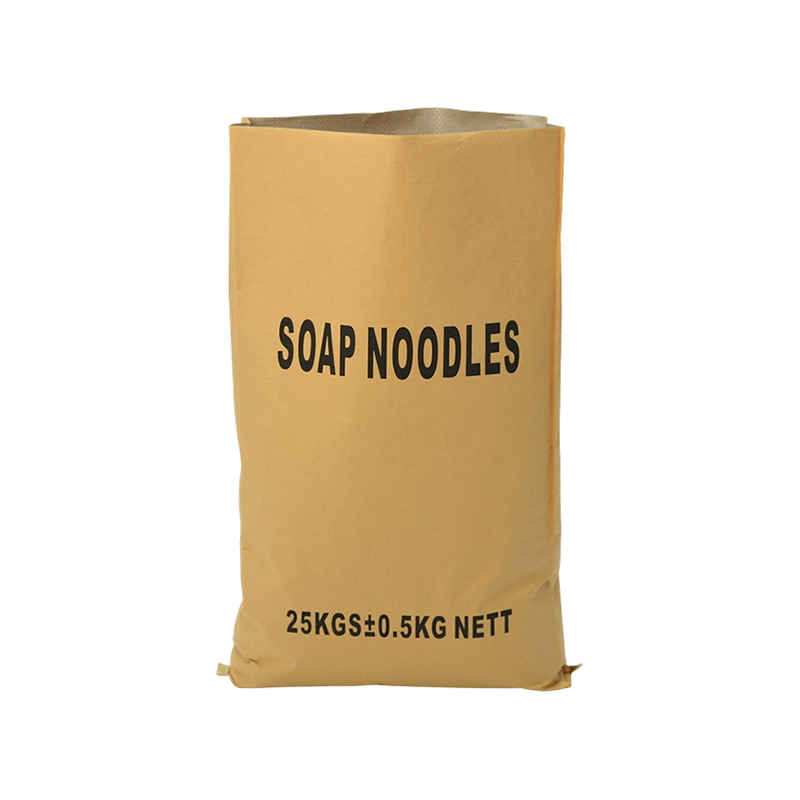
Home / Products / PP Woven Bag / 40kg Woven Bags For Packaging Chemical Products Urea

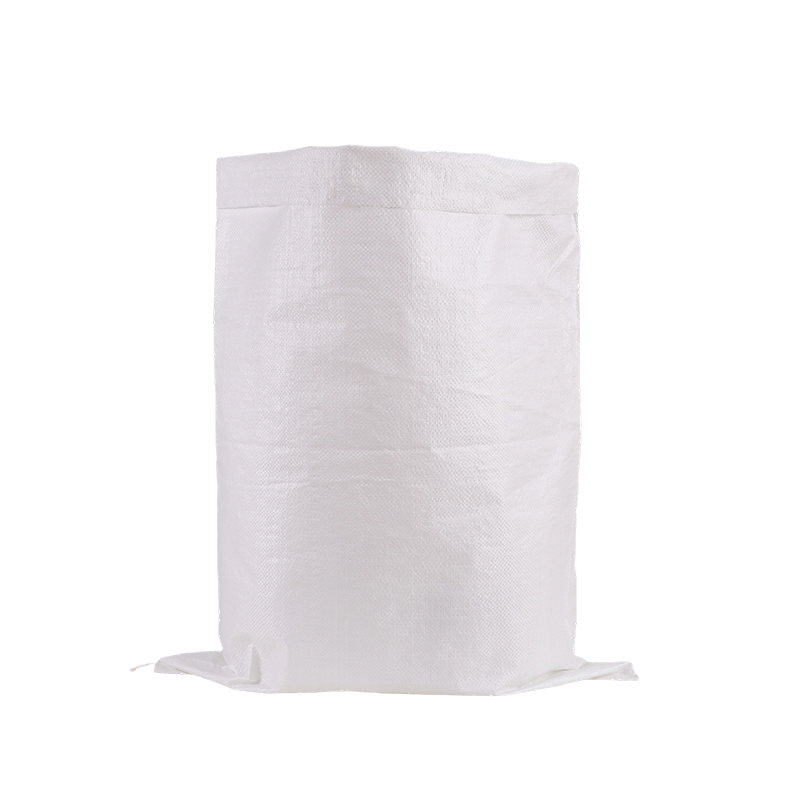
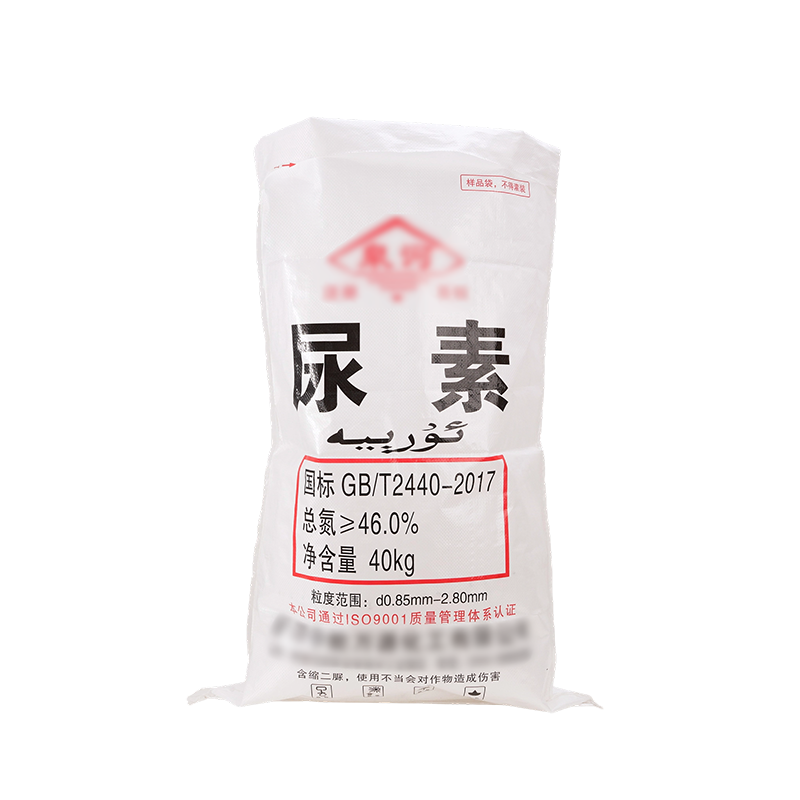
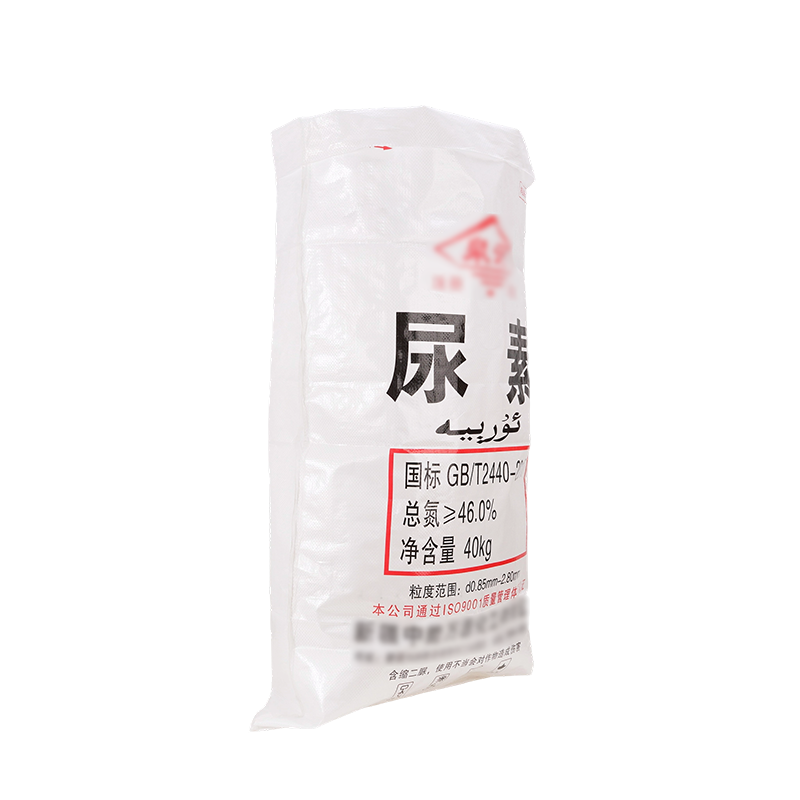
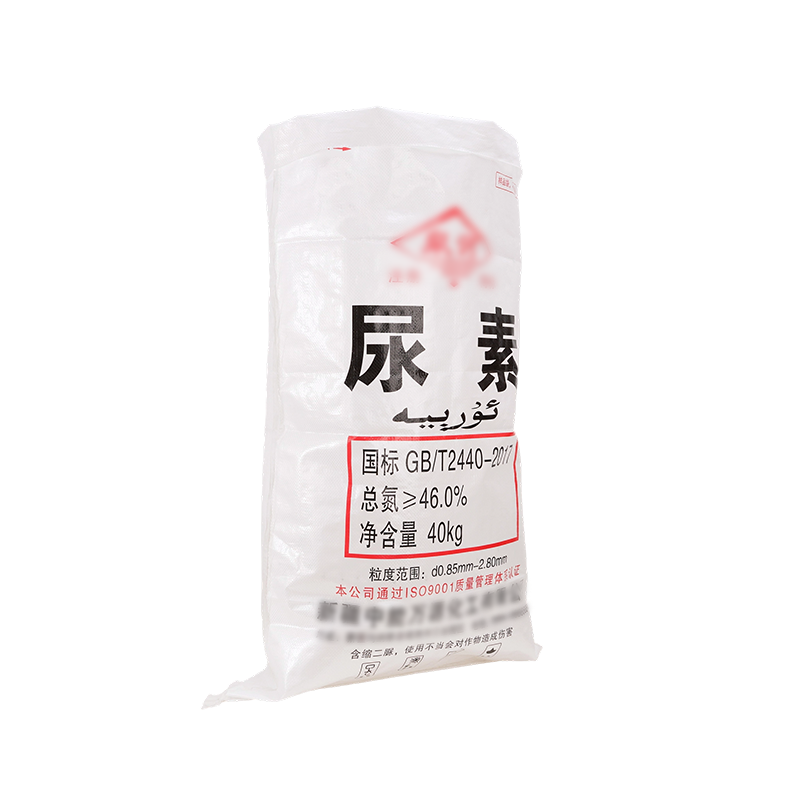
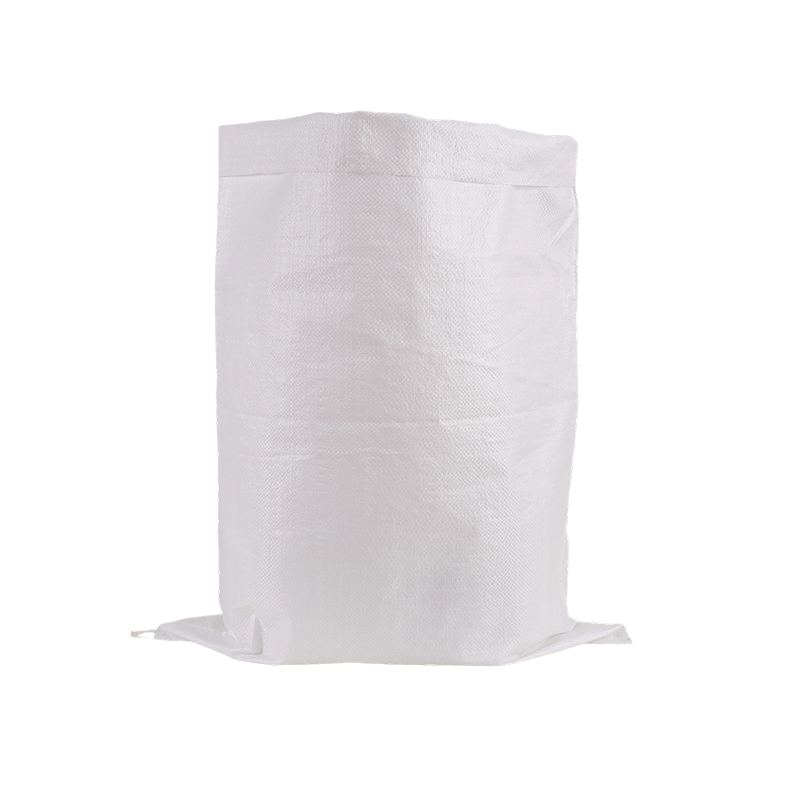
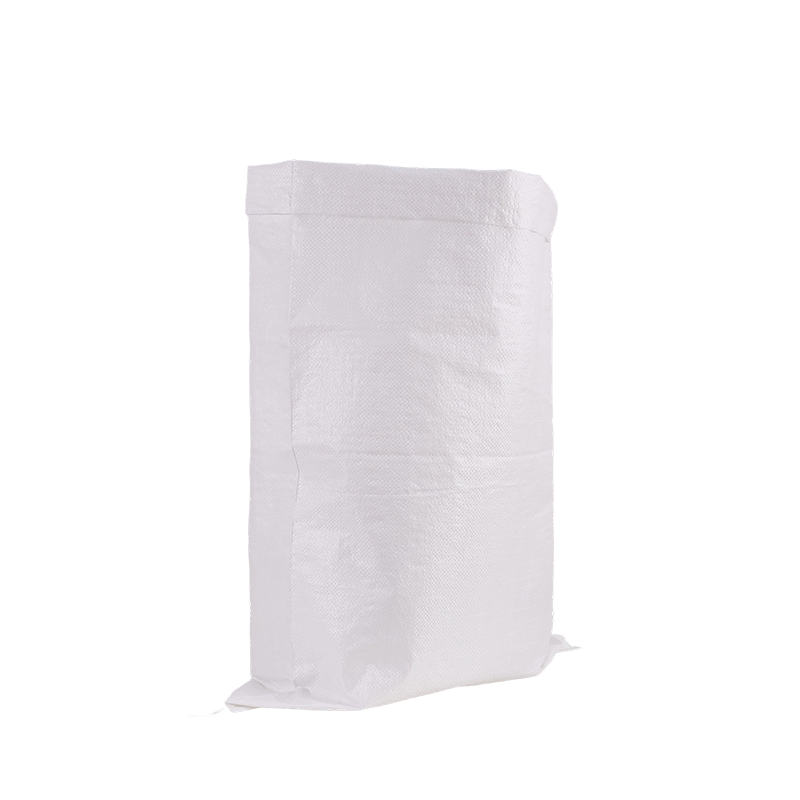
40kg Woven Bags For Packaging Chemical Products Urea

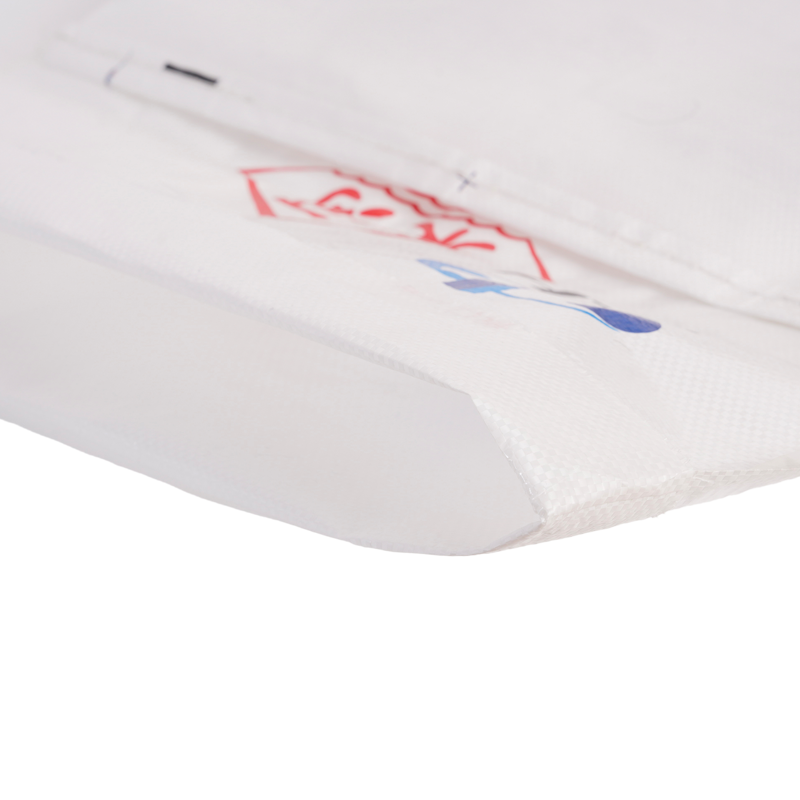
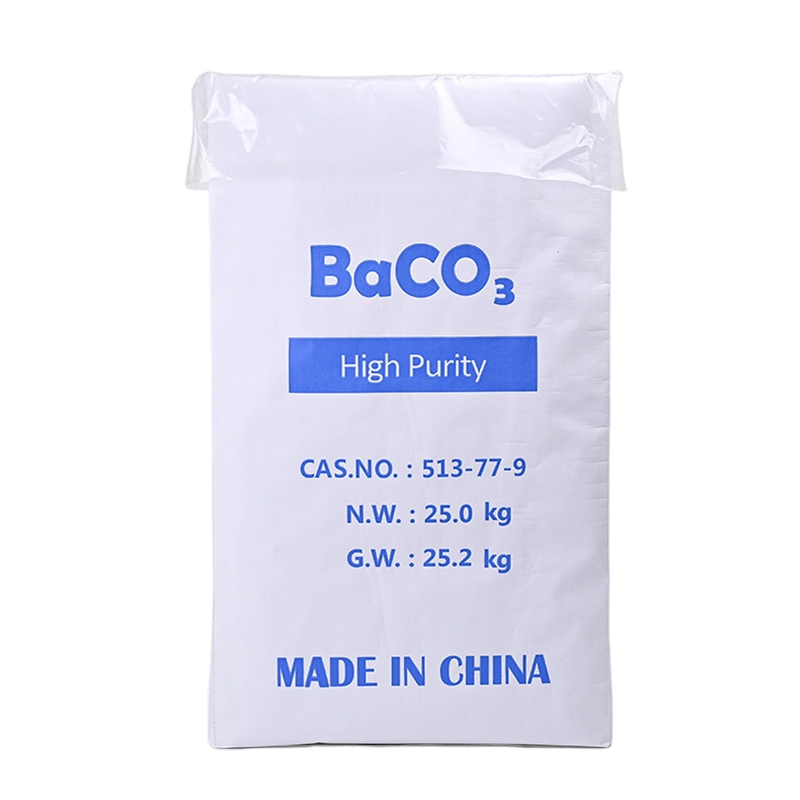
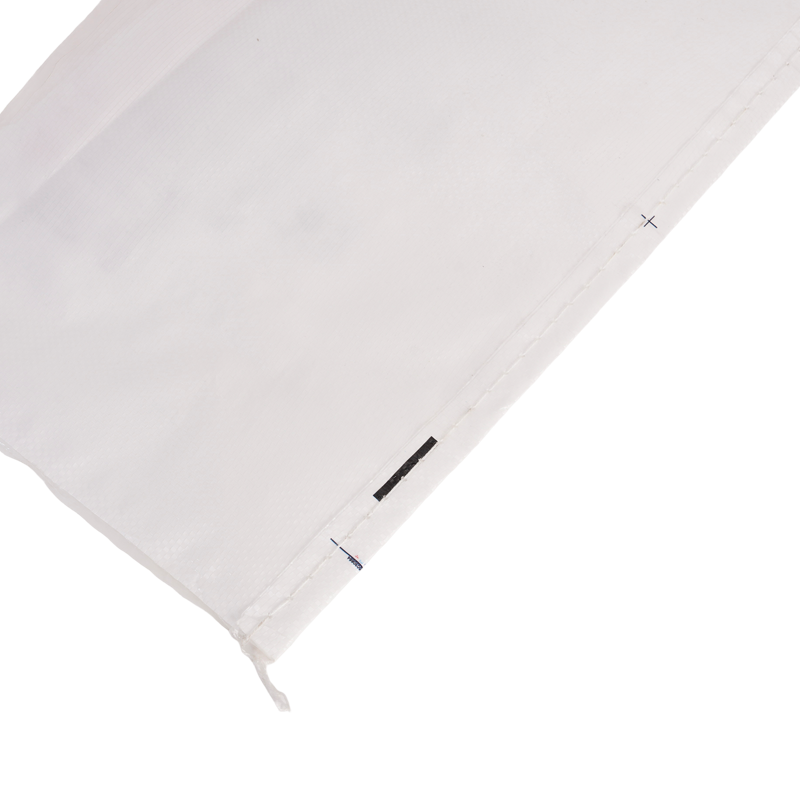
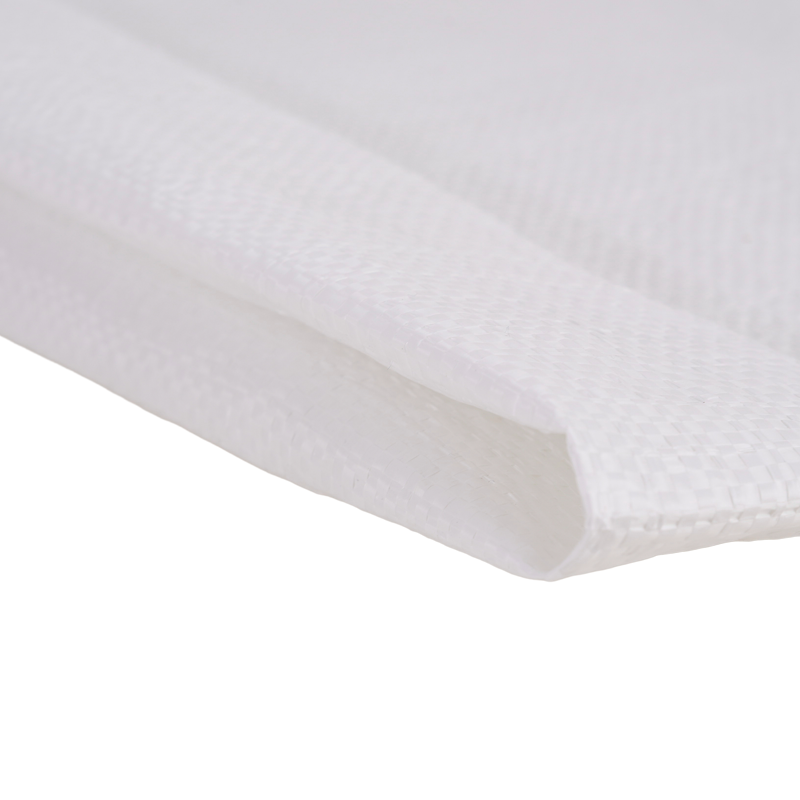
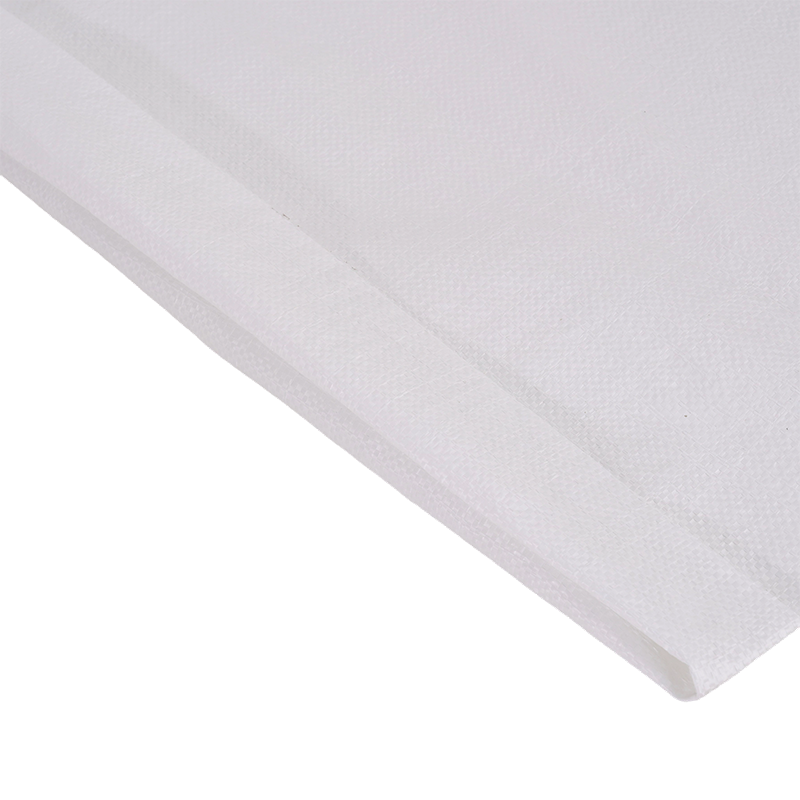
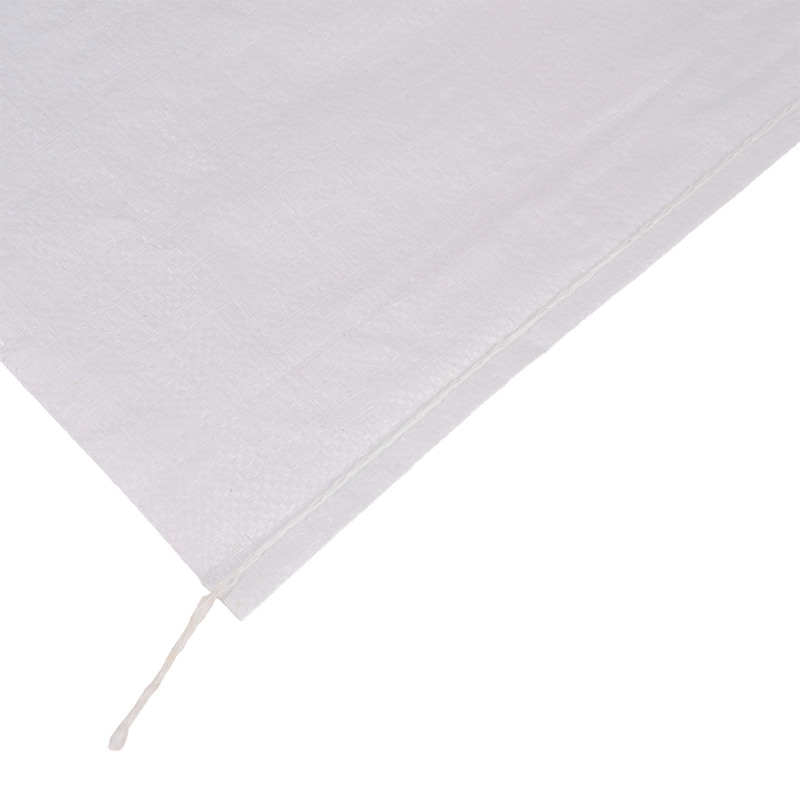
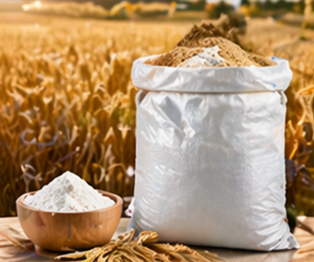
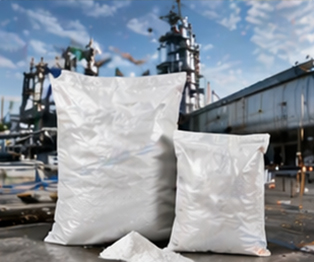
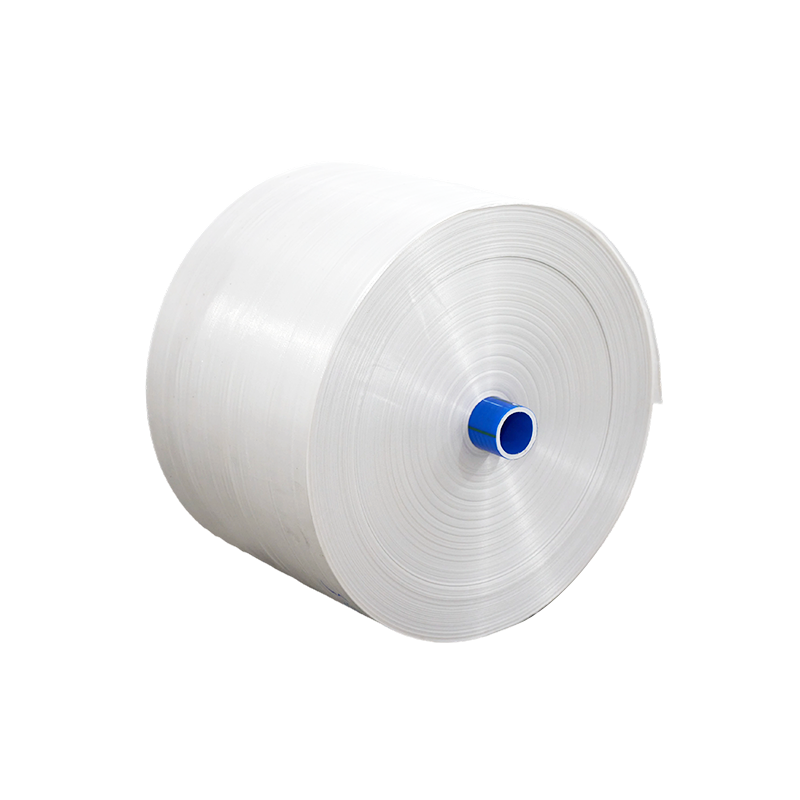
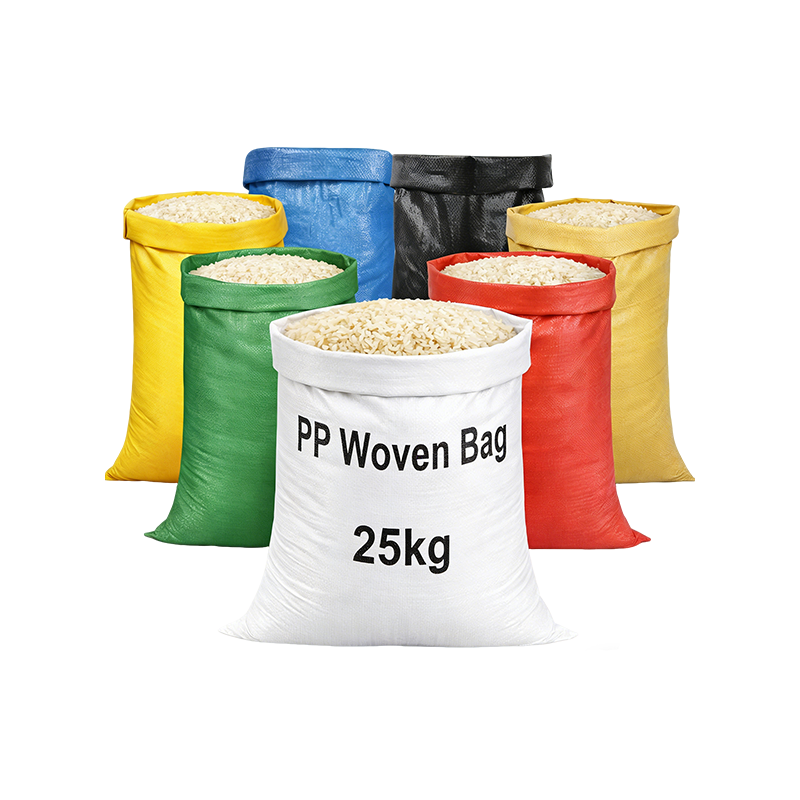
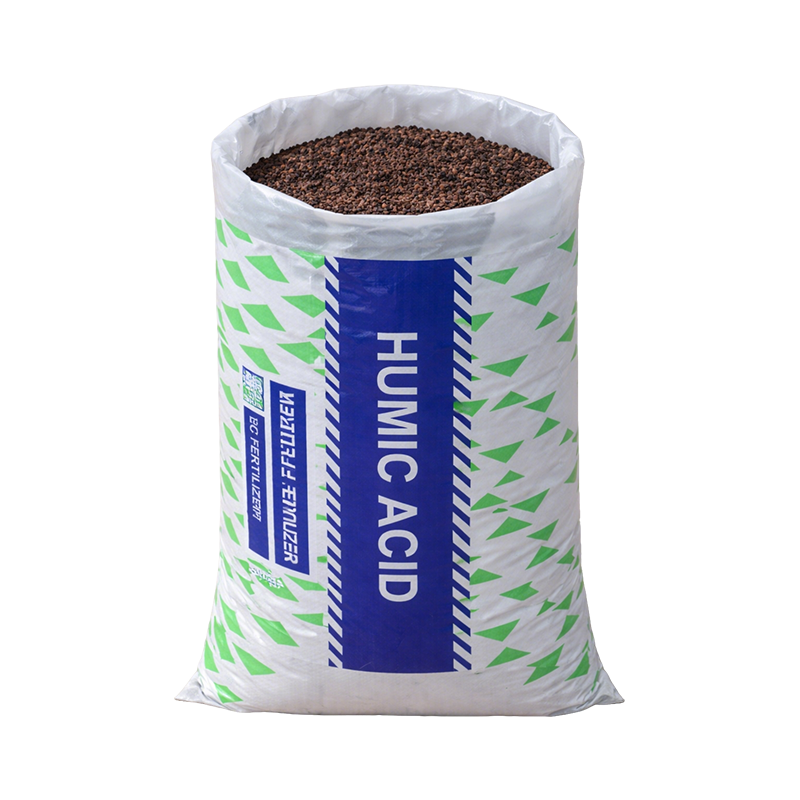
This 40 kg woven bags for packaging chemical products urea uses a robust PP woven substrate with a laminated coating, providing excellent tear resistance, moisture resistance, and abrasion resistance, ensuring stable and reliable operation during transportation, stacking, and outdoor storage.

The package contains high-concentration urea fertilizer with a nitrogen content of approximately 46%, a commonly used and cost-effective nitrogen source in agriculture, suitable for promoting growth and increasing yields in various crops.

The laminated structure effectively isolates moisture, preventing urea from absorbing moisture and clumping, maintaining granule flowability and fertilizer efficacy stability.

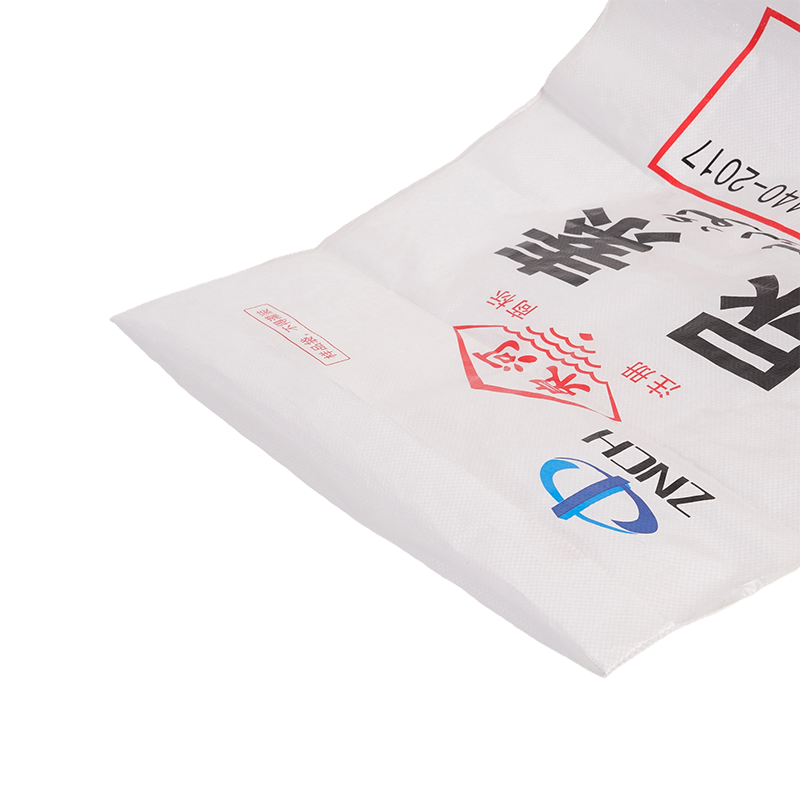
The bag can be customized with printed important information, and its durable structure makes it an efficient and safe packaging choice for agricultural production and fertilizer distribution.
  • 40kg Woven Bags For Packaging Chemical Products Urea
  • 40kg Woven Bags For Packaging Chemical Products Urea
  • 40kg Woven Bags For Packaging Chemical Products Urea
  • 40kg Woven Bags For Packaging Chemical Products Urea
  • 40kg Woven Bags For Packaging Chemical Products Urea
  • 40kg Woven Bags For Packaging Chemical Products Urea
  • 40kg Woven Bags For Packaging Chemical Products Urea
  • 40kg Woven Bags For Packaging Chemical Products Urea
  • 40kg Woven Bags For Packaging Chemical Products Urea
  • 40kg Woven Bags For Packaging Chemical Products Urea
  • 40kg Woven Bags For Packaging Chemical Products Urea
  • 40kg Woven Bags For Packaging Chemical Products Urea
  • 40kg Woven Bags For Packaging Chemical Products Urea
  • 40kg Woven Bags For Packaging Chemical Products Urea

Description

Application

Production Process

Packaging Process

FAQ

Contact Us

Description

Product Type

Laminated Woven Bag

Material Structure

PP

Characteristics

Recycled Material/New Material

Size

Max Width:120cm;Max Length:300cm

Thickness

50-120g/㎡

Sealing Method

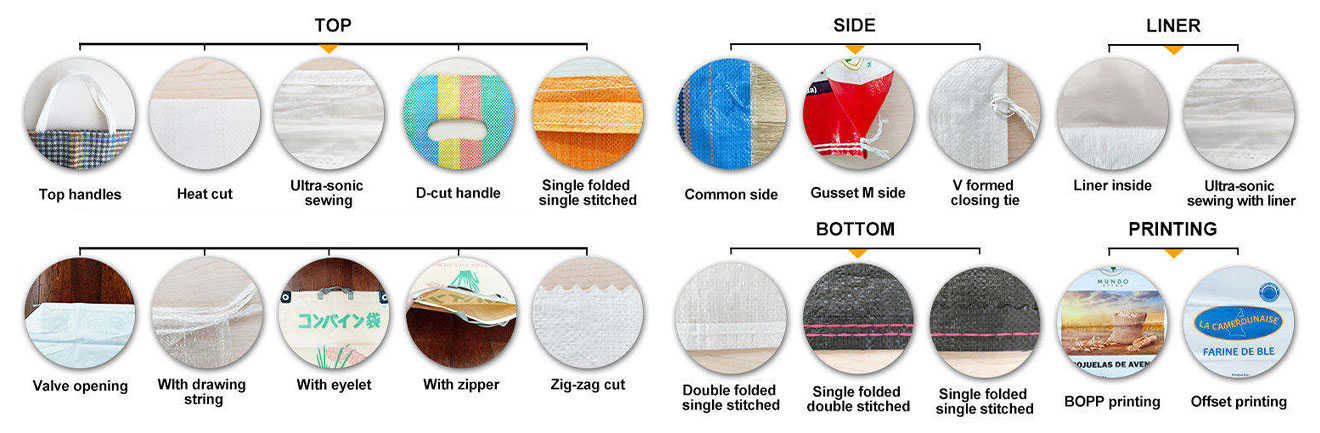
Sewn bottom closure(Single-fold single/double stitch closure,Double-fold single/double stitch closure,Stitched closure with paper tape,Plain sewn bottom);

Heat-sealed closure;square bottom bag;

Surface Printing

Gravure Printing/Rubber plate printing/Flexo printing/Screen printing/Laminated color printing/Digital printing

Certificates

ISO9001,ISO45001,BSCI,ROSH,REACH

Applications

Corn, soybeans, dates, peanuts, wheat, grains, crops, etc.

Minimum Order Quantity

5000pcs

Delivery Time

5-25days

Application

  • Application
    AGRICULTURE
  • Application
    CONSTRUCTION
  • Application
    CHEMICAL INDUSTRY
  • Application
    FOOD INDUSTRY
  • Application
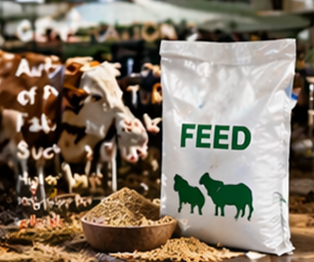
    ANIMAL HUSBANDRY
  • Application
    LOGISTICS & TRANSPORTATION
  • Application
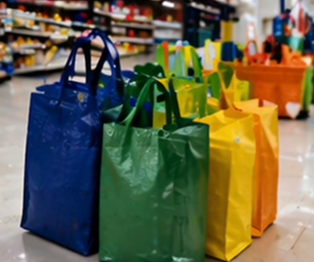
    RETAIL & SHOPPING
  • Application
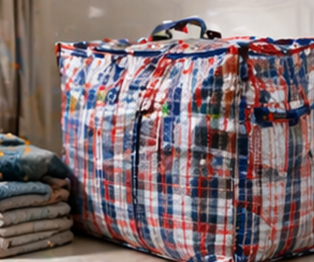
    HOUSEHOLD STORAGE
  • Application
    GARDENING
  • Application
    INDUSTRIAL PACKAGING
  • Application
    GARBAGE & RECYCLING
  • Application
    OUTDOOR APPLICATIONS

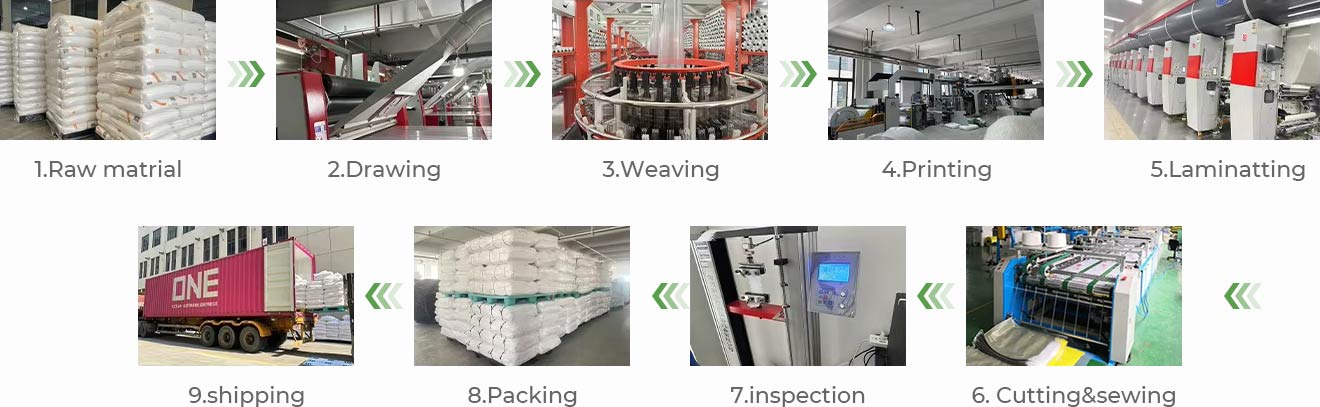
PRODUCTION PROCESS
Packaging process
FAQ

  • What is PP woven fabric?

    PP woven fabric is a high-strength fabric made from polypropylene (PP), a durable thermoplastic polymer. It is widely used in various industries, including packaging, agriculture, and construction, due to its moisture resistance, recyclability, and robust physical properties.

  • What are the benefits of PP woven bags?

    PP woven bags are highly durable, tear-resistant, and moisture-proof. They are perfect for heavy-duty use in industries such as agriculture, construction, and packaging. These bags are also eco-friendly as they can be recycled and reused multiple times.

  • Where are your PP woven bags and fabric manufactured?

    Our PP woven fabric and PP woven bags are manufactured in Wenzhou, Zhejiang, China. With 34 years of experience in the industry, we ensure high-quality production with advanced machinery and a skilled workforce.

  • Can PP woven fabric be customized?

    Yes, we offer customization for PP woven fabric in various colors, thicknesses, sizes, and coatings. Whether you need bags, rolls, or other forms of fabric, we can tailor the product to meet your exact specifications.

  • Are your PP woven bags eco-friendly?

    Yes, our PP woven bags are eco-friendly, as they are made from polypropylene, which is fully recyclable. Additionally, we offer options for biodegradable coatings to make them more environmentally sustainable.

  • What industries use PP woven fabric and bags?

    Our PP woven fabric and bags are used in a wide range of industries, including:


    Agriculture (grain, feed, fertilizer)

    Construction (sand, cement, building materials)

    Retail (shopping bags, promotional bags)

    Industrial packaging (food, chemicals)

    Food packaging

  • How durable are your PP woven bags?

    Our PP woven bags are designed for high durability. They are resistant to tearing, UV light, and moisture, ensuring long-lasting use even under challenging conditions. They are ideal for heavy-duty applications, ensuring secure and reliable packaging.

  • Can you supply bulk orders of PP woven bags and fabric?

    Yes, we specialize in large-scale orders of PP woven fabric and PP woven bags. With 34 years of experience, we can meet high-volume demands while maintaining consistent quality and efficient delivery.

  • Do you provide samples of your PP woven fabric and bags?

    Yes, we provide samples of our PP woven fabric and PP woven bags for customers to assess quality before placing an order. Contact us to request samples that match your needs.

  • What is the lead time for production?

    Production lead times vary depending on the size and complexity of the order. Generally, it takes 7-14 business days for standard orders. For customized or bulk orders, the lead time may be longer.

  • How can I place an order for PP woven fabric or bags?

    To place an order, simply reach out to us via our contact form or email with your requirements. Our team will provide you with a quote, and we’ll work with you to finalize details such as quantity, customization, and delivery.

  • Do you offer international shipping for PP woven bags and fabric?

    Yes, we offer global shipping for PP woven bags and PP woven fabric. Our experienced logistics team ensures timely and safe delivery to international destinations.

  • What are the payment options available?

    We accept various payment methods, including bank transfer, PayPal, and other secure payment systems. We offer flexible terms for large or customized orders, which can be discussed with our sales team.

  • Why choose your company for PP woven fabric and bags?

    With 34 years of industry experience, we are a trusted and reliable manufacturer of PP woven fabric and PP woven bags. Our long-standing expertise ensures high-quality products, competitive pricing, and excellent customer service. We work closely with equipment manufacturers to optimize fabric structure, ensuring that your automation systems run smoothly and efficiently.

Contact Us

Send
About Us
Zhejiang Hongyang Packaging Co., Ltd.
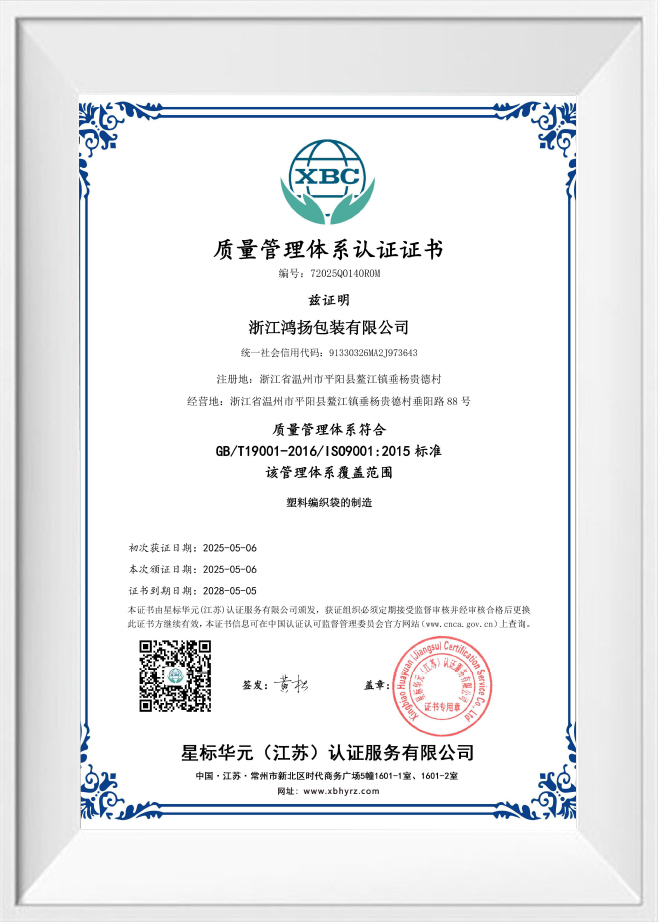
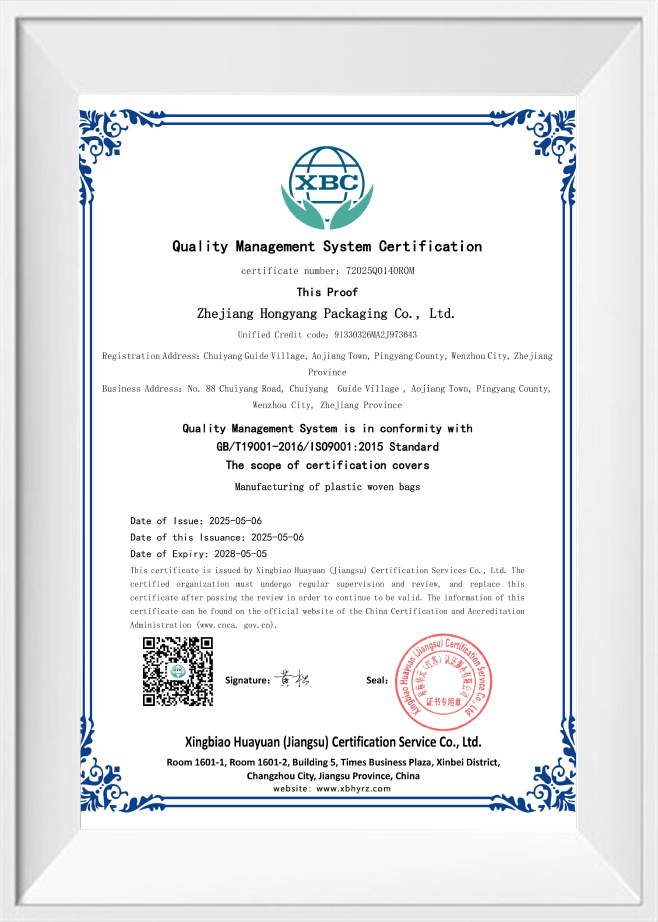
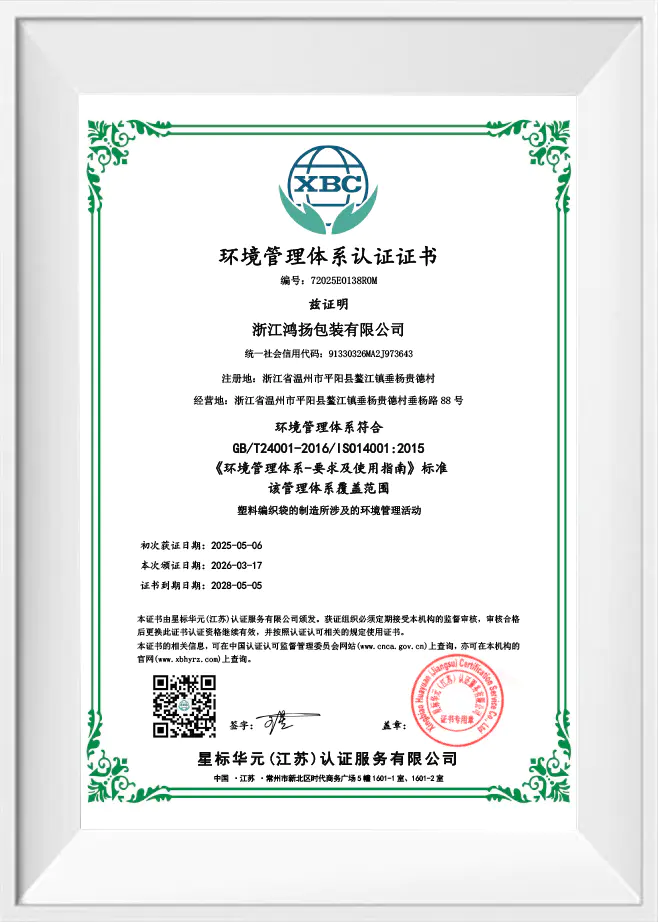
Zhejiang Hongyang Packaging Co., Ltd. was formerly known as Pingyang County Plastic Circular Weaving Packaging Factory. Since 1992, it has been dedicated to the woven bag production industry, boasting 34 years of in-depth industry experience. The company completed its brand upgrade and officially changed its name in 2020. Headquartered in Wenzhou, Zhejiang Province, with a total land area of 14,000 square meters, we are a modern professional packaging enterprise integrating R&D, production, sales and import & export. Our main products cover woven bags, BOPP laminated woven bags, recyclable shopping bags and paper-plastic composite woven bags. We have passed ISO 9001 Quality Management System, GRS Global Recycling Standard and ISO 54001 System certifications, providing solid guarantees for product quality.
Certificate Of Honor
  • SGS certificate
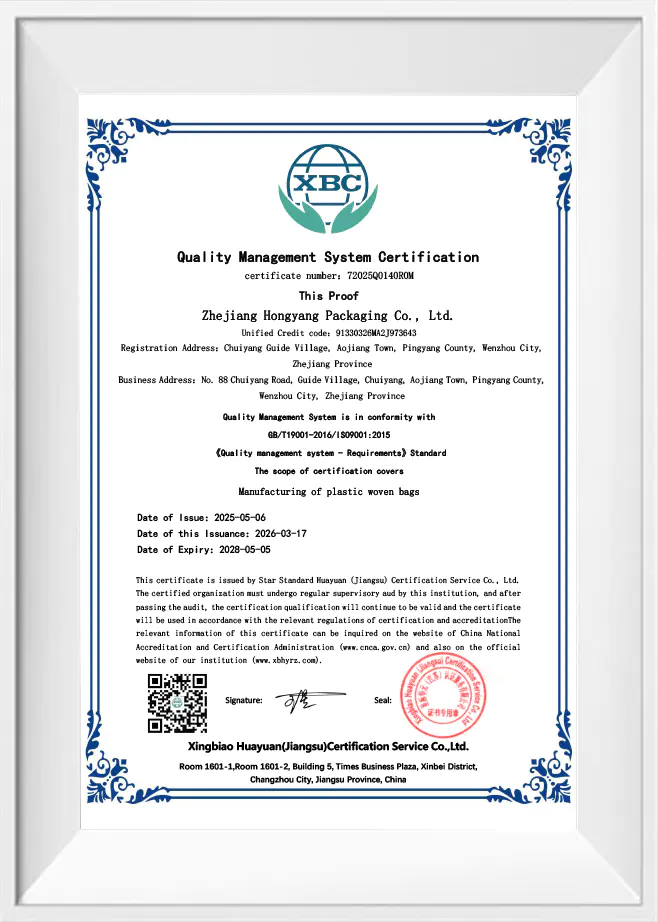
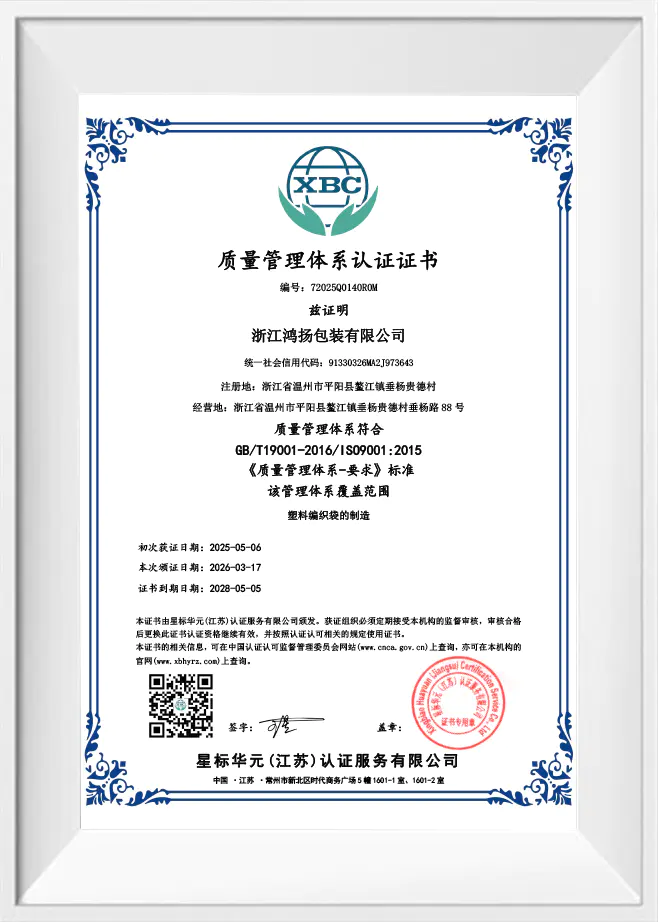
  • Quality Management System Certification
  • Quality Management System Certification
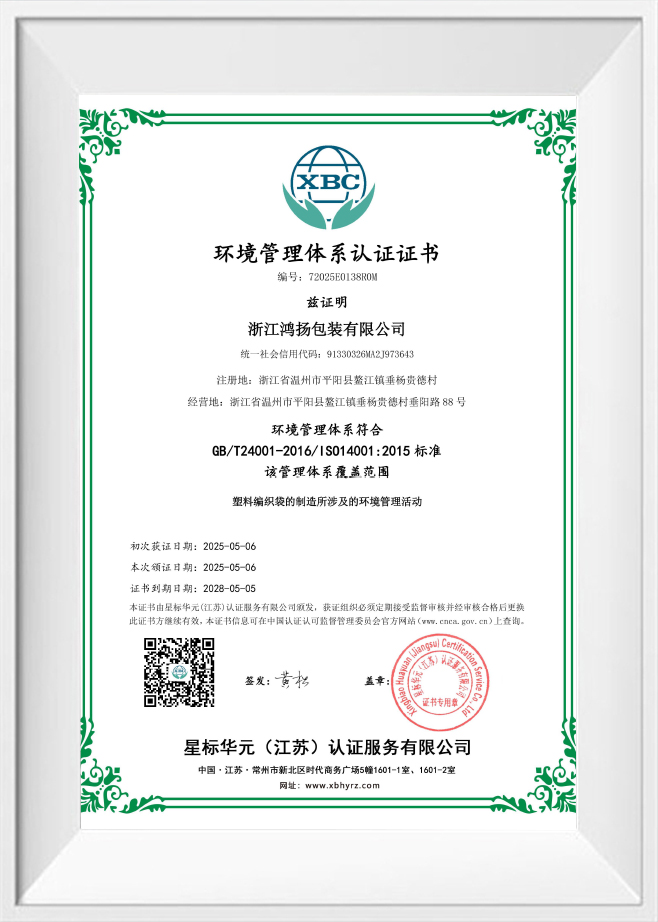
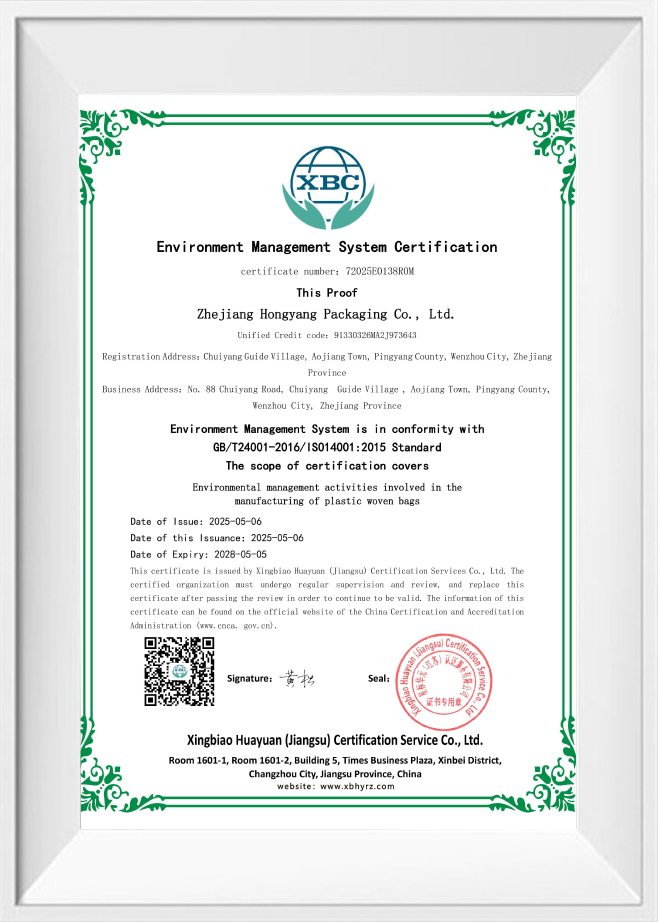
  • Environmental Management System Certification
  • Environmental Management System Certification
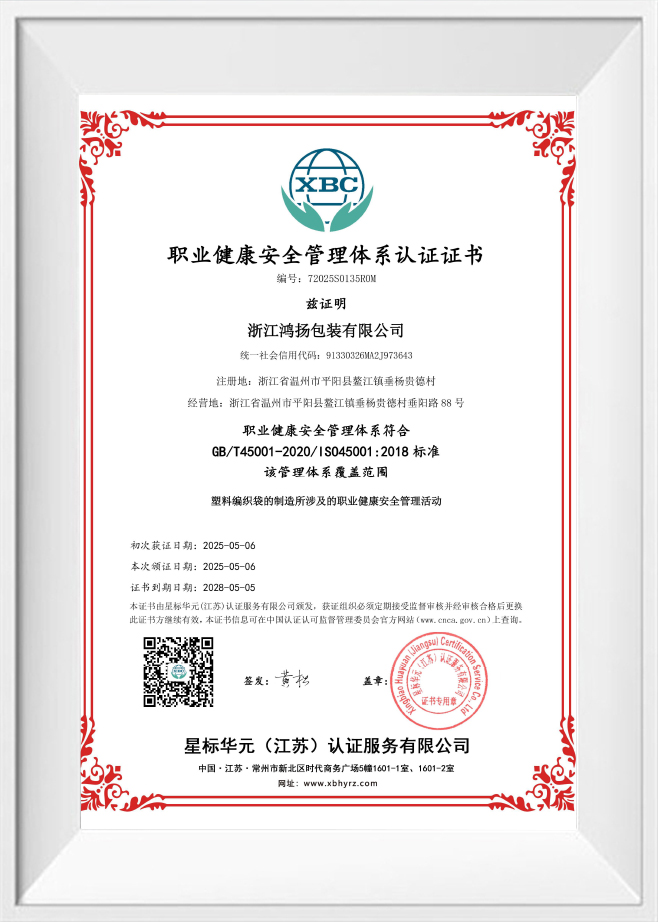
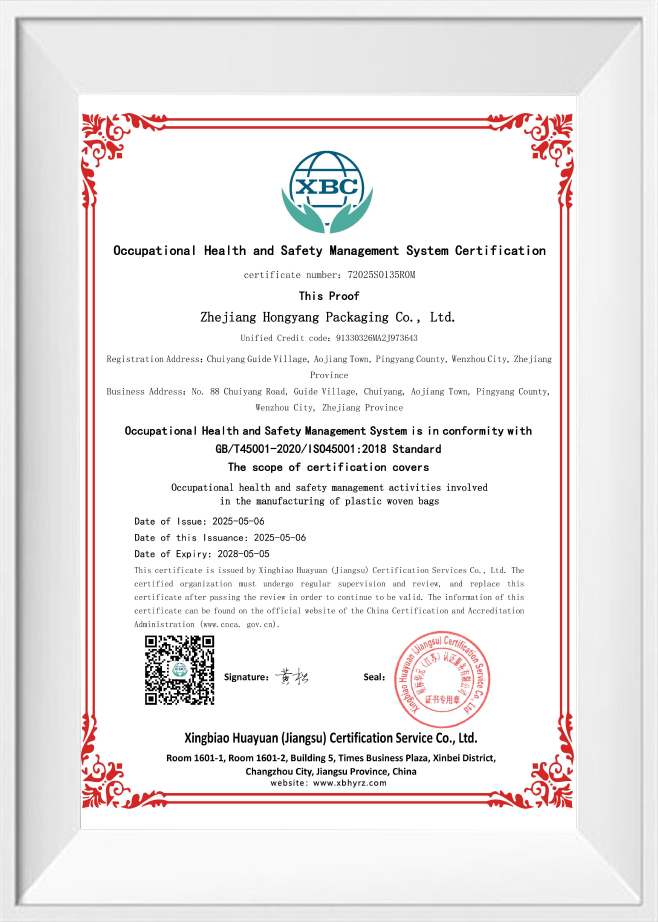
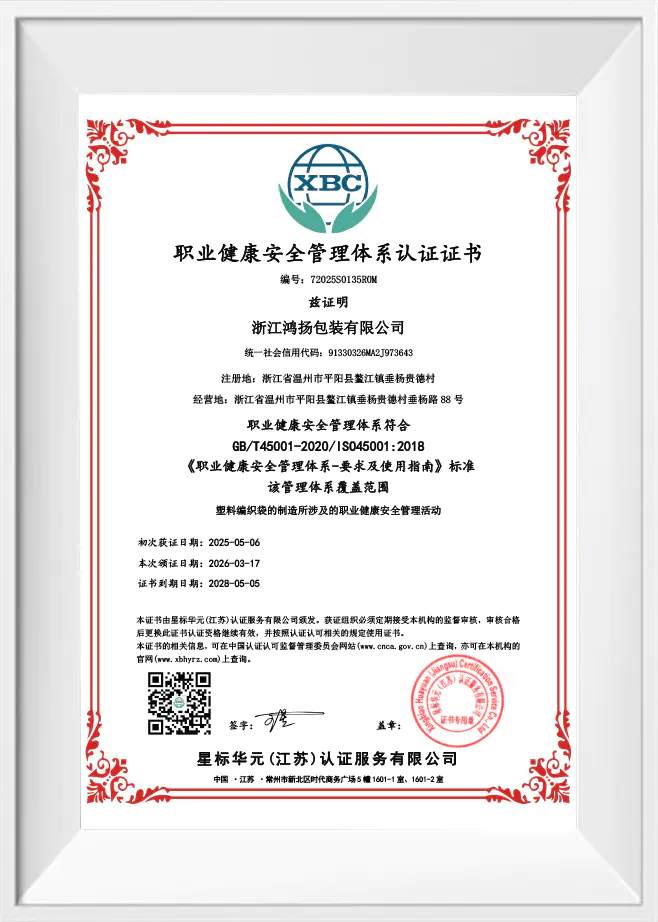
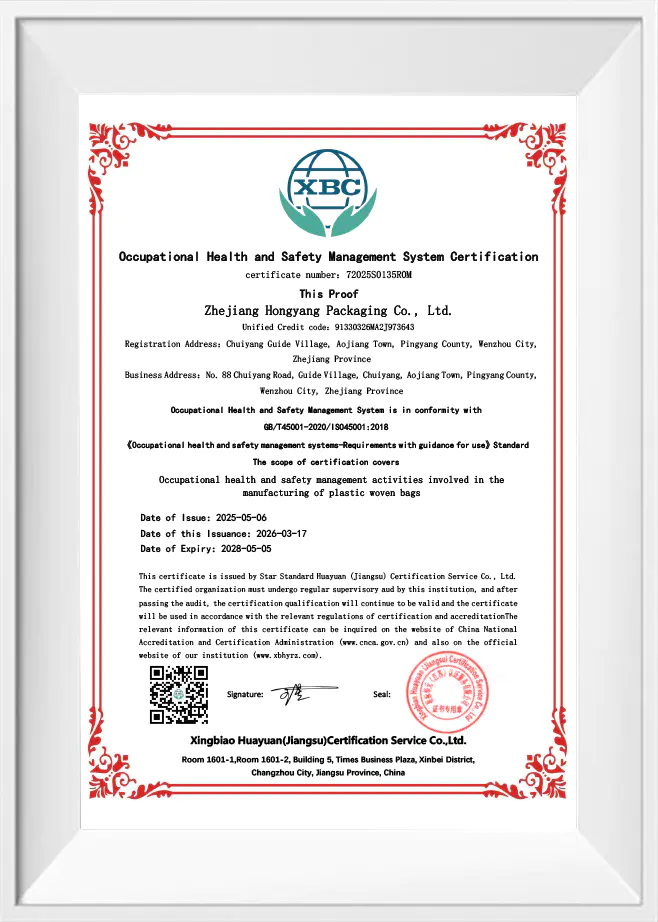
  • OccupationaI HeaIth and Safety Management System Certification
  • OccupationaI HeaIth and Safety Management System Certification
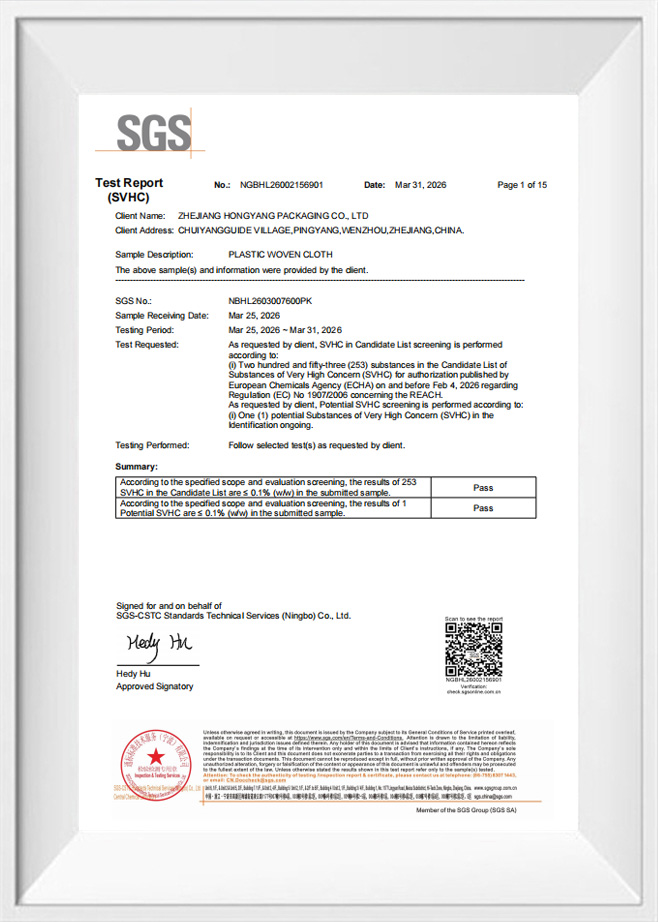
  • REACH SVHC
News

PP Woven Bag in Real Packaging Use: Structure, Applications, and Practical Buying Logic

In global packaging supply chains, woven polypropylene bags are one of those materials that rarely get attention on the surface, but are used constantly behind the scenes. They show up in agriculture, construction, retail distribution, and export logistics in very different forms depending on how they are built.

What makes this category interesting is not complexity in design, but flexibility in usage. The same base material can be adjusted into multiple product types just by changing thickness, coating, or stitching details.

Basic structure and how a PP woven bag is actually made

At the material level, this kind of packaging starts from polypropylene strips. These strips are stretched and woven together, forming a crisscross fabric structure. That weaving pattern is really what gives the material its strength, while still keeping it light enough to handle in production and transport.

In real supply chains, you don' t really see the raw fabric being used directly. It usually goes through a few extra steps first. Cutting, sealing, stitching, and sometimes lamination are added depending on what the bag will be used for.

A basic version is just woven fabric shaped into a simple sack. Once you move into more practical applications, things start to change a bit. Some bags include inner liners, some have coated surfaces, and others are printed for identification or branding.

On production lines, you' ll usually notice a few common formats: bulk sacks for general goods, laminated versions when moisture is a concern, valve-style bags used for powder filling, and heavier-duty versions designed for rough handling or stacking.

These differences aren' t just visual variations. They directly affect how the bag behaves when it is stored, moved, or stacked for a long time.

Why this material became widely used across industries

The spread of this packaging type is mostly driven by practical needs rather than design development.

From the manufacturing side, polypropylene is easy to source and process. Once production is set up, factories can keep output relatively stable, which is important for large-volume industries.

From the usage side, it performs in a very straightforward way. It can carry weight, it doesn' t collapse easily under stacking, and it holds up during transport without requiring too much special handling.

There is also something simple but important here-consistency. In logistics, people tend to prefer packaging that behaves the same way every time. This material fits that expectation fairly well, which is why it keeps showing up in bulk supply chains.

Where PP woven bag is actually used in real supply chains

In agriculture, it' s probably one of the most common packaging formats. Fertilizer, feed, grain, and seeds are usually packed this way because the material can handle weight and rough movement during loading and transport.

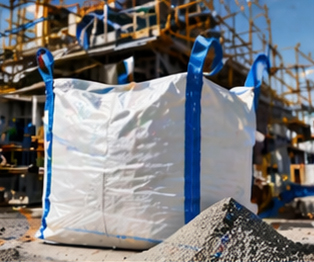
In construction-related materials, it shows up in products like cement additives, dry mixes, and powder-based building materials. These environments are not gentle on packaging, so strength becomes more important than appearance.

Industrial applications are another major area. Chemicals, minerals, and powdered goods often rely on this structure, sometimes with inner liners added depending on storage requirements.

In export shipping, the packaging has to deal with changing humidity and handling conditions across regions. That' s where coated or laminated versions are more commonly chosen, especially when goods travel longer distances.

Even though it' s not designed for retail use, lighter versions sometimes appear in distribution or repackaging flows where goods are handled in smaller batches before reaching end users.

How buyers actually think when sourcing this material

In real purchasing situations, people don' t usually start by asking for the material itself. The conversation normally begins with usage conditions.

Things like how much weight the bag needs to hold, how long it will be stored, how far it will be transported, and what kind of environment it will go through tend to matter more than technical descriptions.

Cost is always part of the discussion, especially in industries where packaging is a repeated operational expense rather than a one-time purchase.

Printing requirements also come into play. Some buyers only need basic markings for identification, while others want clearer branding or handling instructions printed on the surface.

In the end, the decision is usually a mix of practical durability, cost control, and logistics conditions, rather than choosing based on a single feature.

Comparison with other packaging materials in real use

If you look at paper packaging, the main difference shows up when there is moisture or heavier loading involved. Paper can still work well in retail or branding-focused situations, but in real storage or transport conditions, it tends to lose strength faster when humidity or pressure increases.

Plastic film packaging is a different case. It works better when sealing is important, especially for liquids or very fine materials. But in terms of stacking or structural support, it' s not as strong as woven structures, so it behaves differently in logistics.

Non-woven materials are usually lighter and more flexible. They are fine for simple or promotional use, but when the load becomes heavier or handling gets rough, they don' t hold shape as well as woven fabric does.

Multi-layer composite packaging sits on another level. It offers stronger protection overall, especially for sensitive materials, but the production cost is higher and the structure is more complex. It' s usually used only when higher barrier performance is really needed.

Because of these differences, woven polypropylene ends up in a kind of middle position. It doesn' t try to replace everything else, but it works well in a lot of everyday industrial situations where you just need something reliable, not overly specialized.

Why different versions exist in production

In real manufacturing, this type of packaging doesn' t stay in a single fixed format. It changes quite a lot depending on what it is actually going to carry and how it will be used later.

For example, when the load is heavier, factories usually increase the fabric density or use thicker yarn. On the other hand, if the main goal is to control cost for large volume orders, a lighter structure is often enough and becomes more common.

Surface treatment is another area where you see differences. Some versions are left in a more basic state without coating, while others get laminated or coated when there is a need for better moisture protection or clearer printing on the surface.

Even the way the bag is closed is not always the same. Some are simply stitched at the top, while others use heat sealing, and in powder-related industries you will also see valve-style designs that match filling equipment.

All of these variations come from practical handling requirements in different industries. It' s less about design choices and more about matching real working conditions.

Practical limitations seen in real applications

Even though this material is widely used, it is not suitable for every scenario.

One limitation is moisture sensitivity in untreated versions. Extended exposure to humidity can affect strength and stability.

Another limitation is appearance. Compared with retail-oriented packaging, woven polypropylene has a more industrial look, which may not fit branding-heavy applications.

It is also not ideal for very fine or sensitive materials unless additional inner protection is used.

Finally, it is not designed for consumer reuse cycles in the way shopping bags or fabric totes are. Its main role is functional rather than lifestyle-oriented.

How the material is evolving in modern supply chains

Development in this category is gradual rather than disruptive.

One direction is improved coating technology, especially in applications where moisture resistance and print quality both matter.

Another direction is material optimization, where lighter fabric structures are being used to reduce cost and raw material consumption without sacrificing too much strength.

There is also growing attention to recyclability and environmental impact, especially in regions where packaging regulations are becoming stricter.

At the same time, usage is expanding beyond traditional bulk transport into adjacent fields such as e-commerce logistics and branded industrial packaging.

Position of PP woven packaging in global logistics systems

In practical terms, woven polypropylene packaging is not positioned as a premium or specialized material. It exists because it solves a very basic requirement in global logistics: moving bulk goods safely and economically.

Its role is functional rather than decorative. It is used because it performs reliably under real transport and storage conditions without adding unnecessary cost or complexity.

In many industries, that balance is more important than innovation, which explains why this packaging format continues to be widely used across global supply chains.