


 Guidé Village, Chuiyang, Aojiang Town, Pingyang County, Wenzhou City, Zhejiang Province, China

 English
 Español
 عربى
عربى 中文简体
中文简体
When to Choose Kraft Paper Laminated PP Woven Bags
Date:Jul 03, 2026
Packaging procurement decisions often get made on price and availability, with material specification treated as a secondary consideration. That works fine until the wrong bag type meets the wrong application — and the consequences show up as moisture-damaged product, failed export inspections, or packaging that simply does not hold up through a long transit route. PP Woven Bags are the industrial standard for good reason, but they are not all built the same way. The Kraft Paper Laminated PP Woven Bag sits at a specific point in that range: more protective and visually refined than a plain laminated bag, but priced above the standard format for reasons that are either justified by the application or not. Understanding when it earns its cost premium is what drives a sound specification decision. A kraft paper laminated construction adds genuine value in specific scenarios — export packaging, moisture-sensitive products, branded or retail-visible applications, high-value goods — and adds unnecessary cost in others. The decision belongs to the application, not to a preference for higher-spec materials.
What Is a Kraft Paper Laminated PP Woven Bag?
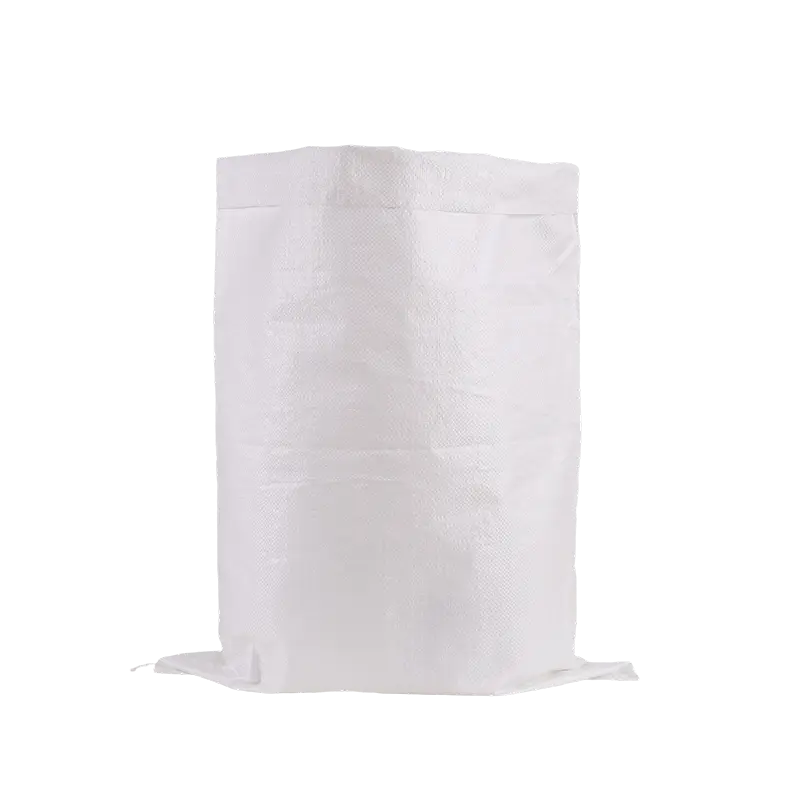
At its core, this construction combines two structural layers. The inner layer is woven polypropylene fabric — the same interlocked strip structure used in standard PP Woven Bags, which provides load-bearing capacity, tear resistance, and structural stability under fill weight and stacking pressure. The outer layer is kraft paper, bonded to the woven fabric through a lamination process that joins the two materials into a unified structure rather than simply placing one over the other.
That outer paper layer is where the construction diverges from standard PP laminated bags. A typical PP laminated woven bag uses a polypropylene or polyethylene film bonded to the woven surface. A kraft paper laminated version replaces that film with paper, changing the surface texture, visual character, and some protective properties in ways that matter depending on the application.
The lamination bond itself is critical to performance. A well-bonded kraft paper laminated bag holds its structure through the mechanical stresses of filling, transport, and handling. A poorly bonded one begins to delaminate — the paper separating from the woven layer — which compromises both appearance and protection. This is why manufacturing quality, not just material specification, affects how the bag performs in practice.
Kraft Paper Laminated vs Other PP Woven Bag Types
The decision to specify this construction only makes sense against an understanding of the alternatives. Each format in the woven polypropylene family exists because it solves a different set of problems.
| Bag Type | Moisture Protection | Surface Quality | Cost Level | Primary Use Cases |
|---|---|---|---|---|
| Standard PP Woven Bag | Moderate | Textured, limited print | Lower | Domestic dry goods, breathable products |
| PP Laminated Woven Bag | High | Smooth film, multi-color print | Mid-range | Industrial export, moisture-sensitive bulk goods |
| Kraft Paper Laminated PP Woven Bag | High to very high | Paper texture, premium print | Higher | Branded export, premium agricultural goods, retail-visible packaging |
| Paper Laminated Woven Bag | High | Paper surface, detailed graphics | Mid to higher | Specification-driven retail or export presentation |
The standard woven bag is breathable and economical but allows moisture transmission over time. The PP laminated version adds a film moisture barrier and a smoother print surface. The kraft paper laminated construction adds a paper exterior that changes the tactile quality and visual presentation while maintaining the moisture protection the laminated layer provides underneath.
What the comparison makes clear: the paper laminated format is not simply a "better" version of the plain laminated bag. It is a different tool for different situations. Spending more on a kraft paper surface when a film-laminated bag would perform identically for the actual application does not improve outcomes — it adds cost without functional return.
When Should You Choose Kraft Paper Laminated PP Woven Bags?
This is the decision that matters. Four scenarios consistently justify the specification.
When Export Packaging Requires a Higher Standard
Long-distance shipping exposes packaging to conditions that domestic supply chains rarely produce: humidity fluctuations as a vessel crosses climate zones, temperature swings in container storage, multiple handling points across transfer ports, and variable storage conditions at the destination. Packaging that holds up in a controlled domestic warehouse may not survive all of that intact.
A Kraft Paper Laminated PP Woven Bag handles these conditions reliably. The paper outer layer provides additional abrasion resistance — the bag surface absorbs contact damage from other cargo and container walls rather than transferring it to the woven fabric underneath. The lamination layer maintains moisture protection through the transit. And the finished appearance holds up at the destination in ways that a scraped-up film surface often does not.
For export packaging where the bag arrives representing the producer's product at an international point of sale, that durability matters commercially, not just functionally.
When Moisture Protection Is Non-Negotiable
Hygroscopic products — urea fertilizer, compound NPK blends, certain food ingredients, chemical powders — absorb ambient moisture through any permeable surface they contact. Once moisture enters, the product clumps, loses free-flowing properties, or degrades entirely. A standard woven bag does not provide adequate protection for these products. A film-laminated bag improves on that. A kraft paper laminated bag provides the film moisture barrier plus an additional outer surface that resists moisture contact at the bag exterior before it reaches the inner layers.
For products where any moisture ingress causes product loss or safety concerns, the redundant protection of a paper-over-lamination construction is a functional requirement rather than an aesthetic upgrade.
When Brand Presentation Affects Commercial Outcomes
The surface of a bag communicates something about the product inside it — whether or not that was intentional in the specification. A kraft paper surface reads differently from a plastic film surface. It implies quality, naturalness, and product integrity in ways that polypropylene film does not, regardless of what is actually printed on it.
For agricultural products positioned at the premium or natural end of the market — specialty rice, organic grain, high-quality seed varieties — the bag surface contributes to how the product is perceived before the buyer reads a single word of the label. For retail-visible products, that perception affects purchase decisions. A Custom PP Woven Bag with a kraft paper exterior and detailed printed graphics is doing marketing work alongside its functional packaging role.
This dynamic is particularly relevant for export markets where the visual quality of industrial packaging is evaluated differently than in domestic distribution.
When Product Value Justifies Packaging Investment
The cost calculation changes when the product inside the bag has a high per-unit value. Packaging that represents a small percentage of total product cost is evaluated differently than packaging on low-margin bulk commodities where every fraction of cost per bag accumulates across millions of units.
Premium grains, specialty fertilizers, medical-grade chemicals, and niche food ingredients all have value-to-cost ratios where a more capable packaging construction is economically justified. The cost of a damaged or rejected shipment exceeds the premium for better packaging across far fewer incidents.
When You Should Not Choose This Format
Honest packaging guidance includes the cases where the construction is not the right answer.
Standard domestic bulk storage: If the product is stored in a controlled dry warehouse, does not require moisture protection, and has no retail visibility, the cost premium for kraft paper lamination returns nothing. A standard woven bag or a basic film-laminated bag serves the application adequately.
High-volume commodity packaging at tight margins: For large-scale bulk commodity packaging where per-unit cost is the primary constraint and protection requirements are basic, the additional cost of kraft paper lamination compresses margins without improving functional outcomes. The plain or film-laminated format is the appropriate choice.
Breathable products: Agricultural products that need to ventilate — cereal grain, seeds, certain animal feeds — require a breathable bag construction. A laminated format of any kind reduces air transmission and creates condensation risk. For these products, the unlaminated standard bag is not the budget option; it is the correct specification.
Industries That Use Kraft Paper Laminated PP Woven Bags
The format shows up consistently across specific sectors where a combination of protection, presentation, and durability all carry weight in the same application.
Premium Agricultural Products
Rice brands, specialty grain exporters, and seed packaging operations use this format when the bag is part of the product presentation. Retail-visible agricultural packaging competes on shelf appearance, and the paper surface supports that in ways that film surfaces do not. The structural reliability of the woven core handles the load; the paper exterior handles the visual impression.
Fertilizer and Chemical Packaging
For compound fertilizers and chemical powders moving through export channels or stored in variable conditions, the construction provides moisture protection alongside the durability needed for industrial handling. The paper surface also accepts the detailed safety information, application instructions, and certification marks that chemical packaging typically requires.
Animal Feed
Feed packaging combines heavy fill weights with requirements for moisture protection and contamination prevention. A kraft paper laminated bag handles the load through the woven structure, provides moisture resistance through the lamination layer, and offers a print surface that carries feeding instructions and product information cleanly. For branded feed products sold through retail or agricultural supply channels, the paper surface also improves shelf presence.
Cement and Construction Compounds
Dry construction materials — cement, gypsum, plaster compounds — need packaging that prevents moisture from triggering premature chemical reactions. The moisture protection of a laminated construction is the primary requirement here. Where export packaging or branded product presentation is also involved, the paper surface adds visual quality without compromising the functional protection.
Advantages and Limitations of This Construction
Laying out both sides of the format honestly is more useful than a one-sided case for it.
Advantages:
- Multi-layer protection combining woven structural strength, lamination moisture barrier, and paper abrasion resistance
- Paper exterior communicates quality and product integrity in ways that plastic film cannot replicate
- Print surface accepts detailed, high-quality graphics — suitable for branded, retail-visible, or export specification packaging
- Holds up through extended handling and long transit in ways that simpler constructions often do not
- Suited for products where packaging appearance affects commercial outcomes, not just functional transport
Limitations:
- Higher per-unit cost than standard woven or film-laminated formats — the premium needs to be justified by the application
- Paper layer is sensitive to sustained moisture exposure in storage; bags must be stored properly before use
- Multi-layer construction makes recycling more involved than single-material bags
- Not appropriate for breathable products that need air to pass through the bag wall
What to Specify When Ordering Custom Kraft Paper Laminated PP Woven Bags
When the application fits this format, getting the specification right determines how well the bag performs across the full production run. A Custom PP Woven Bag order with a kraft paper laminated construction involves several variables that affect both function and cost.
Key specification points:
- Fabric weight (GSM): The woven base layer should be specified to match the fill weight and stacking requirements of the specific product. Heavier fabric handles heavier loads; the right weight depends on the application, not a general preference for more material.
- Paper grade and weight: Kraft paper comes in different grades that affect strength, surface texture, and print quality. The paper specification should follow the print requirements and the handling conditions the bag will face.
- Lamination adhesive and process: The bond between paper and woven layer is where delamination originates when it occurs. In-house lamination with consistent process control produces more reliable adhesion across large orders than outsourced lamination.
- Printing specifications: Paper surfaces support detailed multi-color printing with quality that film surfaces cannot match. Specify the number of print colors, any spot colors or brand standards, and whether a print proof approval step is required before production.
- Bag dimensions: Sized to fill volume and pallet configuration, not to a generic standard. Bags that fit the actual pallet layout reduce wasted space and improve stacking stability in transit.
- Closure type: Sewn open-mouth closures are standard for manual or semi-automatic filling. Valve configurations suit automated filling lines handling fine powder products.
For wholesale PP woven bag orders at scale, also clarify how batch consistency is verified across the production run. Fabric weight drift, paper-to-woven adhesion variation, and print color shift across batches are variables that directly affect field performance when not controlled.
Choosing a Reliable Supplier for Kraft Paper Laminated Bags
The manufacturing process for this construction is more involved than standard woven or film-laminated bags, and the gap between capable manufacturers and those who simply list the format shows up in production consistency.
When evaluating a China PP woven bag supplier for this specific construction, the practical questions to ask:
- Is the lamination process handled in-house, or outsourced to a third party? In-house control means tighter adhesion consistency.
- Can the supplier produce physical samples with the specified paper grade and printing before committing to full production? A structured proof approval process is a baseline indicator of manufacturing organization.
- How does the supplier verify fabric weight and lamination adhesion across production batches, not just on the approved sample?
- Does the supplier have export documentation experience — phytosanitary certificates, fumigation records, destination-country compliance preparation — as part of their standard process?
- What is the delivery timeline for custom specifications, and how does that interact with order volume and print complexity?
A supplier that engages directly with these questions during the inquiry stage demonstrates the kind of operational depth that makes a difference across large orders.
Frequently Asked Questions
Is a Kraft Paper Laminated PP Woven Bag Waterproof?
The lamination layer inside the construction provides strong moisture resistance. The paper exterior adds an additional surface buffer. This construction performs reliably under many storage and transit humidity conditions. It is not designed for submersion or direct prolonged water contact — for those requirements, a PE inner liner adds a sealed inner barrier.
Is It More Protective Than a Standard PP Laminated Woven Bag?
The protection profile is different rather than strictly greater. The film-laminated PP bag provides a plastic moisture barrier and a smooth film surface. The kraft paper laminated bag provides the same moisture barrier (assuming equivalent lamination) plus a paper outer layer that absorbs abrasion and impact differently than film. For products where surface protection and appearance both matter, the paper laminated format offers a different performance combination.
Can It Be Recycled?
The multi-layer construction complicates recycling compared to single-material bags. The paper layer and woven PP layer require separation for efficient processing. Some recycling facilities handle this; others do not. For applications where end-of-life recyclability is a specification requirement, confirm the recycling pathway in the destination market before committing to the format.
Is This Format Suitable for Fertilizer Packaging?
Yes, particularly for compound fertilizers and nitrogen-based products that are hygroscopic and require moisture protection in transit or storage. The construction handles the load weight, provides moisture resistance, and supports the printed product and safety information that fertilizer packaging typically requires.
Why Choose Kraft Paper over Plastic Lamination?
The choice depends on what the packaging needs to do beyond basic protection. Plastic film lamination provides a moisture barrier and a smooth print surface. Kraft paper lamination provides a moisture barrier, a paper surface with different abrasion resistance properties, and a visual quality that communicates differently in retail or export-facing applications. If the bag is purely utilitarian, plastic lamination is adequate and lower cost. If the bag surface is part of the product presentation, the paper surface earns its premium.
Can the Paper Layer Be Printed with Detailed Graphics?
Yes, and it often performs better than plastic film for fine-detail printing. Paper accepts ink with a texture and finish that reads differently from film — less reflective, more tactile — which suits certain product categories and market presentations. For branded agricultural or food products, this distinction can be commercially meaningful.
Get Custom Kraft Paper Laminated PP Woven Bags for Your Application
The Kraft Paper Laminated PP Woven Bag format is the right specification for specific applications — not a universal upgrade, but a genuinely capable construction when the application calls for it. Export packaging, moisture-sensitive products, branded or retail-visible goods, and high-value cargo all present scenarios where the combination of woven structural strength, lamination moisture protection, and paper surface quality pays for itself. Zhejiang Hongyang Packaging Co., Ltd. manufactures custom Kraft Paper Laminated PP Woven Bags alongside the full range of standard and laminated woven polypropylene packaging. Specifications are available across fabric weight, paper grade, lamination process, bag dimensions, closure type, and print surface. Wholesale PP woven bag orders are supported with in-house lamination, consistent batch quality verification, and complete export documentation handling. Buyers evaluating whether this construction fits their application — or comparing it against standard laminated formats for a specific product — are welcome to reach out directly for samples, technical input, and a production-ready quote.




-
 +86-17757792457
+86-15868461338 -
 +8617757792457
-
 [email protected]
[email protected] -
 Guidé Village, Chuiyang, Aojiang Town, Pingyang County, Wenzhou City, Zhejiang Province, China
Copyright ©Zhejiang Hongyang Packaging Co., Ltd.



