


 Guidé Village, Chuiyang, Aojiang Town, Pingyang County, Wenzhou City, Zhejiang Province, China

 English
 Español
 عربى
عربى 中文简体
中文简体
How to Store PP Woven Bags Properly After Delivery
Date:Jun 12, 2026
A delivery of woven packaging bags arrives, gets moved to a corner of the warehouse, and sits there until production needs it. That sounds routine — but what happens in that gap between delivery and use matters more than many operations teams realize. A PP Woven Bag is durable in use, but it is not immune to storage damage. Moisture seeps in through a poorly ventilated warehouse floor. UV exposure from roof panels gradually breaks down the polypropylene strips. Bags stacked under excessive weight arrive at the filling line with deformed bottoms and stressed seams. By the time the problem is visible, the inventory is already compromised. Getting storage right is not complicated, but it requires deliberate attention to a few variables: humidity, light exposure, temperature, stacking method, and the specific construction of the bags being stored. Plain woven bags and laminated variants respond differently to the same warehouse conditions. Understanding those differences — and adjusting storage practices accordingly — is what separates inventory that performs from inventory that disappoints.
Why Proper Storage Matters for PP Woven Bags
Polypropylene is a stable material under normal conditions. It handles mechanical stress well, resists chemical exposure at typical warehouse concentrations, and holds its shape through repeated handling. What it does not handle well is sustained UV exposure, prolonged moisture contact, and heat accumulation — particularly for laminated constructions.
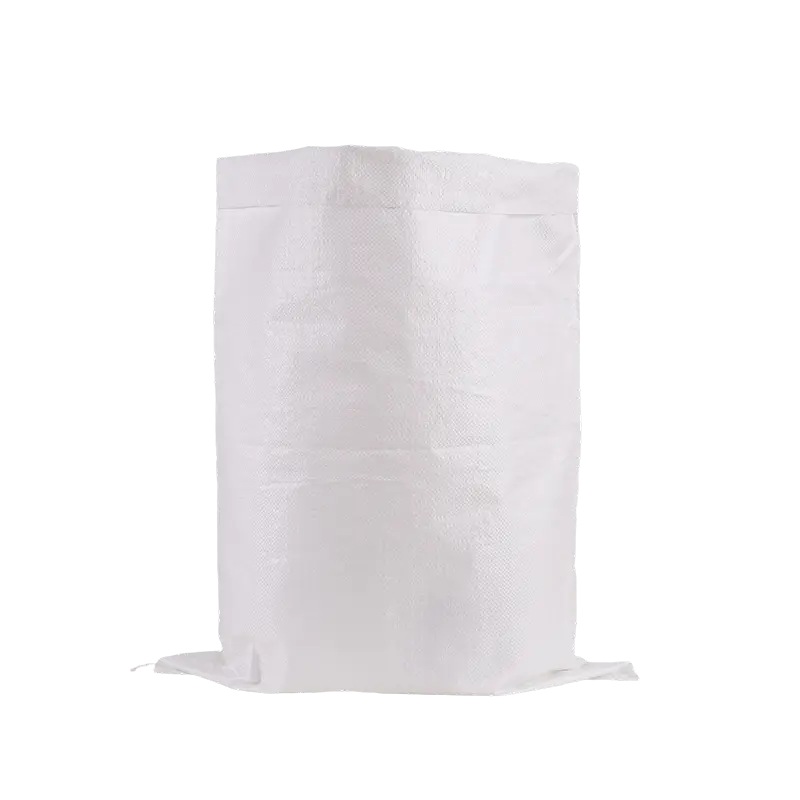
The consequences of ignoring these vulnerabilities are practical. Moisture weakens the woven fabric structure over time, especially at the seams where the material is densest. Mold can develop on bag surfaces in humid conditions, particularly if the bags are in contact with organic material or stored near moisture-absorbing products. For food-grade and agricultural packaging applications, contamination from improper storage can compromise the suitability of the bags entirely.
UV degradation is subtler but equally damaging. Sunlight causes polypropylene to become brittle, which shows up as micro-cracking in the fabric and reduced tear resistance. A bag that looked fine in storage might fail during filling simply because the material was weakened over months of light exposure.
Heat presents a separate concern for laminated bags. When the film layer bonded to the woven fabric is exposed to sustained elevated temperatures, the adhesive bond can weaken. This appears as bubbling or delamination — and once the film separates, the moisture resistance and print surface that justified the lamination cost are both compromised.
Poor stacking is a more immediate issue. Excessive weight compresses bags at the bottom of a pallet, stressing the seams and deforming the bag body. On a high-turnover line this might not matter. In long-term wholesale inventory storage where pallet stacks can sit for weeks, the damage accumulates.
Storage Characteristics Differ Across Bag Types
Not all woven polypropylene bags respond to storage conditions the same way. The construction of the bag shapes what it is sensitive to — and knowing those differences helps calibrate the storage approach.
Standard Woven PP Fabric Bags
The plain woven format is forgiving in storage. The open weave allows some air movement through the fabric, which reduces the risk of condensation building up inside bundled stacks. That breathability works in its favor under many warehouse conditions.
The main vulnerabilities are UV exposure and moisture at the seams. Bags stored in direct sunlight or near loading dock openings with prolonged UV exposure will degrade faster than those kept in shaded, dry conditions. Seam areas absorb moisture more readily than the woven panels, so direct floor contact or exposure to standing water is a particular risk.
Laminated PP Woven Bags
Laminated bags are more moisture-resistant in use, but they are more sensitive to heat and pressure in storage. The film layer bonded to the outer surface can be affected by sustained temperatures above normal warehouse ranges — not dramatically hot conditions, but the kind of heat that builds up in poorly ventilated storage areas during summer months.
Surface scratching is another concern that does not apply to plain woven bags. The smooth laminated surface that makes detailed printing possible is also more susceptible to scuffing if bags are dragged against rough surfaces or stored in contact with abrasive materials. Print quality can degrade visibly from surface damage alone.
Kraft Paper Laminated PP Woven Bags
A Kraft Paper Laminated PP Woven Bag combines a paper exterior with the structural strength of woven polypropylene underneath, and the paper layer is a storage-sensitive component of that construction. Paper absorbs ambient moisture readily. In high-humidity warehouse environments without adequate ventilation, the paper surface can soften, warp, or develop surface discoloration even before the bag itself is used.
For this construction, dry storage is not a preference — it is a requirement. Humidity control and separation from damp floor surfaces are the two storage factors that directly protect the paper layer.
Warehouse Conditions That Support Long-Term Storage
Humidity and Moisture Control
Humidity is the variable that causes the widest range of storage damage across all woven bag types. A warehouse with consistent moisture problems will degrade bag inventory faster than almost any other single factor.
Practical measures:
- Keep relative humidity at a level comfortable for dry goods storage — not necessarily climate-controlled, but consistently below the threshold where condensation forms on surfaces
- Inspect roof integrity and wall sealing seasonally; small leaks create large moisture problems in storage stacks
- Elevate all bag inventory on pallets to prevent floor moisture absorption
- Avoid storing bags near drains, humidifiers, or any equipment that generates water vapor
Ventilation
Good airflow through a storage area is not the same as keeping bags in a drafty space. The goal is preventing stagnant, humid air from sitting against bag stacks for extended periods.
- Maintain clear spacing between pallet rows to allow air circulation
- Avoid tight packing against warehouse walls where condensation tends to accumulate
- Use overhead fans in large storage areas during humid seasons to keep air moving
UV and Sunlight Protection
Polypropylene degrades under UV exposure — this is a material property, not a manufacturing defect. Bags stored near windows, skylights, or open loading doors that receive extended direct sunlight will show material degradation over time.
- Store bags away from direct sunlight sources
- If the storage area has skylights or large windows, use shading or opaque covers over bag pallets
- UV-stabilized fabric offers extended resistance, but it does not eliminate the need for light protection in long-term storage
Temperature Management
Normal warehouse temperature ranges are generally suitable. The concern is heat accumulation in enclosed storage areas during summer, particularly for laminated bags.
- Avoid storing laminated bags in areas adjacent to boilers, kilns, or industrial heat sources
- In storage areas that reach elevated temperatures seasonally, consider rotating laminated bag inventory more frequently to reduce exposure time
- Kraft paper laminated bags are sensitive to the combination of heat and humidity together — keep them in a dry, temperature-stable area
How to Stack PP Woven Bags Safely After Delivery
Stacking practice is where storage damage is often created unintentionally. The weight distribution across a pallet stack, the surface the bags rest on, and the handling method during storage all affect bag condition before the bags are ever used.
Use Pallets, Not Floor Contact
Direct floor contact creates several problems simultaneously. It exposes the bottom bags to any moisture present in the concrete, limits air circulation under the stack, and makes it harder to inspect the inventory condition without disturbing the entire pile.
Pallets solve all three problems. They lift the inventory, allow air movement underneath, and make inspection and rotation straightforward. This applies to all bag types, but it is non-negotiable for kraft paper laminated bags where even brief contact with damp concrete can damage the paper surface.
Control Stack Height Based on Bag Weight
A stack that looks stable can still create damaging compression pressure on the bags at the bottom. Heavier bags filled with dense materials can be stacked lower than lighter empty bags.
Practical guidance:
- Do not stack pallet layers beyond what can be safely moved and managed by the available equipment
- For empty bag inventory, the limiting factor is usually the integrity of the pallet, not the bags — but maintaining manageable stack heights makes rotation and inspection easier
- Ensure the bottom layer is flat and evenly distributed across the pallet surface before adding additional layers
Keep Bags Flat and Aligned
Bags stored in misaligned or tilted positions develop permanent creases and stress points at the fold areas. Over time, those stress points weaken the fabric and can create seam failures during filling.
- Stack bags flat and parallel, not folded over edges or compressed against irregular surfaces
- Secure pallet stacks with stretch wrap to prevent shifting during forklift movement and to keep the stack alignment stable over time
Protect Edges and Corners
The corners of pallet stacks are the areas particularly exposed to impact damage from forklifts, passing equipment, and adjacent inventory. Corner protectors on pallet stacks are inexpensive relative to the cost of damaged bag inventory.
For laminated bags, edge impacts that might leave only a minor dent in a plain woven bag can crack or chip the film surface — damage that is visible on the finished product even if it does not compromise structural integrity.
How to Protect Laminated PP Woven Bags During Long-Term Storage
Laminated bags warrant a separate conversation because their storage sensitivities are more specific than plain woven bags. The film layer that provides moisture resistance and print quality in use is also the component particularly affected by improper storage conditions.
Heat and Lamination Separation
The bond between the film and the woven fabric is stable under normal conditions but can weaken under sustained elevated heat. In a poorly ventilated warehouse during a hot season, temperatures near walls or under metal roofing can reach levels that affect lamination integrity over time.
If the storage environment gets notably warm seasonally:
- Rotate laminated bag inventory to avoid bags sitting in the warmest areas of the warehouse for extended periods
- Keep laminated bag stacks away from direct contact with metal walls or roofing panels that heat up during the day
- Inspect a sample of bags from long-stored inventory before committing them to a production run — delamination is visible on close inspection before it causes filling-line failures
Surface Protection
The smooth laminated surface of a BOPP-coated or standard laminated bag will show scratches and scuffing that a plain woven bag would simply absorb. Storage areas with abrasive wall surfaces, rough shelving, or debris on the warehouse floor all create opportunities for surface damage.
Practical steps:
- Stretch-wrap pallets before storage to keep the outer bag surfaces protected
- Avoid sliding bags across rough surfaces during movement — use appropriate handling equipment
- Inspect the outer layer of bags from the bottom of a stack before use, as these are the bags likely to have sustained surface damage from handling
Print Protection
Printed graphics on laminated bags are durable in normal use but can be affected by UV exposure and abrasion in storage. Fading of printed surfaces during extended warehouse storage is common in areas with significant light exposure.
Cover printed bag pallets when stored in areas with indirect daylight to preserve print quality through the full storage period.
Common Storage Mistakes That Damage PP Fabric Bags
Some consistent storage damage comes from practices that feel intuitive but work against the material.
Outdoor or semi-outdoor storage: Polypropylene degrades under sustained UV exposure. A sheltered outdoor area with partial roof coverage is not adequate long-term storage for any variant of woven PP packaging.
Direct sunlight from skylights or windows: Even indoor storage can expose bags to damaging UV levels if they sit near significant light sources for extended periods.
Wet warehouse floors: Moisture wicking up from damp concrete affects bag seams and, in the case of kraft paper laminated bags, the paper surface itself. Pallets are a basic countermeasure.
Excessive stacking weight: Bulk orders of Wholesale PP Woven Bag inventory can easily reach pallet heights that create real compression stress on the lower layers. Flat seams and compressed bag bodies are the visible results.
Poor ventilation: A tightly packed storage area with no air movement creates the conditions for condensation and humidity accumulation. Spacing between rows and overhead air circulation both help.
Storage near chemicals or strong odors: Woven PP fabric is relatively chemically stable, but extended contact with volatile chemicals or strong odors can cause absorption that affects the bags' suitability for food-grade or pharmaceutical packaging applications.
Rough forklift handling: Impact damage from forklift tines is common and consistently underestimated. Corner damage on pallet stacks creates structural compromise that is easy to miss until the bag fails at the filling line.
Storage Considerations by Product Application
The type of agricultural or industrial product the bags are intended for should inform how those bags are stored.
Grain packaging bags: Breathable construction is the reason these bags are chosen for grain. Storing them in a way that blocks that breathability — tight plastic wrapping with no air exchange, storage against surfaces that trap humidity — defeats the purpose. Keep them in well-ventilated areas and allow air circulation around stored stacks.
Rice packaging bags: Laminated bags for rice applications need moisture and surface protection in storage. The print quality that makes these bags suitable for retail-facing applications can be undermined by scratching, UV exposure, or delamination before the bags are ever used.
Feed packaging bags: Feed bags are typically heavier-duty and more forgiving, but they are often stored in farm or agricultural environments where conditions are less controlled than in a dedicated warehouse. Elevation off the ground, protection from direct weather exposure, and regular condition checks before use are the practical minimum for feed bag storage.
Seed and specialty agricultural bags: Seeds are moisture-sensitive agricultural products, and the bags used for them are often specified with tight seals and moisture barriers. Storing those bags in high-humidity conditions before use can compromise the integrity of the seal before the product is even packed.
Managing Large Wholesale PP Woven Bag Inventory
For wholesale buyers purchasing large volumes, storage management shifts from an individual bag concern to a systematic inventory challenge. Bags that sit at the bottom of a pallet stack for three months face different conditions than bags used within days of delivery — and the damage accumulates silently.
Practical inventory management for large orders:
- Rotation discipline: Use bags in the order they were received. Bags stored longest should move through the line before fresh delivery is opened. This is obvious in principle but frequently ignored in practice when fresh delivery is more accessible.
- Batch labeling: Mark pallets by delivery date and supplier batch. If a quality issue emerges in production, tracing it back to a specific storage period or delivery batch is only possible if the records exist.
- Zoned storage: Keep laminated bags, plain woven bags, and specialty constructions in separate, clearly marked zones. Different storage requirements for different constructions are easier to maintain when the inventory is physically separated.
- Scheduled inspection: Inspect stored bag inventory on a set schedule rather than only when a problem is noticed. Visual checks for moisture damage, surface degradation, and delamination on sample bags from each stored batch will catch issues before they affect production.
- Pre-use inspection: Before any stored bag inventory goes to the filling line, pull a sample from the stored pallet — particularly from the bottom layers — and inspect the seams, surface, and lamination condition. This is especially relevant for bags that have been stored for an extended period.
Choosing a Manufacturer Whose Bags Store Well
Storage durability is partly a function of how the bag was made in the first place. A bag with consistent lamination adhesion, well-constructed seams, and high-quality UV stabilization will hold up better in imperfect storage conditions than one built to a lower specification.
When evaluating a Laminated PP Woven Bag Manufacturer, the questions that directly affect long-term storage performance are:
- Is lamination done in-house, and how is film adhesion consistency verified across production batches?
- What is the specified UV stabilization treatment for bags intended for outdoor or extended storage applications?
- How are seams constructed and tested for load-bearing consistency?
- Are food-grade or agricultural-grade inner liners used where contamination prevention is part of the specification?
- Can the manufacturer provide bags in packaging that protects them during transit — so bags arrive in the same condition they were produced in?
These questions matter because storage problems that seem to originate in the warehouse often actually started at the production stage. Inconsistent lamination, undertreated UV stabilization, and weak seam construction all create vulnerabilities that storage conditions then amplify.
Checking Bag Condition Before Use
No matter how well inventory is stored, a pre-use inspection routine before bags go to the filling line is a basic quality control step that prevents production-line surprises.
What to check:
- Visual surface inspection: Look for discoloration, scuffing, surface cracks, or areas where the laminated film appears to be separating from the woven base
- Seam integrity: Run a finger along the main seams and check for areas that feel loose, thin, or structurally inconsistent
- Moisture check: Bags that feel damp or show any sign of surface condensation should be set aside and dried before use — particularly for food-grade applications
- Print condition: For branded or labeled bags, check that graphics remain clear, color is consistent, and no areas show fading or abrasion damage
- Lamination adhesion: For laminated bags, press the surface and check that the film layer does not flex independently from the fabric underneath — any movement between layers indicates early delamination
Catching these issues before the bag reaches the filling line saves line stoppages, rework, and the cost of returning unsatisfactory inventory. A quick inspection routine takes minutes; a production disruption takes much longer.
Storage Done Right Protects Both Product and Investment
A well-specified woven polypropylene packaging bag is a meaningful per-unit investment at bulk scale. The warehouse conditions it sits in between delivery and use either protect or erode that investment. Moisture, UV exposure, heat, poor stacking, and rough handling all introduce damage that may not be visible until the bag fails where it matters — at the filling line, in transit, or on the shelf. Zhejiang Hongyang Packaging Co., Ltd. manufactures woven polypropylene packaging solutions across a range of constructions, including standard breathable formats, BOPP laminated bags, Kraft Paper Laminated PP Woven Bags, and custom-specified options for agricultural, food, feed, and industrial applications. Production is built to consistent seam strength, film adhesion, and material specifications that hold up through normal storage conditions and extended shelf life. Buyers with questions about bag specifications, storage-related performance requirements, or custom packaging needs are welcome to reach out directly for samples and technical support.




-
 +86-17757792457
+86-15868461338 -
 +8617757792457
-
 [email protected]
[email protected] -
 Guidé Village, Chuiyang, Aojiang Town, Pingyang County, Wenzhou City, Zhejiang Province, China
Copyright ©Zhejiang Hongyang Packaging Co., Ltd.



