


 Guidé Village, Chuiyang, Aojiang Town, Pingyang County, Wenzhou City, Zhejiang Province, China

 English
 Español
 عربى
عربى 中文简体
中文简体
Woven Polypropylene PP Bags: Strength and Load Guide
Date:Jul 24, 2026
A buyer staring at three nearly identical quotes for Woven Polypropylene PP Bags usually asks the same quiet question: why does one supplier promise so much more carrying power than another when the fabric looks the same on paper? That gap is rarely a coincidence. It comes down to a handful of production choices that shape how a bag behaves once it leaves the warehouse and starts absorbing the weight, friction, and rough handling that real logistics chains throw at it. Getting the specification conversation right before an order goes in saves a buyer from returns, complaints, and awkward calls with an unhappy end customer later.
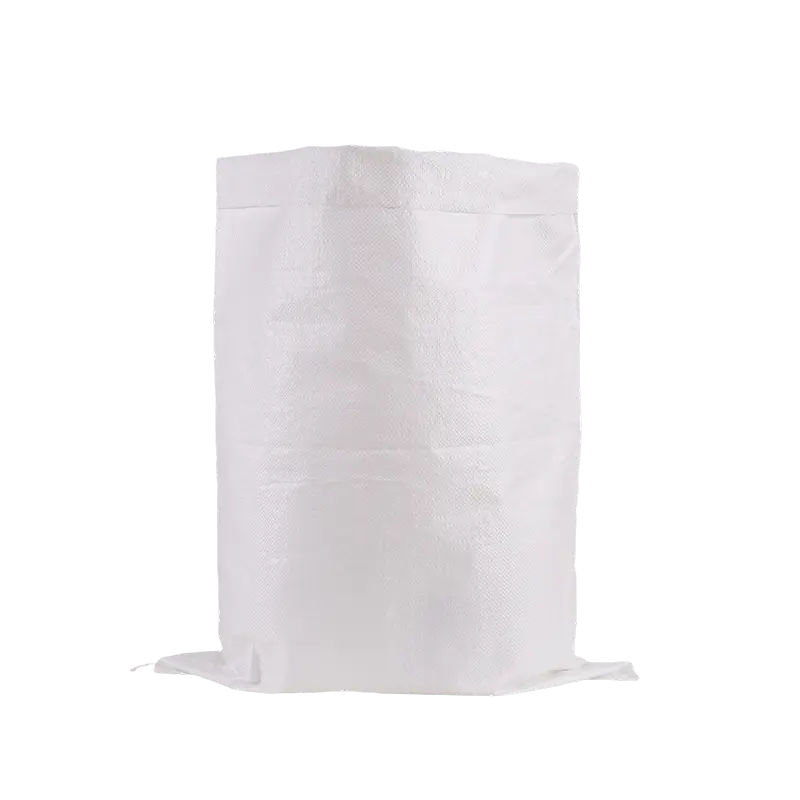
What Decides the Strength of a Woven Bag?
Strength in a woven polypropylene bag doesn't come from a single ingredient. It's closer to a recipe, where several variables interact rather than one number telling the whole story.
The tape width and denier of the polypropylene yarn used in weaving plays a role, as does the weave density — how tightly the horizontal and vertical strands are packed together. A looser weave lets air and light pass through more easily and tends to stretch more under tension, while a tighter weave resists deformation but can add cost and weight.
Beyond the fabric itself, the way seams are stitched matters just as much. A bag can use strong fabric and still fail at a poorly reinforced bottom seam. Buyers sometimes focus so heavily on fabric grade that they overlook stitching pattern, thread type, and the number of stitch lines running along stress points. That's a mistake worth correcting early, because seam failure is one of the more common complaints traced back to cheaper packaging runs.
Storage and transport conditions also factor in indirectly. A bag rated for dry warehouse stacking won't necessarily hold up the same way in a humid coastal port, since moisture and UV exposure gradually change how polypropylene fibers behave over time.
Thickness Changes How a Bag Performs in the Field
Thickness gets treated like a simple dial — thicker equals stronger, thinner equals weaker — but the reality is a bit more layered than that.
A thicker woven fabric generally resists puncture and abrasion better, which matters for products with sharp edges, granular textures, or rough surfaces that can wear through thin material during repeated handling. Fertilizer, mineral aggregates, and certain construction materials tend to demand a heavier gauge for exactly this reason.
That said, thickness isn't free. Heavier fabric adds shipping weight, raises material cost, and can make a bag stiffer and harder to fold or stack efficiently. Some buyers actually prefer a moderate thickness paired with a smarter weave pattern over an unnecessarily heavy bag that just adds dead weight to every shipment.
So how does a buyer land on the right number? It usually comes down to matching thickness against the abrasiveness of the product being packed, the number of times a bag is expected to be lifted, dropped, or restacked, and whatever climate conditions it will pass through along the supply chain.
Working Out Load Capacity Before You Order
Load capacity is where strength and thickness come together into something a buyer can actually plan around. It answers a very concrete question: how much weight can this bag reliably carry without splitting, sagging, or losing shape during stacking?
A few practical steps help buyers reason through this instead of guessing:
- Identify the bulk density of the product being packed, since a bag holding dense minerals behaves differently than one holding a lighter granular material at the same fill volume.
- Consider stacking height during storage and transit, because bags at the bottom of a tall pallet stack absorb far more compressive pressure than ones sitting in the upper layers.
- Account for handling method, whether that's manual lifting, forklift pallets, or automated filling lines, since each puts different kinds of stress on seams and fabric.
- Factor in duration of storage, as prolonged pressure over weeks behaves differently than a short-term shipment handled once and unloaded quickly.
None of these factors work in isolation. A bag that performs fine in a short domestic delivery might behave differently after weeks in a container during an ocean shipment, so buyers dealing with export logistics often ask suppliers for guidance tailored to that longer transit window.
There's also a temptation to over-engineer a bag beyond what a shipment actually needs, adding thickness or fabric weight well past the point where it improves handling. That tendency drives up cost without a matching improvement in performance, which is why a candid conversation with a supplier about the real conditions a bag will face — rather than a generic worst-case assumption — usually produces a smarter specification. Buyers who share actual product samples, expected pallet configurations, and rough transit timelines with their supplier tend to land on a bag that fits the job rather than one padded with unnecessary margin.
Do Different Industries Need Different Specifications?
Yes, and the differences can be fairly significant once you start comparing use cases side by side.
Agricultural buyers packing seed, feed, or fertilizer often prioritize breathability alongside strength, since trapped moisture inside a sealed bag can degrade the product. Construction material buyers, on the other hand, tend to prioritize puncture resistance above almost everything else, because cement, sand, and aggregate are abrasive by nature. Food-grade applications bring their own layer of requirements around cleanliness and lining material, separate from the structural conversation entirely.
Chemical and mineral processing buyers frequently need bags that resist certain chemical exposures without breaking down the woven structure, which sometimes calls for a different lamination approach than what a food or agricultural buyer would choose.
| Industry Segment | Primary Concern | Secondary Concern |
|---|---|---|
| Agriculture and Feed | Breathability and moisture control | Load stability during stacking |
| Construction Materials | Abrasion and puncture resistance | Seam durability under repeated handling |
| Chemical and Mineral Processing | Resistance to specific exposures | Consistent fabric density |
| Food-Grade Packaging | Cleanliness and liner compatibility | Structural strength under stacking |
| General Industrial Goods | Balanced strength and cost | Flexibility for varied product shapes |
Reading a table like this is a starting point rather than a final answer. It helps frame the conversation with a supplier, who can then narrow things down based on the actual product going inside the bag.
Does Lamination Actually Add Strength?
Lamination changes the equation, though not always in the way buyers expect going in.
A laminated woven bag adds a layer, typically a film or coated surface, bonded to the woven fabric. This layer improves resistance to moisture penetration and can make printing sharper and more durable, which matters for brands wanting clean labeling that survives handling. Structurally, lamination can add a bit of rigidity and help hold shape, though the core strength still comes primarily from the woven fabric underneath rather than the coating itself.
Where lamination earns its keep is in protecting contents from dampness, dust, and minor punctures on the surface layer, rather than dramatically increasing the raw load-bearing threshold of the bag. Buyers sometimes assume lamination alone solves a strength problem, when really it solves a barrier problem — those are related but not identical.
Where Does Kraft Paper Lamination Fit In?
Kraft paper laminated woven bags occupy a slightly different niche. Combining a woven polypropylene base with a kraft paper outer layer gives a bag a more paper-like appearance and feel, which appeals to buyers wanting a packaging look closer to traditional paper sacks while retaining the strength of woven fabric underneath.
This combination tends to suit products where visual presentation matters alongside durability — retail-facing goods, branded agricultural products, or items sold directly to consumers rather than moving purely through industrial supply chains. The paper surface also takes ink and printing well, giving brands more flexibility with labeling and design.
It's worth noting that kraft paper lamination introduces its own handling considerations. The outer layer can be more sensitive to prolonged moisture exposure than a plain woven surface, so buyers working in humid climates or long transit routes should discuss coating options with their supplier before committing to a large order.
Reading a Product Specification Sheet Without Getting Lost
Specification sheets can look intimidating when reviewed casually, packed with terminology that doesn't always translate cleanly across suppliers. A few things to look for consistently:
Fabric weight per unit area tells you roughly how heavy the woven material is, which connects back to both thickness and expected durability. Denier count for the yarn used gives a sense of fiber thickness and, indirectly, strength. Weave count or thread density indicates how tight the weave pattern is. Seam type and stitch count describe how the bag is assembled, which matters as much as the fabric grade itself.
Buyers who compare specification sheets side by side sometimes notice inconsistent terminology between suppliers, since not every manufacturer describes these attributes the same way. Asking for clarification rather than assuming equivalence between two sheets is a habit worth building, especially when switching suppliers or sourcing from a new region.
Asking a Manufacturer the Right Questions
A conversation with a supplier goes further when a buyer arrives with specific, targeted questions rather than a general request for "strong bags." A few worth asking directly:
- What fabric weight and weave density does this specification use, and how does it compare to a previous order that performed well?
- How is the bottom seam reinforced, and what stitch pattern is used along stress points?
- Is lamination applied, and if so, what does it add beyond surface protection?
- What storage and climate conditions has this bag been tested against informally through production experience?
- Can a sample batch be reviewed before a full production run is committed?
These questions shift the conversation away from vague reassurance and toward something a buyer can actually verify before placing a larger order.
Customization, Testing, and Sourcing Considerations
Manufacturers capable of OEM work can usually adjust fabric weight, lamination type, printing, and even bag dimensions to match a buyer's specific product line rather than forcing a standard template onto every order. This flexibility matters for buyers with unusual product shapes, branding requirements, or niche industry needs that don't fit a generic bag size. Quality testing on the production side typically involves checking tensile strength of the fabric, seam integrity under tension, and consistency across a production batch, since variation between individual bags in the same order can create downstream problems for a buyer's own customers. A supplier willing to walk through their internal testing process, rather than simply stating a product meets requirements, tends to be a more transparent partner over the long run. Custom load ratings come into play when a buyer's product doesn't fit neatly into a standard category. A supplier open to adjusting fabric specification based on an actual sample of the product being packed, rather than a generic industry assumption, generally produces a better match between bag and cargo. Sourcing advice worth keeping in mind: request samples before committing to volume, ask about consistency across production runs rather than just a single sample, and clarify turnaround expectations realistically rather than assuming a supplier can match whatever timeline sounds convenient. These small verification steps tend to prevent larger headaches once a full container is already in transit. Buyers weighing strength, thickness, and load capacity together, rather than treating each as a separate checkbox, generally end up with packaging that matches their actual product rather than a generic industry default. That balance is really what separates a smooth ongoing supplier relationship from one that requires constant troubleshooting after every shipment. For buyers looking to work through these specification questions directly with a manufacturer capable of OEM adjustments, custom load ratings, and batch-level quality checks, Zhejiang Hongyang Packaging Co., Ltd. offers a starting point for that conversation, whether the goal is an initial trial order or a longer-term supply arrangement.




-
 +86-17757792457
+86-15868461338 -
 +8617757792457
-
 [email protected]
[email protected] -
 Guidé Village, Chuiyang, Aojiang Town, Pingyang County, Wenzhou City, Zhejiang Province, China
Copyright ©Zhejiang Hongyang Packaging Co., Ltd.



