


 Guidé Village, Chuiyang, Aojiang Town, Pingyang County, Wenzhou City, Zhejiang Province, China

 English
 Español
 عربى
عربى 中文简体
中文简体
Everything You Want to Know About PP Woven Bags
Date:May 22, 2026
Packaging failures in bulk shipping rarely announce themselves in advance. A seam gives way mid-transit, moisture works its way through an unsuitable film, and suddenly a container load of fertilizer or cement arrives compromised. Procurement teams who handle large-scale orders know this frustration well — and it usually traces back to a specification decision made too quickly. A PP Woven Bag addresses most of these vulnerabilities in one format, which is why it has become such a fixture across industrial supply chains.
What Is a PP Woven Bag?
At its core, it is a flexible container built from polypropylene strips that are woven together, then cut, sewn, and finished according to application requirements. The resulting structure is light enough to move easily yet firm enough to carry substantial weight without deforming.
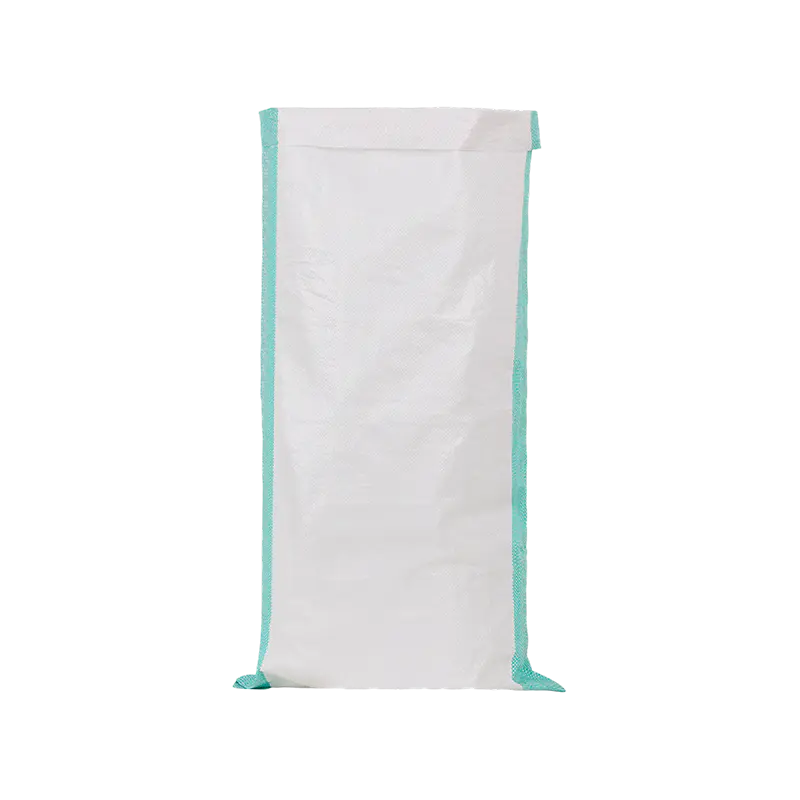
What makes it practical across so many sectors is the range it covers. Agriculture, construction, food processing, chemical manufacturing — all of these industries use some version of it, though the specific configuration changes depending on what goes inside. Breathability, print surface, liner inclusion, closure type: each detail can shift based on the product being packed.
The underlying value proposition is simple. It combines load-bearing strength, moisture management, and surface customization at a cost point that works for bulk orders. That combination is genuinely hard to replicate with other materials.
PP Woven Bag Material Explained
What Is Polypropylene?
Polypropylene is a thermoplastic material made from propylene gas. Chemically, it resists a wide range of solvents and holds its shape under mechanical stress — both useful traits when the goal is durable packaging. When processed into thin flat tapes and interlocked in a weave, it creates a fabric that punches well above its weight.
One thing worth noting: the material stays relatively lightweight even at higher fabric densities. That matters when you're calculating freight costs across large shipment volumes.
Why the Woven Structure Matters
A plain film tears in a straight line. A woven structure does not behave the same way, because the interlocking threads distribute force across a broader area rather than letting it concentrate at one weak point. Punctures and partial tears are far less likely to propagate into full failures.
There is also a ventilation benefit. The open weave allows air movement, which turns out to be critical for products like grain or seeds — materials that respire and can degrade quickly if sealed in an airtight environment.
Key Material Properties
- Tensile strength running in both the length and width of the fabric
- Low weight relative to the structural load it supports
- Moisture resistance, particularly when a laminated layer is added
- UV stabilization available as an additive for outdoor storage applications
- Recyclable under standard polypropylene recovery processes
Types of PP Fabric Bags
Laminated PP Woven Bag
Lamination bonds a thin film to the outer surface, turning a textured weave into a smooth, printable panel. The practical effect is twofold: moisture penetration drops significantly, and the surface can hold detailed, multi-color graphics without the ink bleeding into the fabric.
BOPP laminated bags have become particularly common in retail-adjacent markets — flour, rice, pet food — where the packaging is seen by the end consumer and visual presentation carries commercial weight.
Unlaminated PP Bag
Strip away the lamination and you get a bag that breathes freely. For fresh produce, certain grains, or any product that generates internal humidity, that breathability is not optional — it is a functional requirement.
Cost is lower too. When printing is not needed and the product handles moisture without issue, there is no reason to add lamination. Many agricultural buyers operating in dry climates choose unlaminated bags for exactly this reason.
Valve PP Woven Bag
Valve bags have a narrow filling spout that opens under pressure and closes when the fill head is removed. No manual closure, no dust cloud, no product loss on the floor. For cement plants running automated fill lines, this design is essentially standard.
The valve mechanism keeps the exterior of the bag clean through filling, which matters when the bags are then stacked and palletized in large quantities.
Gusseted PP Bag
A gusseted design adds folded panels on the sides or base, which expand outward when the bag is filled. The result is a more upright, stable container that stacks well on pallets and makes better use of floor space in warehouse storage.
Animal feed, bulk flour, and compound fertilizer are typical applications. The format simply handles higher fill volumes without going awkwardly wide.
PP Woven Bag with Inner Liner
Some products will not tolerate any moisture ingress at all. Hygroscopic powders, certain chemicals, and fine food ingredients all fall into this category. For these, a polyethylene film liner inserted inside the woven shell provides a sealed inner environment while the outer woven layer handles physical stress.
The two layers work independently. If the outer fabric takes a scrape or a puncture, the liner holds. That redundancy is worth paying for in sensitive applications.
Applications of PP Woven Bags
Agriculture Packaging
Rice, grain, seeds, animal feed — the list of agricultural products that travel in Woven Polypropylene PP Bags is long. The material handles the weight of bulk commodities, and the breathable unlaminated versions keep grain in good condition through weeks of warehousing.
Fertilizer is a slightly different case. Here, chemical resistance matters as much as load capacity, and bags often need to survive outdoor storage. Thicker fabrics with UV additives are common in this segment.
Construction Industry
Cement is the defining application in construction. Automated filling, palletized shipping, rough job-site handling — woven PP bags are built for all of it. Valve closures keep the process fast and clean; the fabric structure survives the drops and scrapes that happen on active construction sites.
Sand and aggregate packaging follows similar logic. The weight is high, the handling is not gentle, and the bags need to stay intact through all of it.
Food Industry
Flour, sugar, starch, and similar dry ingredients are packed in laminated versions with food-grade inner liners. The combination keeps product free from contamination while the woven exterior carries the physical load.
Printed laminated bags also do real marketing work in this sector. A well-printed bag on a retail shelf is part of brand communication, not just a container.
Chemical Industry
Powder chemicals and mineral compounds move in bags that need to seal tightly in both directions — keeping the contents dry and keeping fine particulate from escaping into the filling environment. PE-lined bags with valve closures cover both requirements, which is why they dominate in chemical packaging.
PP Woven Bag Specifications
Before placing any order, buyers need to pin down a handful of technical parameters. Getting these wrong — or leaving them unspecified — is where sourcing problems typically start.
| Parameter | Typical Range | Notes |
|---|---|---|
| GSM (fabric weight) | 60 to 120 GSM | Heavier fabric adds strength; lighter fabric reduces cost and weight |
| Load Capacity | 5 kg to 100 kg | Determined by GSM, weave density, and seam construction |
| Bag Dimensions | Variable (e.g., 50x80 cm) | Custom dimensions based on fill volume and stacking requirements |
| Printing | 1 to 8 colors | Laminated surfaces produce cleaner, sharper results |
| Lamination | With or without | Adds moisture barrier and printability |
| Inner Liner | PE film optional | Necessary for moisture-sensitive or fine powder products |
| Closure Type | Sewn, heat-sealed, valve | Determined by filling method and product characteristics |
GSM and Fabric Density
GSM — grams per square meter — is the most direct measure of fabric weight and a reliable proxy for structural capacity. A lower GSM keeps the bag lighter and cheaper; a higher GSM handles more demanding loads. The right number depends on what goes inside and how far it travels.
Size and Capacity
Standard dimensions exist, but they do not fit every application. Custom sizing is straightforward for most manufacturers. When defining dimensions, think about fill volume and pallet configuration, not just product weight. A bag that fits the product but creates gaps on the pallet wastes space across every shipment.
Printing and Branding Options
On a laminated surface, multi-color printing produces clean, consistent results. Unlaminated fabric supports printing too, but with fewer colors and less sharpness. For branding-driven markets, BOPP lamination is the obvious choice. For plain utilitarian bags, lamination may add cost without adding value.
How to Evaluate a PP Woven Bag Supplier
Factory vs. Trading Company
Buying from a factory means talking directly to the people making the product. Specifications go in, questions get answered by someone who actually runs the machines. A trading company adds a commercial layer between the buyer and production, which can broaden the product range on offer but narrows visibility into how things are actually made.
For high-volume repeat orders, that direct relationship tends to pay off in pricing and response speed.
MOQ and Order Flexibility
Order quantities vary considerably across manufacturers. A factory with heavy setup costs for custom printing may require a large run before the economics work. Others are more flexible, especially for standard configurations. Clarifying this before getting deep into negotiations saves time on both sides.
Custom Printing Capabilities
It is worth asking specifically whether BOPP lamination is done in-house or sent out. In-house means faster turnaround and more control over quality. Ask to see print proof samples, not just photos of finished bags. The gap between a rendered mockup and the actual printed surface can be wider than expected.
Price Factors
GSM, lamination, liner inclusion, print color count, and order volume all move the per-unit price. Two quotes for "a PP Woven Bag" can differ substantially if those parameters are not fixed. Comparing quotes on identical specifications is the only way to evaluate suppliers accurately.
Export Capability
For buyers shipping across borders, verify that the supplier understands export requirements — phytosanitary certificates, fumigation documentation, and any destination-country compliance that applies. These are not the manufacturer's responsibility to navigate on the buyer's behalf, but a supplier with export experience will know what is needed and how to prepare the paperwork.
PP Woven Bag vs. Other Packaging Materials
PP Woven vs. Paper Bag
Paper has genuine environmental appeal and works well in dry conditions with lighter loads. When moisture enters the picture, or when the load is heavy and handling is rough, paper starts to lose ground quickly. Woven polypropylene holds together in conditions that would reduce a paper bag to failure.
For products stored in open-air conditions or shipped through humid climates, the performance gap between the two materials becomes hard to ignore.
PP Woven vs. Non-Woven Bag
Non-woven polypropylene uses bonded fibers rather than an interlocked weave. The texture is softer and the structure more flexible, which suits light retail applications nicely. For bulk industrial loads, the weave delivers substantially more strength per unit of material — which is why non-woven does not appear much outside the consumer sector.
PP Woven vs. HDPE Bag
HDPE film bags offer strong moisture isolation and work well for products that cannot tolerate any humidity. The trade-off is breathability — HDPE is essentially sealed. Stacking stability can also be a concern at scale.
Woven PP is the better fit when ventilation matters and the load is heavy. HDPE earns its place where complete moisture exclusion is non-negotiable and the structural demands are lower.
Frequently Asked Questions
Is a PP Woven Bag Recyclable?
Yes. Polypropylene is a recyclable material. Bags without inner liners or composite lamination layers are the easiest to process; multi-material constructions require separation before recycling.
What Load Capacity Does This Type of Bag Support?
It depends on fabric GSM, weave density, and how the seams are constructed. Specifying the intended fill weight upfront gives the manufacturer enough information to recommend an appropriate configuration.
Can These Bags Be Custom Printed?
Yes. Laminated surfaces produce clean multi-color results. Unlaminated bags support a more limited print palette. Print quality ultimately comes down to lamination type and the printing process being used.
What Is a Typical MOQ for Custom Bags?
MOQ varies by manufacturer and depends on how much custom work is involved — sizing, printing, liner inclusion. Smaller runs tend to carry a higher per-unit cost because setup is spread across fewer pieces.
Are PP Woven Bags Waterproof?
Laminated versions resist moisture well. Unlaminated bags allow more transmission and suit breathable products. For full protection against moisture, a PE inner liner combined with laminated outer fabric is the standard configuration.
What Industries Use Wholesale PP Woven Bags at Scale?
Agriculture, construction, food processing, and chemical manufacturing account for a large share of demand. Any sector that moves bulk dry goods regularly is a likely user.
What Is the Difference Between a Valve Bag and a Sewn-Open-Mouth Bag?
A valve bag fills through a pressurized spout and seals itself when the fill head is removed — suited for automated lines and fine powders. A sewn-open-mouth bag is filled manually or semi-automatically and closed by sewing. The choice depends on filling equipment and product characteristics.
Can a Kraft Paper Laminated PP Woven Bag Be Produced?
Yes. A kraft paper laminated PP Woven Bag places a paper outer layer over the woven fabric, combining paper aesthetics with structural reinforcement. It fits markets where paper presentation is expected but the physical demands go beyond what paper alone can handle.
Get Custom PP Woven Bags from a Manufacturer
Working directly with a manufacturer gives buyers a level of specification control that a multi-tier supply chain simply cannot replicate. Every variable — fabric weight, lamination type, liner inclusion, closure design, print colors — can be dialed in to match the actual application rather than approximating it with a standard catalog option. A manufacturer worth working with will ask the right questions before quoting. What is being packed? What are the storage and transport conditions? How will the bag be filled? These questions shape the specification, and a supplier who skips them is either guessing or defaulting to whatever they already make.
If the requirement involves a kraft paper laminated PP Woven Bag or a Laminated PP Woven Bag Manufacturer capable of handling export orders consistently, having a complete spec prepared before reaching out will generate more comparable, actionable responses across suppliers. Zhejiang Hongyang Packaging Co., Ltd. produces a broad range of woven polypropylene packaging solutions — laminated and unlaminated formats, valve bags, gusseted constructions, and custom-printed options across agriculture, food, construction, and chemical applications. Export documentation is handled in-house, and customization is available across the full specification range, from fabric weight through surface finish. Buyers with specific requirements are welcome to reach out directly with their specs for a detailed response.




-
 +86-17757792457
+86-15868461338 -
 +8617757792457
-
 [email protected]
[email protected] -
 Guidé Village, Chuiyang, Aojiang Town, Pingyang County, Wenzhou City, Zhejiang Province, China
Copyright ©Zhejiang Hongyang Packaging Co., Ltd.



