


 Guidé Village, Chuiyang, Aojiang Town, Pingyang County, Wenzhou City, Zhejiang Province, China

 English
 Español
 عربى
عربى 中文简体
中文简体
Deciding Between Woven Polypropylene PP Bags and Reusable Shopping Bags
Date:Jul 17, 2026
An order comes in for a batch of packaging, and suddenly you're staring at two very different options that both claim to solve the same problem. Woven Polypropylene PP Bags on one side, reusable shopping bags on the other, and no clear sense of which one actually fits what you're shipping, storing, or handing out to customers. That confusion is common, and it usually comes down to not having the two options laid out side by side in plain terms. Packaging decisions rarely feel simple once you start digging past the surface. Both bag types get marketed as durable, both claim reusability, and both show up across industries that seem to have nothing in common with each other. Sorting through the actual differences takes a bit more than a quick glance at product photos.
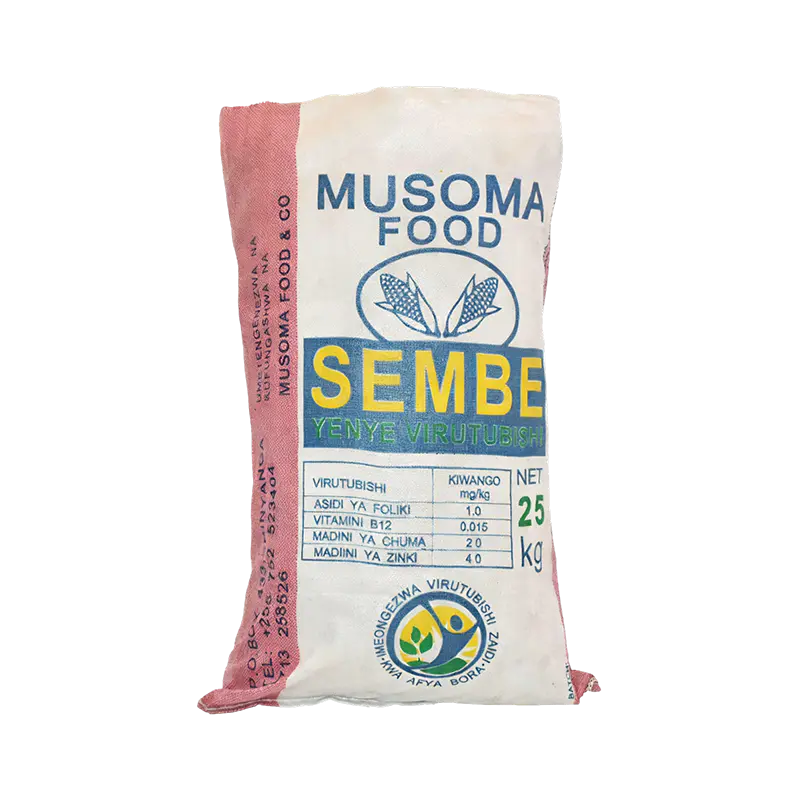
What Are Woven Polypropylene PP Bags, Structurally?
These bags are made from polypropylene fibers woven into a tight fabric-like structure, similar in concept to how cloth gets constructed but using a synthetic polymer instead of natural fiber. That woven construction is what gives them their notable strength relative to their weight.
Because the material is essentially plastic thread woven into sheets, it resists tearing along multiple directions rather than just one, which matters enormously when a bag is expected to hold significant weight without splitting at a seam or a stress point.
What Do Reusable Shopping Bags Typically Look Like?
This category covers a lot more ground than PP woven construction alone. Reusable shopping bags often use cotton, canvas, non-woven polypropylene, or laminated fabric blends, depending on the intended use and price point. Some are built for repeated grocery trips, others for branded retail giveaways meant to last a season or two rather than years.
The variety here is part of why direct comparison gets tricky. A heavy canvas tote and a thin non-woven promotional bag both fall under "reusable shopping bags," yet they perform very differently under actual daily use.
Comparing Weight Capacity: Where Does Each Option Hold Up?
Weight capacity is often one of the practical questions buyers consider early, and it is also one of the areas where these two categories show a clear difference.
Woven polypropylene (PP) bags, with their tightly woven construction, are generally well suited for carrying heavier loads compared with many reusable shopping bag materials. This is exactly why they show up so consistently in agricultural, construction, and industrial packaging contexts, hauling grain, sand, or bulk goods that would strain lighter fabric quickly.
Reusable shopping bags, particularly the thinner non-woven or lightweight canvas varieties, tend to top out at moderate weight before stitching or seams start showing stress. Heavier canvas versions perform better, but even then, they're rarely built with the same industrial load tolerance as woven PP construction.
Durability and Tear Resistance: A Closer Look
Durability isn't just about one dramatic failure, it's about how a bag holds up across repeated use, rough handling, and exposure to whatever environment it operates in.
- Woven PP fabric bag construction resists puncture and abrasion well, since the tight weave distributes stress across the fabric rather than concentrating it at a single point
- Canvas and cotton reusable bags handle general wear reasonably well but can fray at edges and seams over extended heavy use
- Non-woven polypropylene bags, despite sharing a name with woven PP, are considerably less durable since they lack the interlocking fiber structure that gives woven versions their strength
This distinction between woven and non-woven construction trips up a lot of buyers who assume similar names mean similar performance. They don't.
Moisture and Weather Resistance: Does It Matter for Your Application?
Depending on what's being packaged or carried, moisture resistance can matter as much as raw strength.
Woven polypropylene handles moisture exposure reasonably well on its own, and laminated versions add an extra protective layer specifically designed to block moisture penetration entirely. A kraft paper laminated PP woven bag, for instance, combines the visual and printable appeal of paper with the underlying strength and moisture resistance of the woven PP structure beneath it.
Reusable shopping bags vary considerably here depending on material. Cotton and canvas absorb moisture readily unless treated, while some synthetic reusable bags offer decent water resistance but still fall short of what a properly laminated woven PP bag can provide.
Cost Comparison: What Actually Drives the Price Difference?
| Factor | Woven Polypropylene PP Bags | Reusable Shopping Bags |
|---|---|---|
| Weight capacity | High, suited to industrial and bulk loads | Moderate, varies by material |
| Durability under heavy use | Strong, resists tearing and abrasion | Depends heavily on fabric type |
| Moisture resistance | Good, better with lamination | Variable, often weaker in cotton or canvas |
| Typical cost per unit | Generally economical for bulk industrial use | Can range widely from low-cost to premium |
| Customization for branding | Supports printing, laminated finishes | Also supports printing, especially canvas |
| Suitable Industries | Agriculture, construction, bulk goods packaging | Retail, grocery, promotional giveaways |
Working through a comparison like this side by side tends to clarify decisions faster than reading separate product pages for each option, since the actual differences become obvious once they're placed next to each other directly.
Which Industries Actually Rely on Woven PP Construction?
This isn't a niche packaging category. A surprising range of sectors depend on woven polypropylene specifically because of its load-bearing strength and cost efficiency at scale.
- Agricultural operations packaging grain, seed, or feed in bulk quantities
- Construction and building material suppliers moving sand, cement, or aggregate
- Industrial manufacturers requiring durable transport packaging for heavy components
- Retail and wholesale distributors needing cost-effective bulk packaging for non-perishable goods
Reusable shopping bags, by contrast, dominate in consumer-facing retail environments, grocery chains, promotional events, and branding campaigns where the priority shifts from raw load capacity toward visual appeal and everyday convenience.
How Do You Decide Which One Actually Fits Your Business?
Rather than picking based on general reputation or price alone, it helps to walk through a few direct questions specific to your actual use case.
- What's the typical weight being carried or packaged, and does that weight demand industrial-grade tear resistance
- Will the bag be exposed to moisture, outdoor storage, or rough transport conditions regularly
- Is the primary goal cost efficiency at scale, or customer-facing branding and visual appeal
- Does the application call for repeated heavy use over an extended period, or shorter-term, lighter handling
Answering these honestly usually points clearly toward one category over the other, rather than leaving the decision as a coin flip between two seemingly similar options.
Custom and Laminated Options Worth Knowing About
For buyers who need branding alongside functional performance, several construction variations blend the strengths of both categories in useful ways.
A paper laminated woven bag combines a printable paper surface with the underlying woven PP strength, giving a more premium visual finish without sacrificing load capacity. Similarly, a PP laminated kraft paper bag layers protective PP film over kraft paper, adding moisture resistance to a material that would otherwise be vulnerable to dampness.
Custom PP woven bag orders also allow adjustments to size, weight rating, and printed branding, making this option flexible enough to serve both purely industrial needs and more consumer-facing packaging where appearance still matters alongside strength.
Sourcing Considerations for Bulk or Wholesale Orders
Once the material decision is made, sourcing becomes the next practical hurdle, particularly for buyers placing wholesale or custom orders rather than small retail purchases.
- Consistency across large production runs matters as much as the quality of any single sample bag
- Turnaround timelines from a manufacturer experienced specifically in woven PP construction can vary considerably depending on order complexity
- Lamination quality, if opting for a laminated finish, affects both appearance and long-term moisture resistance
- Clear communication about intended load capacity helps a manufacturer recommend appropriate fabric weight and construction specifications
Working through these details with a supplier early in the process tends to prevent mismatched expectations once a large order actually arrives.
Choosing between Woven Polypropylene PP Bags and reusable shopping bags really comes down to matching material construction to what the bag actually needs to do, day after day, rather than assuming one option is universally better than the other. Heavy industrial loads, exposure to rough handling, and bulk cost efficiency point clearly toward woven PP construction, while retail branding, everyday grocery use, and lighter consumer applications tend to favor the broader reusable shopping bag category instead. Whether the right fit turns out to be a straightforward woven PP fabric bag, a laminated kraft paper variation for added visual appeal, or a custom specification built around a particular weight and branding requirement, working through the comparison carefully now saves considerable frustration later. Zhejiang Hongyang Packaging Co., Ltd. works with procurement teams, brand owners, and distributors comparing packaging options for industrial, retail, and custom branding needs, and welcomes inquiries about material specifications, lamination options, and bulk order requirements for specific projects.




-
 +86-17757792457
+86-15868461338 -
 +8617757792457
-
 [email protected]
[email protected] -
 Guidé Village, Chuiyang, Aojiang Town, Pingyang County, Wenzhou City, Zhejiang Province, China
Copyright ©Zhejiang Hongyang Packaging Co., Ltd.



