


 Guidé Village, Chuiyang, Aojiang Town, Pingyang County, Wenzhou City, Zhejiang Province, China

 English
 Español
 عربى
عربى 中文简体
中文简体
Why Are PP Woven Bags Used to Reduce Shipping Damage?
Date:Jun 19, 2026
Transport damage is one of those costs that rarely shows up as a single line item but quietly erodes margins across every shipment. A pallet of grain bags arrives with two torn corners. A cement order comes off the truck with seam failures and product loss. Feed bags show moisture contamination that traces back to packaging that was never built to handle the humidity in the shipping container. None of these are freak accidents — they are predictable consequences of choosing the wrong packaging for the actual conditions goods face in transit. PP woven bags address the structural causes of transport damage directly, and understanding how they do that is what separates a packaging decision that holds up from one that keeps generating claims. The core protection comes from the woven structure itself: interlocked polypropylene strips that distribute mechanical force across the fabric surface rather than concentrating it at any single point. Beyond that foundation, laminated variants add moisture barriers and surface durability that plain woven formats cannot provide. Getting the specification right depends on the product being shipped, the route, and the conditions goods face between the warehouse and the destination.
Why Products Get Damaged During Transportation
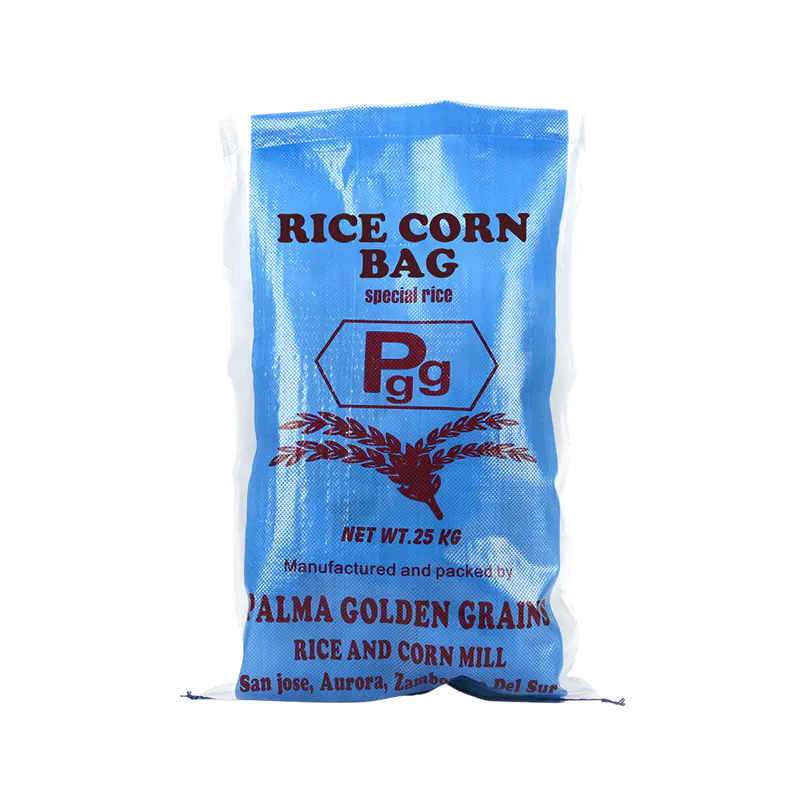
Transport damage rarely has a single cause. It tends to be the result of several stress factors working together — and packaging that handles one of them while ignoring the others gives only partial protection.
Moisture Exposure
Humidity inside shipping containers fluctuates as temperatures change during a voyage. Condensation forms on packaging surfaces, seeps through fabric walls, and saturates the contents. For agricultural commodities, food ingredients, and hygroscopic chemicals, even moderate moisture exposure during transit can render an entire shipment unusable.
Paper bags fail quickly under sustained humidity. Plain woven polypropylene absorbs less moisture than paper but still allows some transmission through the open weave. Laminated constructions include a film layer that reduces moisture penetration more effectively — the protection gap between laminated and unlaminated versions becomes apparent on long ocean hauls or in humid climates.
Stacking Pressure
Goods in transit are stacked. Sometimes carefully, often not. The bottom layers of a pallet carry the weight of everything above them — and packaging that is not built for stacking stress deforms, compresses, and eventually fails at the seams.
The woven structure of polypropylene bags distributes vertical load across the fabric rather than concentrating it at corners or seams. This makes them structurally stable under stacking conditions that would buckle paper packaging or split weaker films.
Friction and Impact
Bags slide against each other and against container walls during transport. Sudden braking, rough loading dock handling, forklift tine contact — all of these create abrasion and impact forces that packaging absorbs before the product does.
Woven polypropylene resists abrasion more effectively than many alternative materials at comparable weights. Laminated outer surfaces add further protection: the film layer takes the friction rather than the woven fabric underneath.
Inadequate Packaging Construction
Sometimes the failure has nothing to do with conditions — it traces back to the bag itself. Thin seams, low fabric weight relative to fill load, poor-quality lamination that separates under humidity or heat: these are manufacturing issues that present as transport damage but originate before the goods ever leave the factory.
How PP Woven Bags Prevent Transport Damage
The protection a woven polypropylene bag provides comes from several properties working together, not from any single feature.
Tensile Strength
The interlocked weave of polypropylene strips creates a fabric with meaningful tensile strength in both the length and width directions. Applied force — from dropping, from stacking weight, from bag overfill — spreads across the woven structure rather than tearing through a single point.
This matters particularly for heavy bulk goods: grain, fertilizer, cement, sand. These products create internal pressure on the bag wall simply from the weight of the contents. A material that fails under that kind of sustained load rather than resisting it is not suitable for bulk industrial packaging.
Resistance to Tearing and Puncture
The woven structure resists tear propagation in a way that plain films do not. When a film bag is punctured, the tear moves through the material in a straight line. In a woven bag, the interlocked threads redirect and absorb that force — a puncture stays local rather than becoming a catastrophic failure.
For agricultural and construction products that contain sharp edges, irregular surfaces, or coarse particles, this resistance is a practical requirement rather than a bonus feature.
Load-Bearing Stability
Woven polypropylene maintains its structural shape under load. Bags hold their form when stacked, which keeps pallets stable and reduces the compression damage that happens when packaging deforms under weight and loses the structural integrity that was protecting the contents.
Surface Durability During Handling
The fabric surface handles contact with concrete floors, metal racking, and other packaging without abrading through to the product in the way that thinner materials do. This is a transport-specific advantage — bags that look fine in the warehouse but fail during transit often do so because the surface material was too fragile for the handling it actually encountered.
Enhanced Protection with Laminated PP Woven Bags
The base woven format handles mechanical stress well. But moisture, fine dust, and surface damage during handling call for additional protection — and that is where lamination changes what the bag can do.
What Lamination Adds
A PP laminated woven bag bonds a film layer to the outer surface of the woven fabric. That film does three things that the base woven structure cannot:
- Creates a moisture barrier that prevents humidity from penetrating the fabric wall
- Produces a smooth surface that resists dust adhesion and is significantly harder to scratch or abrade
- Provides a print-quality surface for detailed graphics and product information that remain legible through handling
For goods moving through humid shipping environments or handling conditions where surface integrity matters, the gap between a plain woven bag and a laminated one is substantial.
Kraft Paper Laminated PP Woven Bag
A kraft paper laminated PP woven bag takes this further by adding a paper outer layer over the woven fabric. The paper surface provides an additional buffer against moisture and friction contact, and it changes the surface texture in ways that suit certain product categories and retail presentations.
This construction is particularly relevant for rice, specialty grains, and premium agricultural products where the bag exterior contributes to product positioning. The paper exterior communicates quality; the woven polypropylene structure underneath handles the actual load. The paper laminated woven bag format is also a practical choice for applications where the bag surface will be exposed to variable conditions and needs more than a film layer to maintain its integrity.
When to Choose Laminated Over Plain
The choice is product and route dependent, not a universal preference. Breathable products — grain, seeds, certain animal feeds — still need unlaminated formats to allow internal moisture to escape. For everything else where moisture ingress is a threat, lamination is the practical upgrade.
PP Woven Bags vs Other Packaging Materials
Understanding where woven polypropylene sits relative to other common packaging formats helps clarify which applications it handles well and where alternatives might be more suitable.
| Feature | PP Woven Bag | Paper Bag | PE Film Bag | Non-Woven Bag |
|---|---|---|---|---|
| Tensile Strength | High | Moderate | Moderate | Low |
| Moisture Resistance | Moderate (high when laminated) | Low | High | Low |
| Breathability | High (unlaminated) | Moderate | Low | Moderate |
| Tear Resistance | High | Low | Moderate | Low |
| Print Quality | Good (excellent when laminated) | Good | Limited | Limited |
| Load Capacity | High | Moderate | Low-moderate | Low |
| Cost Efficiency | High for bulk | Moderate | Low-moderate | Low |
| Reusability | Yes | Limited | Limited | No |
PP Woven vs Paper Bags
Paper bags are biodegradable and suitable for light loads in dry conditions. Under moisture exposure, sustained weight, or rough handling, they fail faster and more completely than woven polypropylene. For bulk agricultural and industrial products in transit, the performance difference is significant enough that paper is rarely the appropriate choice.
PP Woven vs PE Film Bags
PE film bags offer stronger moisture isolation but lack the structural strength of the woven construction. They are more prone to puncture propagation and do not handle stacking loads as well. For products where moisture isolation is the only concern and loads are light, PE film may suffice. For bulk industrial shipping, it generally does not.
Laminated vs Non-Laminated PP Woven
The comparison within the format itself. Non-laminated is breathable and lower cost. Laminated provides the moisture barrier and surface durability needed for sensitive goods or branded packaging. The right choice depends on the product going inside, not on a general preference for one over the other.
Where PP Woven Bags Are Used to Reduce Transport Damage
The format is used across a wide range of industries precisely because it handles the range of transport stresses those industries face.
Agriculture
Grain, rice, seeds, and fertilizer all move in woven polypropylene bags. Grain and seeds use breathable unlaminated formats. Rice and fertilizer use laminated bags with moisture barriers. The common thread is load-bearing capacity and the ability to handle the handling conditions of agricultural supply chains — outdoor loading, variable transit, long storage periods.
Construction Materials
Cement, sand, gravel, and dry construction compounds need packaging that survives rough loading, outdoor storage, and the weight of bulk fill. Valve-style bags for cement automate filling and self-seal, reducing product loss during the filling process. The woven structure handles the weight and handling without the seam failures that cause product loss on job sites.
Chemical and Industrial
Powder chemicals, mineral compounds, and industrial additives need packaging that keeps them dry and prevents contamination in both directions. Laminated bags with PE inner liners are the standard configuration — the outer laminated wall handles physical stress and moisture, and the liner keeps the contents isolated from the bag material.
Food and Feed
Flour, starch, sugar, and animal feed all move in some variant of this packaging. Laminated bags with food-grade liners cover food applications where hygiene standards apply. Feed bags prioritize seam strength and moisture resistance for products moving through agricultural supply chains with variable handling conditions.
Choosing the Right PP Woven Bag for Transport Protection
Selecting a bag specification for transport protection involves matching several variables to the actual conditions the goods will face.
Standard vs Laminated
The decision follows the product's moisture sensitivity and the conditions of the shipping route. Breathable goods in controlled environments can use unlaminated formats. Moisture-sensitive goods, products moving through humid shipping routes, or any product where surface contamination is a concern should use laminated formats.
Fabric Weight and Thickness
Fabric weight — measured in grams per square meter — determines the structural load the bag can carry. Heavier fabric handles heavier loads but adds material cost. Specifying the right weight for the intended fill load avoids both under-specification failures and unnecessary cost from over-building the bag.
Custom PP Woven Bag Options
Standard catalog bags fit many applications, but custom PP woven bag specifications address requirements that standard formats cannot. Specific dimensions that match fill volume and pallet configuration, custom fabric weight for unusual load requirements, BOPP lamination for high-quality branded graphics, valve closures for automated filling lines, PE liners for contamination-sensitive products — all of these are customization options that change how well the bag actually performs in the specific transport context.
Wholesale PP Woven Bag Considerations
For wholesale PP woven bag purchasing across large production runs, consistency across batches matters as much as the initial specification. A bag that performs correctly on the sample pallet but drifts in seam quality or fabric weight across the bulk order creates transport damage that traces back to manufacturing inconsistency, not the shipping conditions.
What to Look for in a Custom PP Woven Bag Supplier
Transport damage reduction depends on the bag performing as specified across every unit in the order — not just the approved sample.
Factors that determine whether a manufacturer can deliver on that:
In-house lamination: Manufacturers that control the lamination step internally maintain tighter consistency in film adhesion across production batches. Outsourced lamination adds a variable the manufacturer cannot fully control.
Seam construction standards: Seam failures are a common cause of bag failures under transport stress. Ask for seam-specific load test results, not just filled-bag photographs.
Fabric weight consistency: GSM variation across a bulk order creates bags with different actual load capacities from the same specification. Batch testing documentation shows whether the manufacturer controls this variable.
Export packaging experience: A China PP woven bag supplier with genuine export experience understands the documentation requirements — phytosanitary certificates, fumigation records, destination-country compliance — and has standard processes for them.
Custom specification support: The ability to adjust dimensions, fabric weight, lamination type, closure design, and liner inclusion to the actual application rather than a catalog approximation.
Sample and proof process: Any supplier worth working with will produce physical samples and a structured proof approval process before committing to full production. Skipping or rushing this step transfers quality risk to the buyer.
Frequently Asked Questions
Do PP Woven Bags Prevent Moisture Damage During Transport?
Unlaminated bags slow moisture transmission but do not fully prevent it. Laminated PP woven bags add a film barrier that blocks moisture penetration significantly. For goods sensitive to humidity in transit, lamination is the appropriate specification.
Are Laminated PP Woven Bags Stronger Than Plain Ones?
The woven structure provides the structural strength in both cases. The lamination adds moisture resistance and surface durability rather than increasing tensile strength directly. For transport protection, the two work together: the woven structure handles mechanical stress and the lamination handles environmental exposure.
Can PP Woven Bags Be Reused After Transport?
In many agricultural and industrial applications, they are. The woven structure is durable enough for multiple use cycles when the bags are handled carefully and stored properly between uses. Reusability depends on the fill product, the handling conditions, and whether the bag shows seam stress or fabric damage from the initial use.
What Is the Difference Between a Paper Laminated and a PP Laminated Woven Bag?
A PP laminated woven bag has a polypropylene film bonded to the woven surface. A paper laminated woven bag — or kraft paper laminated PP woven bag — adds a paper outer layer instead of or alongside the film. The paper surface changes the tactile quality and visual presentation of the bag and provides additional abrasion protection. The woven polypropylene structure carries the load in both constructions.
What Load Capacity Do PP Woven Bags Support for Bulk Transport?
Load capacity depends on fabric weight, weave density, and seam construction rather than any single figure. The specification should be matched to the intended fill weight and transport conditions, not selected from a generic range. Confirming load requirements with the manufacturer before specifying the bag is the reliable way to get this right.
How Does Stacking Height Affect Bag Performance During Transport?
Bags at the bottom of a pallet carry the weight of everything above them. Heavier loads require bags with higher GSM and stronger seam construction to maintain integrity through the full transit cycle. Pallet configuration and stack height should be part of the specification discussion, not an afterthought.
Work with a Manufacturer That Builds Protection Into the Specification
Reducing transport damage starts with the bag specification and ends with consistent production quality across the full order. A bag built to the right GSM, with appropriate lamination for the shipping route, correct seam construction for the fill weight, and manufacturing quality that holds across batches — that is what actually reduces claims. Zhejiang Hongyang Packaging Co., Ltd. manufactures custom PP woven bags across a full range of configurations: plain woven formats for breathable agricultural products, BOPP laminated bags for rice, food, and branded packaging, kraft paper laminated PP woven bags for premium or paper-aesthetic applications, and valve and gusseted constructions for cement, chemical, and bulk industrial products. Wholesale PP woven bag orders are supported with in-house lamination, consistent seam quality, export documentation handling, and a structured sample and proof approval process. Buyers looking to reduce transport damage through better packaging specification are welcome to reach out with their requirements for a detailed response and samples.




-
 +86-17757792457
+86-15868461338 -
 +8617757792457
-
 [email protected]
[email protected] -
 Guidé Village, Chuiyang, Aojiang Town, Pingyang County, Wenzhou City, Zhejiang Province, China
Copyright ©Zhejiang Hongyang Packaging Co., Ltd.



