


 Guidé Village, Chuiyang, Aojiang Town, Pingyang County, Wenzhou City, Zhejiang Province, China

 English
 Español
 عربى
عربى 中文简体
中文简体
What Trends Shape the Future of PP Woven Bag Business?
Date:Aug 07, 2026
A rice farmer loading fifty-kilogram sacks onto a truck bed cares about different things than a retailer stacking bulk pet food bags on a store shelf, and both care about different things than a construction crew hauling sand across a job site. Packaging used to just mean "something to hold the product." Now it means something the truck driver can stack without it tearing, something the store manager can display without it looking cheap, and something the brand owner can put a logo on without extra cost.
The PP Woven Bag Business has followed that same shift. A farm co-op buying feed bags in bulk isn't thinking about the same things as a coffee exporter looking for bags that print well and survive a container ship crossing. Buyers now weigh appearance, durability, how easily a bag customizes, and how well it moves through a warehouse, not just whether it holds weight without splitting.
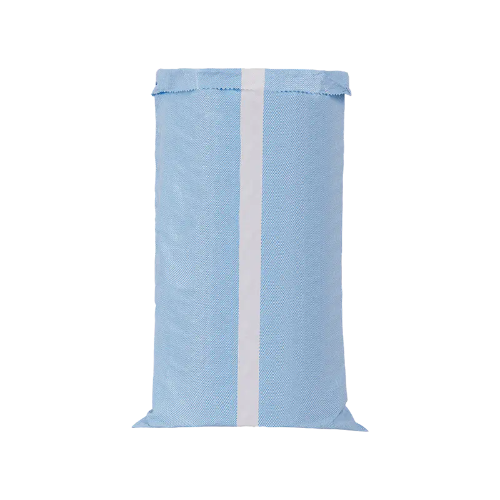
Manufacturers keeping up with this have had to rework production lines, add printing capability, and pay attention to details that used to get ignored, like how a bag behaves after sitting in a humid warehouse for three months.
Why Is the PP Woven Bag Business Continuing to Grow?
A cement plant needs bags that survive rough handling on a loading dock. A rice mill needs bags that stack evenly in a warehouse without toppling. A pet food company needs bags that look decent enough to sit on a retail shelf. PP Woven Bags keep showing up across these different situations because the same basic material adapts to all of them with only minor changes in weave tightness or coating.
That flexibility matters more than people realize until they try to find a single packaging solution for products that behave completely differently once they're loaded onto a pallet.
A few things keep demand steady across industries:
| What buyers need | Where it shows up |
|---|---|
| Packaging that adjusts to different products | Feed, grain, sand, retail goods all fit the same basic bag structure |
| Bags that hold up during transport | Stacked on trucks, shipped in containers, moved through warehouses |
| Protection during storage | Sitting in warehouses or open yards for weeks at a time |
| A look that fits the brand | Store shelves and export packaging both care about appearance now |
As companies sell into more markets, a packaging option that works across several of them saves the hassle of switching suppliers every time a product line changes.
How Are Customer Expectations Changing?
A buyer sourcing bags for a food brand used to ask about price and strength, full stop. Now that same buyer might ask about print clarity, whether the bag looks presentable next to competitor products on a shelf, and whether the finish feels cheap when a customer picks it up.
Retail and export markets in particular have pushed packaging quality higher on the priority list.
Things buyers pay attention to now include:
- Whether the bag looks clean rather than rough or uneven
- How easily workers can carry or stack it
- Whether the seams and stitching hold up under repeated handling
- How sharp the printed graphics look
- Whether one batch matches the last one in color and finish
A feed bag with slightly crooked printing might not matter much to a farmer, but a rice bag with the same flaw sitting on a supermarket shelf next to a competitor's clean design becomes a problem fast.
Why Is Customization Becoming More Important?
A fertilizer company packaging fifty-kilogram bags for wholesale distribution has different needs than a specialty coffee roaster packaging small retail bags meant to sit on a café counter. One cares about bulk strength, the other cares about how the bag photographs for social media.
Customization lets manufacturers serve both without forcing either buyer into a one-size-fits-all option.
| Customization | What it solves |
|---|---|
| Different bag sizes | Matches everything from small retail packs to bulk industrial loads |
| Color options | Helps a brand stand out or match existing packaging lines |
| Printed graphics | Lets a company put its logo and product info directly on the bag |
| Closure styles | Some buyers want sewn tops, others want a valve or drawstring |
A construction supply company and a specialty food brand might both order woven bags from the same factory, but walk away with products that look nothing alike because customization filled in the gap between their different needs.
How Is Sustainability Influencing the PP Woven Bag Business?
A grocery chain trying to reduce plastic waste and a construction firm trying to cut down on landfill contributions from torn bags are both, in their own way, pushing packaging suppliers toward more responsible material use.
Sustainability conversations used to happen mostly in marketing meetings. Now they show up in actual purchasing decisions, especially with buyers who answer to environmental regulations or corporate sustainability targets.
Manufacturers responding to this tend to look at:
- Using less raw material without sacrificing strength
- Cutting down on scrap generated during production
- Designing bags that can be reused for a second purpose instead of thrown away after one trip
- Making sure recyclable materials actually get collected and processed properly
A woven bag that holds up through repeated use, whether for garden storage or another journey through a supply chain, can become more valuable to buyers who look beyond a single use.
How Are Design Trends Changing Packaging Expectations?
Even a bag full of cement or animal feed carries a brand's name on it, which means it's doing marketing work whether the company thinks about it that way or not.
A clean, readable design on a bag sitting in a hardware store aisle helps a customer recognize the product from a few feet away, the same way a logo on a soda can does.
Current design habits lean toward:
| Design choice | Why it matters |
|---|---|
| Simple graphics | Easier to read from a distance, especially in a warehouse or store aisle |
| Consistent colors | Helps customers recognize a brand across different product lines |
| Clear printing | Avoids confusion about product type, weight, or usage instructions |
| Organized layout | Makes the bag look intentional rather than thrown together |
A bag that presents a neat appearance on a store shelf or during export handling can shape the initial impression before the product inside is even viewed.
Why Is Logistics Driving Packaging Innovation?
A bag of rice might travel from a mill to a regional warehouse, then onto a truck, then into a store's back room before it ever reaches a shelf. Each step involves stacking, dropping, and repeated handling that a poorly built bag won't survive.
Woven bags that stack evenly and resist tearing make that whole chain move faster, since workers spend less time repacking or dealing with spilled contents.
Key factors to consider during transport and storage:
- Bags that stack cleanly on pallets without shifting
- Enough strength to survive being dropped or handled roughly
- A size and shape that fits standard warehouse racking
- Consistent weight and dimensions across a shipment
A warehouse manager dealing with bags that split open mid-transport ends up losing time and product, which is exactly the kind of problem that pushes buyers toward suppliers who build for durability rather than just cost.
How Are Manufacturing Processes Adapting to Market Demand?
A factory producing woven bags for a dozen different clients, from cement companies to coffee exporters, can't run the same production line the same way for every order.
Rather than pushing out identical bags regardless of buyer, more manufacturers now build in the flexibility to adjust size, thickness, and printing on a per-order basis.
| What's changing in production | Why it helps buyers |
|---|---|
| Flexible line setups | Lets factories switch between small custom runs and bulk orders |
| Steady quality control | Keeps batch after batch looking and performing the same way |
| Faster turnaround | Shortens the wait between order and delivery |
| Wider product range | Covers everything from small retail bags to large industrial sacks |
A factory that can pivot between a rush order of printed retail bags and a bulk order of plain industrial sacks in the same week tends to keep more clients than one stuck running a single product line.
What Role Does Product Quality Play in Long-Term Business Relationships?
A company that orders the same type of bag every quarter doesn't want to deal with a supplier who sends slightly different quality each time. Inconsistency, even small, ends up creating headaches on the buyer's end.
Buyers sourcing packaging repeatedly tend to care about:
- Bags that feel and perform the same batch after batch
- Printing and color that match previous orders
- A manufacturing process that doesn't cut corners when demand spikes
- Bags that actually hold up the way they're supposed to during real-world handling
A supplier who delivers consistent quality order after order tends to keep clients longer than one offering a lower price but inconsistent results.
How Is Digital Communication Changing the PP Woven Bag Business?
A buyer sourcing bags a decade ago might have relied on phone calls, faxed order forms, and physical samples mailed back and forth. Now a lot of that happens through email threads, video calls, and digital proofs sent within hours.
Suppliers keeping up with this shift tend to offer:
- Online catalogs buyers can browse before reaching out
- Digital proofs for artwork and printing before production starts
- Video calls to review samples without needing an in-person visit
- Faster response times on quotes and order updates
A buyer in one country working with a factory in another benefits from this kind of setup, since it cuts down the back-and-forth that used to take weeks down to a matter of days.
Why Are Different Industries Creating New Opportunities?
The same basic woven bag structure ends up serving a rice farmer, a construction crew, and a specialty food brand, just with different thickness, printing, or closure details.
As those industries grow or shift, so does the demand for bags that can adapt to whatever they need next.
| Industry | What the bag is typically used for |
|---|---|
| Agriculture | Packing grain, feed, or seed for storage and transport |
| Construction | Carrying sand, cement, or other building materials |
| Food industry | Moving bulk ingredients or packaging retail products |
| Retail | Holding bulk goods like pet food, charcoal, or rice |
| Manufacturing | Storing or transporting raw materials |
A factory serving several of these industries at once tends to weather slow periods in one sector better than a factory relying entirely on a single customer base.
How Are Consumer Preferences Influencing Packaging Development?
A shopper picking up a bag of rice off a shelf never talks directly to the woven bag manufacturer, but their preferences still shape what that bag looks and feels like.
Retailers and brands respond to what their customers notice, and that response travels back through the supply chain to the packaging supplier.
This creates demand for bags that offer:
- A look that feels put-together rather than generic
- Easy carrying, since customers often lift these bags themselves
- Practical storage at home, not just during shipping
- Materials that don't feel wasteful or hard to dispose of
- Consistent branding that matches what customers expect from a product line
A packaging supplier paying attention to grocery store trends might end up changing bag design well before a construction client ever asks for the same features, simply because consumer habits tend to filter through the whole industry eventually.
What Skills Will Support the Future of the PP Woven Bag Business?
Markets shift depending on harvest seasons, construction cycles, and retail trends, so a business relying on one product style or one industry tends to struggle when that particular market slows down.
Companies willing to adjust their production, design offerings, and customer communication as needs change tend to hold up better across those slow periods.
Moving forward, the businesses doing well in this space seem to be the ones treating packaging as a conversation with their customers rather than a fixed product line, adjusting bag design, printing options, and material choices based on what agriculture, construction, retail, and food industry buyers actually ask for season after season.




-
 +86-17757792457
+86-15868461338 -
 +8617757792457
-
 [email protected]
[email protected] -
 Guidé Village, Chuiyang, Aojiang Town, Pingyang County, Wenzhou City, Zhejiang Province, China
Copyright ©Zhejiang Hongyang Packaging Co., Ltd.



