


 Guidé Village, Chuiyang, Aojiang Town, Pingyang County, Wenzhou City, Zhejiang Province, China

 English
 Español
 عربى
عربى 中文简体
中文简体
How Is PP for Woven Bags Integrated Into Modern Supply Chains
Date:Aug 21, 2026
Polypropylene molecular structure. He thinks about whether the bag will tear when he drops it from the tailgate. That gap between the material science and the loading dock reality is exactly why PP woven bags have stuck around across so many industries, from farm co-ops to construction supply yards.
PP for Woven Bags matters in supply chains for reasons that rarely show up on a spec sheet. It's the bag that survives being tossed onto a pallet, stacked six high in a warehouse, and dragged across a concrete floor without splitting open. Polypropylene woven into a tight structure gives that kind of everyday durability without adding much weight or cost, which is part of why it keeps showing up in places as different as a fertilizer plant and a coffee export warehouse.
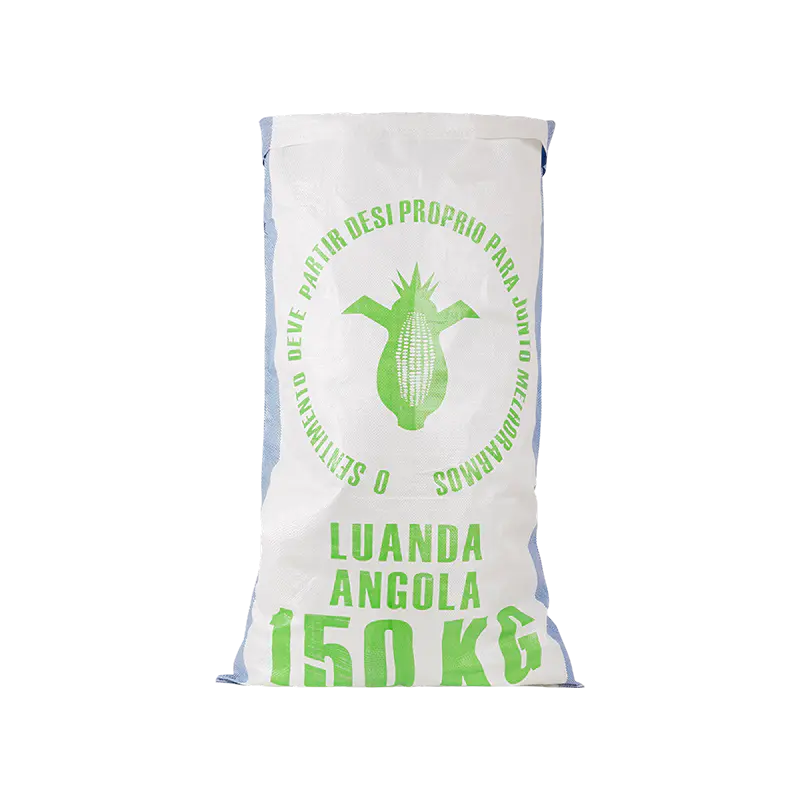
As supply chains stretch across more countries and more handoffs between trucks, ships, and warehouses, the packaging holding everything together has had to keep pace with that complexity instead of staying the same simple sack it used to be.
What Is PP for Woven Bags?
Polypropylene starts as a plastic resin, gets extruded into thin tapes, and then those tapes get woven together the same way a basket gets woven from strips of material. That weaving is what gives the final bag its strength, letting it hold weight without stretching out of shape the way a plain plastic sheet would.
A finished bag usually comes together from a few basic parts:
| Element | What it does |
|---|---|
| Polypropylene tape | Forms the woven base structure |
| Woven layers | Give the bag strength while keeping it flexible |
| Printable surface | Lets a company add logos or handling instructions |
| Closure method | Keeps contents secure, whether sewn shut or fitted with a valve |
A rice mill and a cement plant might both use bags built from these same basic components, just with different tape thickness or closure style depending on what's going inside.
Why Is Packaging Material Important in Supply Chains?
A product might leave a factory in one country, sit in a warehouse for weeks, get loaded onto a container ship, and then travel by truck before it reaches a store shelf or a construction site. Each of those steps puts stress on the packaging in a different way.
Packaging has to hold up through:
- Getting dropped, stacked, or squeezed during loading
- Sitting in humid or dusty storage conditions
- Being identified quickly by warehouse workers scanning labels
- Moving through several transportation methods without failing
- Staying intact long enough to reach its final destination
PP for Woven Bags fits into this because the material handles rough handling reasonably well without needing special storage conditions or expensive protective packaging layered on top of it.
How Does PP for Woven Bags Support Product Transportation?
A pallet of woven bags getting loaded onto a truck goes through lifting, stacking, and occasional rough handling that would tear apart a flimsier bag within a single trip.
Woven polypropylene handles this kind of repeated stress because the tape structure spreads weight across the whole bag instead of concentrating stress at one weak point.
| Feature | Why it matters during transport |
|---|---|
| Flexible weave | Bends without cracking when stacked or squeezed |
| Tear-resistant structure | Survives dragging, dropping, and rough loading |
| Light material | Doesn't add much extra weight to a shipment |
| Stackable shape | Fits standard pallet and warehouse dimensions |
A warehouse crew loading a truck at the end of a long shift doesn't have time to handle fragile packaging carefully, so a bag that tolerates some rough treatment saves both time and product loss.
How Does PP for Woven Bags Improve Warehouse Management?
Walk into any warehouse storing bulk goods and the stacking pattern tells you a lot about how well the packaging works. Bags that slump or shift on a pallet create unstable stacks that slow everyone down and risk toppling.
PP woven bags tend to hold their shape well enough to stack evenly, which matters more than it sounds once a warehouse is dealing with hundreds of bags moving in and out daily.
Practical warehouse benefits include:
- Bags that stack without sliding off each other
- Printed surfaces that let workers identify contents at a glance
- A shape that fits standard racking and pallet sizes
- Consistent sizing that avoids awkward gaps in storage
A warehouse running smoothly usually has packaging that nobody thinks twice about, because it does its job quietly instead of creating extra work every time someone needs to move or count inventory.
How Are Different Industries Using PP Woven Bags?
A farm cooperative bagging grain, a construction company hauling sand, and a manufacturer storing raw plastic pellets all end up using some version of the same woven bag, adjusted for their specific needs.
| Industry | What the bag typically handles |
|---|---|
| Agriculture | Grain, feed, seed, or fertilizer storage and movement |
| Construction | Sand, cement, or other bulk building materials |
| Manufacturing | Raw materials or industrial components |
| Retail | Bulk goods distributed to stores |
| Logistics | General bulk transport across supply chains |
The same basic woven structure adapts across all of these because the core problem each industry faces, moving loose or granular material without it spilling or the bag failing, stays roughly the same even though the products differ.
How Does Customization Help Businesses Improve Packaging Solutions?
A specialty food brand and a bulk chemical distributor both need woven bags, but they need completely different things from them. One cares about how the bag looks on a shelf, the other cares about how it holds up in a warehouse for months.
Customization is what lets manufacturers serve both without forcing either into a bag that doesn't quite fit their situation.
| Customization option | What it solves |
|---|---|
| Printed designs | Helps a brand stand out or meet labeling requirements |
| Different bag styles | Matches specific handling needs, like valve bags for powders |
| Surface finish | Changes how the bag looks and feels to a customer |
| Closure adjustments | Fits different filling and sealing equipment |
A business ordering customized bags isn't just picking colors. They're often solving a specific operational problem, like needing a valve-style closure because their filling equipment can't handle a sewn top efficiently.
Why Is Sustainability Becoming Part of Packaging Decisions?
A retailer looking to reduce plastic waste and a farm co-op hoping to reuse bags across different seasons are both encouraging packaging suppliers to consider what happens to a bag after its initial use.
PP woven bags come up in these conversations partly because they hold up well enough to get reused for a second purpose, whether that's storing tools in a garage or getting refilled for another shipment.
Considerations showing up more often include:
- Using less material per bag without sacrificing strength
- Designing bags that survive multiple uses instead of one
- Making sure the plastic used can actually get recycled where it ends up
- Cutting down on packaging waste generated during production
A construction company reusing woven bags to haul debris off a job site, instead of throwing them away after one delivery, is a small example of how sustainability plays out in practical terms rather than as an abstract goal.
How Does Packaging Design Influence Supply Chain Efficiency?
The shape and structure of a bag affects more than how it looks sitting on a shelf. It changes how fast workers can load a truck, how easily inventory gets counted, and how much space a shipment takes up in a warehouse.
A bag designed with handling in mind tends to support:
- Faster loading and unloading, since the shape fits standard equipment
- Easier stacking that doesn't require constant adjustment
- Clear labeling that speeds up inventory checks
- Fewer delays caused by torn or misshapen packaging
A distribution center dealing with bags that don't stack evenly ends up losing time every single day to a problem that better bag design would have solved from the start.
How Are Customer Expectations Changing PP Woven Bag Development?
A buyer sourcing woven bags a decade ago mostly cared about strength and price. Now that same buyer often asks about printing quality, consistency across orders, and whether the bag fits their specific handling equipment.
| What buyers ask for | How suppliers respond |
|---|---|
| Consistent quality | Tighter control over production batches |
| More design flexibility | Wider range of styles and printing options |
| Better appearance | Improved finishing and print clarity |
| Practical adaptability | Bags built around specific handling needs |
Suppliers who ignore these shifting expectations tend to lose business to competitors willing to adjust their production to match what buyers are actually asking for.
How Does Digital Communication Support Packaging Cooperation?
A buyer in one country working with a manufacturer overseas used to rely on mailed samples and long email chains just to confirm a design. Now that same process often happens through video calls and digital proofs sent within a day.
Digital tools have made it easier to:
- Discuss design changes without waiting for physical samples
- Confirm artwork and printing details before production starts
- Handle order updates and questions without delays
- Keep communication moving even across different time zones
A packaging order that used to take weeks to finalize because of back-and-forth mail can now get confirmed in a matter of days, which matters a lot when a business is working against a tight production schedule.
What Role Does Quality Control Play in PP Woven Bag Supply?
A single batch of bags with weak stitching or uneven weight distribution can cause real problems once those bags are loaded, stacked, and shipped. A torn bag mid-transport means spilled product, wasted time, and an unhappy customer.
Quality control usually focuses on:
- Making sure each batch of tape and weave matches previous orders
- Checking that stitching and closures hold up under expected weight
- Keeping printed designs consistent across large orders
- Testing bags under conditions similar to actual transport and storage
A supplier with steady quality control tends to avoid the kind of mid-shipment failures that cost a buyer far more than the price of the bags themselves.
How Will PP for Woven Bags Continue Supporting Supply Chains?
Supply chains keep adding complexity, more countries involved, more handoffs between trucks and ships and warehouses, and more pressure to move products faster without damage. Packaging has to keep up with that complexity rather than stay stuck as an afterthought.
PP for Woven Bags continues showing up across agriculture, construction, retail, and manufacturing because it solves a practical problem that hasn't gone away: moving bulk or loose materials safely from one place to another without the packaging becoming the weak link.
Moving forward, the woven bag suppliers doing well seem to be the ones treating customization, material efficiency, and communication as ongoing conversations with their buyers, adjusting bag design and production methods as industries change what they actually need from their packaging.




-
 +86-17757792457
+86-15868461338 -
 +8617757792457
-
 [email protected]
[email protected] -
 Guidé Village, Chuiyang, Aojiang Town, Pingyang County, Wenzhou City, Zhejiang Province, China
Copyright ©Zhejiang Hongyang Packaging Co., Ltd.



