


 Guidé Village, Chuiyang, Aojiang Town, Pingyang County, Wenzhou City, Zhejiang Province, China

 English
 Español
 عربى
عربى 中文简体
中文简体
How Are Woven Shopping Bags Changing Modern Retail Packaging
Date:Aug 28, 2026
A customer walking out of a farmers market with a sturdy woven bag slung over their shoulder treats it differently than someone tossing a flimsy plastic bag straight into the trash before they've even reached their car. That difference in behavior is exactly what's pulling retailers toward the Woven Shopping Bag Factory as a packaging partner instead of just another vendor on a supply list. A bag that survives a grocery run, then gets reused for a beach trip or a trip to the library, changes how a customer thinks about the store that gave it to them.
Retail packaging used to mean picking whatever bag was cheapest and calling it done. Now a boutique clothing store, a grocery chain, and a farmers market vendor all think about whether their bag will get reused, whether it photographs well on social media, and whether a customer will still be carrying it around town a month later with the store's name visible on the side.
Woven shopping bags fit into that shift because they hold up to repeated use in a way a paper or thin plastic bag simply doesn't. A grocery store handing out bags that fall apart after two trips ends up looking careless, while one handing out a bag that survives a year of weekly shopping trips builds a small but steady kind of goodwill.
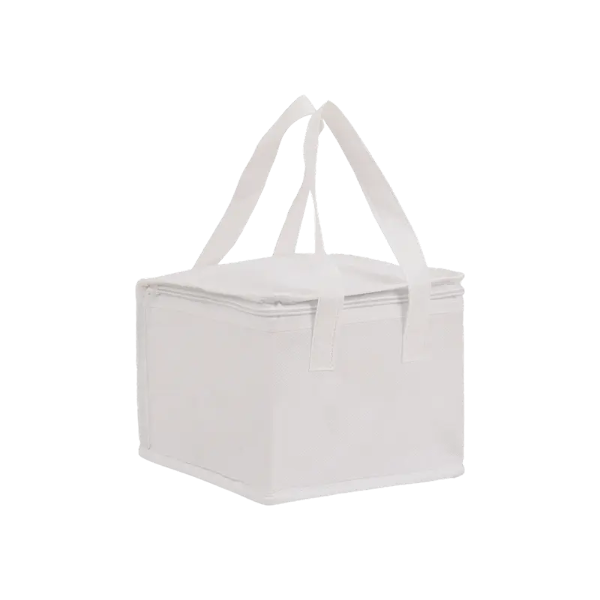
What Are Woven Shopping Bags?
A woven shopping bag gets its strength from how the material is put together, strips of fabric or synthetic fiber woven into a tight pattern rather than a single flat sheet of plastic. That structure is why it holds its shape when loaded with cans, bottles, or boxes instead of sagging or stretching out of shape.
Unlike a plastic bag meant for a single trip home, a woven bag is built to survive being folded, stuffed into a car trunk, and pulled back out a week later for another shopping run.
A typical bag comes together from a few working parts:
| Element | What it does |
|---|---|
| Woven material | Gives the bag its structure and strength |
| Handles | Let someone carry groceries or shopping bags comfortably |
| Printable surface | Space for a logo, pattern, or store branding |
| Interior space | Holds products without tearing under normal weight |
A grocery store bag and a boutique gift bag might use the same basic woven structure, just adjusted in size and finish to fit what each store actually needs.
Why Are Retailers Rethinking Packaging Choices?
A shopping bag is usually the last thing a customer touches before leaving a store, which means it's also one of the last impressions that store leaves behind. A crumpled paper bag that rips on the walk to the parking lot doesn't do a boutique any favors, no matter how nice the product inside was.
Retailers now think about packaging from a few different angles:
| What retailers weigh | Why it matters |
|---|---|
| Whether it holds up during actual use | A torn bag mid-walk creates a bad moment for the customer |
| How it looks carried in public | The bag ends up being seen outside the store, not just inside |
| Whether customers keep using it | A bag reused for weeks keeps the store's name visible longer |
| How well it can carry branding | A blank bag wastes a chance for free, ongoing visibility |
A grocery chain switching from thin plastic to woven bags isn't just responding to environmental pressure. They're also betting that customers walking around town with a branded bag over their shoulder does more for recognition than a coupon mailer ever could.
How Are Woven Shopping Bags Supporting Sustainable Retail Trends?
A shopper who's stopped taking new plastic bags every grocery trip, and instead keeps a couple of woven bags folded in their car, represents exactly the kind of habit retailers are trying to encourage.
Woven bags fit into that shift because they're built to survive more than one or two uses, unlike a plastic bag that usually ends up in the trash the same day it's used.
What tends to come up in these conversations:
- Fewer bags thrown away after a single trip
- Less frequent need to replace packaging at the register
- A bag that lasts through months or years of regular use
- Flexibility to use the same bag for groceries, gym clothes, or a weekend trip
The actual habit change matters more than the material itself. A woven bag sitting unused in a closet doesn't help anyone, but one that becomes part of someone's regular routine, tossed in the car or by the front door, cuts down on single-use packaging without the customer even thinking about it as an environmental choice.
How Does Design Flexibility Help Woven Shopping Bags Stand Out?
A plain woven bag does its job, but a bag printed with a recognizable pattern or logo does more than carry groceries. It becomes something a customer notices in their kitchen or car days after the shopping trip ended.
Retailers can adjust woven bags across a few areas:
| Design area | How it gets used |
|---|---|
| Colors | Matched to a store's existing branding |
| Patterns | Added for visual interest or seasonal themes |
| Printed logos or text | Keeps the store name visible after checkout |
| Bag shape and size | Adjusted for groceries, clothing, or gift items |
A specialty tea shop printing a simple pattern on their bags gets a different kind of recognition than a hardware store printing bold, utilitarian branding, even though both are using the same basic woven bag structure underneath.
How Are Woven Shopping Bags Changing Customer Shopping Habits?
A customer who used to grab a new plastic bag every single grocery trip now increasingly keeps two or three woven bags in their trunk, grabbing one on the way into the store out of habit rather than obligation.
That shift shows up in a few practical ways:
- Bags kept in a car or by the front door for repeated use
- A single bag getting used for groceries one day and a farmers market trip the next
- Customers noticing when a bag looks worn out and needing to replace it, rather than just discarding one
- A general sense that carrying a decent-looking bag reflects better on the person carrying it
Once a customer starts treating a shopping bag as something they own and reuse, rather than something disposable, their relationship with the store handing out that bag shifts slightly too.
What Role Does a Woven Shopping Bag Factory Play in Retail Development?
A retailer deciding to switch from plastic to woven bags doesn't usually have the equipment or expertise to produce them in-house. That's where a Woven Shopping Bag Factory comes in, turning a store's branding ideas into an actual physical product that survives real use.
Factories handle a few key pieces of that process:
| Factory role | What it means for the retailer |
|---|---|
| Sourcing material | Keeps bag quality consistent across large orders |
| Running production | Produces bags in the sizes and styles a store actually needs |
| Supporting design work | Helps translate a logo or pattern into a printed bag |
| Checking quality | Catches problems before bags reach store shelves |
A small boutique ordering a few hundred bags and a grocery chain ordering tens of thousands both rely on the same factory relationship to make sure what arrives actually matches what they asked for.
How Are Brands Using Woven Shopping Bags for Marketing?
A woven bag with a store's logo, carried through a farmers market or a downtown sidewalk, works a little like a walking advertisement, except nobody feels like they're being advertised to.
Retailers have found a few common uses for this:
- Handing out bags during store openings or anniversary sales
- Including a bag with a seasonal or limited product collection
- Giving bags as a small gift to loyal customers
- Using branded bags at community events or markets
A bakery giving out a woven bag with a holiday pattern during December ends up with customers carrying that bag around town well after the holiday season, which is a kind of visibility a printed flyer could never manage.
Why Is Durability Important in Retail Packaging?
A bag that rips after one grocery trip doesn't just annoy the customer in the moment. It also quietly tells them the store didn't think much about the packaging it handed over.
Durability shows up in a few practical ways:
- Whether the bag survives being loaded with heavy items like canned goods or bottles
- Whether the handles hold up after repeated lifting
- Whether the bag still looks decent after several months of use
- Whether customers feel comfortable bringing it into different settings, from a grocery run to a weekend outing
A customer who's used the same woven bag for a year without it falling apart tends to associate that reliability, even if only subconsciously, with the store that gave it to them.
How Are Retail Packaging Preferences Becoming More Personalized?
A yoga studio handing out bags and a hardware store handing out bags are working with completely different customer bases, and their packaging tends to reflect that.
Woven bags adapt to these differences through:
| Personalization option | Who it tends to fit |
|---|---|
| Custom graphics | Boutiques and lifestyle brands wanting visual identity |
| Different bag styles | Stores needing different sizes for different products |
| Varied color schemes | Retailers matching seasonal or brand themes |
| Special finishes | Higher-end stores wanting a more polished look |
A farmers market vendor printing a simple, rustic design on their bags and a fashion boutique choosing a sleek, minimal look are both using personalization to match their bags to the customers they're actually trying to reach.
How Does Packaging Quality Influence Retail Image?
A customer unwrapping a purchase from a bag that feels sturdy and well-made tends to associate that quality with the product itself, even if the bag has nothing to do with what's inside.
Packaging quality tends to affect:
- Whether a customer feels good about their purchase overall
- How they mentally categorize the store, as careful or careless
- Whether they come back for another purchase
- How the store's identity comes across without a single word being said
A well-made woven bag doesn't replace good products or good service, but it adds a small, tangible detail that customers notice, especially the ones paying close attention to the details of where they shop.
What Future Changes May Shape Woven Shopping Bags?
Shopping habits keep shifting toward convenience mixed with a bit more thought about waste and reuse. A customer running errands today might carry the same woven bag into three different stores over a weekend, something that was rare a decade ago when plastic bags were handed out without a second thought at every register.
Woven shopping bags fit into where retail seems to be heading because they hold up to that kind of repeated, cross-store use while still leaving room for a store to stamp its own identity onto the design. Working with a Woven Shopping Bag Factory that understands both practical needs, such as durability and production consistency, and branding details, including printing and finishing, helps retailers choose packaging that remains useful beyond a single shopping trip.




-
 +86-17757792457
+86-15868461338 -
 +8617757792457
-
 [email protected]
[email protected] -
 Guidé Village, Chuiyang, Aojiang Town, Pingyang County, Wenzhou City, Zhejiang Province, China
Copyright ©Zhejiang Hongyang Packaging Co., Ltd.



