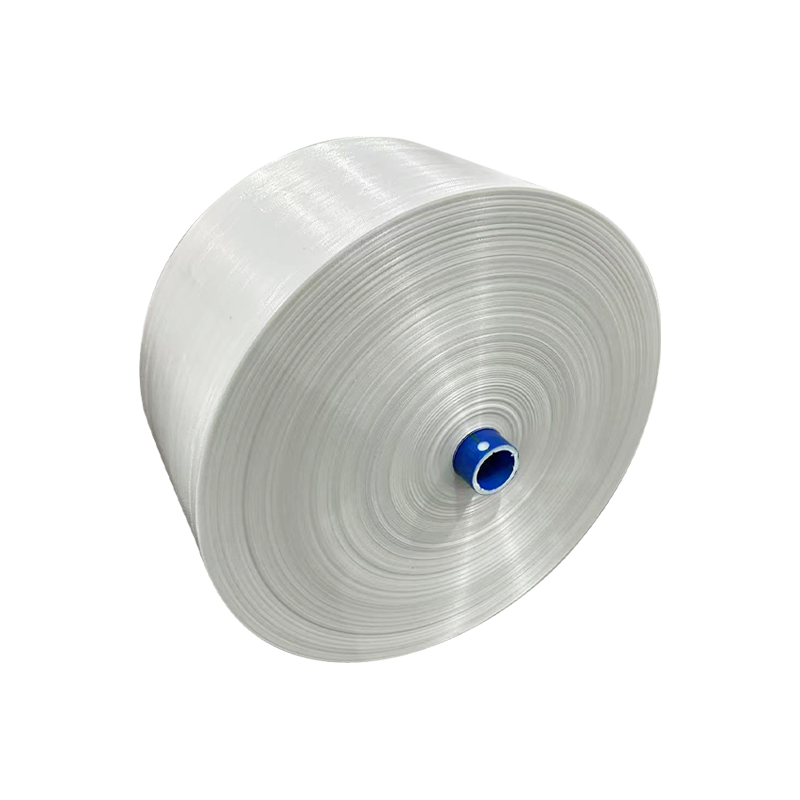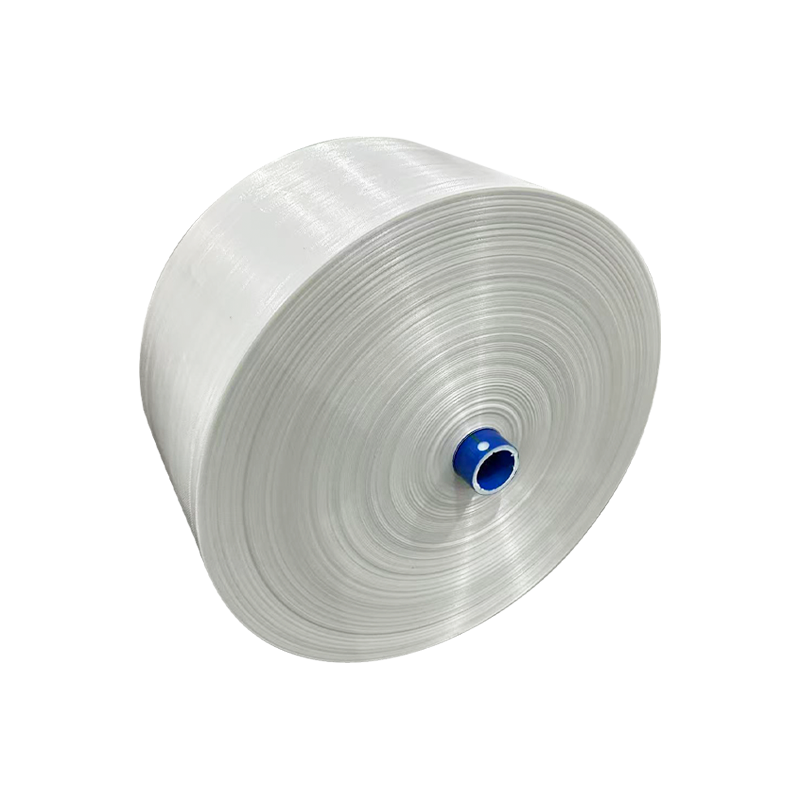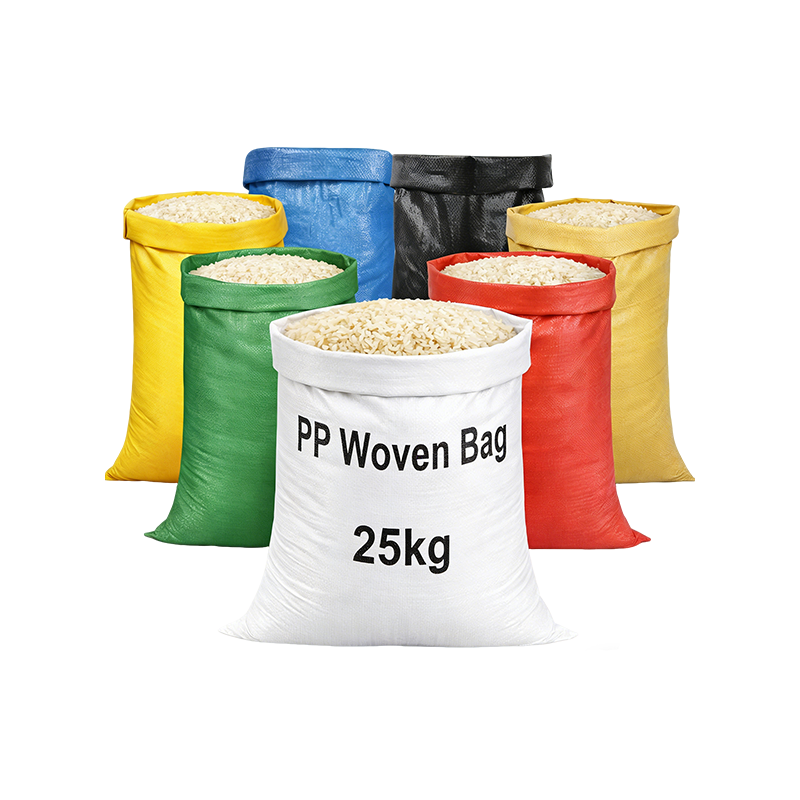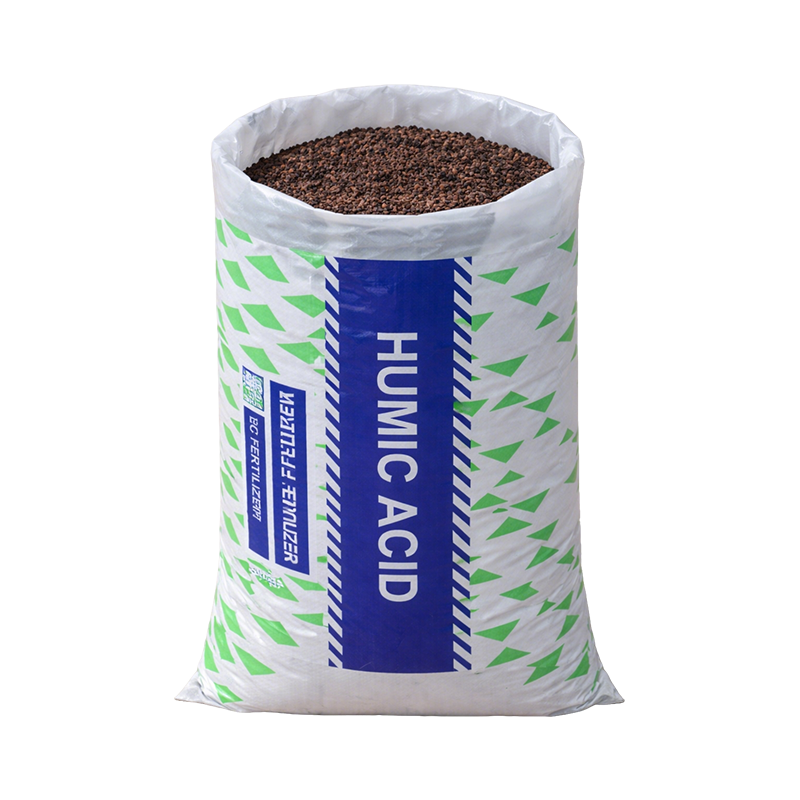
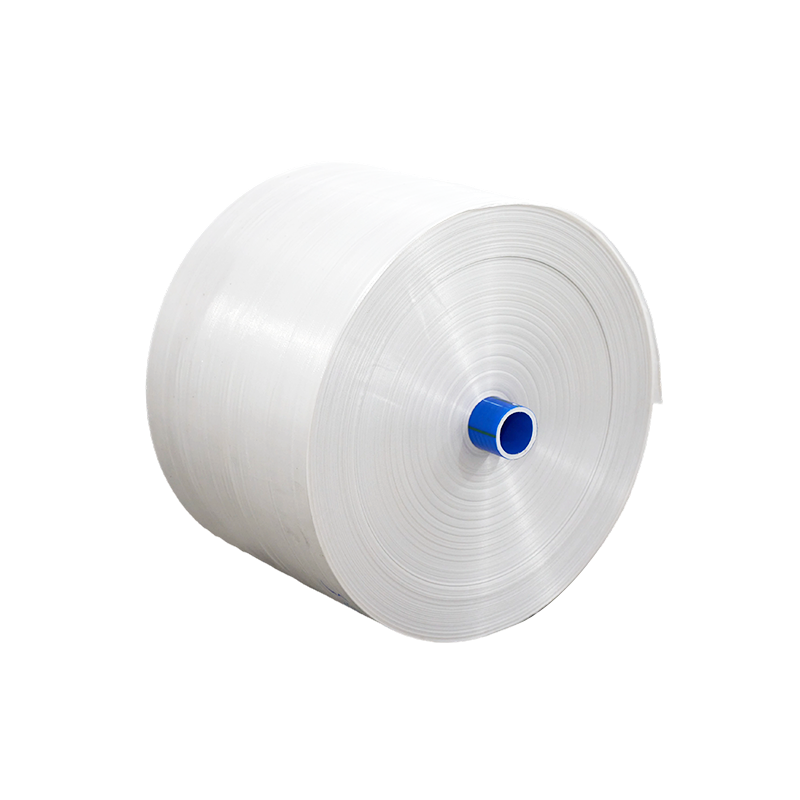
PP woven fabric polypropylene bag roll material, also known as woven polypropylene fabric roll material.
This product is made from high-strength polypropylene through a drawing, weaving, and winding process. It offers advantages such as abrasion resistance, tear resistance, and strong load-bearing capacity.
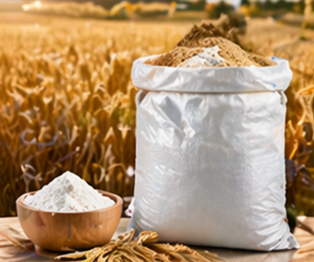
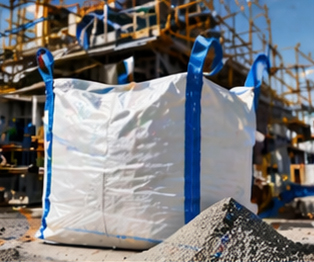
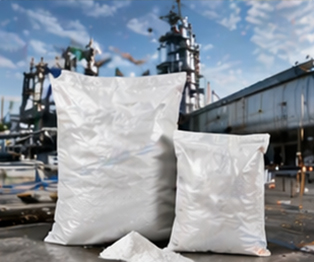
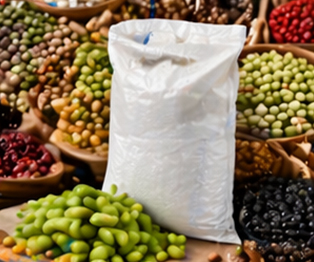
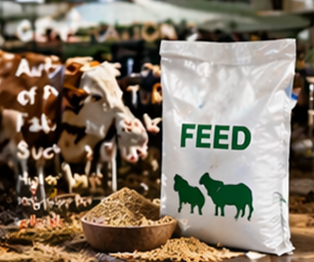
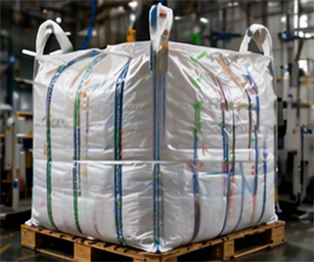
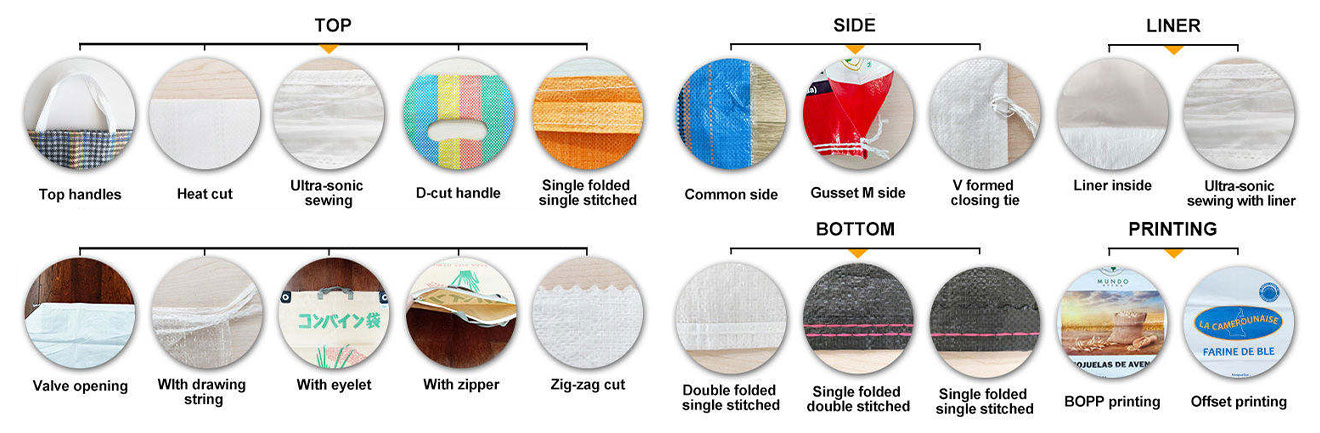
The roll format facilitates storage and transportation and can be cut, printed, and made into bags as needed. It is widely used in the production of woven bags, packaging bags, grain bags, feed bags, and construction material packaging.
This type of PP woven fabric roll material is moisture-resistant and dust-proof, making it suitable for long-term storage of goods. It can also be used in industrial, agricultural, and logistics packaging.
Our woven roll material combines lightness and strength, making it an important foundational material in the modern packaging industry.
Description
Application
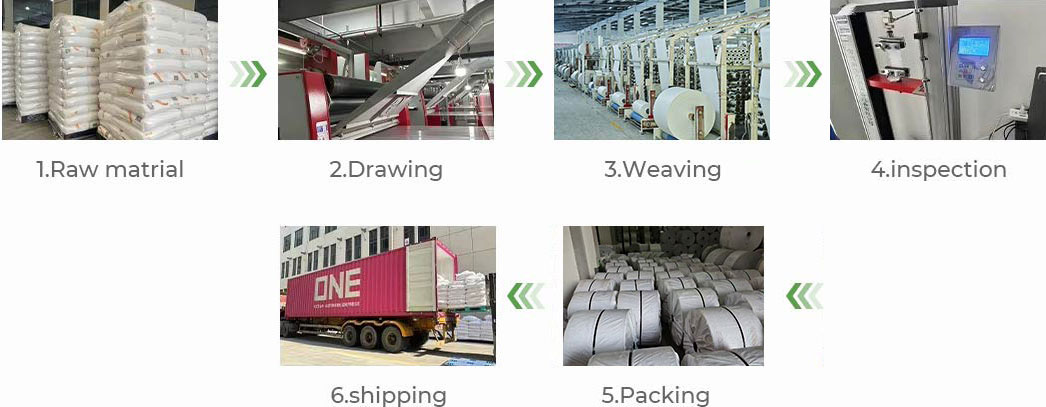
Production Process
Packaging Process
FAQ
Contact Us
Description
|
Product Type |
Polypropylene(PP) Woven Fabric |
| Material |
100% Polypropylene (Virgin orGRS Certified Recycled) |
| Width |
Circular fabric up to 120cm and Flat fabric up to 190cm |
|
Length |
Based on application needs,normally 900 meters/1300 meters/2600 meters |
| GSM |
50 GSM to 120 GSM |
|
Color |
Customizable |
| Yarn density |
warp x weft=36X36,42×40,52x52 /10cm2 |
|
UV Stabilization |
Up to 3000 hours (2 years outdoor exposure) |
| Lamination |
BOPP film, LDPE film, Kraft paper |
|
Packing |
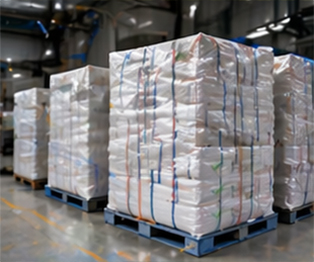
Floor Loaded master rolls or Palletized small rolls; options for paper, PVC, or seamless metalcores |
| MOQ |
500kg |
| Payment Terms |
T/T 30% deposit, balance befor shipment |
|
Delivery Time |
5-25 days |
|
1*40HQ loading quantity |
60gsm,65cm width,2500m/roll:could load 126 rolls; 70gsm,65cm width,2500m/roll:could load 117 rolls. |
Application
PRODUCTION PROCESS
Packaging process
FAQ
PP woven fabric is a high-strength fabric made from polypropylene (PP), a durable thermoplastic polymer. It is widely used in various industries, including packaging, agriculture, and construction, due to its moisture resistance, recyclability, and robust physical properties.
PP woven bags are highly durable, tear-resistant, and moisture-proof. They are perfect for heavy-duty use in industries such as agriculture, construction, and packaging. These bags are also eco-friendly as they can be recycled and reused multiple times.
Our PP woven fabric and PP woven bags are manufactured in Wenzhou, Zhejiang, China. With 34 years of experience in the industry, we ensure high-quality production with advanced machinery and a skilled workforce.
Yes, we offer customization for PP woven fabric in various colors, thicknesses, sizes, and coatings. Whether you need bags, rolls, or other forms of fabric, we can tailor the product to meet your exact specifications.
Yes, our PP woven bags are eco-friendly, as they are made from polypropylene, which is fully recyclable. Additionally, we offer options for biodegradable coatings to make them more environmentally sustainable.
Our PP woven fabric and bags are used in a wide range of industries, including:
Agriculture (grain, feed, fertilizer)
Construction (sand, cement, building materials)
Retail (shopping bags, promotional bags)
Industrial packaging (food, chemicals)
Food packaging
Our PP woven bags are designed for high durability. They are resistant to tearing, UV light, and moisture, ensuring long-lasting use even under challenging conditions. They are ideal for heavy-duty applications, ensuring secure and reliable packaging.
Yes, we specialize in large-scale orders of PP woven fabric and PP woven bags. With 34 years of experience, we can meet high-volume demands while maintaining consistent quality and efficient delivery.
Yes, we provide samples of our PP woven fabric and PP woven bags for customers to assess quality before placing an order. Contact us to request samples that match your needs.
Production lead times vary depending on the size and complexity of the order. Generally, it takes 7-14 business days for standard orders. For customized or bulk orders, the lead time may be longer.
To place an order, simply reach out to us via our contact form or email with your requirements. Our team will provide you with a quote, and we’ll work with you to finalize details such as quantity, customization, and delivery.
Yes, we offer global shipping for PP woven bags and PP woven fabric. Our experienced logistics team ensures timely and safe delivery to international destinations.
We accept various payment methods, including bank transfer, PayPal, and other secure payment systems. We offer flexible terms for large or customized orders, which can be discussed with our sales team.
With 34 years of industry experience, we are a trusted and reliable manufacturer of PP woven fabric and PP woven bags. Our long-standing expertise ensures high-quality products, competitive pricing, and excellent customer service. We work closely with equipment manufacturers to optimize fabric structure, ensuring that your automation systems run smoothly and efficiently.
Contact Us
Demand for PP laminated kraft paper bags has quietly moved from a niche industrial product into one of the packaging industry's most talked-about categories. Walk through any major trade show in 2025 ...
View MoreOn the 58th World Earth Day, Zhejiang Hongyang Packaging Co., Ltd. officially released its "2025 Corporate Social Responsibility Report." The report elaborates on the company's practices and commitmen...
View MoreZhejiang Hongyang Packaging Co., Ltd. today proudly announced the official completion and operational launch of the Phase II expansion project at its second production base in Zhejiang Province. The p...
View MoreAs regions like the European Union enforce increasingly stringent environmental traceability requirements, global demand for recycled material packaging continues to rise. In response to this trend, Z...
View MoreWenzhou, Zhejiang – The woven bag manufacturing industry is witnessing a significant moment of intelligent upgrading. Zhejiang Hongyang Packaging Co., Ltd. today officially announced the full deployme...
View MorePP woven fabric is not a "trend material" in the packaging world. It has been around for decades, quietly doing the heavy lifting in agriculture, construction, logistics, and bulk trade. Most people don' t notice it at first, but once you start looking at how goods move globally, you realize how often this material appears in the background. It is simple in structure, but extremely practical in real use.
PP woven cloth is made from polypropylene, a thermoplastic material that is melted, stretched into flat strips, and then woven together into a sheet-like structure.
At first glance, it doesn' t look very special. It' s not soft like textile fabric, and it' s not smooth like plastic film. But that woven structure is exactly what gives it strength.
Instead of relying on thickness, it relies on interlaced tension. When force is applied, the stress spreads across the weave instead of tearing a single point.
That' s why it behaves differently from normal plastic sheets.
In real-world logistics, packaging doesn' t need to be perfect — it needs to survive.
That' s where PP woven fabric fits in.
It' s widely used because it solves a very practical combination of problems:
For industries that move rice, flour, fertilizer, cement, or animal feed, these points matter more than appearance or branding.
That' s also why searches like "Woven polypropylene fabric for heavy duty packaging" or "industrial woven polypropylene material supplier" are common among buyers.
The performance of PP woven fabric depends on how tightly it is woven and how much material is used per square meter.
In simple terms:
Without any coating, the material is still strong, but it does not block moisture very well. That' s why it is often upgraded depending on the final application.
It' s not a one-size-fits-all material. Manufacturers adjust it depending on what the end user actually needs.
Woven polypropylene fabric rarely appears in its raw form in the market. It is usually converted into finished packaging products first.
In agriculture, it is used for grain, rice, and fertilizer bags. The focus here is simple: strength and cost efficiency.
In construction, it becomes cement or sand bags, where durability under pressure is more important than appearance.
In logistics and export packaging, it often gets upgraded with coating or lamination so it can survive humidity and long-distance transport.
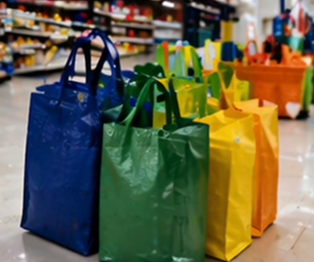
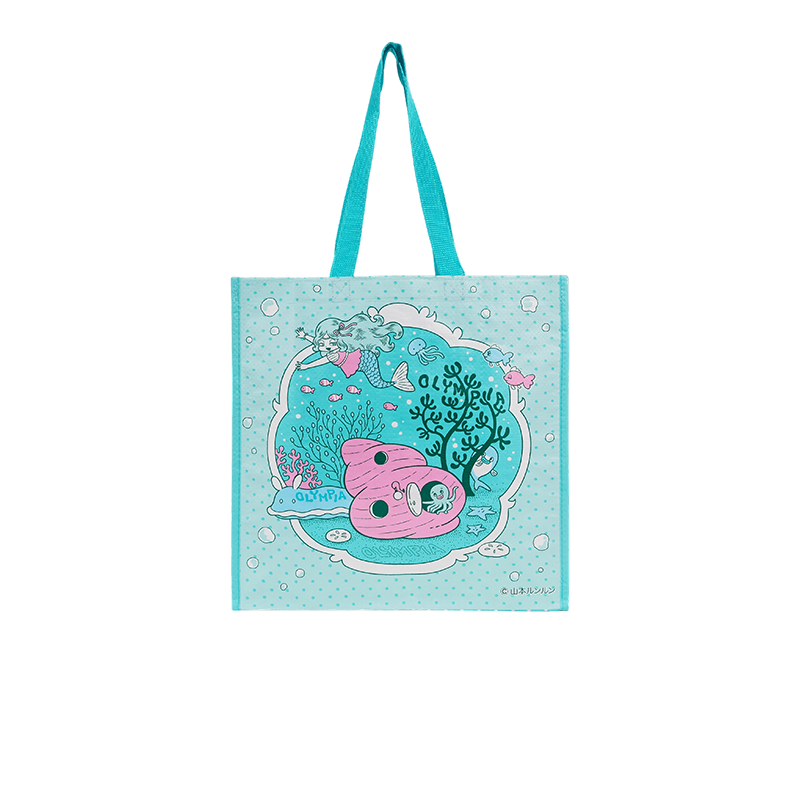
In retail environments, it can even turn into reusable shopping bags when designed for consumer use.
So the same base material ends up serving very different industries.
In actual packaging sourcing, PP woven cloth usually gets evaluated alongside a few common alternatives. Each material has its own niche, and the choice often depends less on "which is better" and more on what the product needs to survive during transport.
Paper-based packaging, for example, is often preferred in markets that care about sustainability or branding. It looks clean and natural, but in real logistics use, it doesn' t hold up well when moisture or heavy stacking comes into play.
Non-woven fabric is another common option. It feels light and flexible, and it works well for promotional or lightweight applications. But once the load becomes serious, especially in bulk goods, its limitations show quite quickly.
PE film performs well when it comes to water resistance. It can protect contents from humidity better than most materials here, but it doesn' t really provide structural support on its own, so it usually needs to be combined with something else.
Natural fiber bags, like jute or similar materials, are often chosen for their "eco-friendly image." In practice though, pricing and quality consistency can fluctuate depending on sourcing and seasonality, which makes them less predictable for large-scale industrial use.
PP woven fabric ends up sitting in the middle of all these options. It doesn' t try to compete on appearance or sustainability messaging. Instead, it focuses on being stable, strong, and cost-efficient at scale. That practical balance is really what keeps it widely used across bulk packaging industries.
In real production environments, very few customers actually use plain PP woven fabric directly without any adjustment. It usually goes through some kind of upgrade depending on how and where it will be used.
The base material itself is already strong enough for many applications, but once you start dealing with humidity, long-distance shipping, or branding requirements, its limitations become more obvious. That' s where most modifications come in.
One common approach is lamination. This is mainly used when the packaging needs better resistance against moisture, but also when printing quality matters — especially for export-oriented products or branded packaging.
Coating is another frequent adjustment. It' s not always about appearance; in many cases it' s simply to improve barrier performance and make the material more stable in harsher storage conditions.
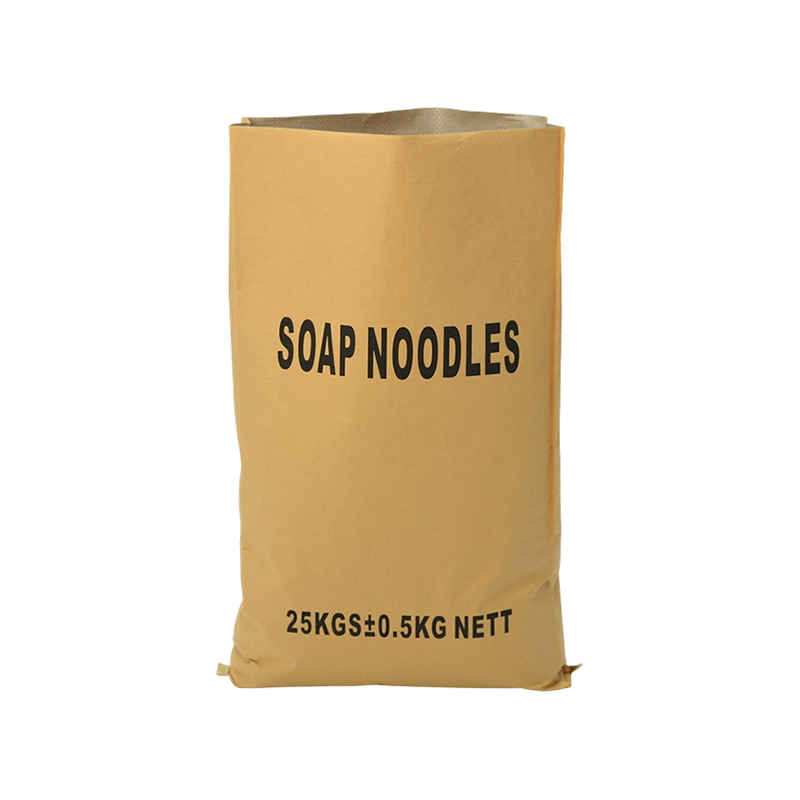
Then there' s paper layering, which is often used when companies want a more natural or retail-friendly look. It changes the visual perception quite a bit, even though the inner structure is still based on woven polypropylene.
These upgrades aren' t really separate "new materials" in practice. They' re more like different responses to different market expectations.
In export packaging, for instance, protection usually comes first because products may sit in containers for weeks. In retail or consumer-facing packaging, however, appearance and branding often become just as important as strength.
So the variations you see are less about innovation for its own sake, and more about adapting one base material to very different working environments.
Even with a lot of new packaging materials entering the market in recent years, Polypropylene woven fabric is still very much in use. In fact, in most bulk packaging categories, it hasn' t really been displaced.
The main reason is pretty straightforward. Global trade still relies heavily on physical goods moving in large volumes, and those goods need packaging that can handle weight, stacking pressure, and long transit times without pushing costs too high.
That' s why industries like agriculture exports, construction supply chains, and general industrial materials continue to rely on it. When buyers search for things like "PP woven fabric manufacturer China" or "bulk woven polypropylene bags supplier," it usually reflects ongoing, repeat sourcing needs rather than one-off purchases.
It' s less about trends in packaging and more about how supply chains actually work in practice.
Of course, PP woven fabric isn' t perfect, and most people working with it already know that from daily use rather than theory.
The most obvious issue is moisture resistance. In its basic form, the fabric doesn' t really block humidity or water exposure. If products are stored in damp environments or exposed during transport, additional protection is usually required.
Another limitation is appearance. Without any surface treatment, it looks very industrial. It doesn' t naturally fit into premium branding or retail presentation unless it goes through lamination or some kind of surface upgrade.
That said, in most heavy-duty applications, these drawbacks are usually expected rather than problematic. They' re more like known conditions that manufacturers design around, not deal-breaking flaws.
Looking at current industry trends, Polypropylene woven fabric isn' t really moving toward replacement. It' s more accurate to say it' s slowly being adjusted to fit different expectations.
On the production side, a lot of manufacturers are focusing on reducing material usage while keeping strength stable. Lightweight versions are becoming more common, especially where shipping cost matters.
Recyclability is also getting more attention, especially from international buyers who need to meet stricter environmental requirements in their local markets.
At the same time, printing and branding capabilities are improving quite a bit compared to earlier years. This is especially important for companies that want packaging to do more than just carry products.
We' re also seeing more hybrid structures — for example, combinations of paper layers with woven fabric — mainly for brands that want a more natural visual identity without giving up strength.
What' s interesting is that demand is no longer purely industrial. A portion of usage is slowly moving toward retail-oriented packaging and consumer-facing products, which wasn' t as common before.
Woven polypropylene fabric is not the kind of material that gets attention on its own. It doesn' t position itself as innovative or premium, and it doesn' t really need to.
Its role is much more practical. It quietly supports a large part of global logistics where performance, cost control, and reliability matter more than appearance.
That' s also why it has stayed relevant for so long. As long as bulk goods still need to move across countries and supply chains, there will be a place for materials that simply work without adding unnecessary complexity.