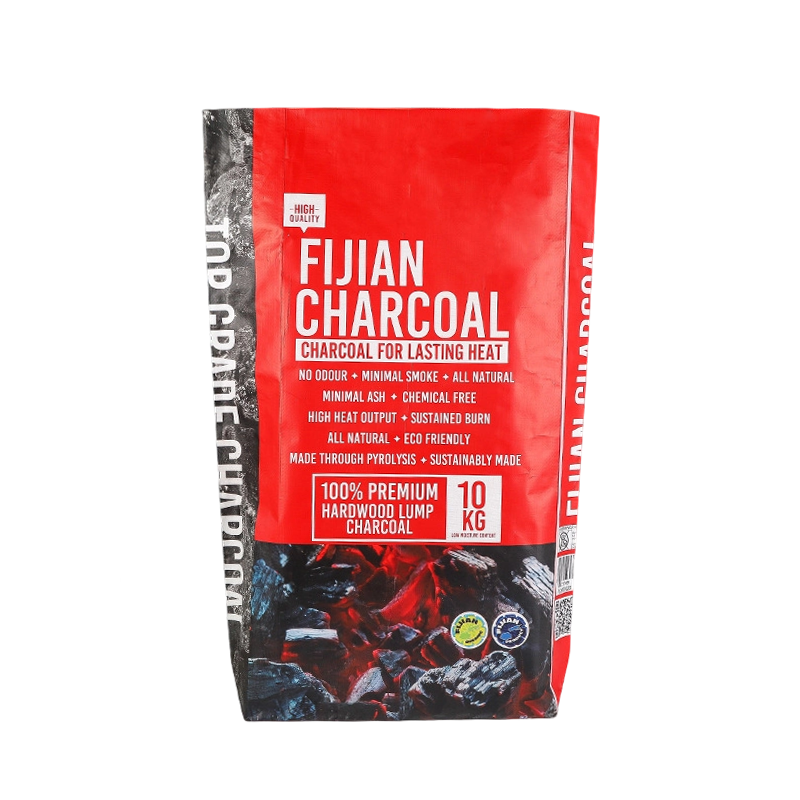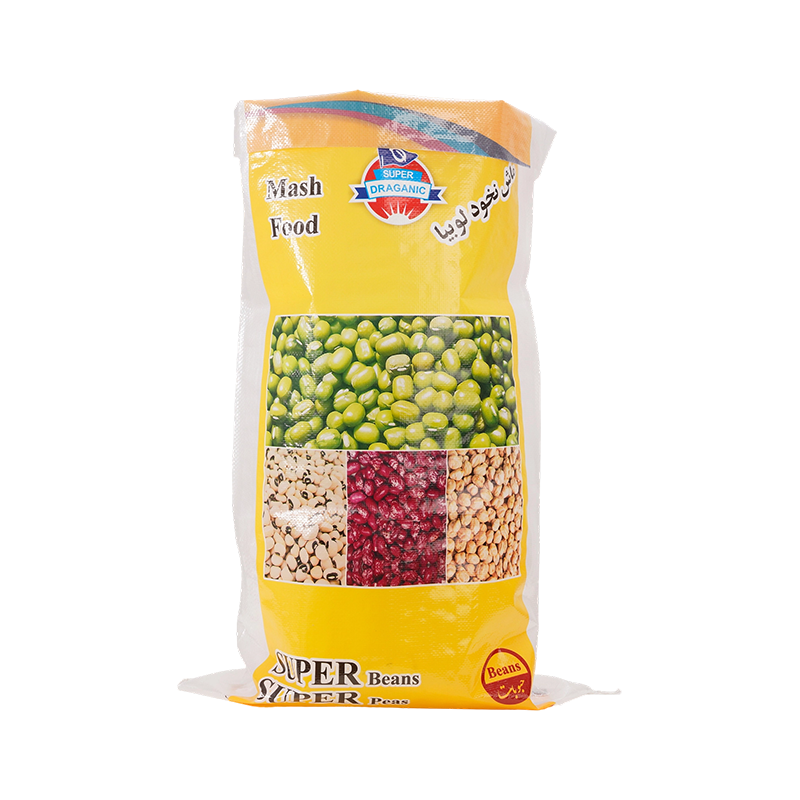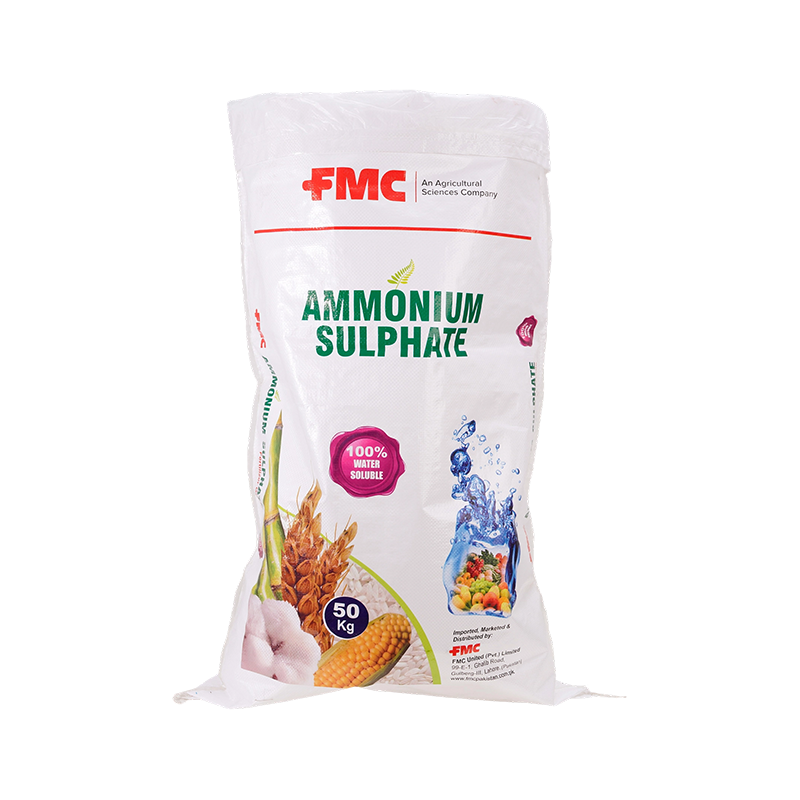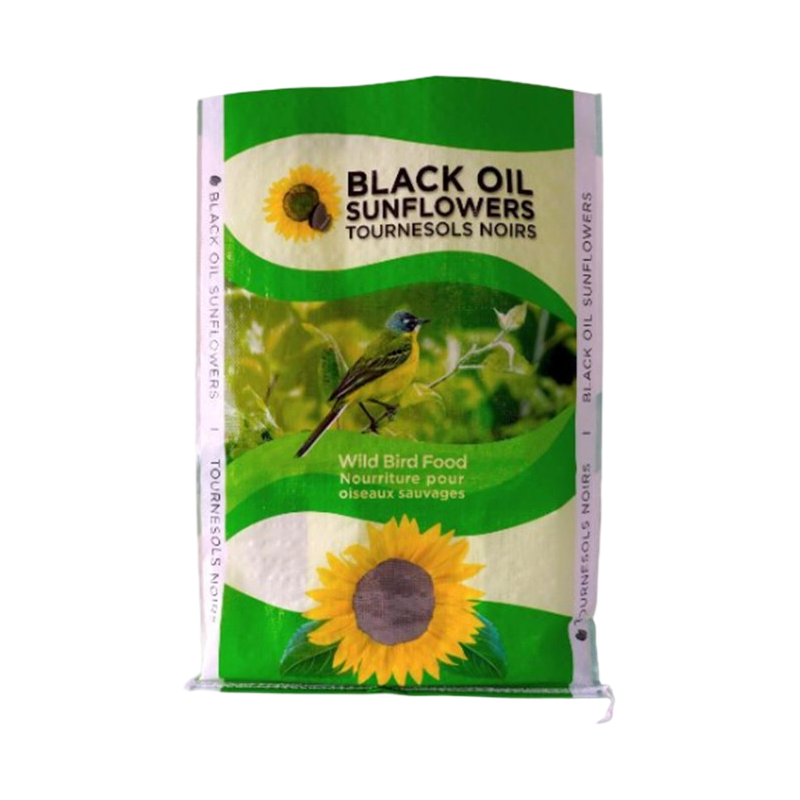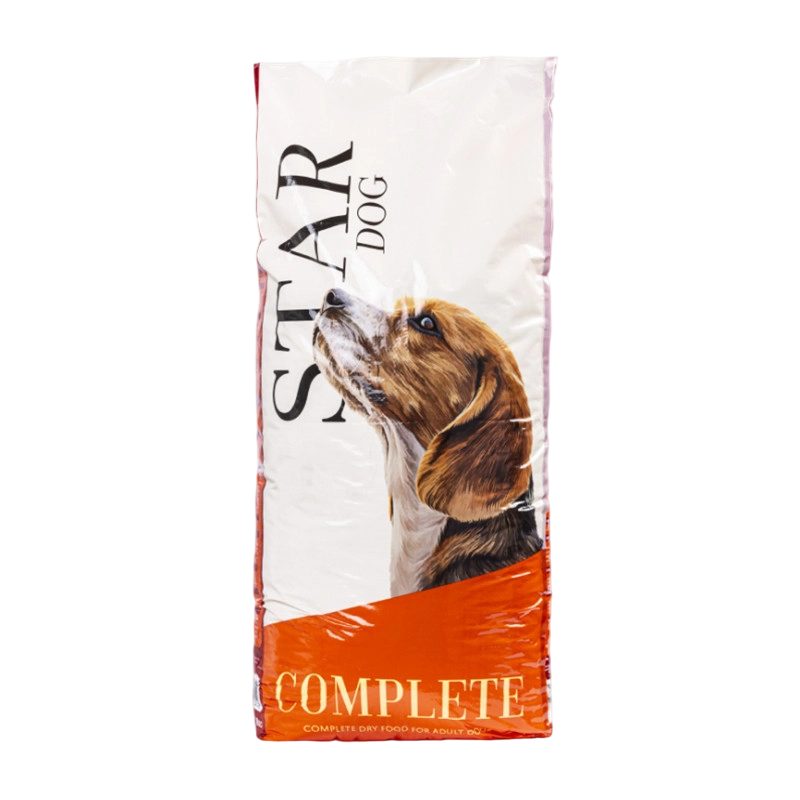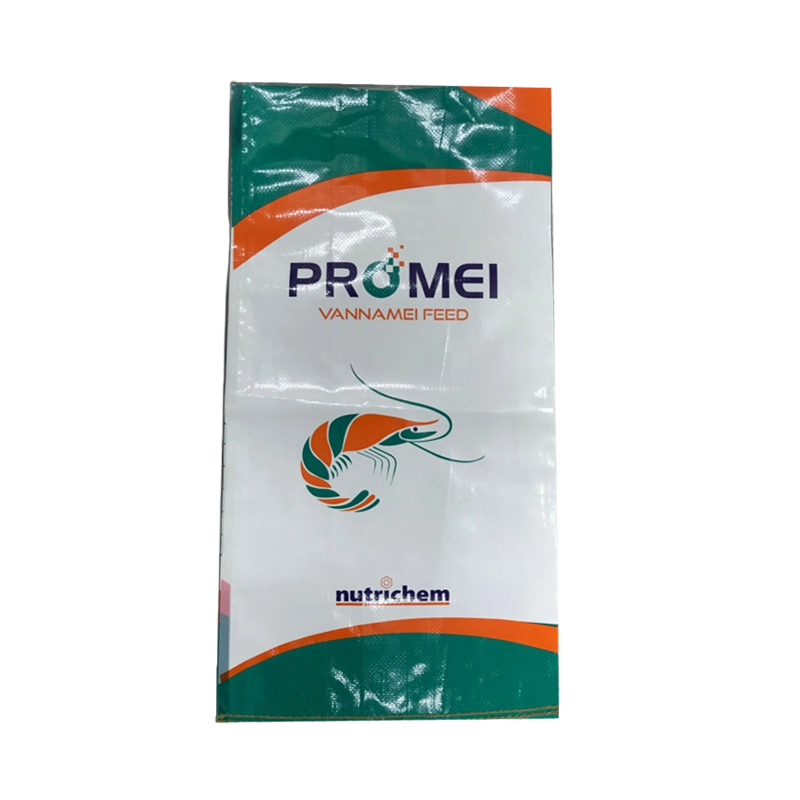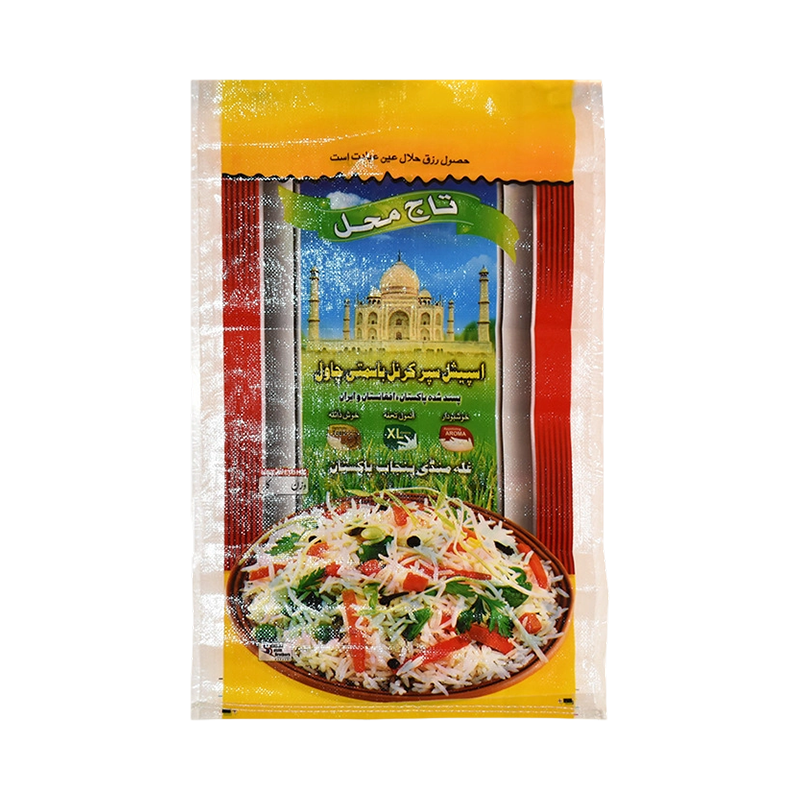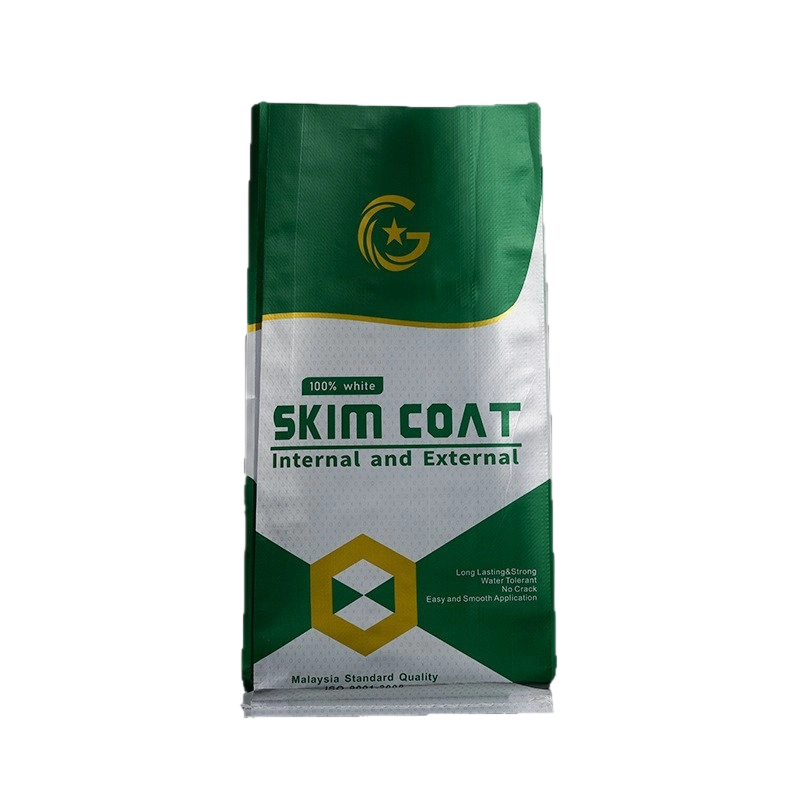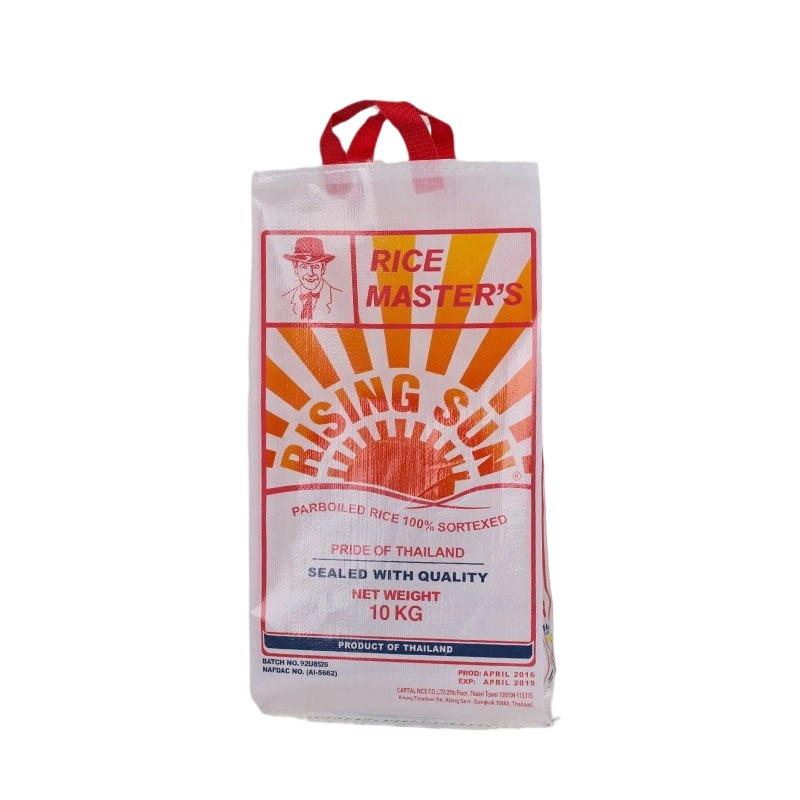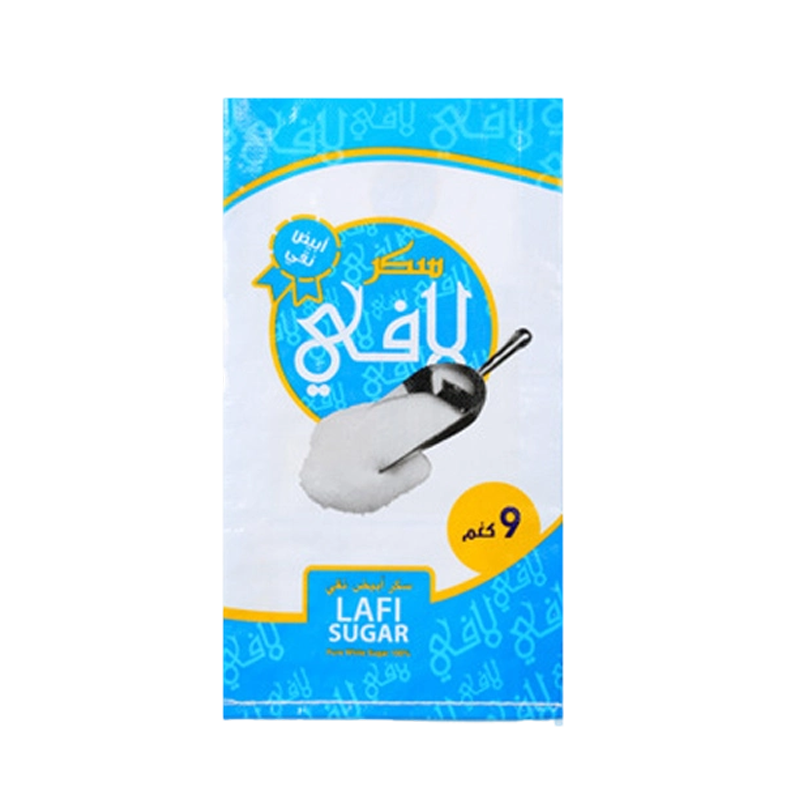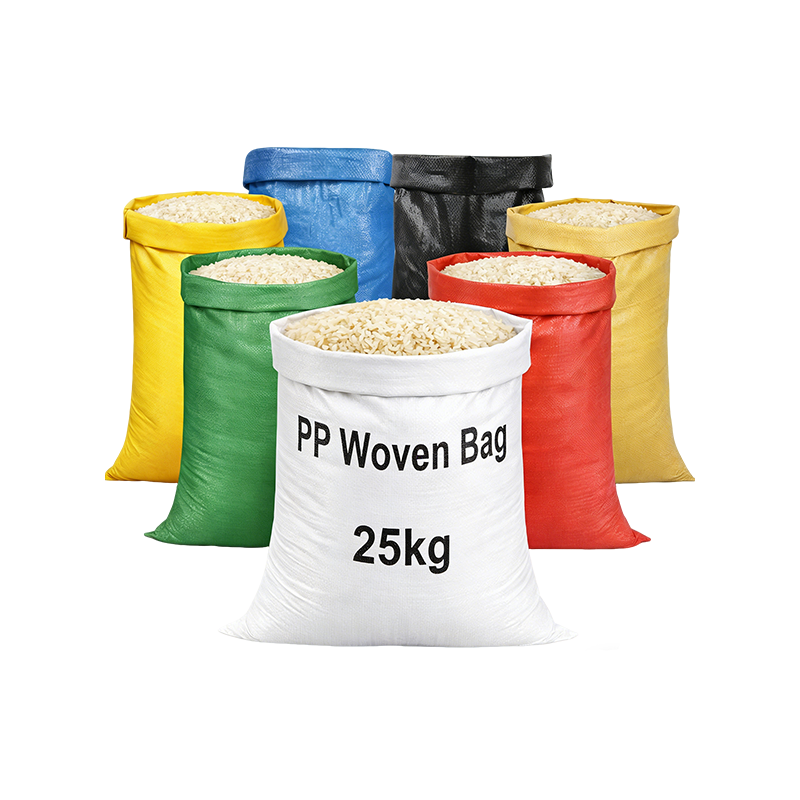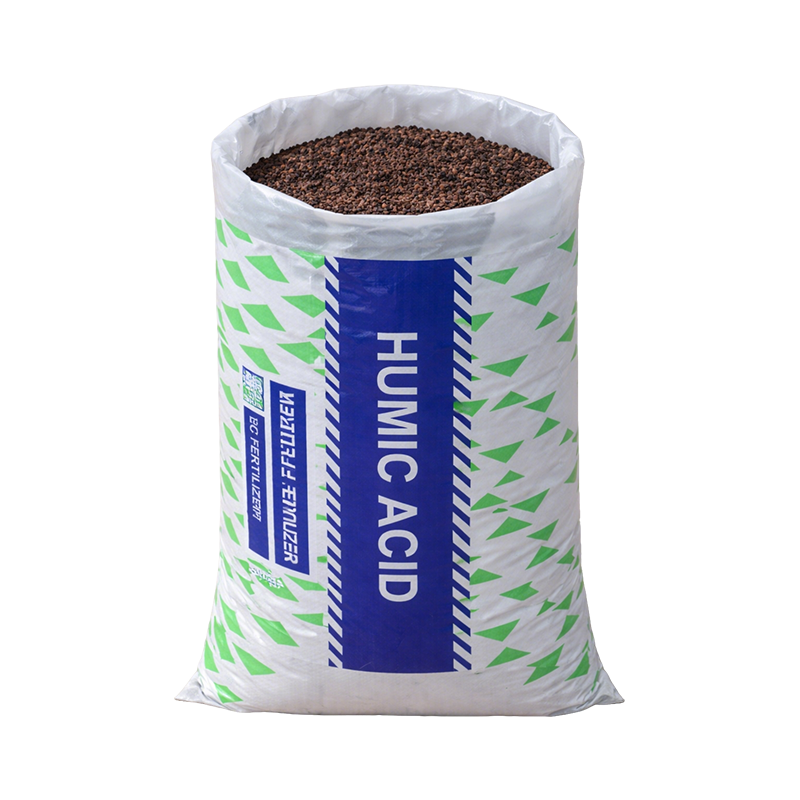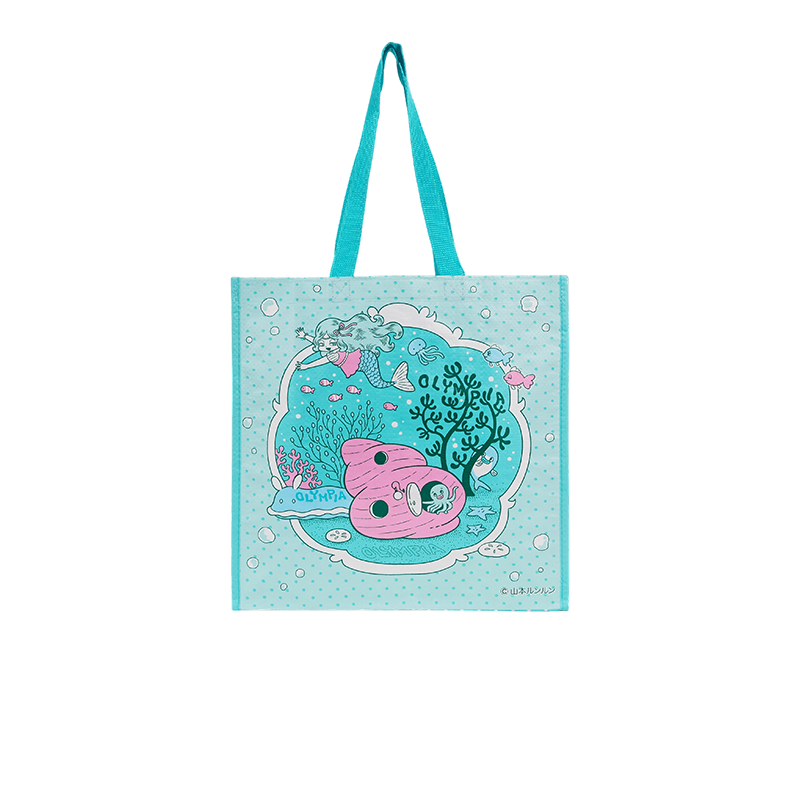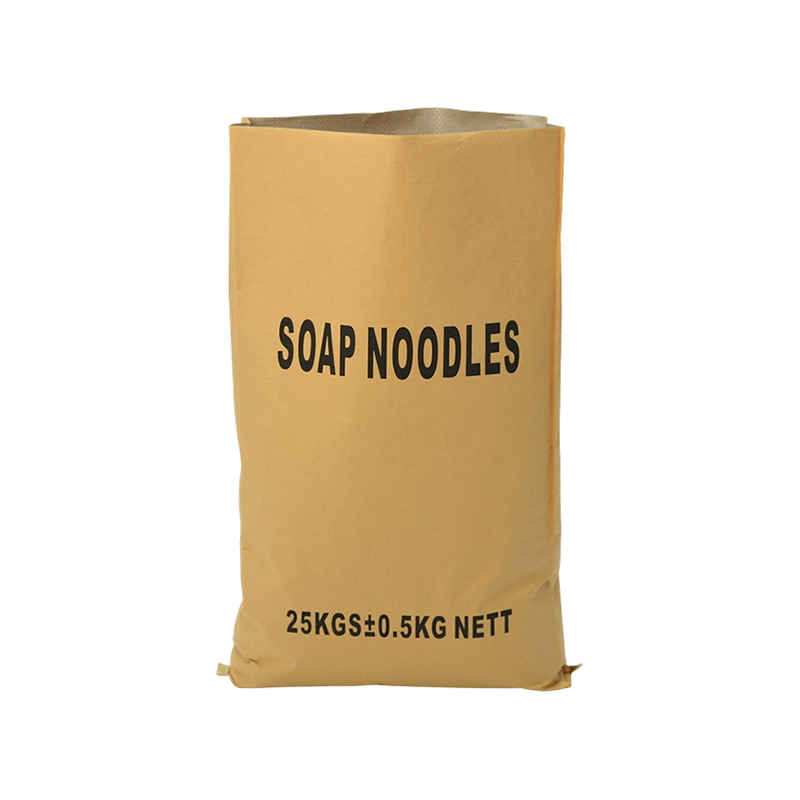
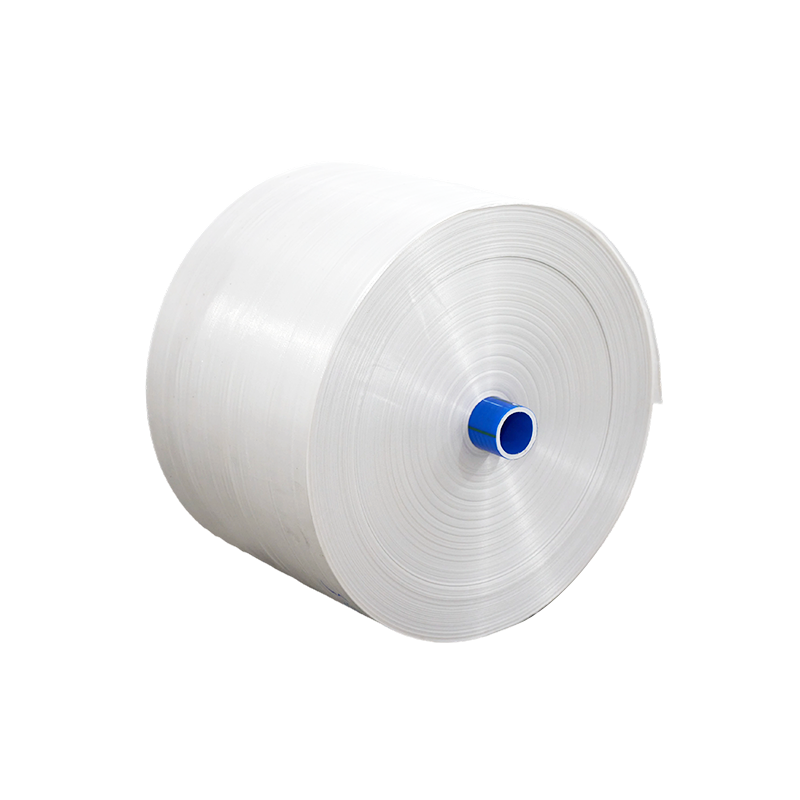
This 10kg laminated polypropylene woven bag is specifically designed for charcoal briquettes, coal, and other solid fuels. It boasts high strength, abrasion resistance, and puncture resistance, making it suitable for handling, stacking, and long-distance transport.
The bag body can undergo various fabric treatments, including breathability, slip resistance, UV protection, lamination, and internal and external coatings, to meet the needs of different storage environments. An optional polyethylene laminated liner is available to enhance moisture and dust protection, ensuring that charcoal briquettes or coal remain dry and stable.
Flexible printing options are available, supporting gravure, flexographic, and BOPP high-definition color printing. Single-sided or double-sided printing is possible to display brand logos, product information, and safety markings. With a robust overall structure and customizable appearance, it represents a high-performance solution for charcoal and coal packaging.
Description
Application
Production Process
Packaging Process
FAQ
Contact Us
Description
|
Product Type |
Laminated Woven Bag |
|
Material Structure |
PP |
|
Characteristics |
Recycled Material/New Material |
|
Size |
Max Width:120cm;Max Length:300cm |
|
Thickness |
50-120g/㎡ |
|
Sealing Method |
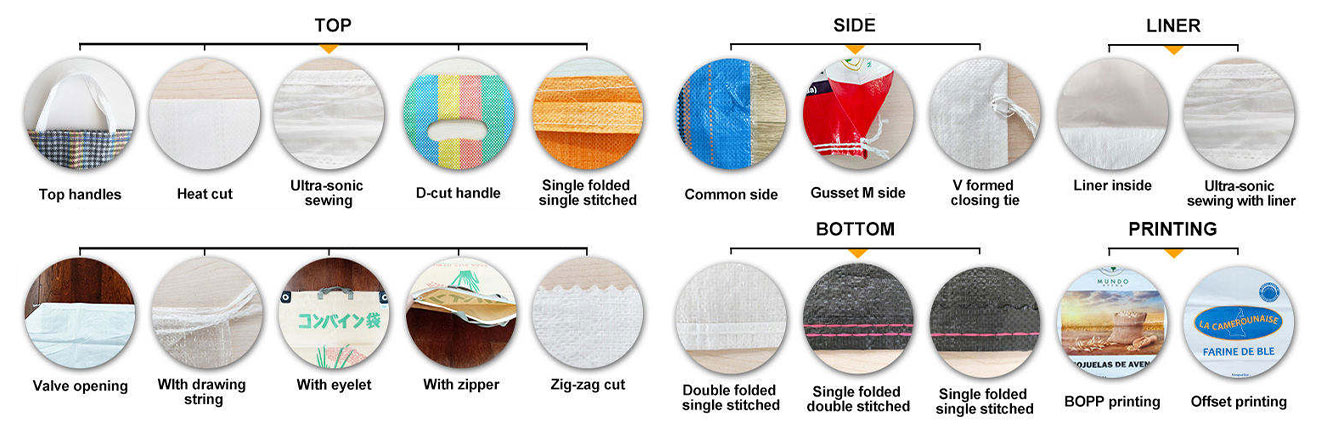
Sewn bottom closure(Single-fold single/double stitch closure,Double-fold single/double stitch closure,Stitched closure with paper tape,Plain sewn bottom); Heat-sealed closure;square bottom bag; |
|
Surface Printing |
Gravure Printing/Rubber plate printing/Flexo printing/Screen printing/Laminated color printing/Digital printing |
|
Certificates |
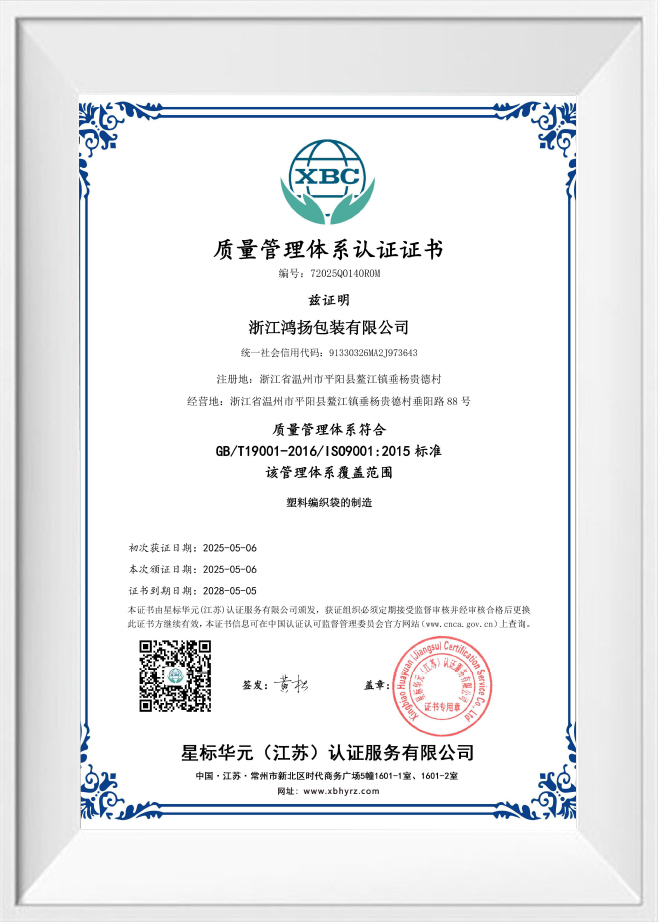
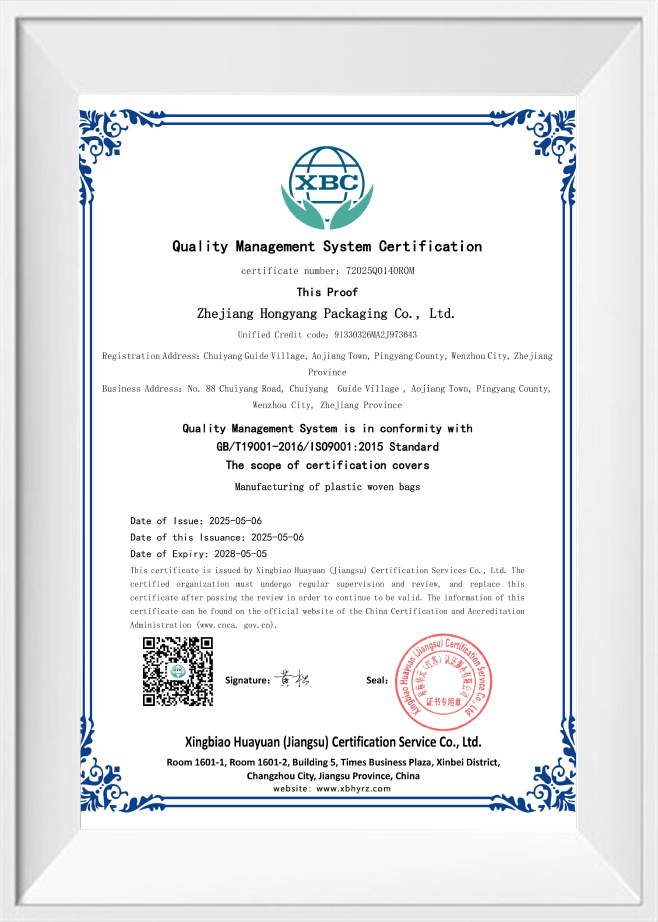
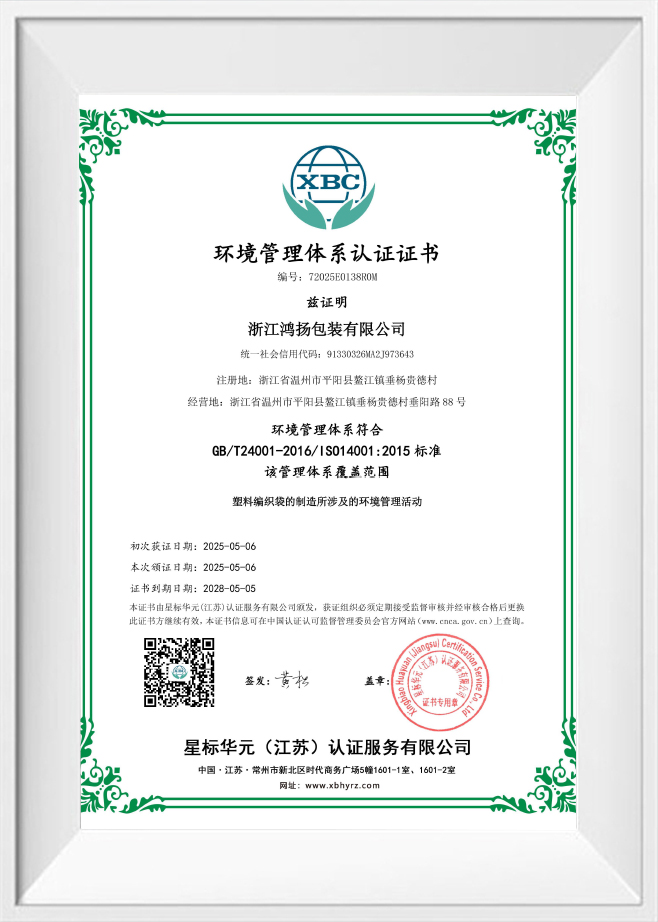
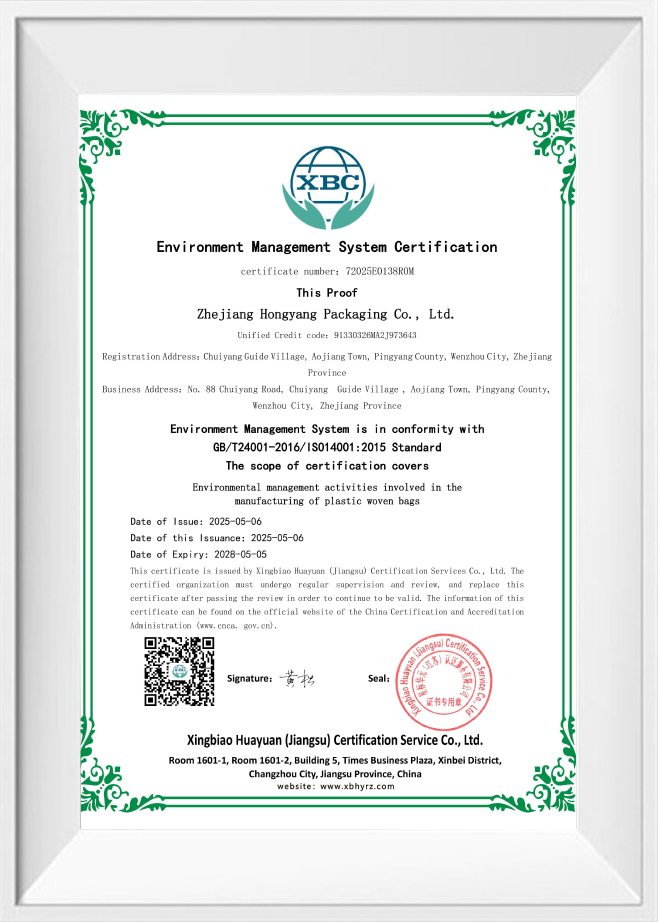
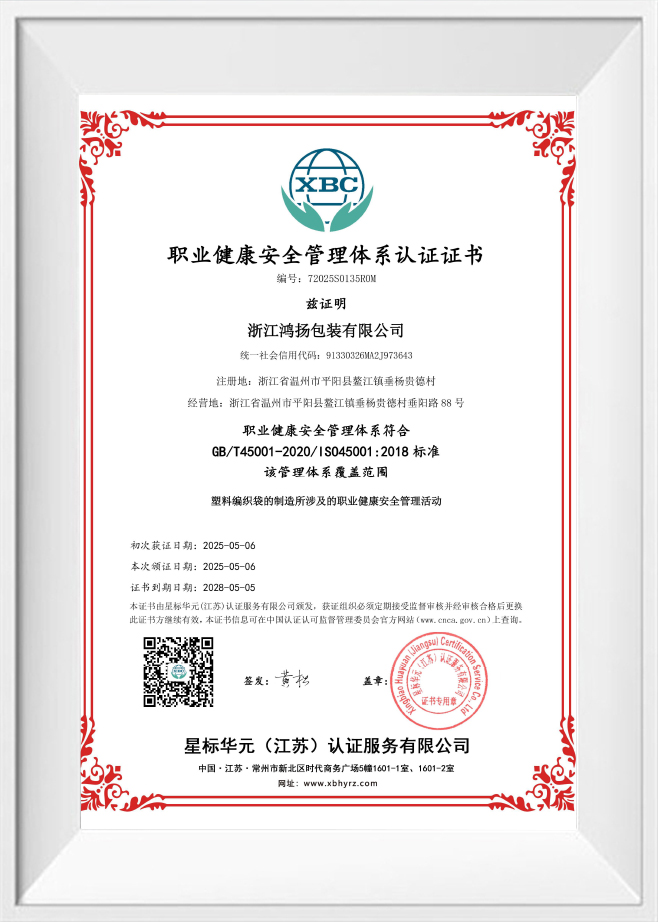
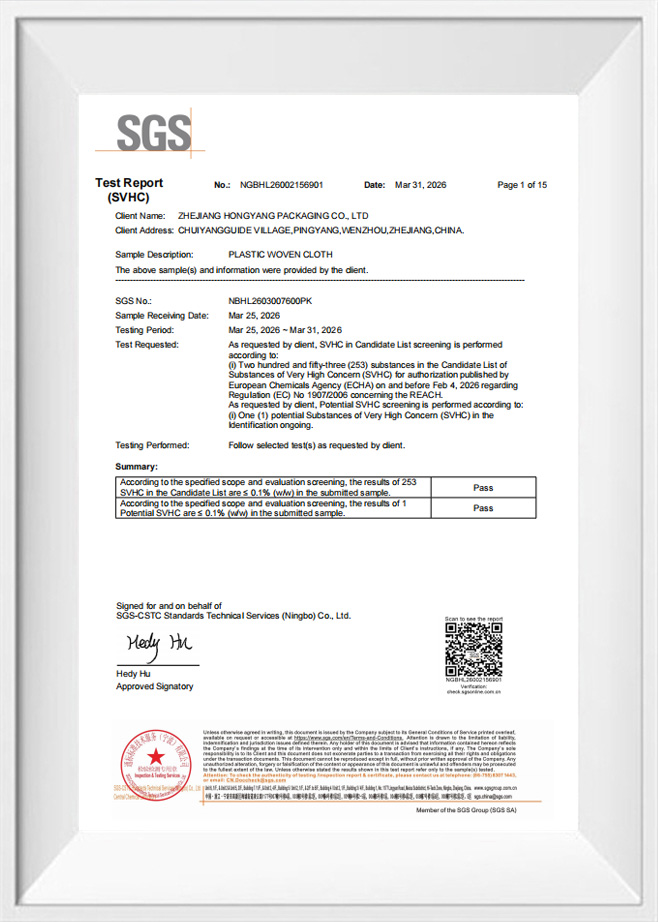
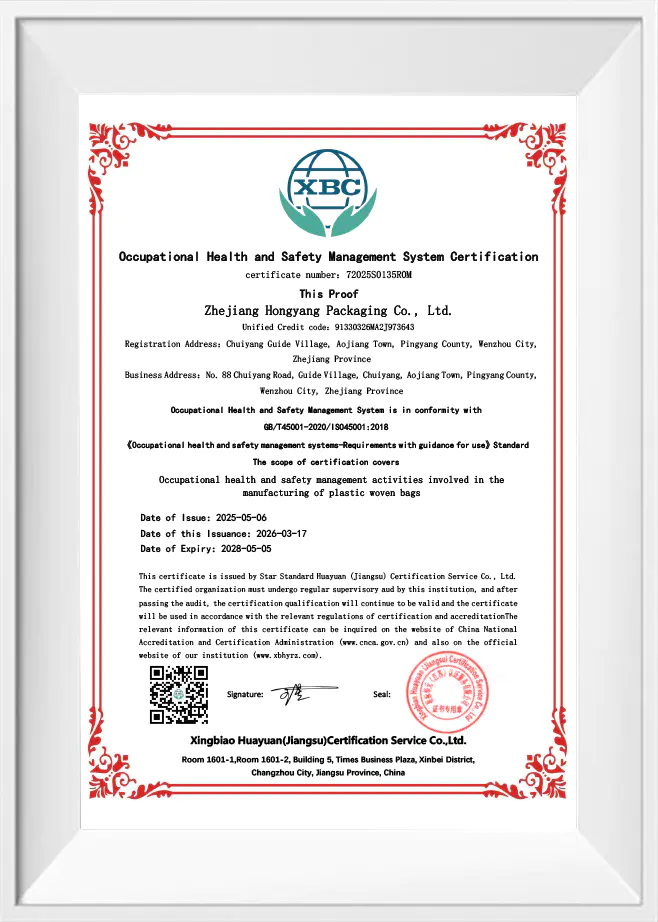
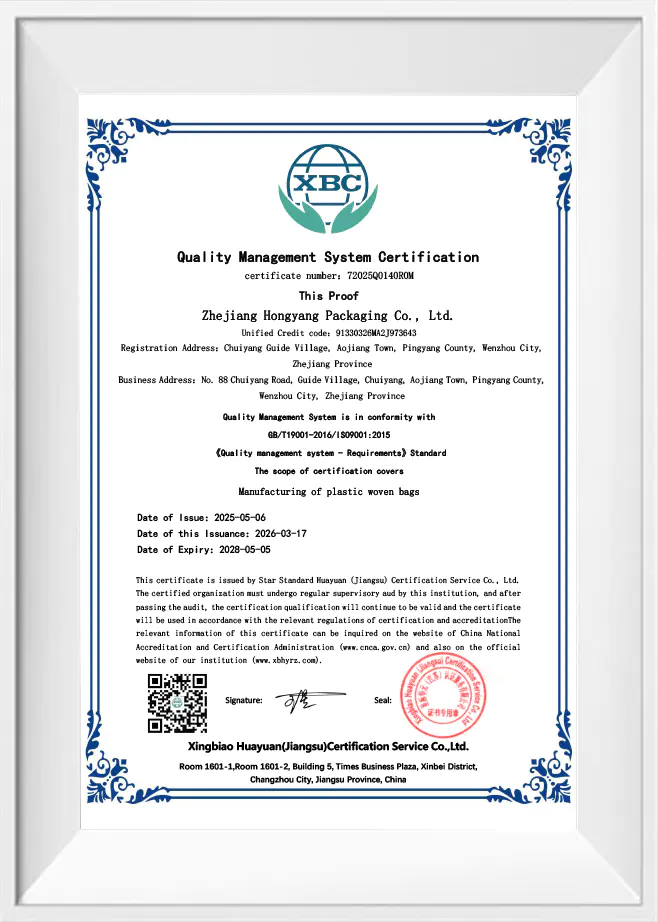
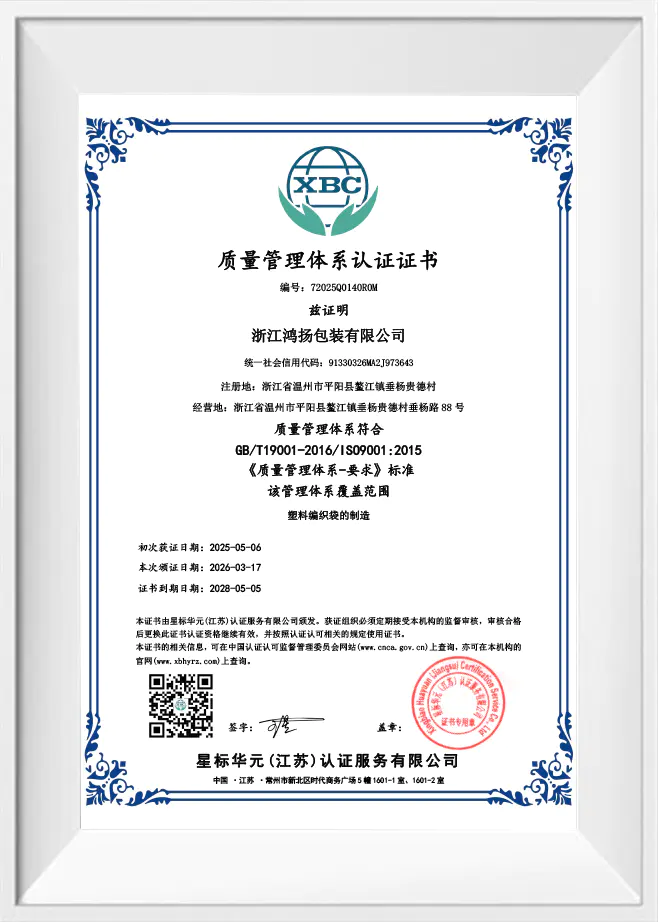
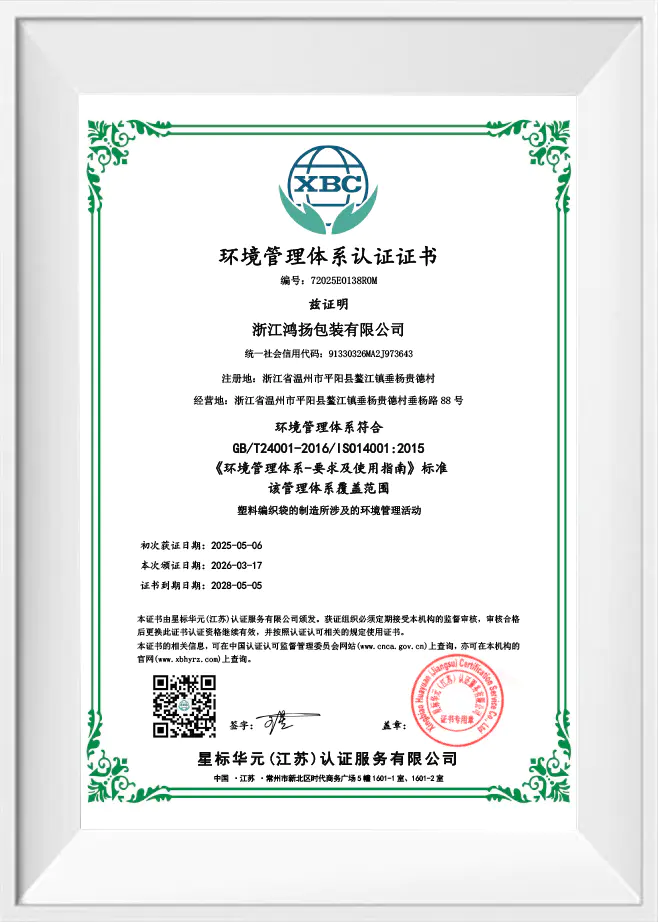
ISO9001,ISO45001,BSCI,ROSH,REACH |
|
Applications |
Corn, soybeans, dates, peanuts, wheat, grains, crops, etc. |
|
Minimum Order Quantity |
5000pcs |
|
Delivery Time |
5-25days |
Application
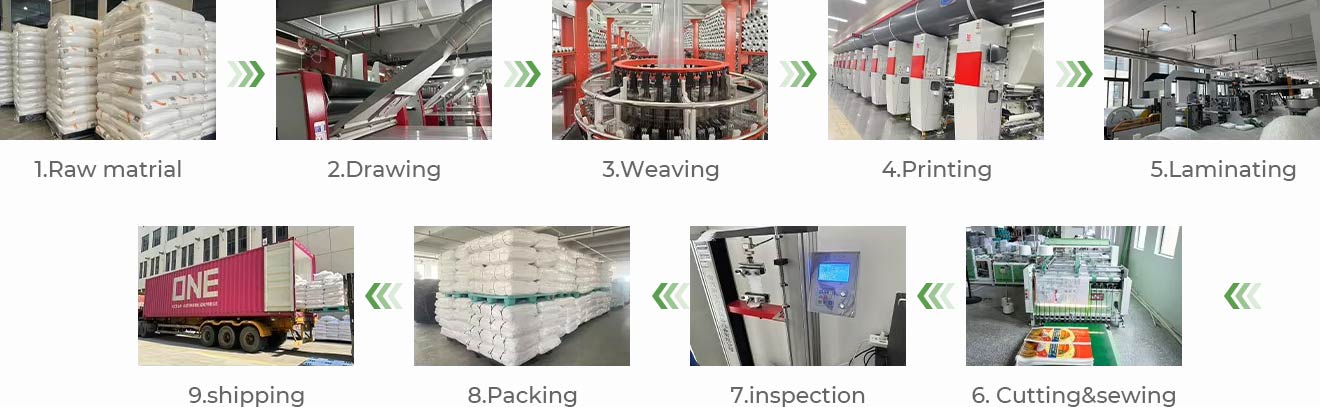
PRODUCTION PROCESS
Packaging process
FAQ
PP woven fabric is a high-strength fabric made from polypropylene (PP), a durable thermoplastic polymer. It is widely used in various industries, including packaging, agriculture, and construction, due to its moisture resistance, recyclability, and robust physical properties.
PP woven bags are highly durable, tear-resistant, and moisture-proof. They are perfect for heavy-duty use in industries such as agriculture, construction, and packaging. These bags are also eco-friendly as they can be recycled and reused multiple times.
Our PP woven fabric and PP woven bags are manufactured in Wenzhou, Zhejiang, China. With 34 years of experience in the industry, we ensure high-quality production with advanced machinery and a skilled workforce.
Yes, we offer customization for PP woven fabric in various colors, thicknesses, sizes, and coatings. Whether you need bags, rolls, or other forms of fabric, we can tailor the product to meet your exact specifications.
Yes, our PP woven bags are eco-friendly, as they are made from polypropylene, which is fully recyclable. Additionally, we offer options for biodegradable coatings to make them more environmentally sustainable.
Our PP woven fabric and bags are used in a wide range of industries, including:
Agriculture (grain, feed, fertilizer)
Construction (sand, cement, building materials)
Retail (shopping bags, promotional bags)
Industrial packaging (food, chemicals)
Food packaging
Our PP woven bags are designed for high durability. They are resistant to tearing, UV light, and moisture, ensuring long-lasting use even under challenging conditions. They are ideal for heavy-duty applications, ensuring secure and reliable packaging.
Yes, we specialize in large-scale orders of PP woven fabric and PP woven bags. With 34 years of experience, we can meet high-volume demands while maintaining consistent quality and efficient delivery.
Yes, we provide samples of our PP woven fabric and PP woven bags for customers to assess quality before placing an order. Contact us to request samples that match your needs.
Production lead times vary depending on the size and complexity of the order. Generally, it takes 7-14 business days for standard orders. For customized or bulk orders, the lead time may be longer.
To place an order, simply reach out to us via our contact form or email with your requirements. Our team will provide you with a quote, and we’ll work with you to finalize details such as quantity, customization, and delivery.
Yes, we offer global shipping for PP woven bags and PP woven fabric. Our experienced logistics team ensures timely and safe delivery to international destinations.
We accept various payment methods, including bank transfer, PayPal, and other secure payment systems. We offer flexible terms for large or customized orders, which can be discussed with our sales team.
With 34 years of industry experience, we are a trusted and reliable manufacturer of PP woven fabric and PP woven bags. Our long-standing expertise ensures high-quality products, competitive pricing, and excellent customer service. We work closely with equipment manufacturers to optimize fabric structure, ensuring that your automation systems run smoothly and efficiently.
Contact Us
Demand for PP laminated kraft paper bags has quietly moved from a niche industrial product into one of the packaging industry's most talked-about categories. Walk through any major trade show in 2025 ...
View MoreOn the 58th World Earth Day, Zhejiang Hongyang Packaging Co., Ltd. officially released its "2025 Corporate Social Responsibility Report." The report elaborates on the company's practices and commitmen...
View MoreZhejiang Hongyang Packaging Co., Ltd. today proudly announced the official completion and operational launch of the Phase II expansion project at its second production base in Zhejiang Province. The p...
View MoreAs regions like the European Union enforce increasingly stringent environmental traceability requirements, global demand for recycled material packaging continues to rise. In response to this trend, Z...
View MoreWenzhou, Zhejiang – The woven bag manufacturing industry is witnessing a significant moment of intelligent upgrading. Zhejiang Hongyang Packaging Co., Ltd. today officially announced the full deployme...
View MoreIn real packaging sourcing, this type of Laminated Woven Bag doesn' t usually get introduced as a "special category." It appears more like a practical answer to a set of very common problems—load stability, moisture exposure, and basic branding requirements in bulk logistics.
What makes it widely used is not novelty, but the fact that it fits into existing production and transport systems without requiring major changes. That alone keeps it relevant across multiple industries.
At the core, the material starts with polypropylene woven fabric. This base layer is already known for its mechanical strength and resistance to tearing, which makes it suitable for heavy or stacked goods.
On its own, however, woven fabric is not always enough. The surface is relatively rough, printing is inconsistent, and it does not handle environmental exposure very well in longer supply chains.
Once a lamination layer is applied, the behavior of the material changes in a noticeable way. The surface becomes smoother, printing becomes more stable, and the packaging gains better resistance against external moisture and dust.
From a functional point of view, this is less about "upgrade" in a marketing sense and more about adapting a base material to real logistics conditions.
In most production cases, lamination is not treated as decoration. It is a response to very specific requirements from buyers.
Some industries need better moisture control because products are stored or transported in humid environments. Others need clearer printing because the packaging carries brand or product information that must remain visible throughout distribution.
There are also cases where the requirement is simply handling durability. Bags are stacked, dropped, and transported repeatedly, so surface reinforcement becomes necessary.
Depending on the application, lamination can be more visual-focused or more function-focused. The difference is usually decided before production starts, based on end-use expectations rather than material preference alone.
In agriculture, it' s used a lot. Fertilizer, seeds, grain, feed—these kinds of products usually need something that can carry weight and survive stacking and transport without falling apart.
In construction materials, it shows up quite often too. Cement additives, powders, dry mixes, things like that. The environment there is not very gentle on packaging, so strength matters more than appearance most of the time.
For retail-related supply chains, the thinking changes a bit. Since the bag can be seen by end customers, people start paying more attention to printing and overall look, not just structure.
Export use is another big one. Once products are shipped across different countries and climates, humidity and handling conditions become less predictable. In that situation, the laminated surface helps keep things more stable during transport.
In practice, buyers rarely start with the material itself. They start with constraints.
Questions like whether the product will absorb moisture, how far it will be shipped, how much weight it carries, and whether branding is required usually come first.
Only after that does this packaging option enter the comparison stage.
This is why long search phrases such as "heavy duty woven packaging bags for fertilizer export" or "custom printed polypropylene bags for bulk goods" exist—they reflect real usage scenarios rather than general product interest.
In most sourcing decisions, it is chosen not because it is the most advanced option, but because it balances multiple requirements at an acceptable cost level.
Compared with standard woven bags, the laminated type usually feels more finished. The surface is smoother, printing comes out clearer, and it handles moisture better. But at the same time, it does add extra cost, and the production process becomes a bit more involved.
Against plastic film packaging, it sits in a different position. It is stronger in terms of structure and works better for stacking or heavier goods. But when you need full sealing for fine powders or liquids, plastic film systems still do that job more reliably.
Paper-based packaging is another reference point. In real logistics, paper tends to struggle when there is pressure, humidity, or long-distance handling. The laminated woven option holds up better in those conditions, so it' s often chosen when transport is less predictable.
If you compare it with multi-layer composite packaging, the difference is mostly about complexity and cost. Composite materials can give higher barrier performance, but they are also more expensive and less flexible in production. This is why laminated woven solutions are still used widely in bulk packaging.
Because of these differences, it doesn' t really compete at one extreme. It usually ends up somewhere in the middle—good enough strength, acceptable protection, and controlled cost.
One thing that happens quite often in sourcing is that buyers treat all Laminated Woven Bag as if it performs the same. In reality, small changes in fabric density or coating method can lead to noticeable differences in strength and durability.
A lighter version used for retail-style packaging won' t behave like a heavy industrial sack used for cement or fertilizer. They look similar on the surface, but they are built for very different conditions.
Another issue is over-focusing on appearance. A clean print or smooth surface can look good, but in logistics-heavy use, what matters more is how the bag holds up when stacked, moved, or stored for a long time.
On the other hand, some buyers focus only on strength and forget about environmental exposure. That' s where problems like moisture absorption or surface damage can show up during storage or shipping.
Most of these issues are not really material defects. They usually come from mismatched expectations—what was ordered versus what the actual working condition requires.
The development of this type of packaging is not about replacing it with something completely new. It' s more about small adjustments based on how the market is changing.
Printing quality has been improving quite a bit. Even for industrial packaging, brands now expect more consistent logos and clearer surface presentation, so production standards are slowly going up.
At the same time, there is a trend toward using lighter materials. The idea is to reduce raw material usage and shipping cost without losing too much strength.
Recyclable or less plastic-heavy coating options are also being explored more, especially in regions where packaging regulations are getting stricter.
And beyond traditional bulk packaging, usage is slowly expanding into areas like e-commerce and branded consumer products. It' s not a sudden shift, more like the material is being adapted into slightly different roles over time.
This type of packaging is not positioned as a high-end innovation material, nor is it considered a low-cost temporary solution. Its role is more practical than conceptual.
It exists because it solves a specific combination of requirements: strength, moderate protection, and acceptable surface presentation at a controlled cost.
That balance is the main reason it continues to be used across agriculture, construction, export logistics, and increasingly retail-related applications.
In real supply chain decisions, it is not chosen for being the best in one category, but for performing reliably across several at the same time.