

 English
-
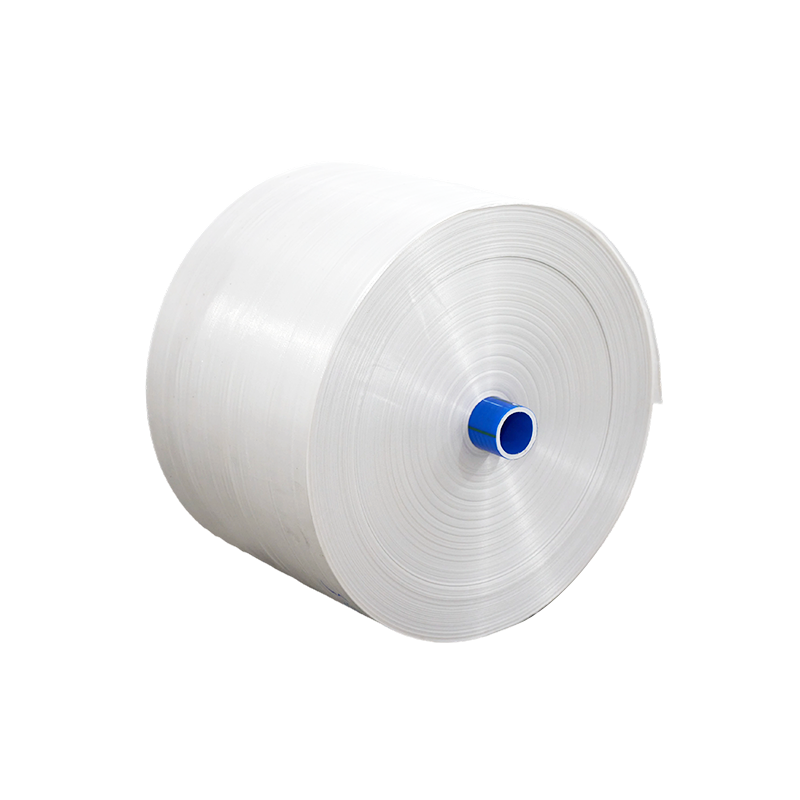
PP woven fabric is manufactured by drawing PP or PE plastic pellets into filaments and weaving them on circular looms to create the base material for woven bags. The roll stock for woven bags on the market is predominantly white, though custom colors can be ordered from manufacturers. PP woven fabric can be processed through printing, lamination, color printing, and cutting/seaming techniques to produce woven bags tailored to diverse customer applications, serving both product protection and aesthetic packaging purposes. Our company's woven bag rolls are made from 100% recyclable, eco-friendly materials. To meet customer requirements, Hongyang Packaging offers customizable PP woven fabric in various colors, sizes, and thicknesses upon request.
-
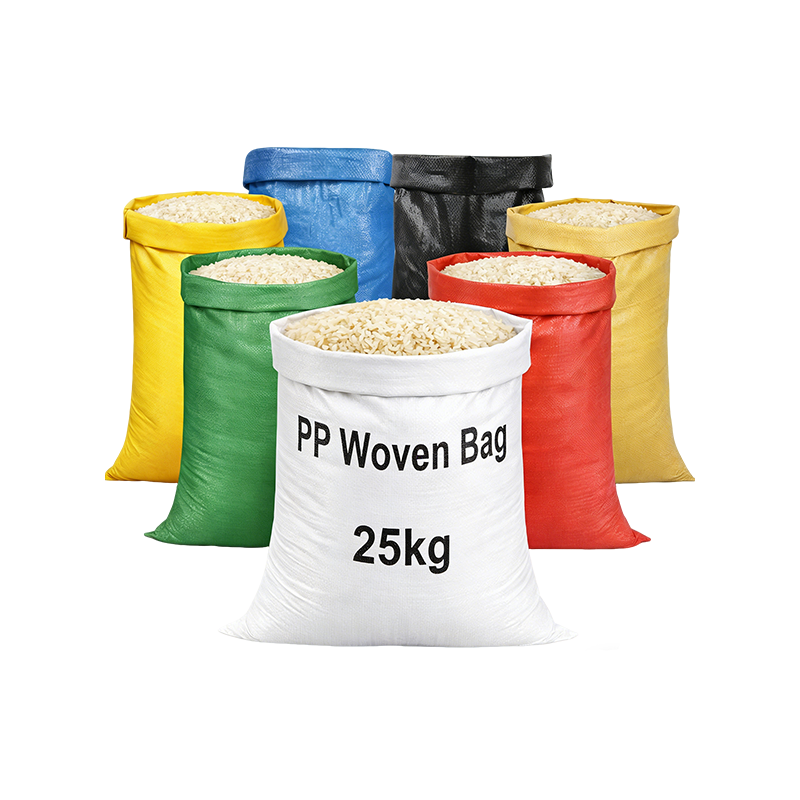
PP woven bags are flexible packaging bags made from polypropylene and polyethylene raw materials, extruded into fibers, stretched, and woven. The product features a distinct, tightly woven mesh texture and a glossy finish. PP woven bags offer high load-bearing capacity, abrasion resistance, flexibility, corrosion resistance, excellent breathability, and lightweight properties, making them widely used in the packaging and transportation industries.Based on raw materials, PP woven bags are categorized into virgin PP woven bags and recycled PP woven bags. Virgin PP woven bags are manufactured directly from pellets produced by petrochemical companies, while recycled PP woven bags are made entirely from 100% post-consumer packaging materials that undergo collection, sorting, cleaning, and reprocessing. In recent years, with growing global environmental awareness, recycled PP woven bags—represented by RPP woven bags—have gained widespread adoption.Based on their characteristics and diverse application scenarios, PP woven bags can undergo processes such as lamination, printing, color printing, adding inner bags, or incorporating inner liners. Customers should carefully consider their requirements and make informed decisions balancing practicality and aesthetics. Brief Introduction to Functional Additions for PP Woven Bags:1.Lamination: This process involves bonding a PE protective film to the exterior of the PP woven bag. It primarily isolates the bag from air, imparting waterproof properties. Bags treated with this method are typically non-breathable.2.Printing: PP woven bag printing includes standard printing and color printing. Standard printing involves etching customer-specified designs onto rubber plates for direct application onto the bag surface, serving branding and aesthetic purposes. This method offers lower precision but is cost-effective. Color printing involves etching customer-specified designs onto copper plates for printing onto OPP film, which is then laminated onto the PP woven bag surface via PE adhesive. This method offers high precision, resulting in bags that combine aesthetics with waterproofing. However, it carries higher production costs.3.Inner Liner Insertion: The inner liner PP woven bag process involves inserting a PE bag inside the PP woven bag. This primarily enhances the bag's internal waterproofing capability. It is important to note that the inner and outer bags produced using this method can be separated.4.Inner-Lined PP Woven Bag: This technique involves bonding PE to the inner surface of the PP woven bag using EVA adhesive. The resulting bag possesses waterproof properties. This type of PP woven bag is primarily used in applications requiring waterproofing and automated packaging.
-
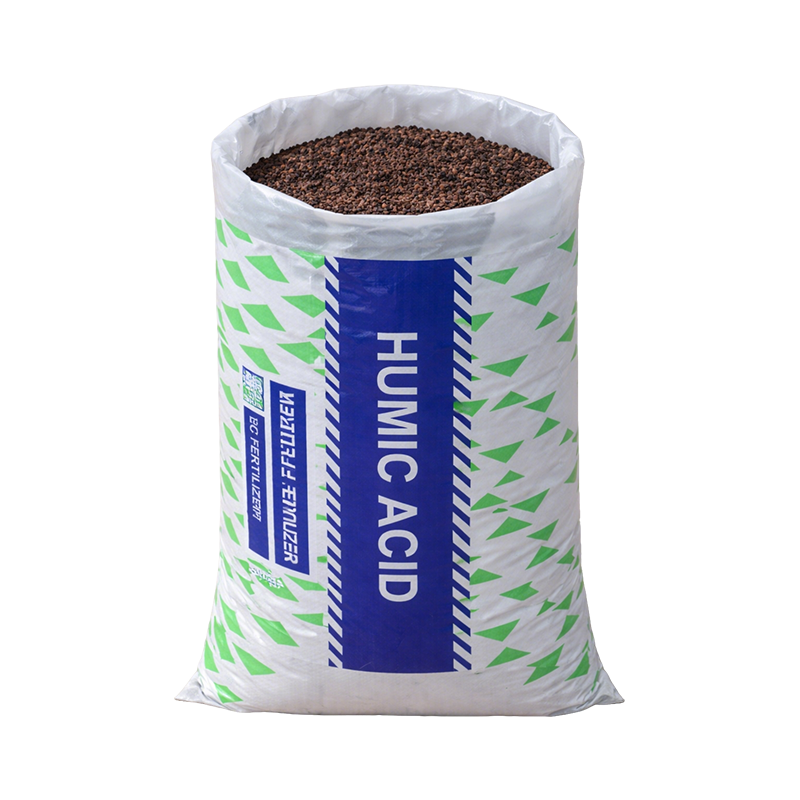
Laminated woven bags are packaging bags created by printing the customer's desired design onto OPP film via offset printing, then bonding the OPP film to the woven bag surface using PE adhesive. These woven bags feature high printing precision, an aesthetically pleasing appearance, and waterproof/moisture-resistant properties.Laminated woven bags typically require plate making, which is generally costly. Specific pricing must be negotiated between the customer and manufacturer. Production Process of Laminated Woven Bags1. Design Drawing Preparation: Designers create the design drawings based on customer requirements, including printed content, dimensions, and color specifications.2. Plate Preparation: Based on the design drawings, the plate-making technician selects an appropriate plate-making method and prepares the corresponding equipment and materials.3. Plate-Making Operation: The technician scales the design drawings to the required plate dimensions and transfers the pattern onto the plate material using specialized equipment.4. Plate Inspection: After plate-making, quality inspection ensures pattern clarity and accuracy.5. Printing on Color Film: After plate making, ink is transferred through the plate to print the design onto the film.6. Laminating: The printed film is bonded to the woven bag surface using specialized techniques.7. Post-Processing: Printed and laminated woven bag rolls undergo finishing processes such as sewing, folding, and packaging.
-
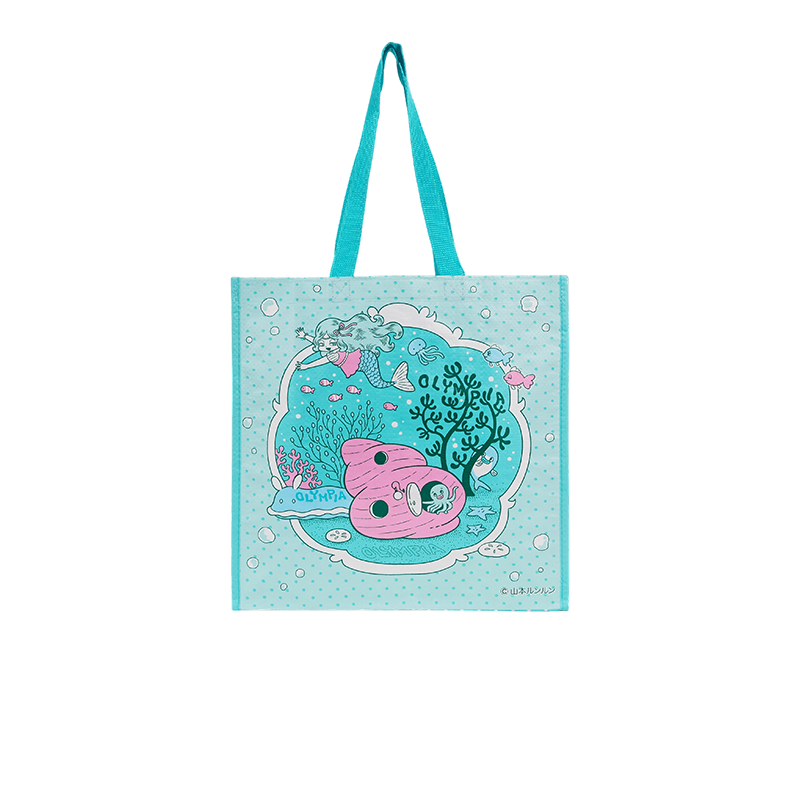
Woven shopping bags are made from woven fabric base material through processes like color printing, lamination, cutting, and sewing to create bags with handles. They are widely used in daily life and commercial applications such as shopping, gift packaging, and advertising promotions. Compared to other types of tote bags, woven fabric tote bags offer advantages including enhanced aesthetics, greater strength, improved durability, and environmental friendliness. Key considerations for woven shopping bag design:1. Material selection: Choose appropriate woven fabric thickness and material based on the bag's intended use and load-bearing requirements.2. Structure: Optimize bag shape, body, handles, and base to enhance practicality.3. Dimensions: Design reasonable sizes based on usage scenarios for easy carrying and storage.4. Colors and Patterns: Create appropriate color schemes and designs aligned with customer aesthetics and brand promotion needs to enhance visual appeal.Notably, in recent years, growing environmental awareness has led to increased acceptance of reusable bags and those made from recycled plastic. Woven eco-friendly bags, exemplified by RPP, are gaining popularity in Europe and the United States.
-
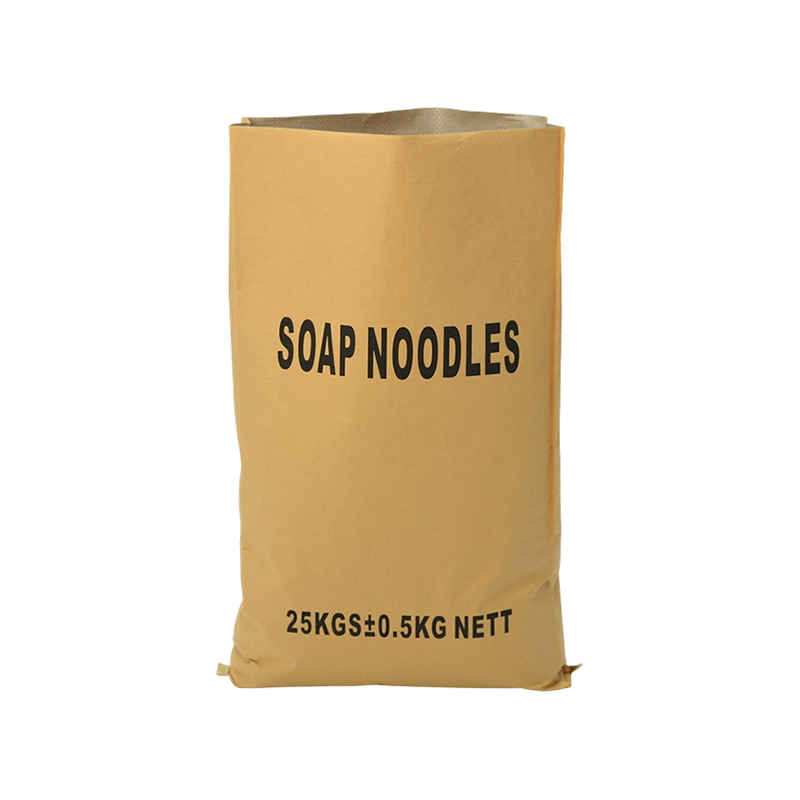
Kraft paper bags feature an outer layer of refined white kraft paper or yellow kraft paper, with an inner layer of plastic woven fabric. Through high-temperature and high-pressure processing, the plastic particles (PP) melt, bonding the kraft paper and plastic woven fabric together. The composite material is then formed into bags and sewn to create the final packaging.Kraft paper bags offer high strength, water resistance, mold resistance, and slip resistance. They are widely used in industries such as plastic raw materials, chemicals, feed, and cement. Features of kraft paper bags:1. Robust construction: The composite of high-strength paper and premium plastic provides excellent crush resistance and abrasion resistance, ensuring safe storage and transportation of various goods.2. Eco-friendly and recyclable: These bags offer strong environmental credentials, as their materials are recyclable, helping reduce pollution.3. Moisture-proof and water-resistant: Special processing techniques provide excellent moisture and water resistance, protecting contents from damp environments.4. Wide application range: Due to superior performance and cost-effectiveness, these bags are extensively used in food, chemical, pharmaceutical, and other industries.5. Excellent printability: The surface supports high-quality printing, enabling easy brand promotion and product marketing.6. Cost-Effective: Compared to other packaging types, paper-plastic composite bags offer lower costs, helping businesses reduce packaging expenses and enhance market competitiveness.7. Multiple Specification Options: Paper-plastic composite bags are available in various sizes and styles to meet diverse packaging requirements based on customer needs.8. Safe and Reliable: Strict quality control during production ensures the safety and reliability of paper-plastic composite bags, providing consumers with a secure user experience.In summary, paper-plastic composite bags hold a significant position in the packaging industry due to their unique advantages and extensive application scope.

 +86-13957706306
+86-15868461338
 Chuiyang Guide Village, Aojiang Town, Pingyang County, Wenzhou City, Zhejiang Province, China.

PRODUCTS
Home / Products
Product Center
Zhejiang Hongyang Packaging specializes in woven bag manufacturing. Our main products include: woven bag roll materials, color-printed bags, handle bags, paper-plastic composite bags, and square bottom bags. With integrated production lines covering filament drawing, weaving, printing, and bag making, we offer one-stop solutions from standard to customized orders. Our products are widely used in food, chemical, building materials, agriculture, daily chemicals, logistics and other industries—providing reliable packaging support to global clients.
CONTACT US




Quick Links
Contact Us
-
 +86-13957706306
+86-15868461338 -
 +8613957706306
-
 [email protected]
-
 Chuiyang Guide Village, Aojiang Town, Pingyang County, Wenzhou City, Zhejiang Province, China.
Copyright ©Zhejiang Hongyang Packaging Co., Ltd.



